About this artwork
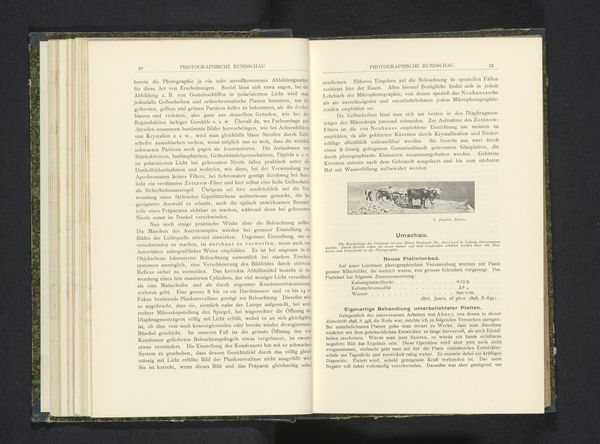
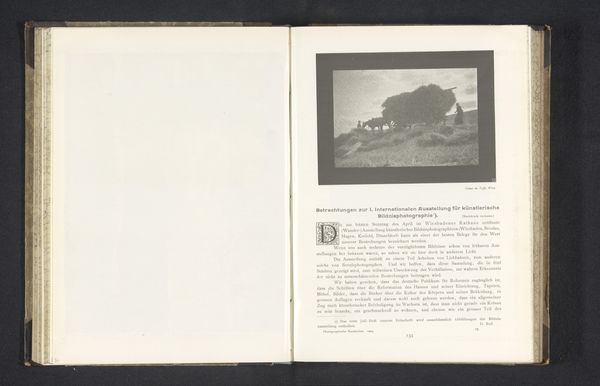
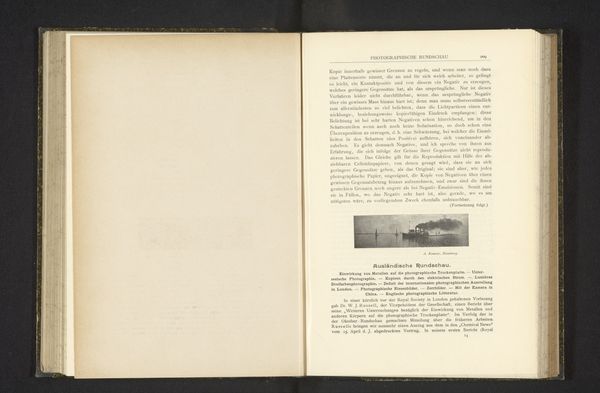
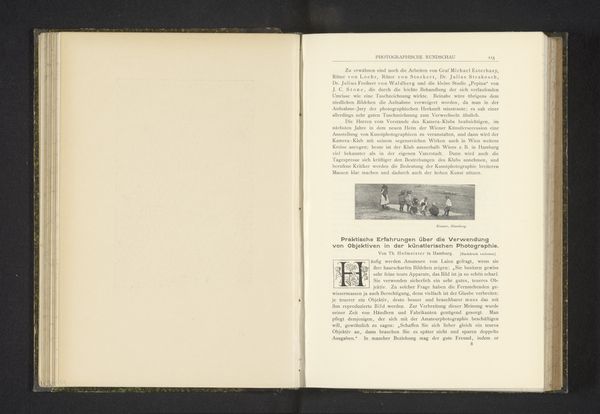
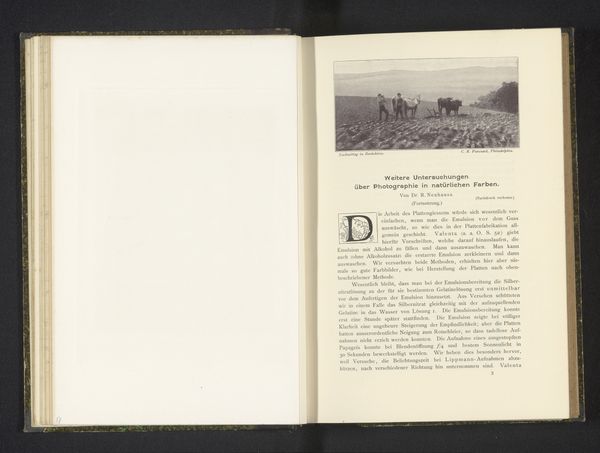
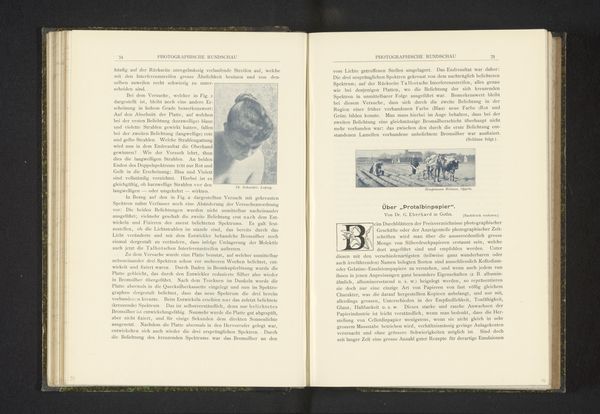
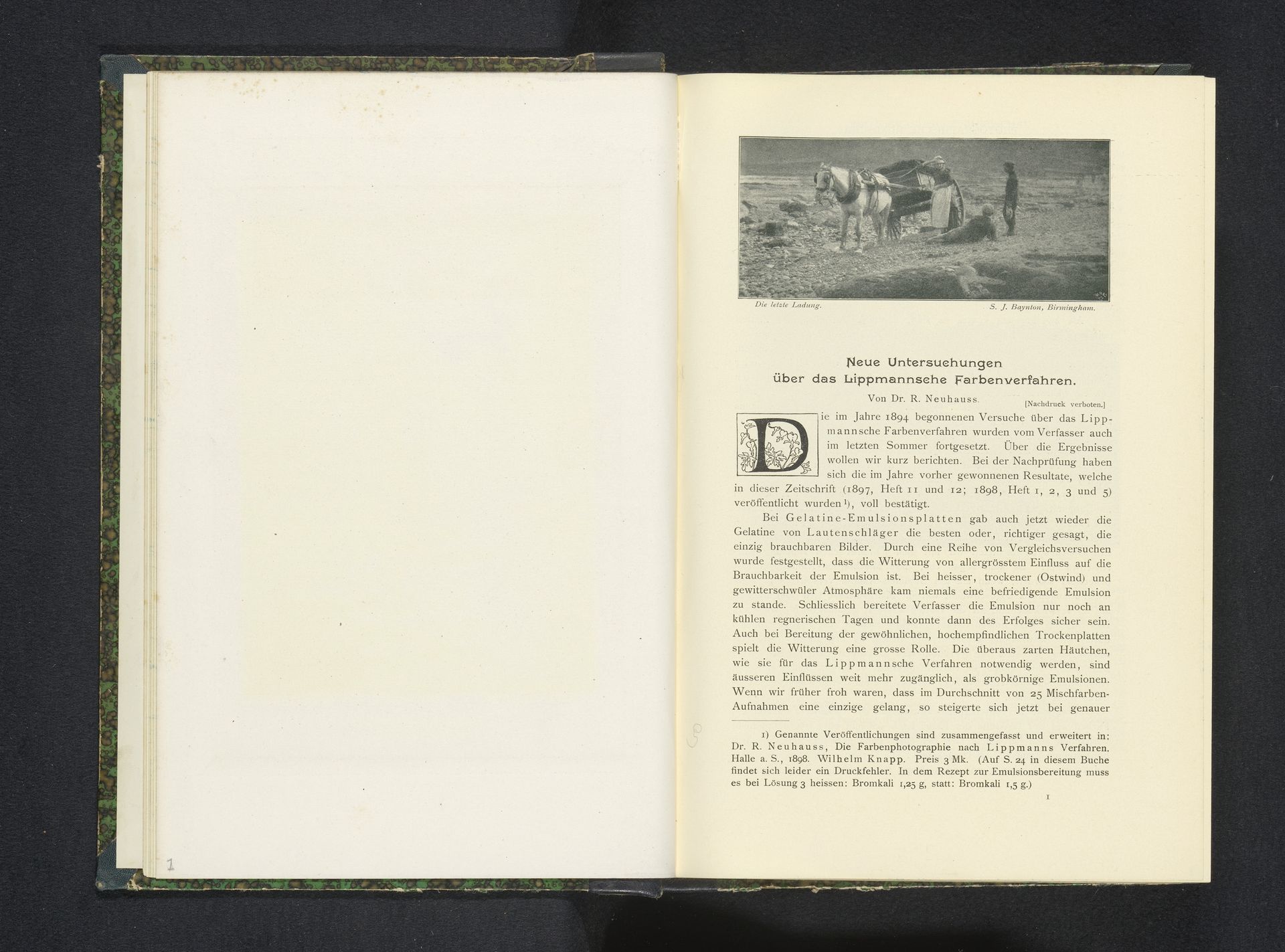
This is a reproduction of a photograph by C. J. Baynton. It shows a woman and two men working the land with a horse and wagon. The composition is dominated by the strong horizontal line of the horizon, dividing the scene into a muted ground and an indistinct sky. Baynton utilizes a muted palette, with shades of gray and brown dominating the visual field. The texture appears grainy, typical of early photographic processes, which adds a sense of historical distance and emphasizes the materiality of the image. The use of light and shadow creates tonal contrasts, delineating forms within the scene. This image reflects the structuralist interest in depicting labor and rural life. It challenges the romanticized views of pastoral scenes by presenting the scene in a straightforward manner. The starkness and simplicity function as signs that can be interpreted within broader cultural narratives about work and representation. In its formal austerity, Baynton’s work invites us to reconsider how images mediate our understanding of everyday life.
Vrouw en twee mannen werken op het land met paard en wagen
before 1899

Artwork details
- Medium
- print, photography, gelatin-silver-print
- Dimensions
- height 50 mm, width 116 mm
- Copyright
- Rijks Museum: Open Domain
Tags
Comments
Share your thoughts
About this artwork
This is a reproduction of a photograph by C. J. Baynton. It shows a woman and two men working the land with a horse and wagon. The composition is dominated by the strong horizontal line of the horizon, dividing the scene into a muted ground and an indistinct sky. Baynton utilizes a muted palette, with shades of gray and brown dominating the visual field. The texture appears grainy, typical of early photographic processes, which adds a sense of historical distance and emphasizes the materiality of the image. The use of light and shadow creates tonal contrasts, delineating forms within the scene. This image reflects the structuralist interest in depicting labor and rural life. It challenges the romanticized views of pastoral scenes by presenting the scene in a straightforward manner. The starkness and simplicity function as signs that can be interpreted within broader cultural narratives about work and representation. In its formal austerity, Baynton’s work invites us to reconsider how images mediate our understanding of everyday life.
Comments
Share your thoughts