About this artwork
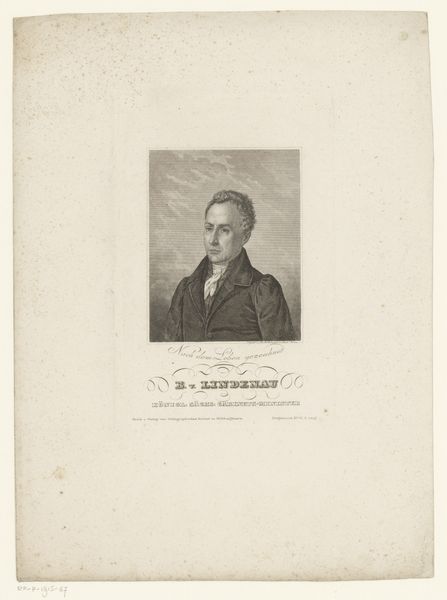
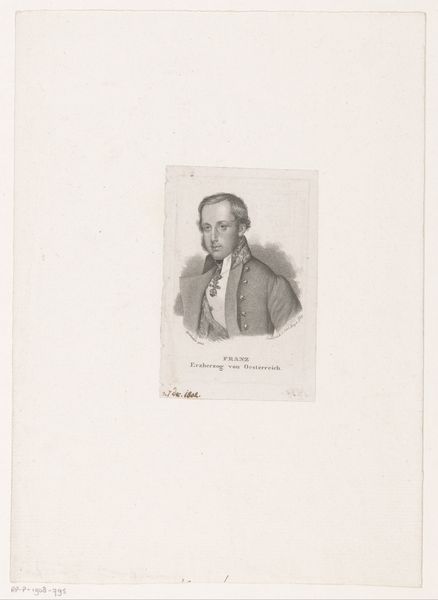
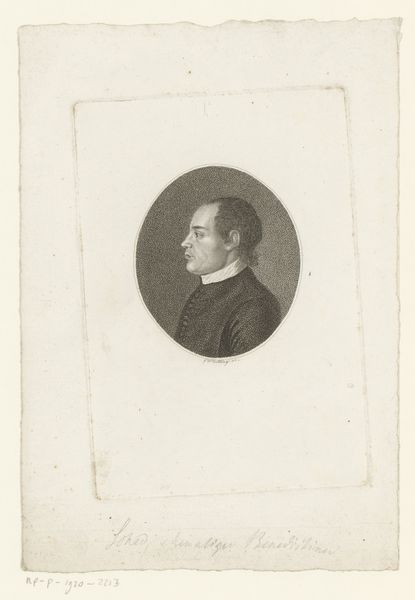
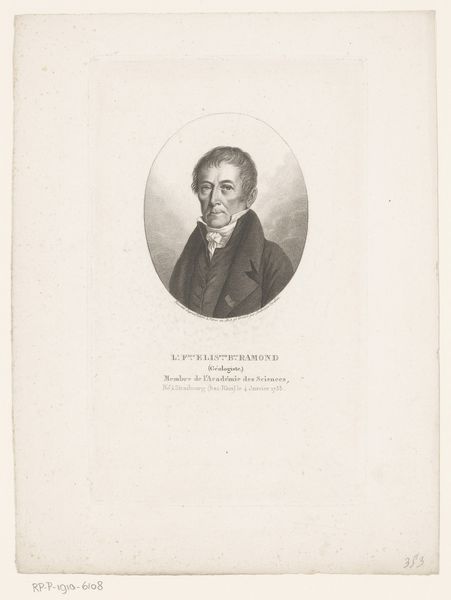
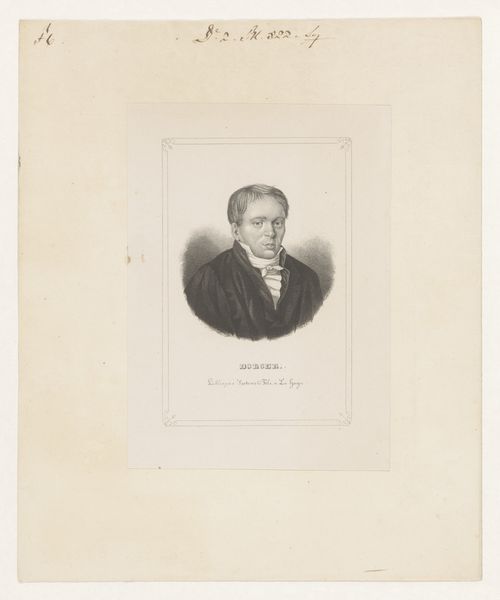
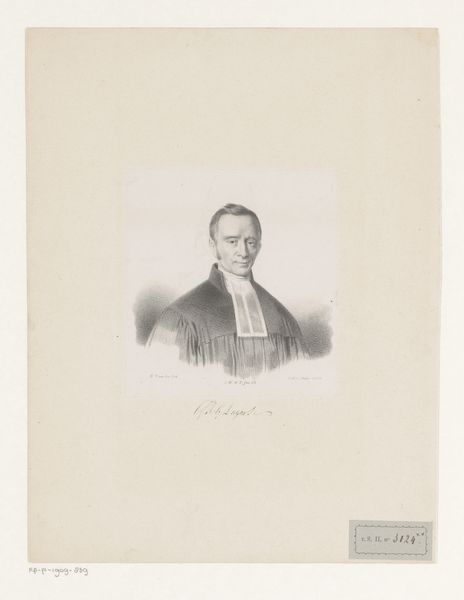
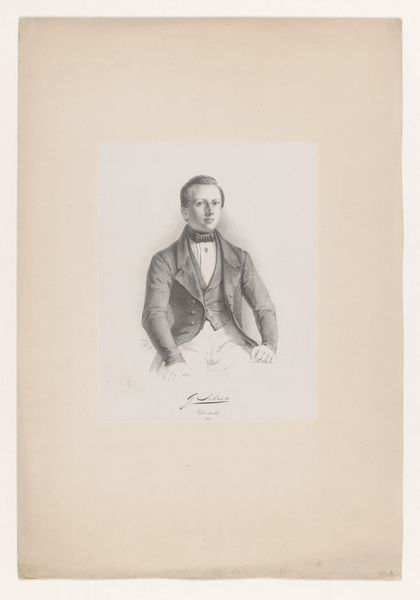
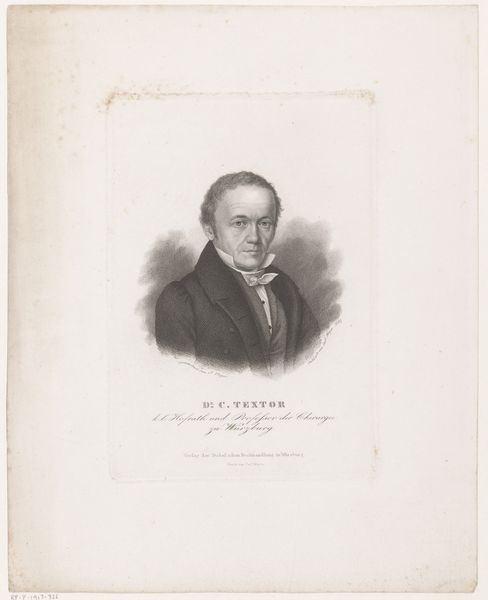
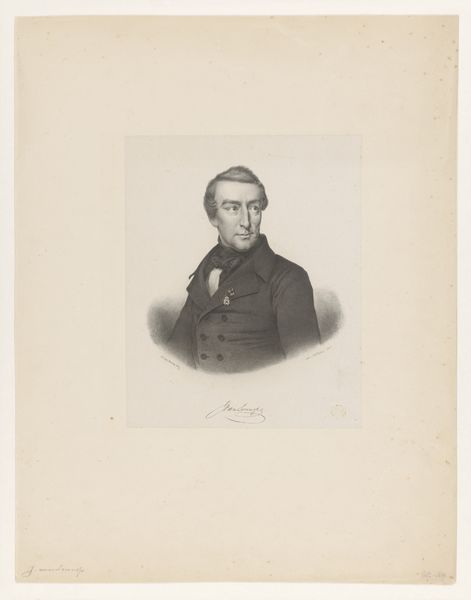
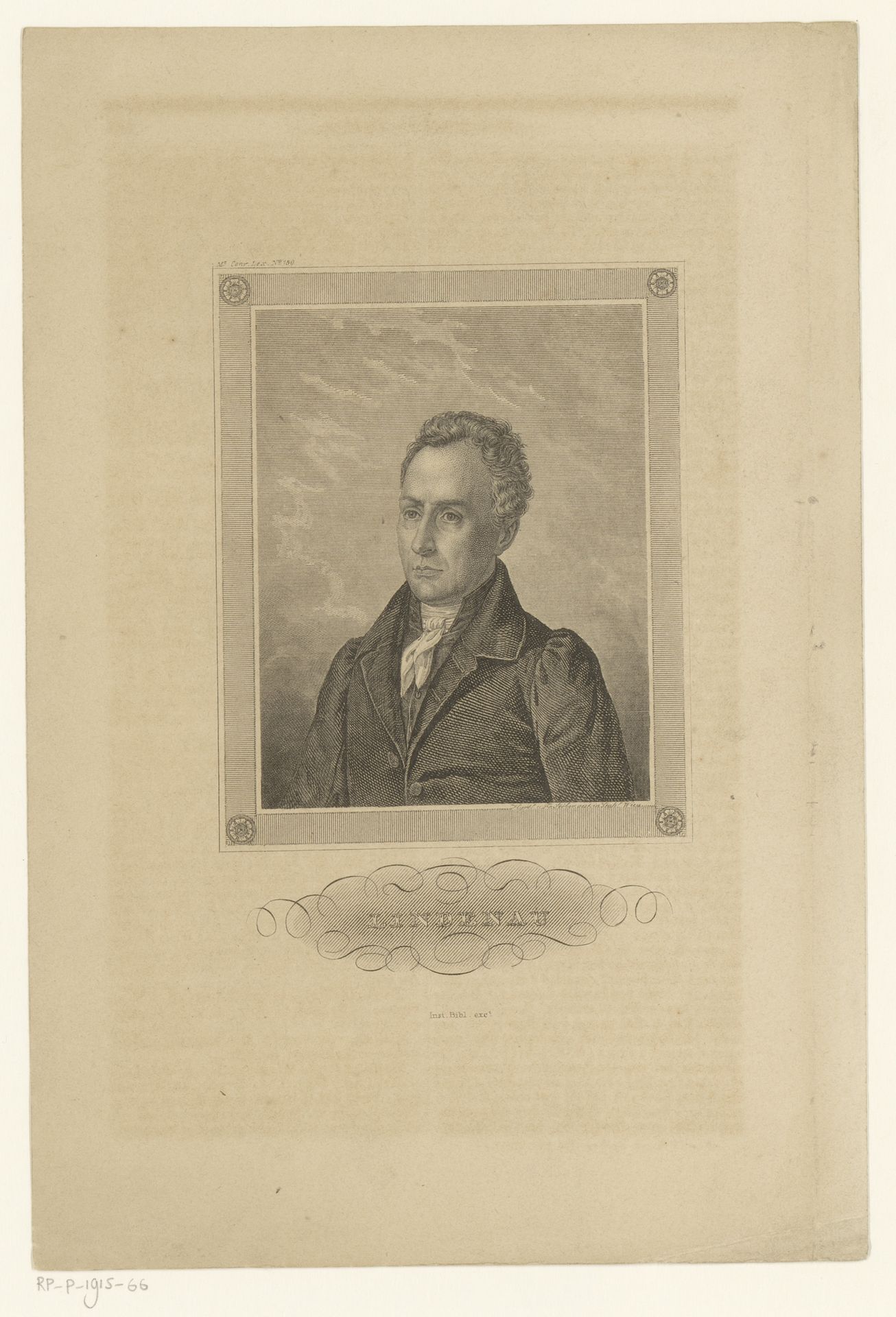
Franz Stöber created this portrait of Bernhard August von Lindenau through engraving, a medium that democratized image distribution. Engraving flourished in the 18th and 19th centuries across Europe, becoming a crucial tool for disseminating knowledge and shaping public opinion. It provided a relatively affordable way to reproduce images, enabling the circulation of portraits, landscapes, and historical scenes to a wider audience than ever before. This print, now housed in the Rijksmuseum, speaks to the growing importance of public institutions in preserving and showcasing cultural heritage. In the absence of a specific date for the artwork, we can only speculate on the exact social or political commentary Stöber intended. Archival research into Lindenau's life and his relationship with the artist would be invaluable for understanding this image within its historical and institutional context.
Portret van Bernhard August von Lindenau
1840 - 1855

Franz Stöber
1761 - 1834Location
RijksmuseumArtwork details
- Medium
- print, engraving
- Dimensions
- height 243 mm, width 164 mm
- Location
- Rijksmuseum
- Copyright
- Rijks Museum: Open Domain
Tags
Comments
Share your thoughts
About this artwork
Franz Stöber created this portrait of Bernhard August von Lindenau through engraving, a medium that democratized image distribution. Engraving flourished in the 18th and 19th centuries across Europe, becoming a crucial tool for disseminating knowledge and shaping public opinion. It provided a relatively affordable way to reproduce images, enabling the circulation of portraits, landscapes, and historical scenes to a wider audience than ever before. This print, now housed in the Rijksmuseum, speaks to the growing importance of public institutions in preserving and showcasing cultural heritage. In the absence of a specific date for the artwork, we can only speculate on the exact social or political commentary Stöber intended. Archival research into Lindenau's life and his relationship with the artist would be invaluable for understanding this image within its historical and institutional context.
Comments
Share your thoughts