About this artwork
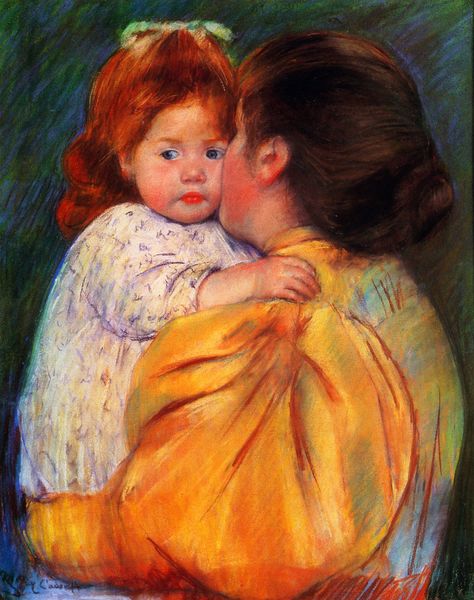
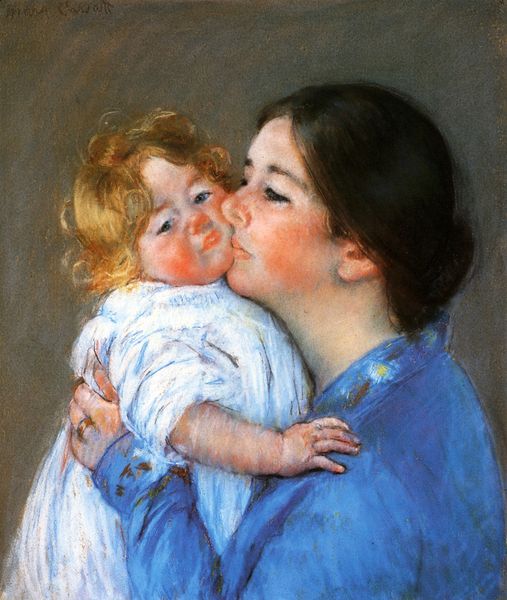
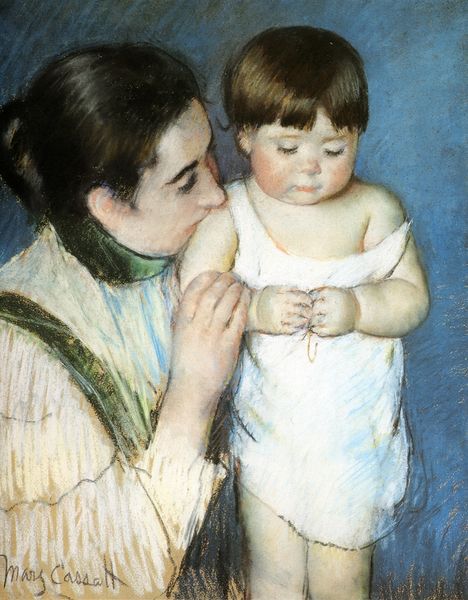
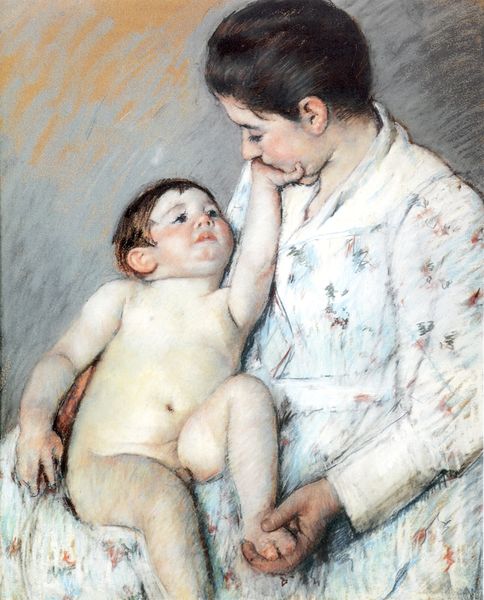
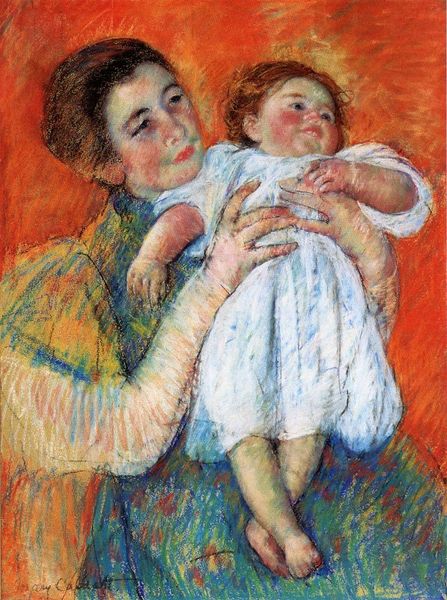
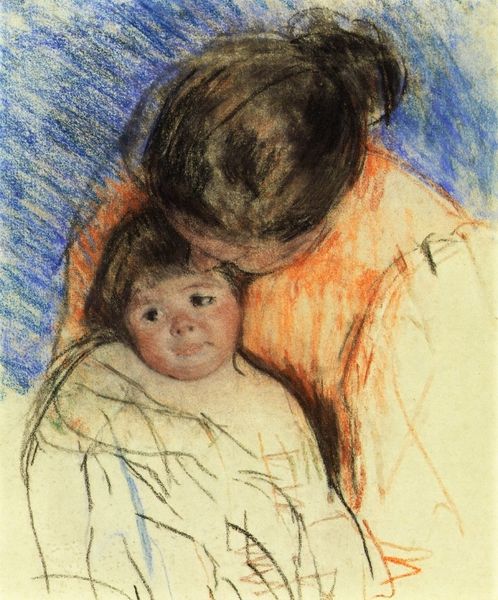
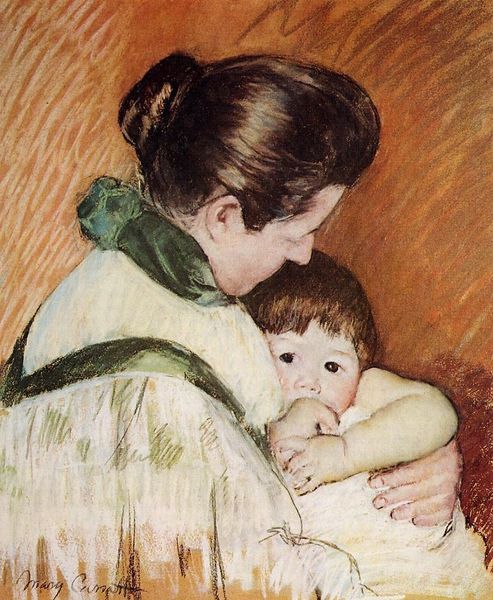
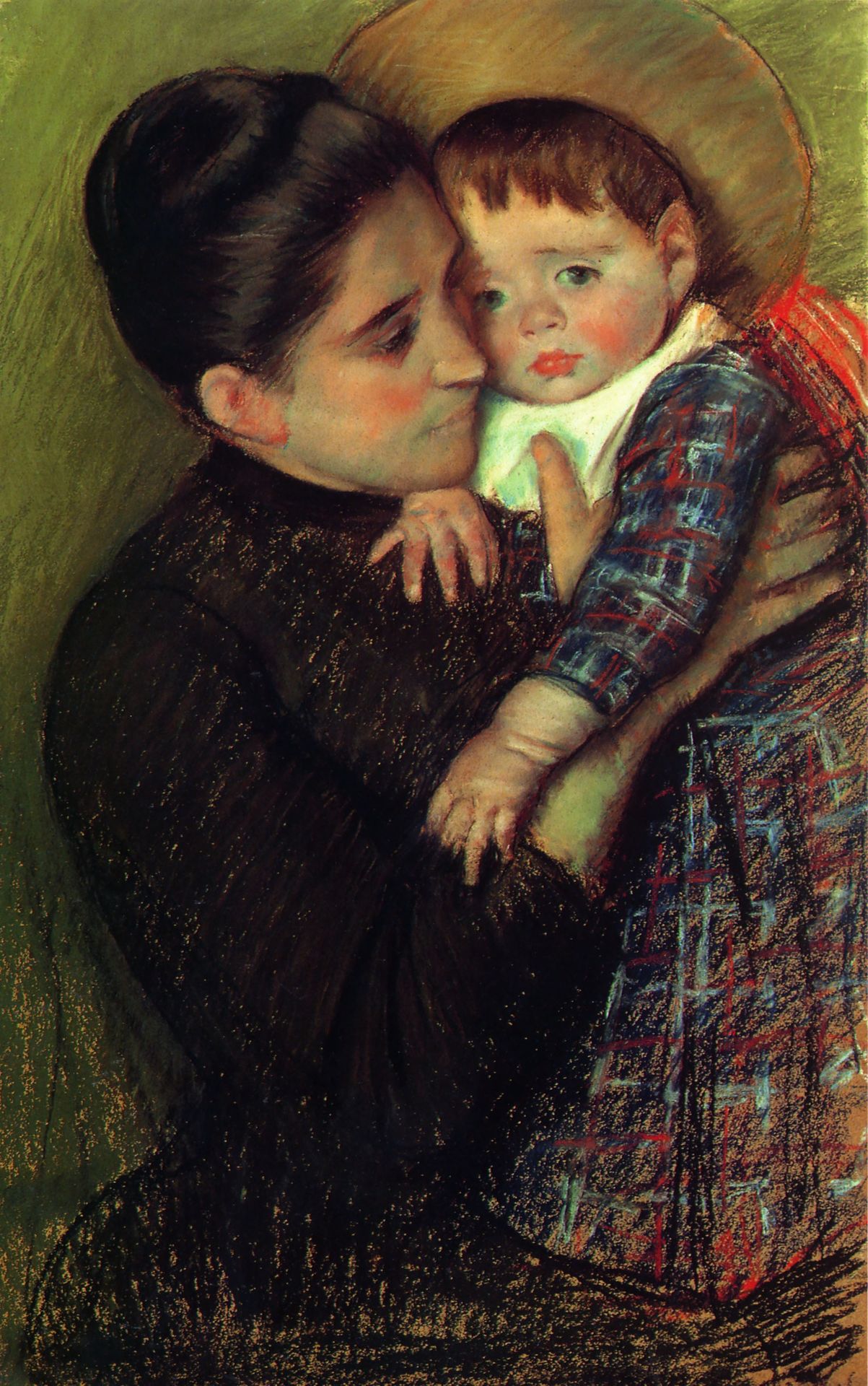
Mary Cassatt captured this intimate scene, Helene de Septeuil, using pastel on paper, portraying a mother holding her child. The composition immediately evokes the age-old motif of the Madonna and Child, deeply rooted in religious art. Here, though, Cassatt presents a modern, secular interpretation. The mother’s tender embrace and the child’s trusting gaze are not merely sentimental; they resonate with the archetypal image of maternal love that we see echoed through centuries, from Byzantine icons to Renaissance paintings. Consider how the Madonna, often depicted with a serene, almost detached expression, evolves into Cassatt's more human and accessible figure. This transformation reflects a shift from divine reverence to an emphasis on human connection, a recurring theme as society modernizes. The emotional power of this image lies in its ability to tap into our collective memory, triggering deep-seated feelings associated with protection, nurture, and the profound bond between mother and child, a bond that transcends time and culture.
Helene de Septeuil 1889

Mary Cassatt
1844 - 1926Location
William Benton Museum of Art ( University of Connecticut), Storrs, CT, USArtwork details
- Medium
- coloured-pencil
- Dimensions
- 40.64 x 64.1 cm
- Location
- William Benton Museum of Art ( University of Connecticut), Storrs, CT, US
- Copyright
- Public domain
Tags
portrait
gouache
coloured-pencil
impressionism
coloured pencil
genre-painting
Comments
No comments
About this artwork
Mary Cassatt captured this intimate scene, Helene de Septeuil, using pastel on paper, portraying a mother holding her child. The composition immediately evokes the age-old motif of the Madonna and Child, deeply rooted in religious art. Here, though, Cassatt presents a modern, secular interpretation. The mother’s tender embrace and the child’s trusting gaze are not merely sentimental; they resonate with the archetypal image of maternal love that we see echoed through centuries, from Byzantine icons to Renaissance paintings. Consider how the Madonna, often depicted with a serene, almost detached expression, evolves into Cassatt's more human and accessible figure. This transformation reflects a shift from divine reverence to an emphasis on human connection, a recurring theme as society modernizes. The emotional power of this image lies in its ability to tap into our collective memory, triggering deep-seated feelings associated with protection, nurture, and the profound bond between mother and child, a bond that transcends time and culture.
Comments
No comments