About this artwork
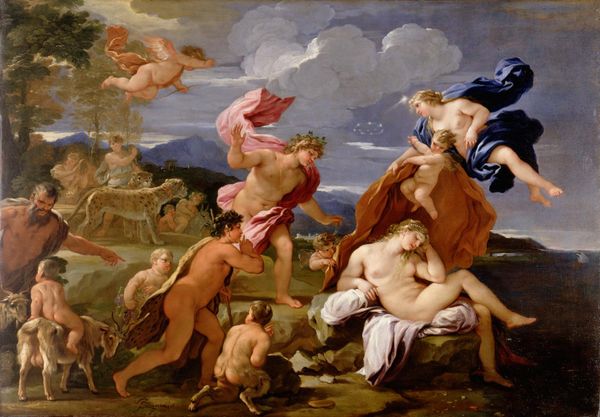
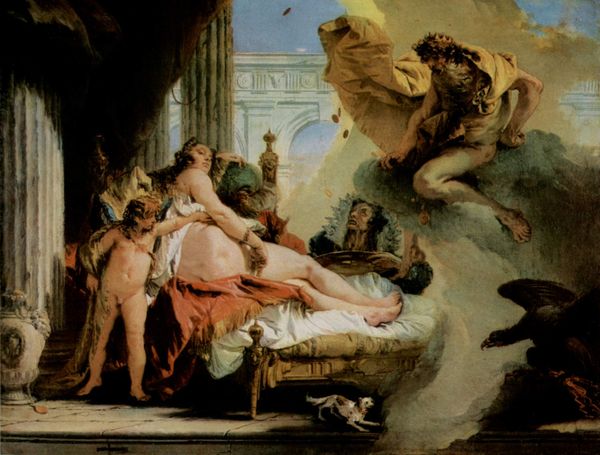
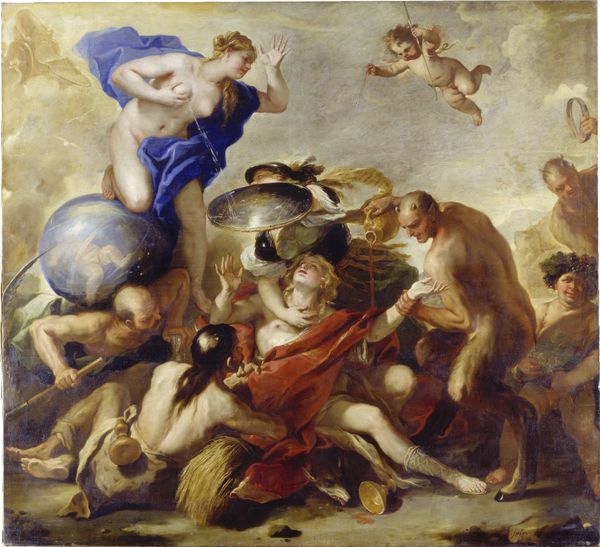
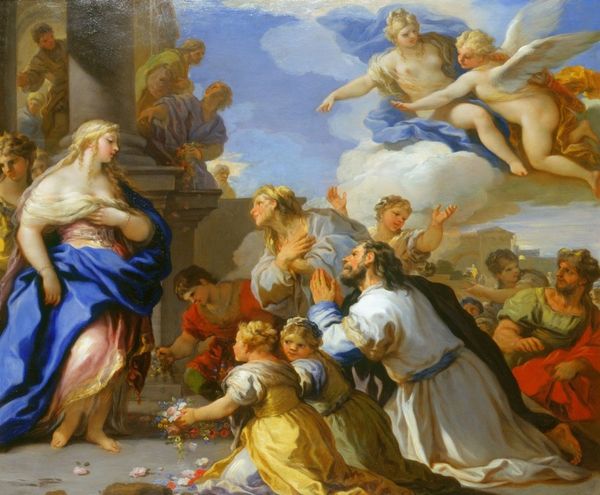
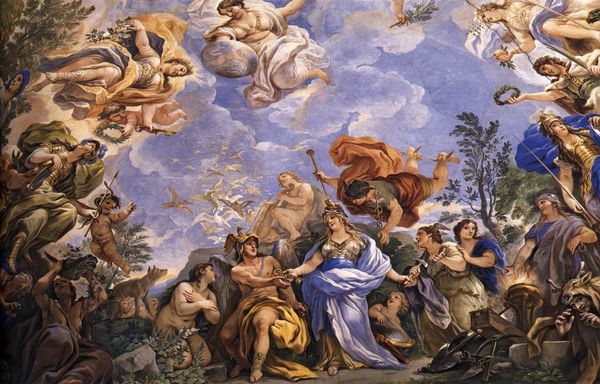
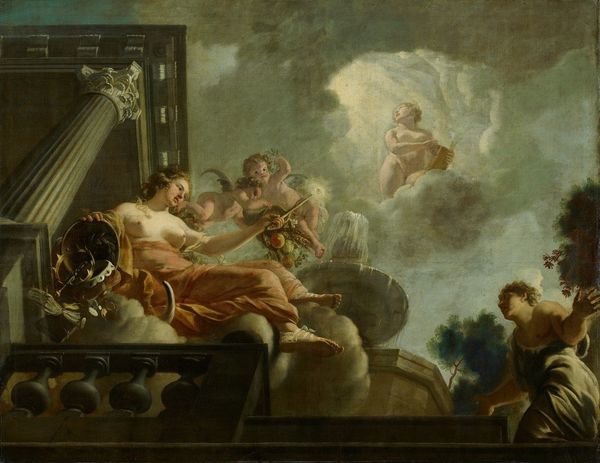
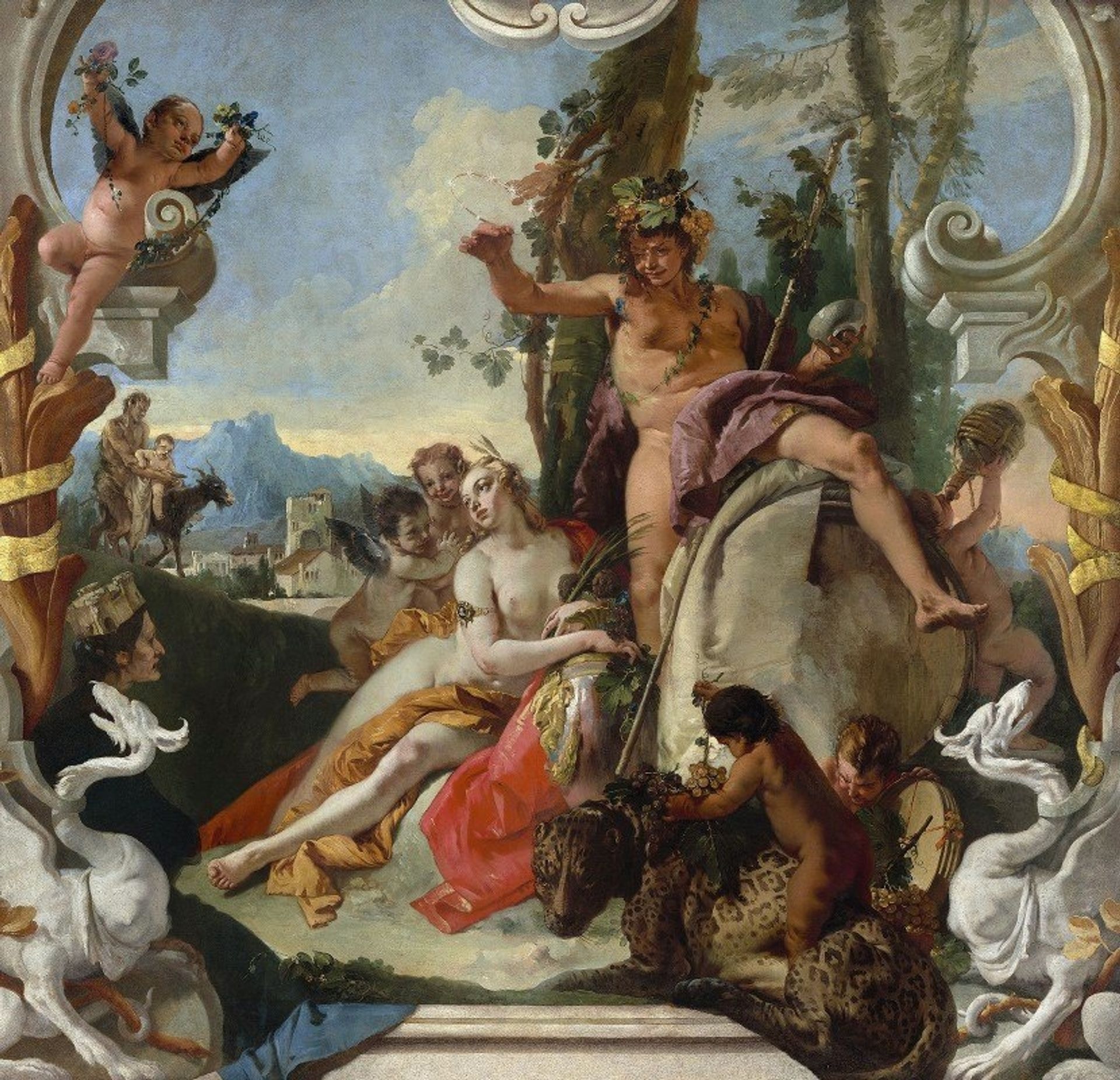
Giovanni Battista Tiepolo created this painting of Bacchus and Ariadne in the 18th century, with oil on canvas. This image shows a scene from classical mythology, a very popular subject for art in Tiepolo’s time. But these paintings were not simply illustrations of old stories. Rather, wealthy patrons commissioned them to signal their own knowledge and refinement. Note the theatrical composition, typical of the Baroque. Tiepolo was a Venetian artist, and Venice was then a major center of trade and a gateway between Europe and the East. His art reflects the city’s prosperity and its cosmopolitan outlook. The painting's overt display of wealth and leisure implicitly endorsed the social hierarchy of the time. To truly understand this work, we can dig into the history of artistic patronage and Venetian society. We have to explore archives, letters, and other period documents to better understand the painting’s place in its world.

Artwork details
- Medium
- painting, oil-paint
- Copyright
- Public Domain: Artvee
Tags
Comments
Share your thoughts
About this artwork
Giovanni Battista Tiepolo created this painting of Bacchus and Ariadne in the 18th century, with oil on canvas. This image shows a scene from classical mythology, a very popular subject for art in Tiepolo’s time. But these paintings were not simply illustrations of old stories. Rather, wealthy patrons commissioned them to signal their own knowledge and refinement. Note the theatrical composition, typical of the Baroque. Tiepolo was a Venetian artist, and Venice was then a major center of trade and a gateway between Europe and the East. His art reflects the city’s prosperity and its cosmopolitan outlook. The painting's overt display of wealth and leisure implicitly endorsed the social hierarchy of the time. To truly understand this work, we can dig into the history of artistic patronage and Venetian society. We have to explore archives, letters, and other period documents to better understand the painting’s place in its world.
Comments
Share your thoughts