before 1862
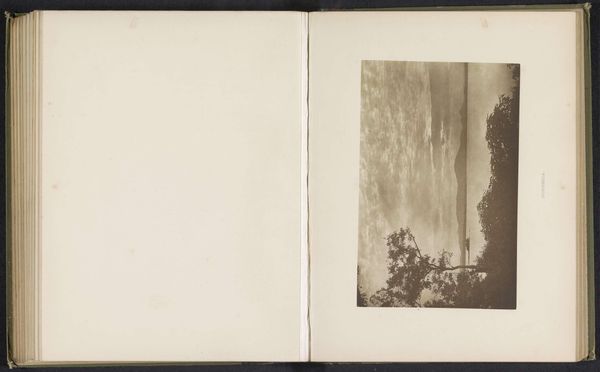
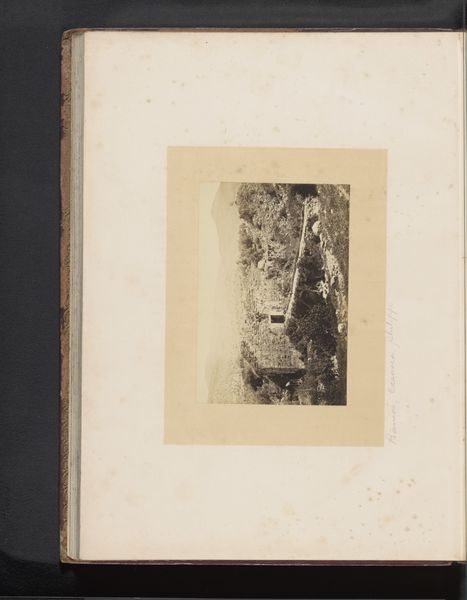
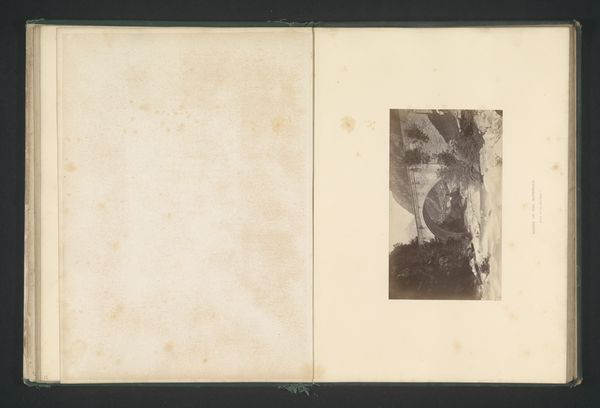
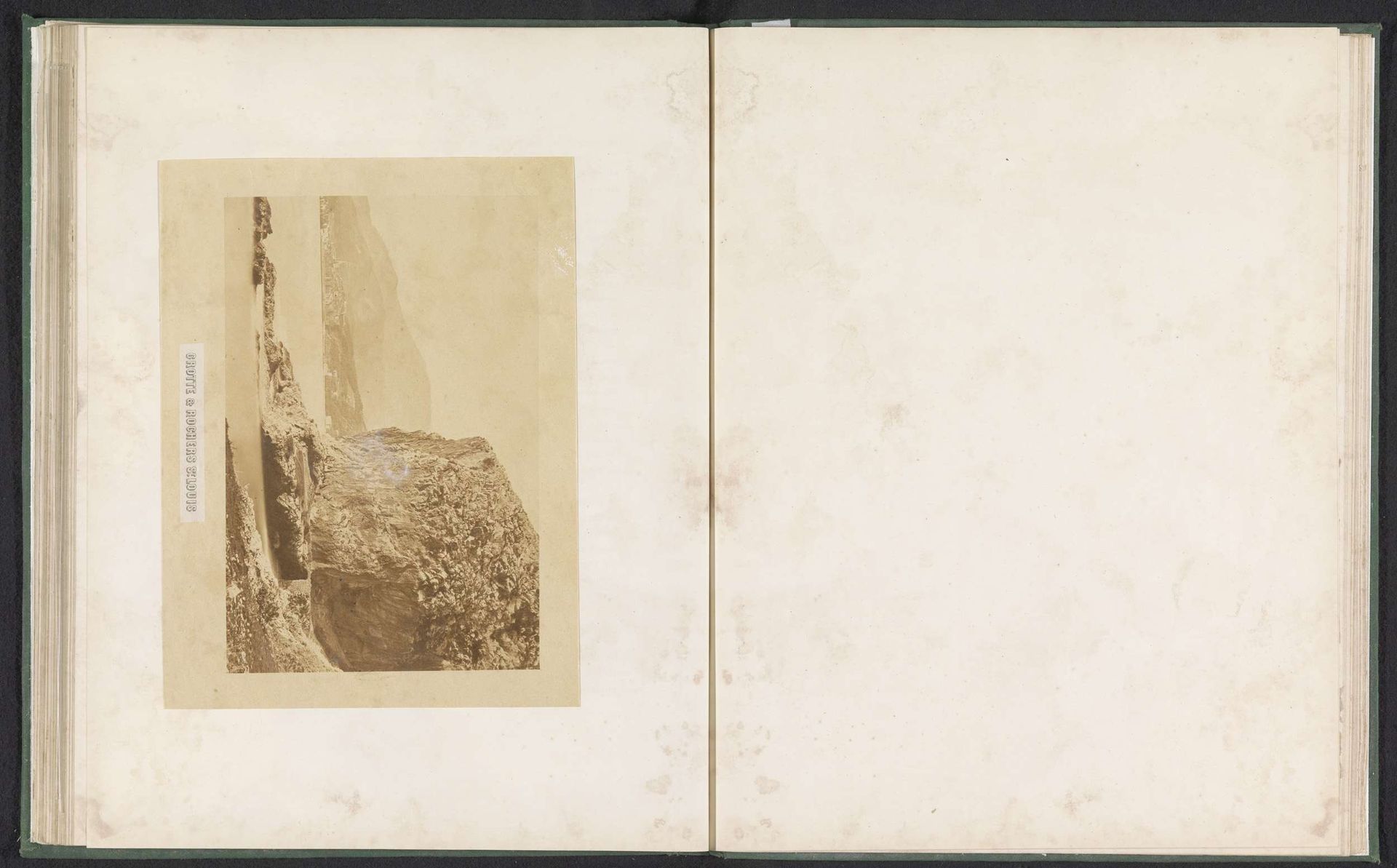
Rotsen langs de kust van Frankrijk

Listen to curator's interpretation
Curatorial notes
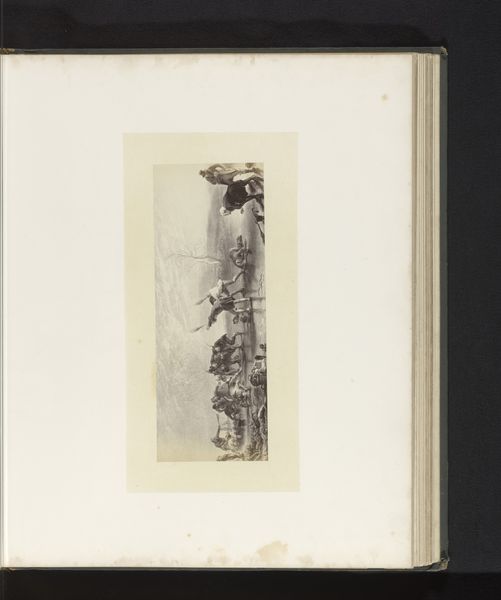
This albumen print of rocks along the French coast was created by Louis-Alphonse Davanne, a 19th-century French chemist and photographer. Davanne, an expert in photographic chemistry, likely used a glass negative to produce this image. The albumen process, involving coating paper with egg white and silver nitrate, creates a glossy surface and fine detail. Notice the textures captured here - the rough, weathered surfaces of the rocks, and the play of light and shadow. Photography in this era involved a complex series of chemical processes, from preparing the light-sensitive materials to developing and printing the final image. Unlike painting or sculpture, photography's reliance on technology and chemistry highlights the role of industrial processes in artmaking. It's a reminder that even seemingly straightforward images are the result of a complex interplay between artistic vision and technical skill, and the transformation of humble raw materials through precise labor.