About this artwork
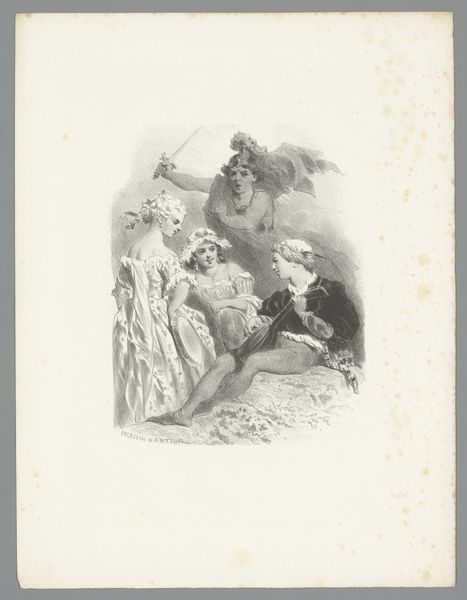
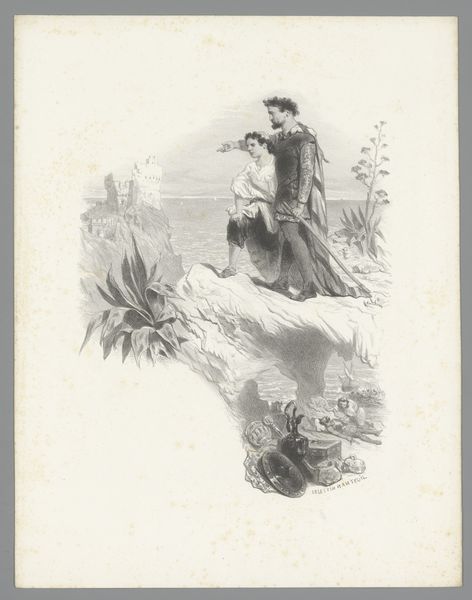
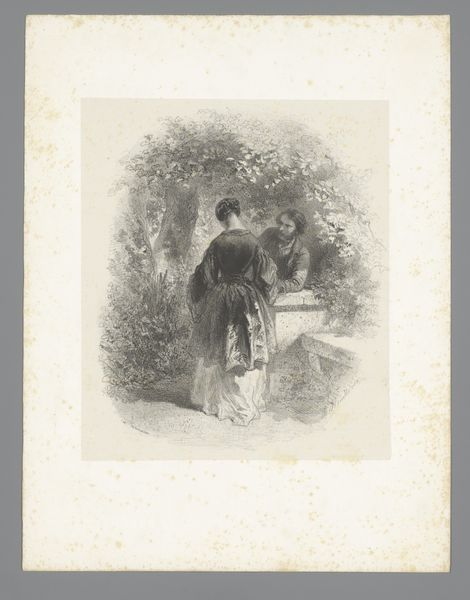
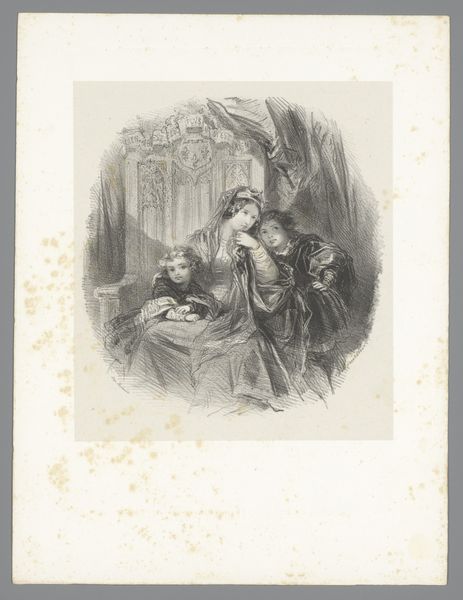
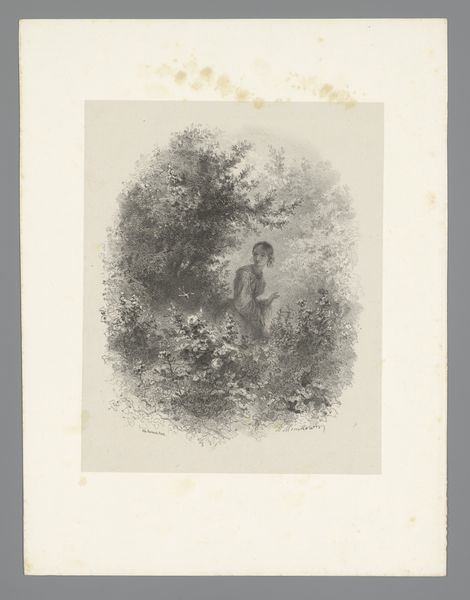
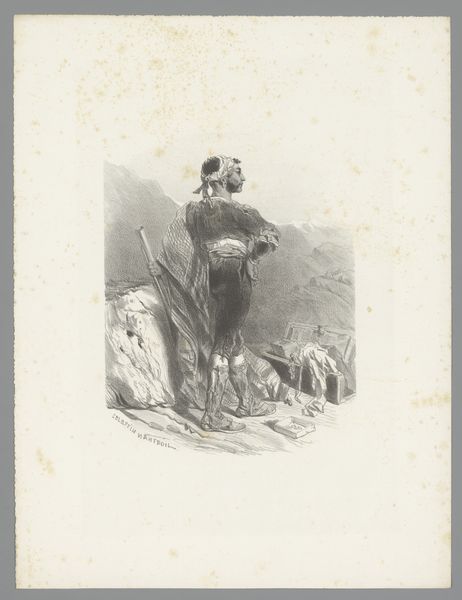
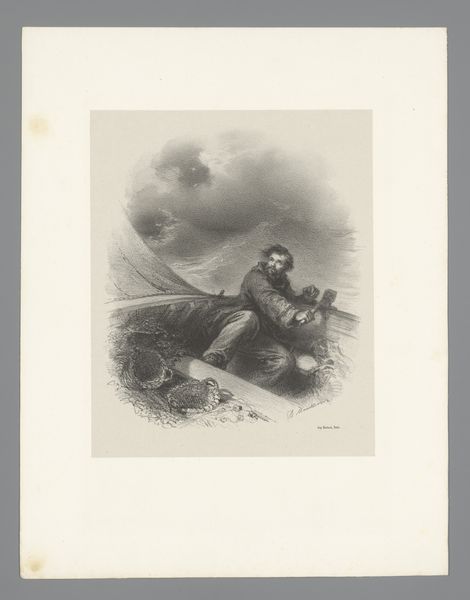
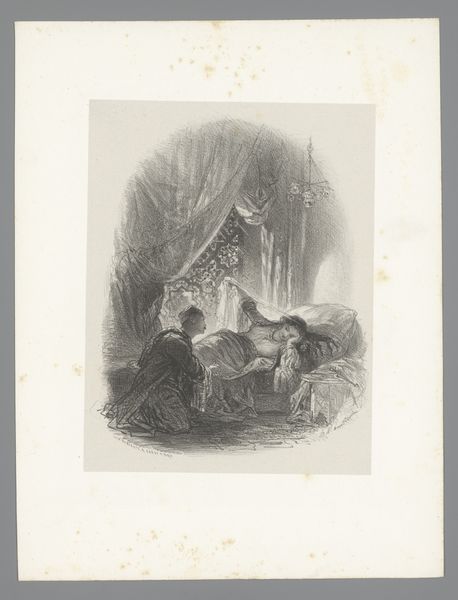
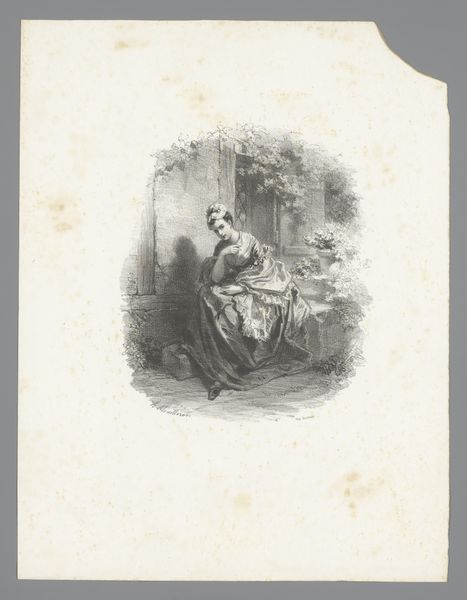
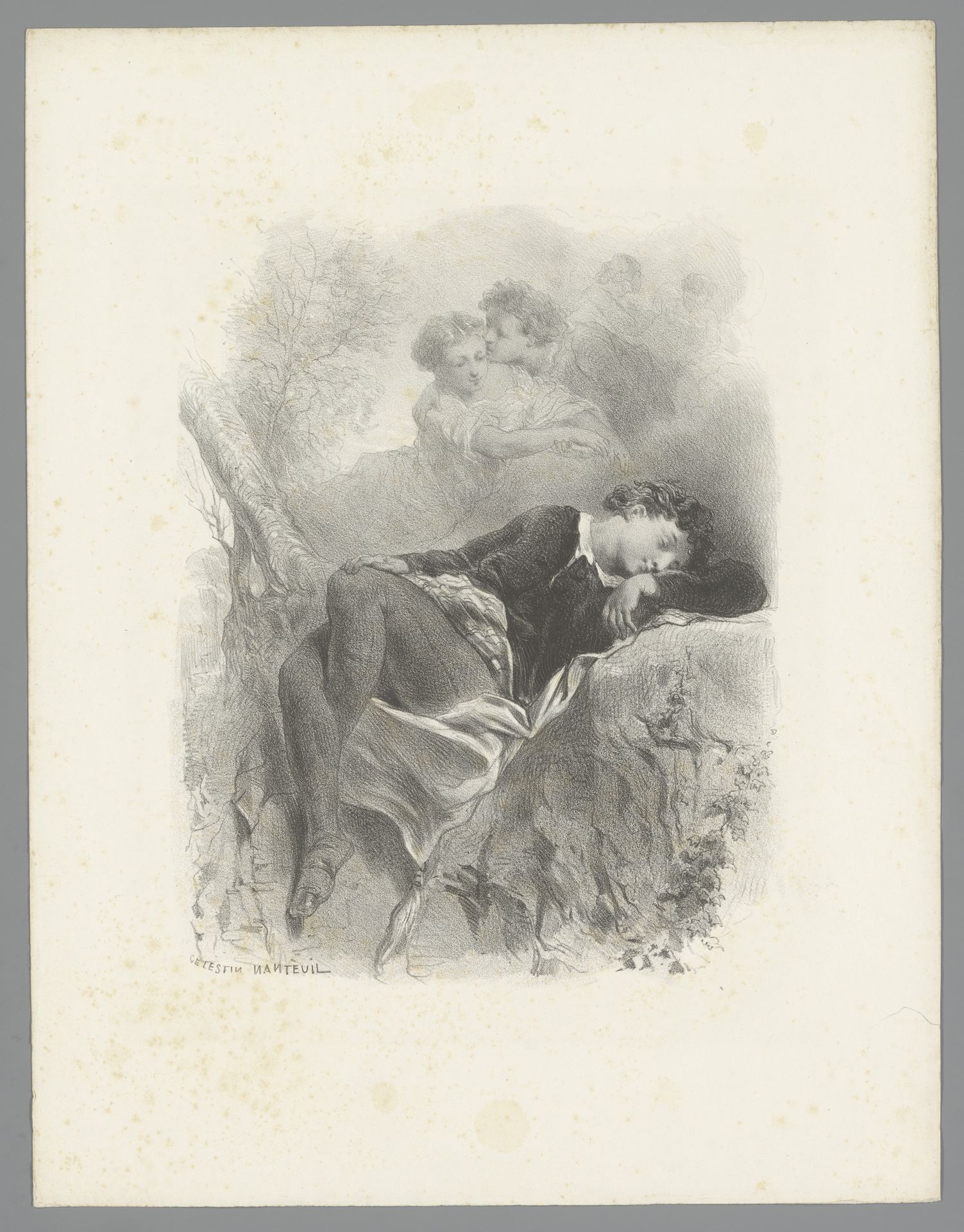
Célestin Nanteuil created this print, *Dreaming Boy in Nature,* using lithography sometime in the mid-19th century. The image shows a young man sleeping, dreaming of love in the form of two young women. Lithography is a planographic process, meaning that the printing surface is flat. An image is drawn on a stone or metal plate with a greasy crayon, and then treated with chemicals so that only the drawn areas will hold ink. The printmaker would have needed a very steady hand to achieve the subtle gradations of tone that you see here, and the rather soft overall effect. Lithography was widely adopted in the 19th century for commercial printing and artistic applications alike. Its relative ease and speed allowed for mass production of images, contributing to a visual culture that was increasingly democratized. Nanteuil, while trained as a painter, embraced this printmaking technique, suggesting the growing importance of graphic media.

Artwork details
- Medium
- drawing, pencil
- Dimensions
- height 360 mm, width 278 mm
- Copyright
- Rijks Museum: Open Domain
Tags
Comments
Share your thoughts
About this artwork
Célestin Nanteuil created this print, *Dreaming Boy in Nature,* using lithography sometime in the mid-19th century. The image shows a young man sleeping, dreaming of love in the form of two young women. Lithography is a planographic process, meaning that the printing surface is flat. An image is drawn on a stone or metal plate with a greasy crayon, and then treated with chemicals so that only the drawn areas will hold ink. The printmaker would have needed a very steady hand to achieve the subtle gradations of tone that you see here, and the rather soft overall effect. Lithography was widely adopted in the 19th century for commercial printing and artistic applications alike. Its relative ease and speed allowed for mass production of images, contributing to a visual culture that was increasingly democratized. Nanteuil, while trained as a painter, embraced this printmaking technique, suggesting the growing importance of graphic media.
Comments
Share your thoughts