before 1896
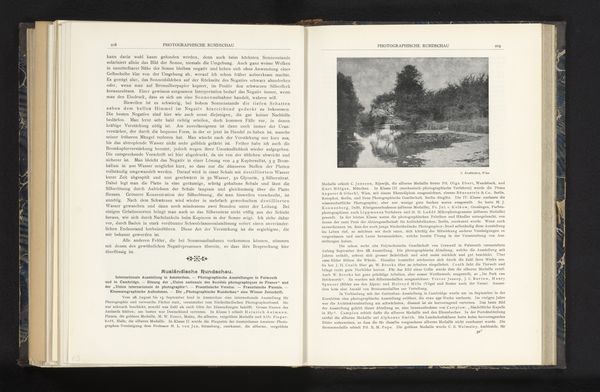
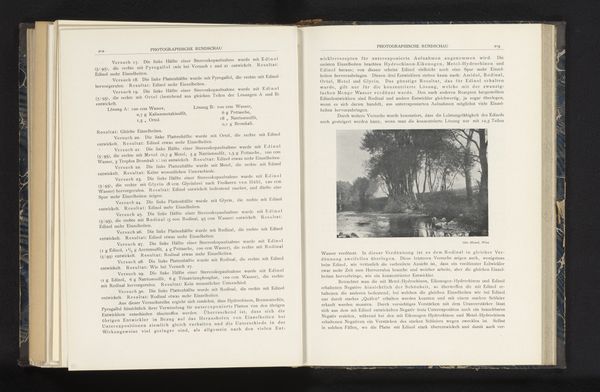
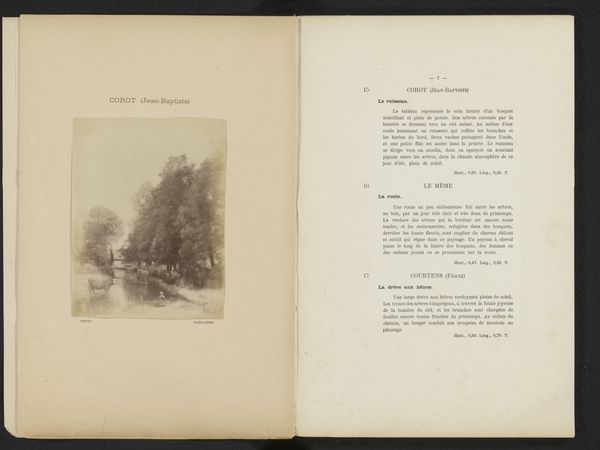
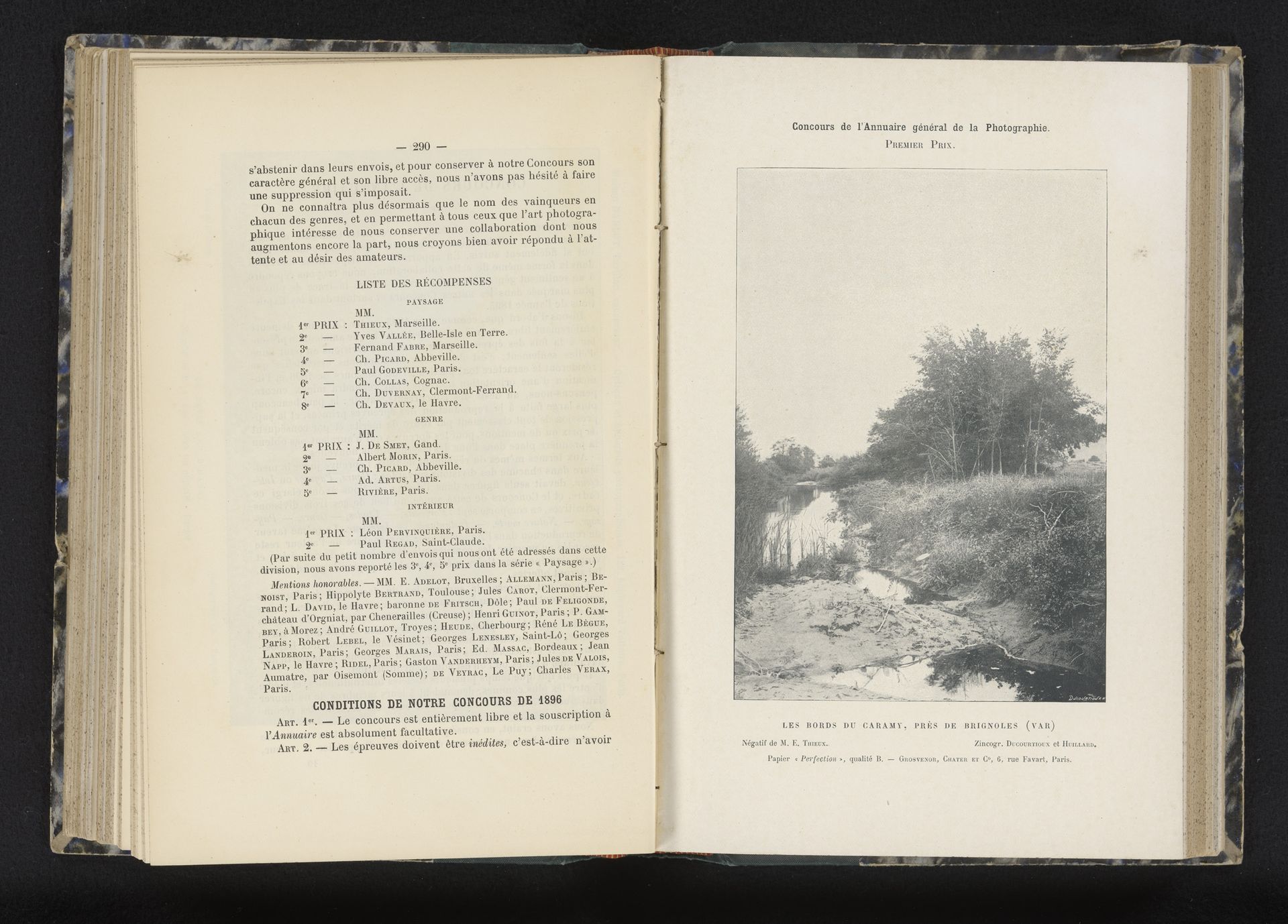
Gezicht op de rivier Caramy bij Brignoles, Frankrijk

Listen to curator's interpretation
Curatorial notes
Editor: Here we have “Gezicht op de rivier Caramy bij Brignoles, Frankrijk,” a landscape artwork, predating 1896, by E. Thieux. The image presents a tranquil scene, yet there’s a certain stillness, almost melancholy, to it. What do you see in this piece, considering the historical and social context it emerges from? Curator: This image, while seemingly a straightforward landscape, speaks volumes about the socio-political climate of its time. Think about the late 19th century—a period marked by rapid industrialization and urbanization. Landscapes like this one become powerful symbols. Editor: In what sense? Curator: It acts almost as a form of resistance to the sweeping changes; a yearning for simpler, agrarian ideals. Consider that the art world was primarily male-dominated and focused on subjects of wealth or power. A simple river scene in the French countryside then, takes on an introspective and intimate rebellion against prevailing social standards. Do you think this sentiment translates through the image? Editor: I think so. The understated, almost vulnerable nature of the scenery stands in sharp contrast to the bombastic art being celebrated at the time. Curator: Exactly. It asks us to value the everyday, the overlooked. Perhaps the artist—by depicting a river flowing at its own pace, in a space removed from the industrialized cityscape—was trying to articulate an unspoken need for something different. Editor: I had never thought of it that way. So even a quiet landscape can engage in societal critique. Curator: Absolutely. And by doing so, they open spaces of inclusion for other points of view, lived experiences that move against the grain.