1868 - 1900
Portret van een man

Listen to curator's interpretation
Curatorial notes
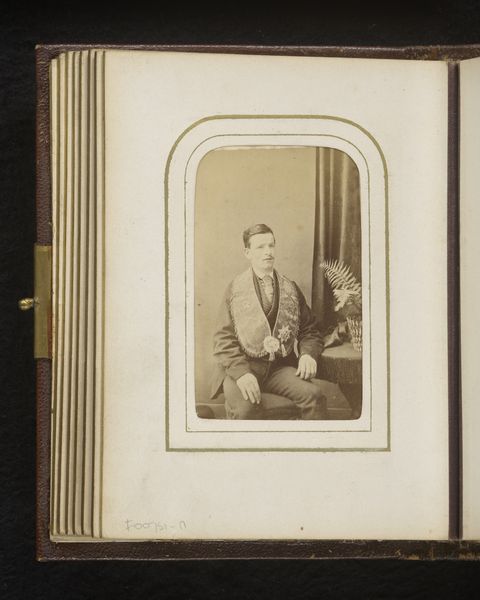
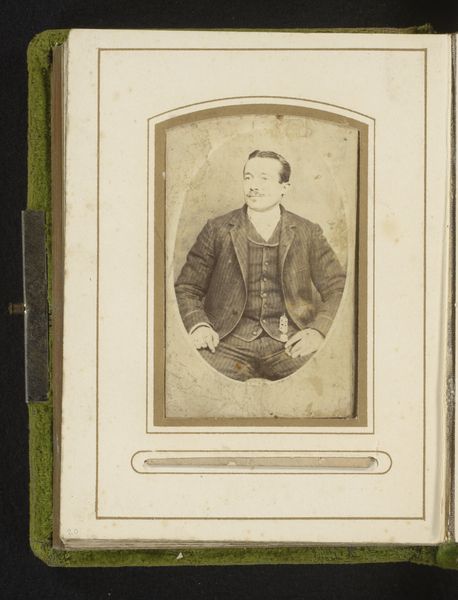
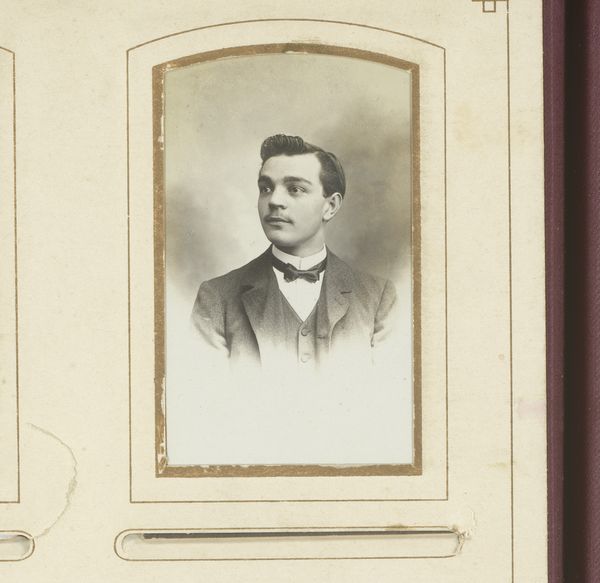
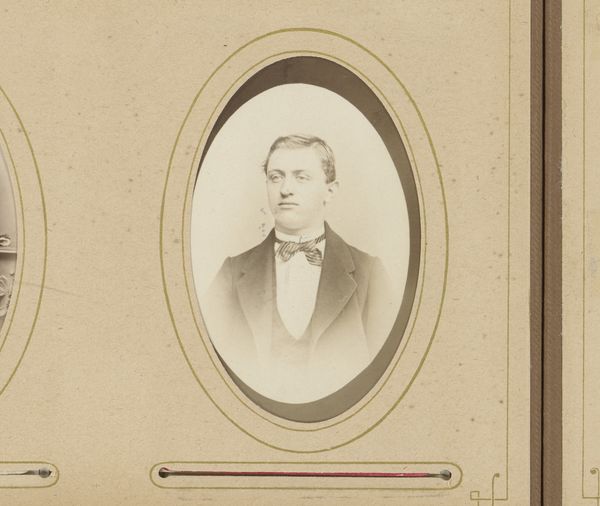
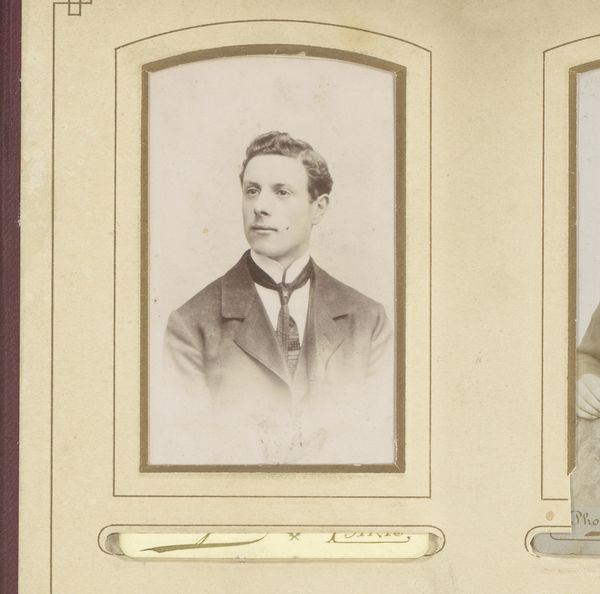
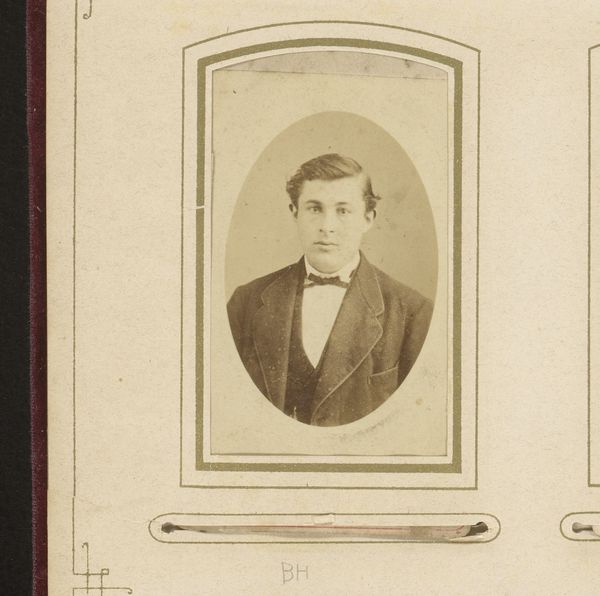
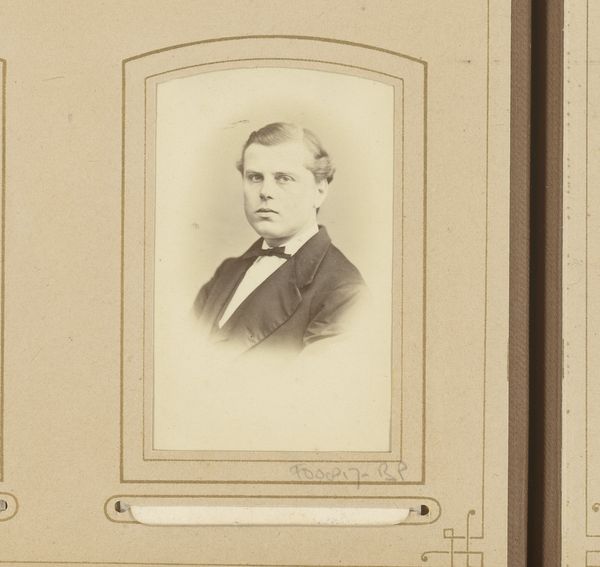
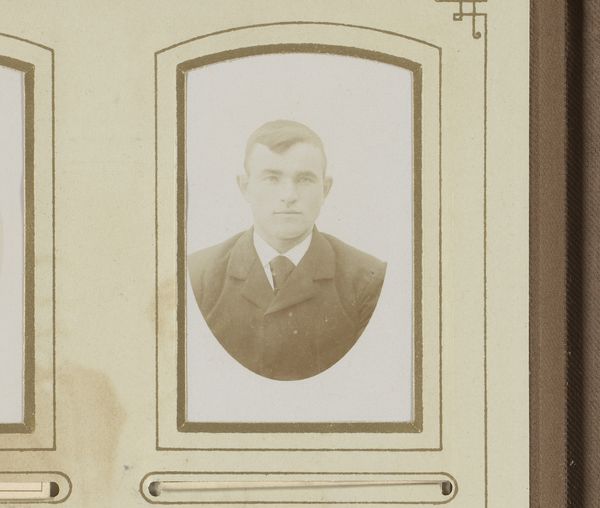
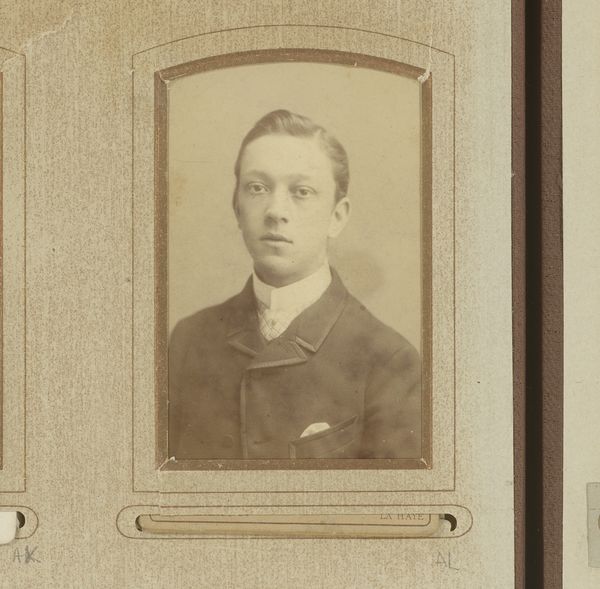
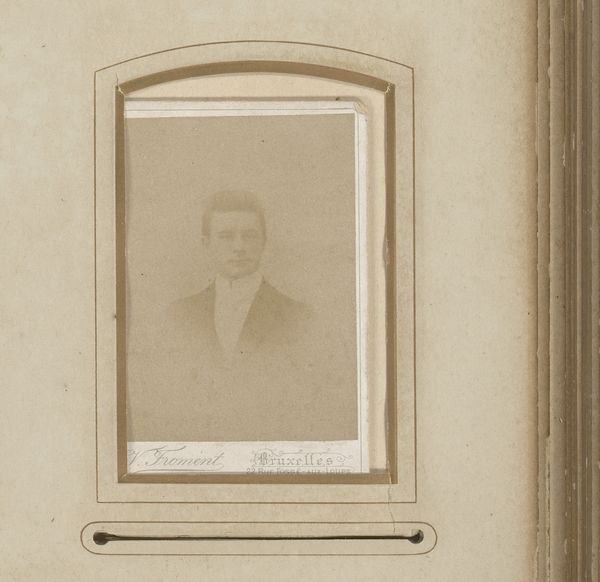
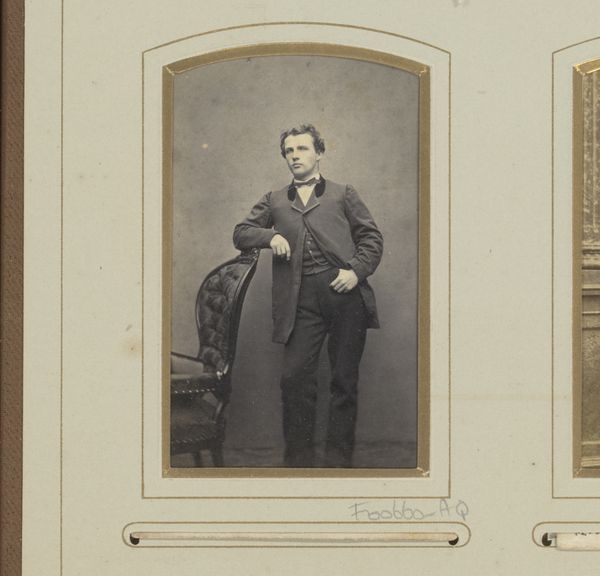
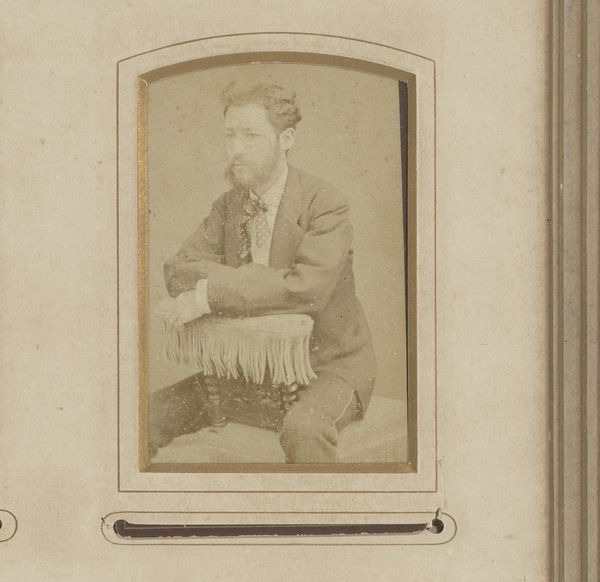
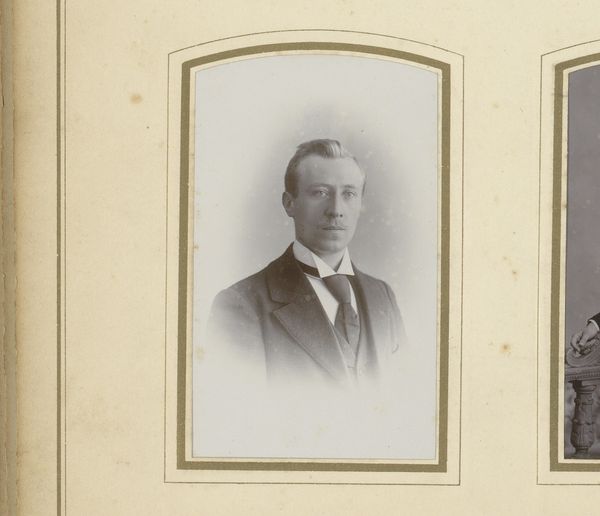
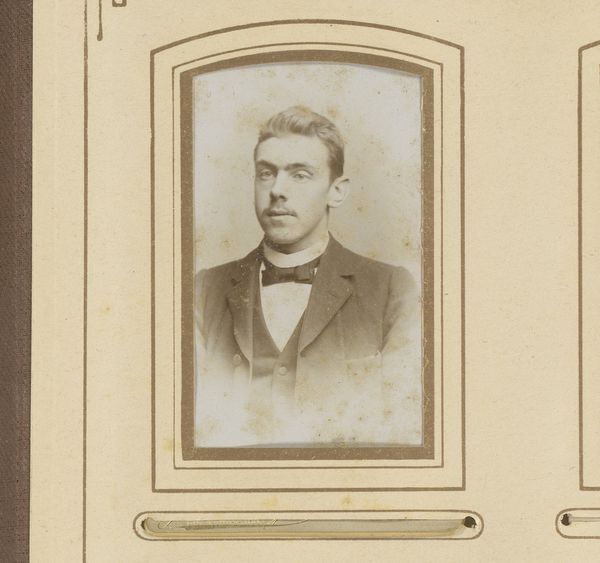
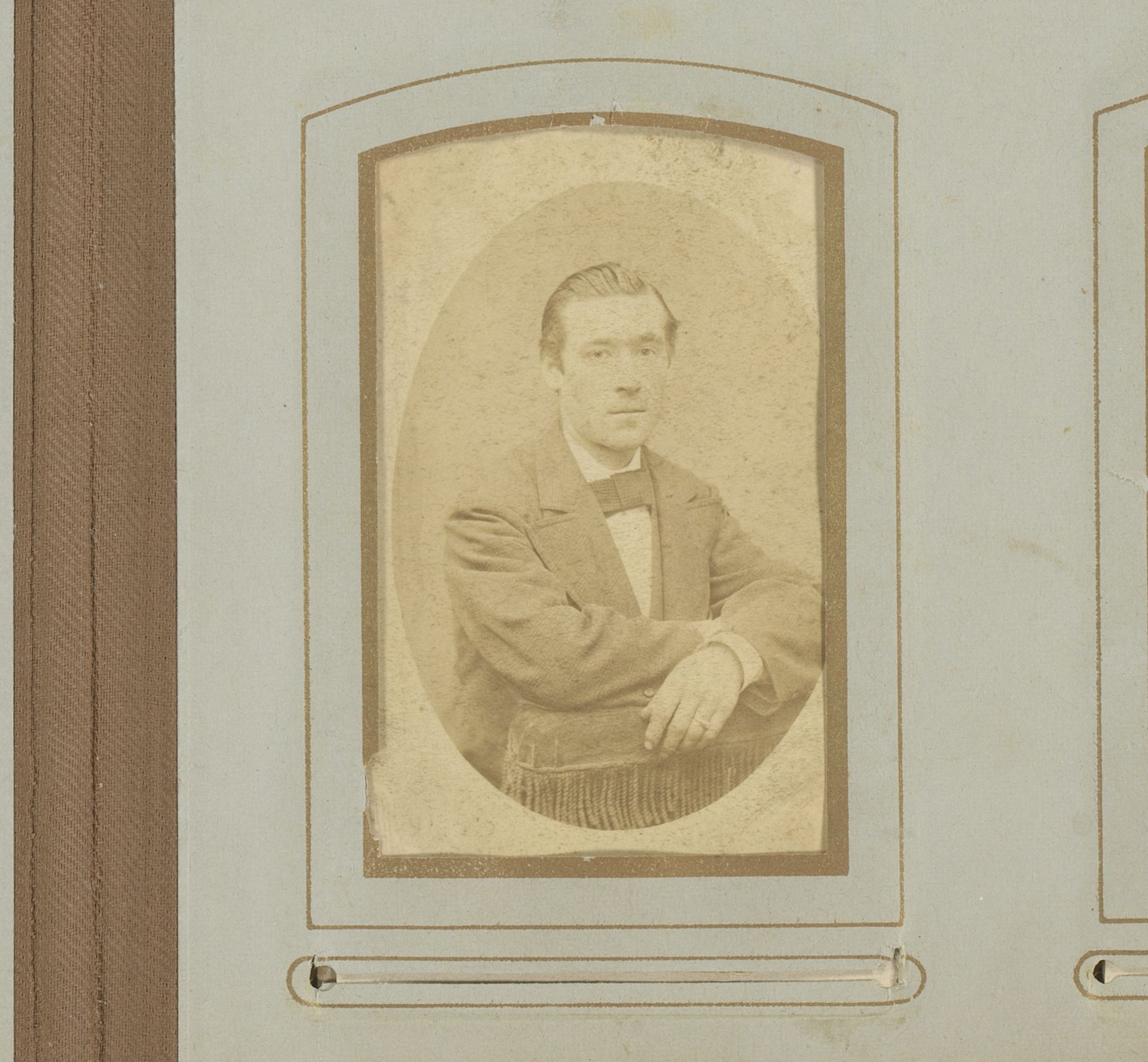
This photographic portrait was made by Hermanus Jodocus Weesing, likely near the end of the 19th century. Printed on paper, these types of photographs were known as carte-de-visite, or visiting cards, and were very popular at the time. The photographic technique itself was a feat of industrial chemistry, making images accessible to a wider population. With advances in manufacturing and distribution, the carte-de-visite became a global phenomenon, connecting individuals across social classes through a shared visual culture. This particular portrait, with its sepia tones and somewhat formal composition, reflects the social conventions of the time. While photography democratized image-making, posing and dress codes still signaled social standing. The man's suit, the carefully arranged pose – all speak to a desire for self-presentation. Ultimately, this small object reminds us that even seemingly simple images are deeply embedded in the historical, material, and social conditions of their making.