About this artwork
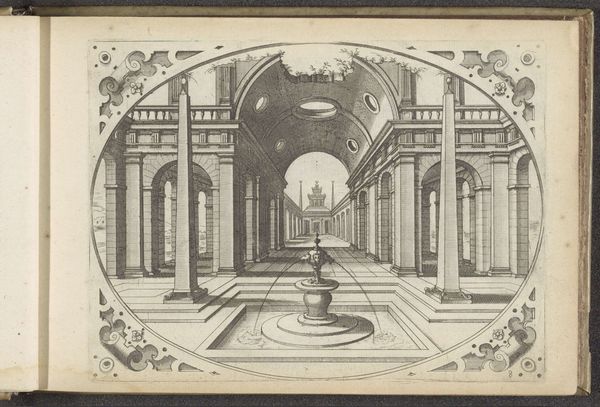
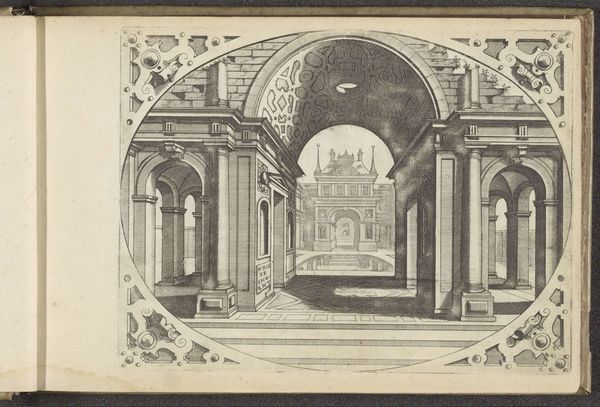
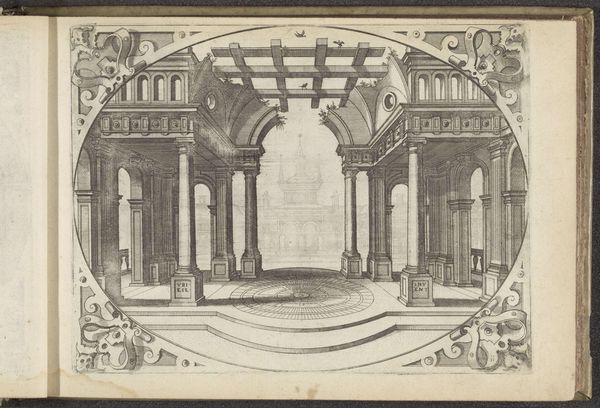
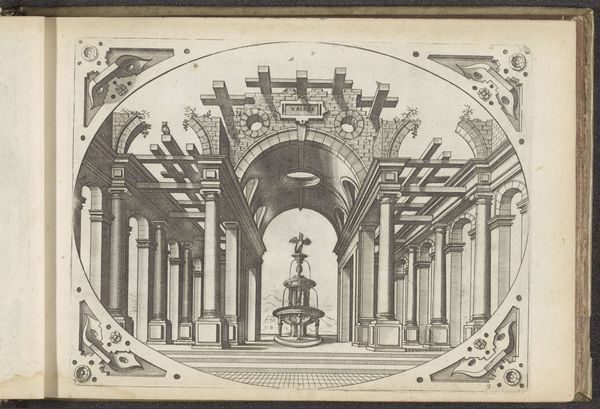
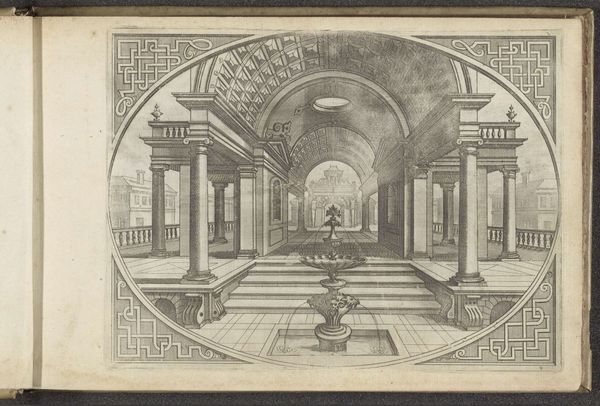
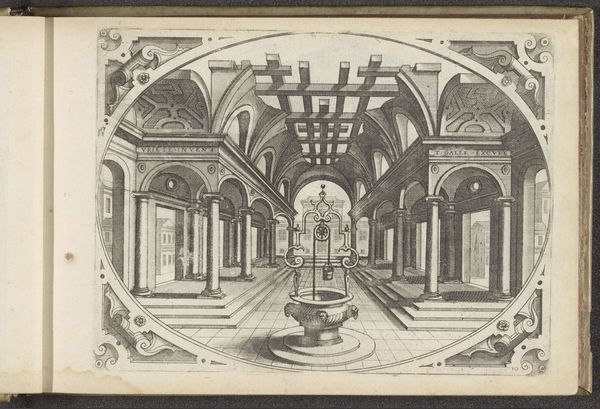
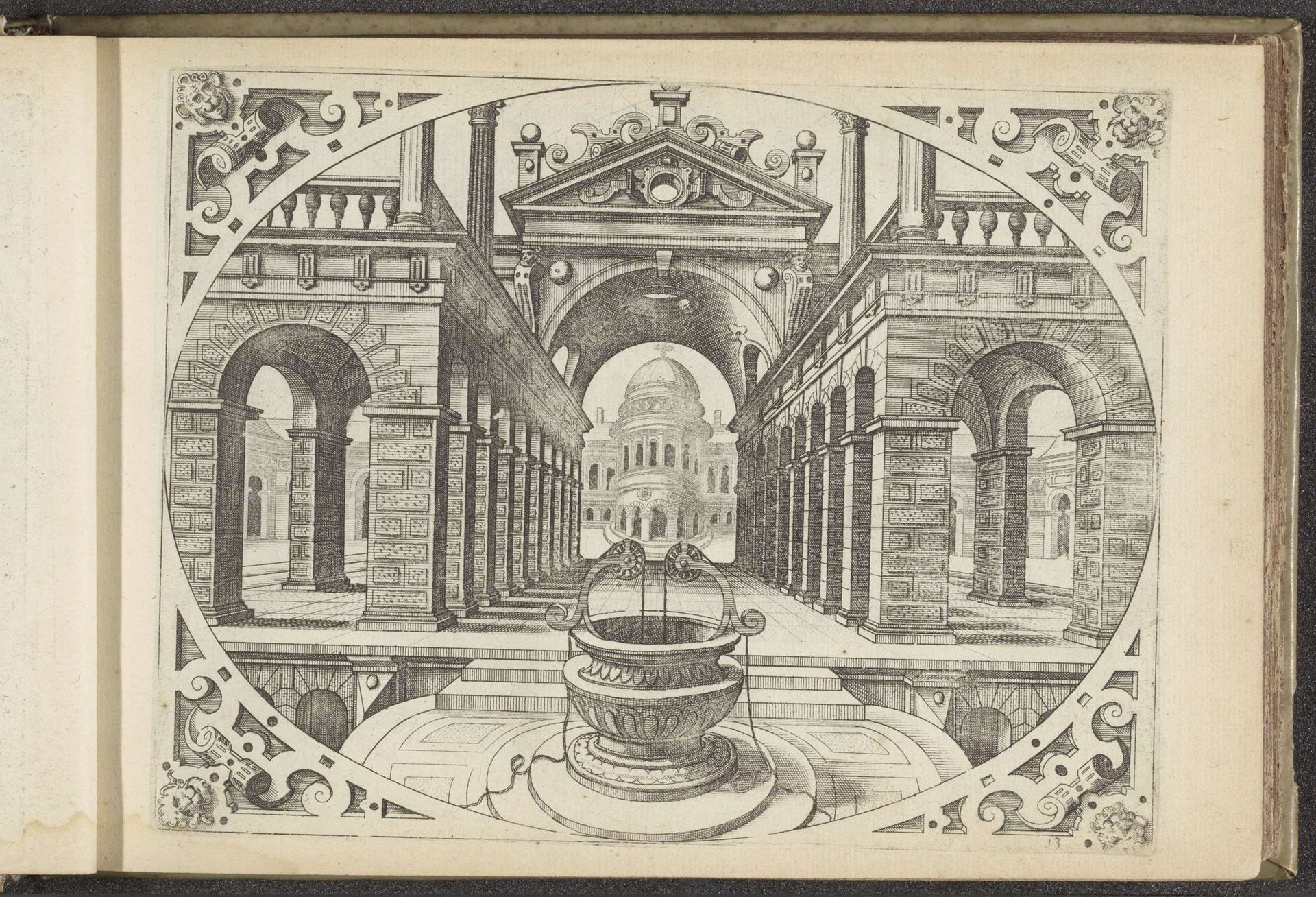
This street view, with colonnades and a well, was etched by Johannes or Lucas van Doetechum in the Netherlands. While undated, the print reflects a period of significant urban development and artistic interest in perspective. The symmetrical composition emphasizes classical architectural elements. In the 16th century, the Dutch Republic was experiencing rapid economic growth and urbanization, with cities like Amsterdam becoming major trade centers. This print reflects the growing interest in civic planning and the construction of public spaces. The well in the foreground, a source of communal life, suggests the importance of shared resources in a burgeoning urban environment. To understand this work more fully, one might look at city plans and architectural treatises of the period, as well as records of municipal projects and expenditures. Such historical contextualization helps us to appreciate how art both reflects and shapes the social conditions of its time.
Gezicht in een straat met colonnades aan weerszijden en een waterput op de voorgrond
1560 - 1601

Johannes of Lucas van Doetechum
@johannesoflucasvandoetechumLocation
RijksmuseumArtwork details
- Medium
- drawing, etching, paper, ink, engraving, architecture
- Dimensions
- height 164 mm, width 214 mm
- Location
- Rijksmuseum
- Copyright
- Rijks Museum: Open Domain
Tags
Comments
Share your thoughts
About this artwork
This street view, with colonnades and a well, was etched by Johannes or Lucas van Doetechum in the Netherlands. While undated, the print reflects a period of significant urban development and artistic interest in perspective. The symmetrical composition emphasizes classical architectural elements. In the 16th century, the Dutch Republic was experiencing rapid economic growth and urbanization, with cities like Amsterdam becoming major trade centers. This print reflects the growing interest in civic planning and the construction of public spaces. The well in the foreground, a source of communal life, suggests the importance of shared resources in a burgeoning urban environment. To understand this work more fully, one might look at city plans and architectural treatises of the period, as well as records of municipal projects and expenditures. Such historical contextualization helps us to appreciate how art both reflects and shapes the social conditions of its time.
Comments
Share your thoughts