About this artwork
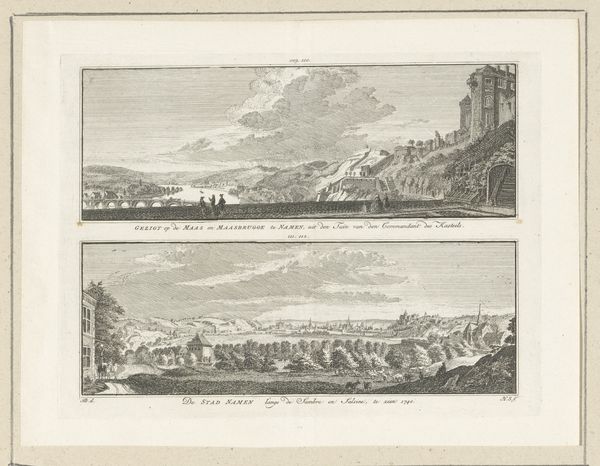
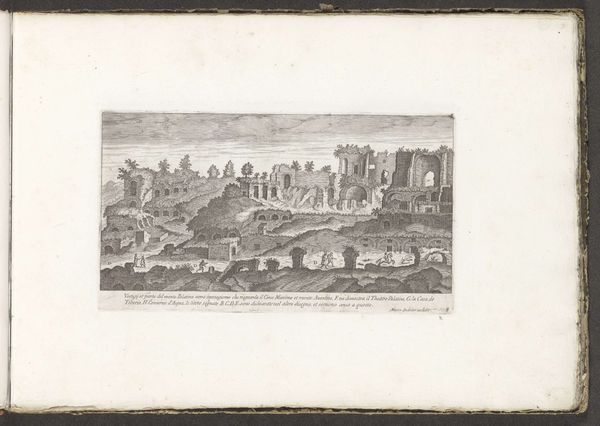
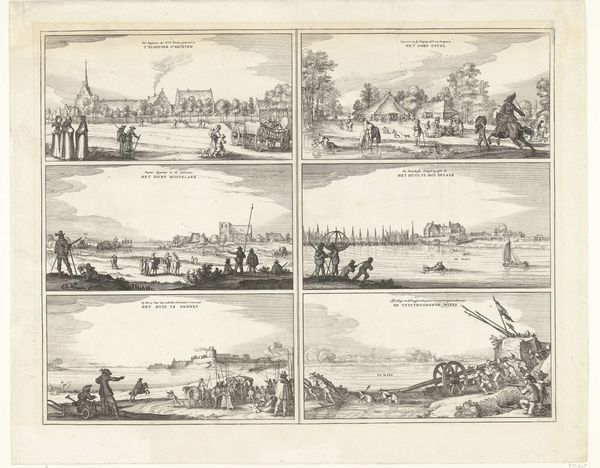
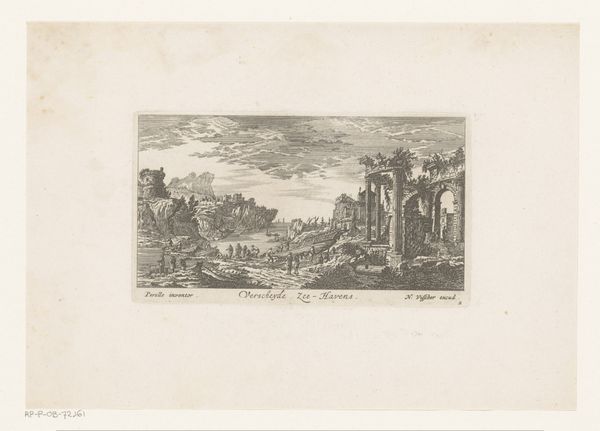
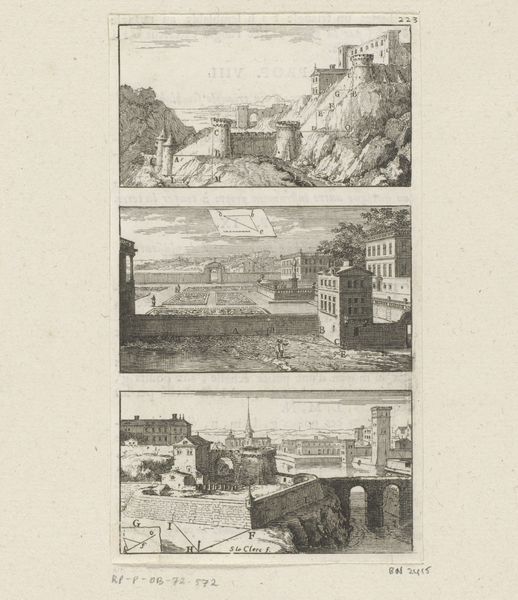
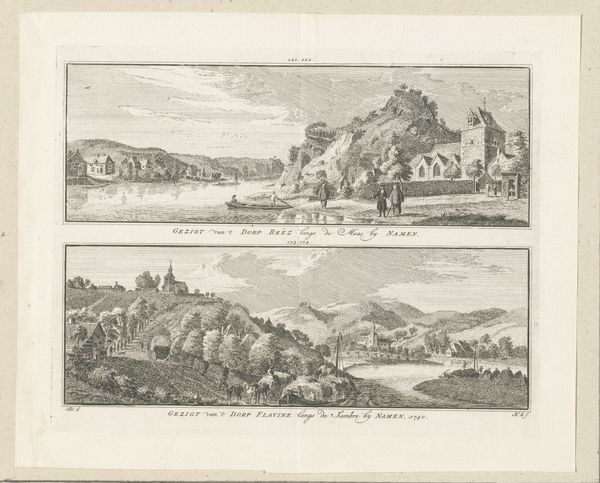
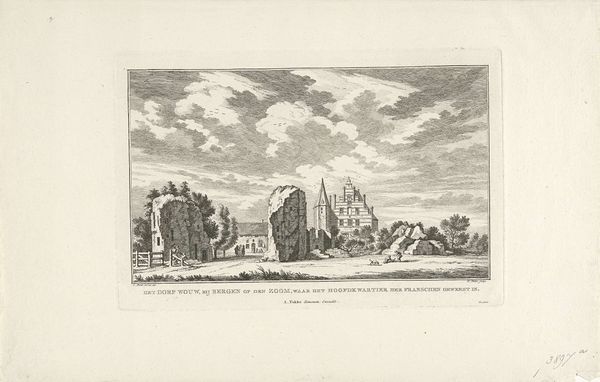
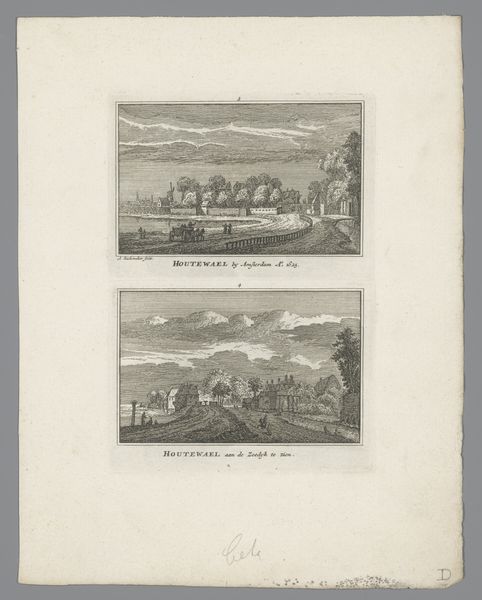
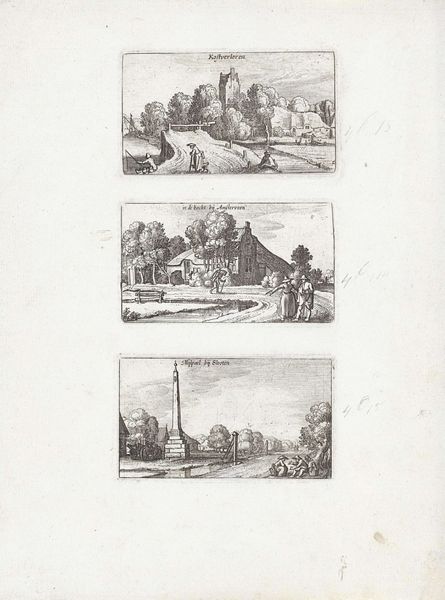
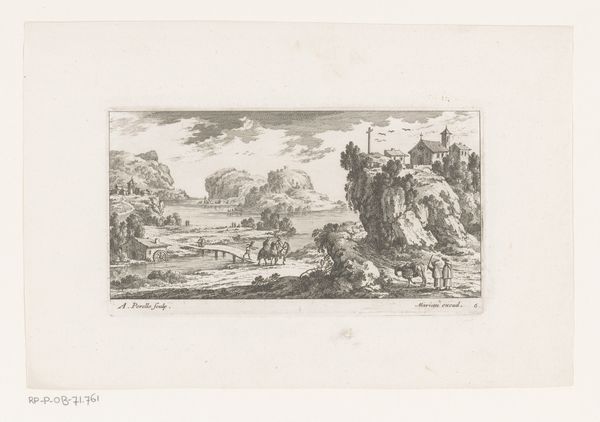
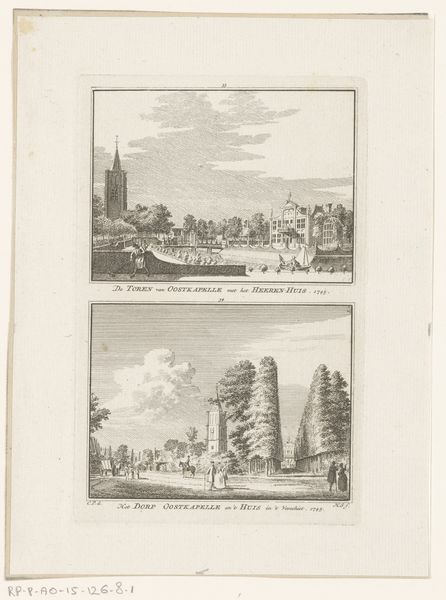
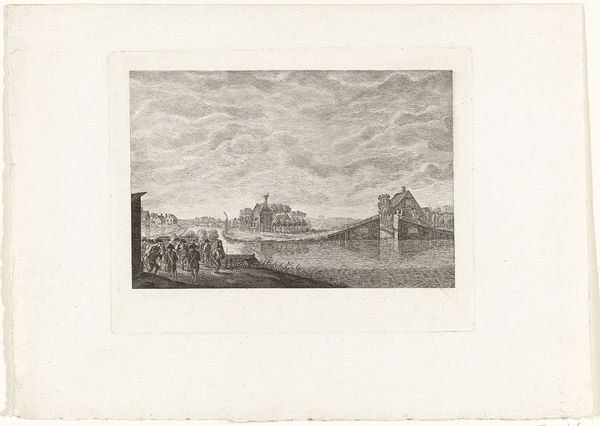
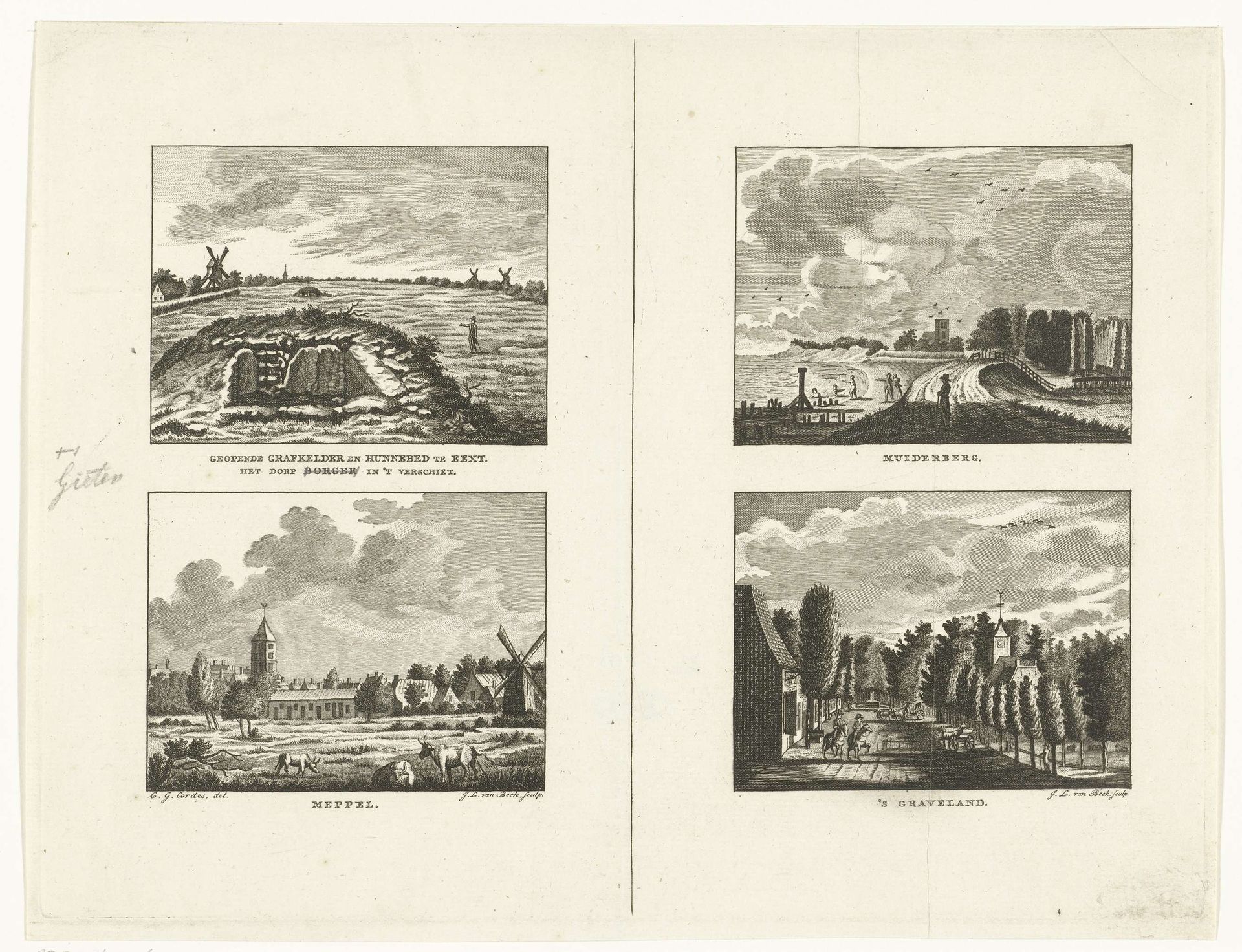
Jan Lucas van der Beek created these four landscape etchings of Eext, Muiderberg, Meppel, and 's-Graveland. The composition is neatly organized into four quadrants, each presenting a distinct vista. Observe how van der Beek employs a consistent formal structure across the images, yet infuses each with unique characteristics. Notice the intricate linework and tonal gradations achieved through etching. The subtle contrasts of light and shadow evoke a sense of depth. Semiotically, each landscape becomes a signifier of place, yet they also resonate with broader cultural and philosophical concerns of the time. The landscapes invite contemplation on the interplay between nature and human activity. The artist captures the quiet essence of each location, each offering a distinct experience. Consider how the artist uses the medium of etching to represent the relationship between form and meaning. The lines demarcate not just physical space but also cultural and historical contexts, opening up a dialogue on the ways in which we perceive and construct our environment.
Vier landschappen met gezichten te Eext met hunnebed, Muiderberg, Meppel en 's-Graveland
1763 - 1818

Jan Lucas van der Beek
1753 - 1818Location
RijksmuseumArtwork details
- Medium
- print, engraving
- Dimensions
- height 219 mm, width 290 mm
- Location
- Rijksmuseum
- Copyright
- Rijks Museum: Open Domain
Tags
Comments
Share your thoughts
About this artwork
Jan Lucas van der Beek created these four landscape etchings of Eext, Muiderberg, Meppel, and 's-Graveland. The composition is neatly organized into four quadrants, each presenting a distinct vista. Observe how van der Beek employs a consistent formal structure across the images, yet infuses each with unique characteristics. Notice the intricate linework and tonal gradations achieved through etching. The subtle contrasts of light and shadow evoke a sense of depth. Semiotically, each landscape becomes a signifier of place, yet they also resonate with broader cultural and philosophical concerns of the time. The landscapes invite contemplation on the interplay between nature and human activity. The artist captures the quiet essence of each location, each offering a distinct experience. Consider how the artist uses the medium of etching to represent the relationship between form and meaning. The lines demarcate not just physical space but also cultural and historical contexts, opening up a dialogue on the ways in which we perceive and construct our environment.
Comments
Share your thoughts