About this artwork
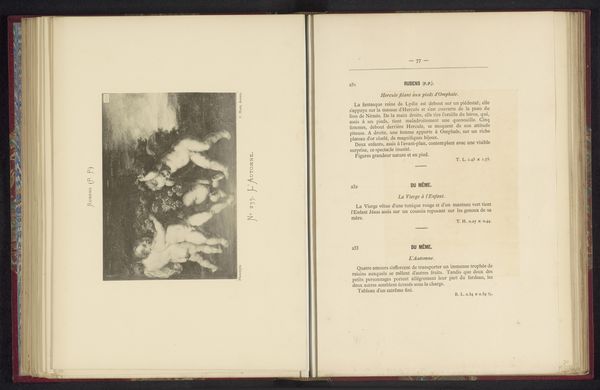
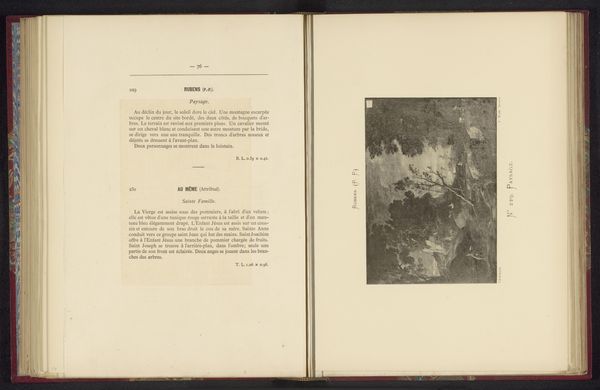
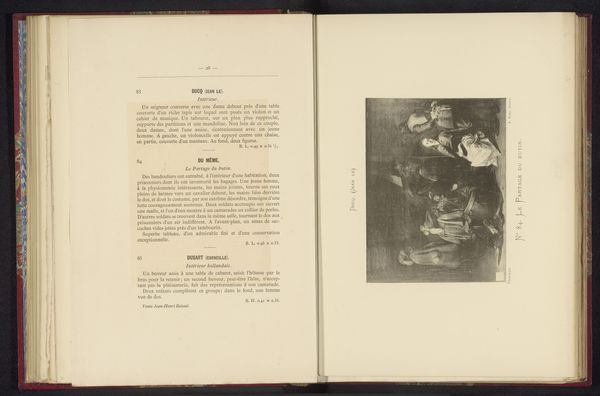
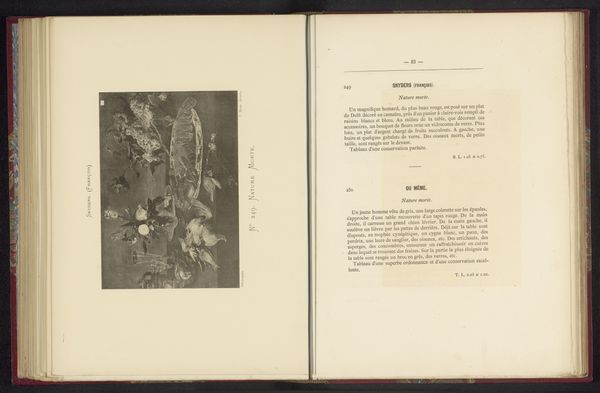
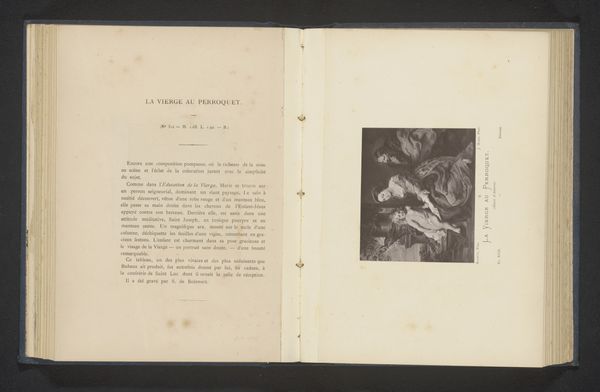
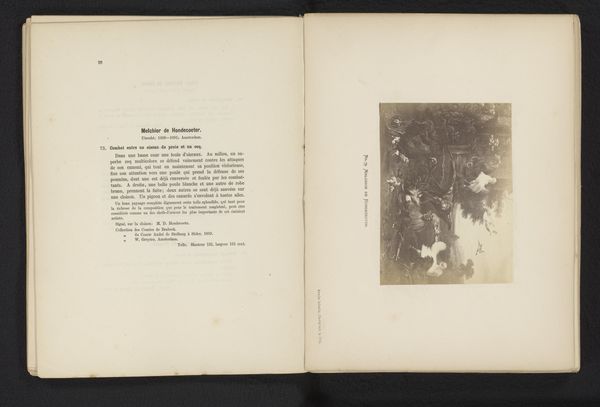
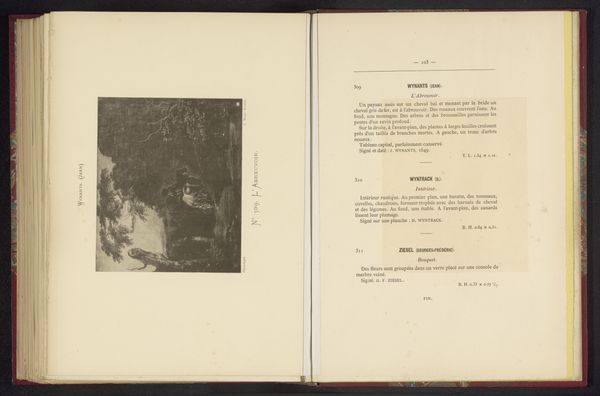
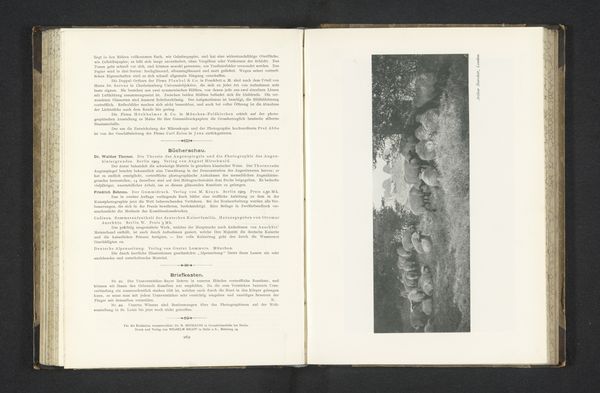
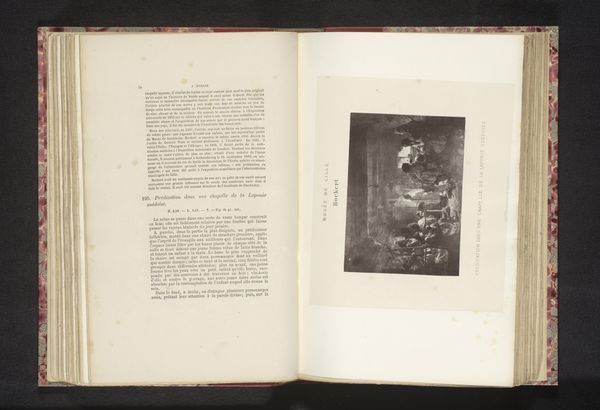
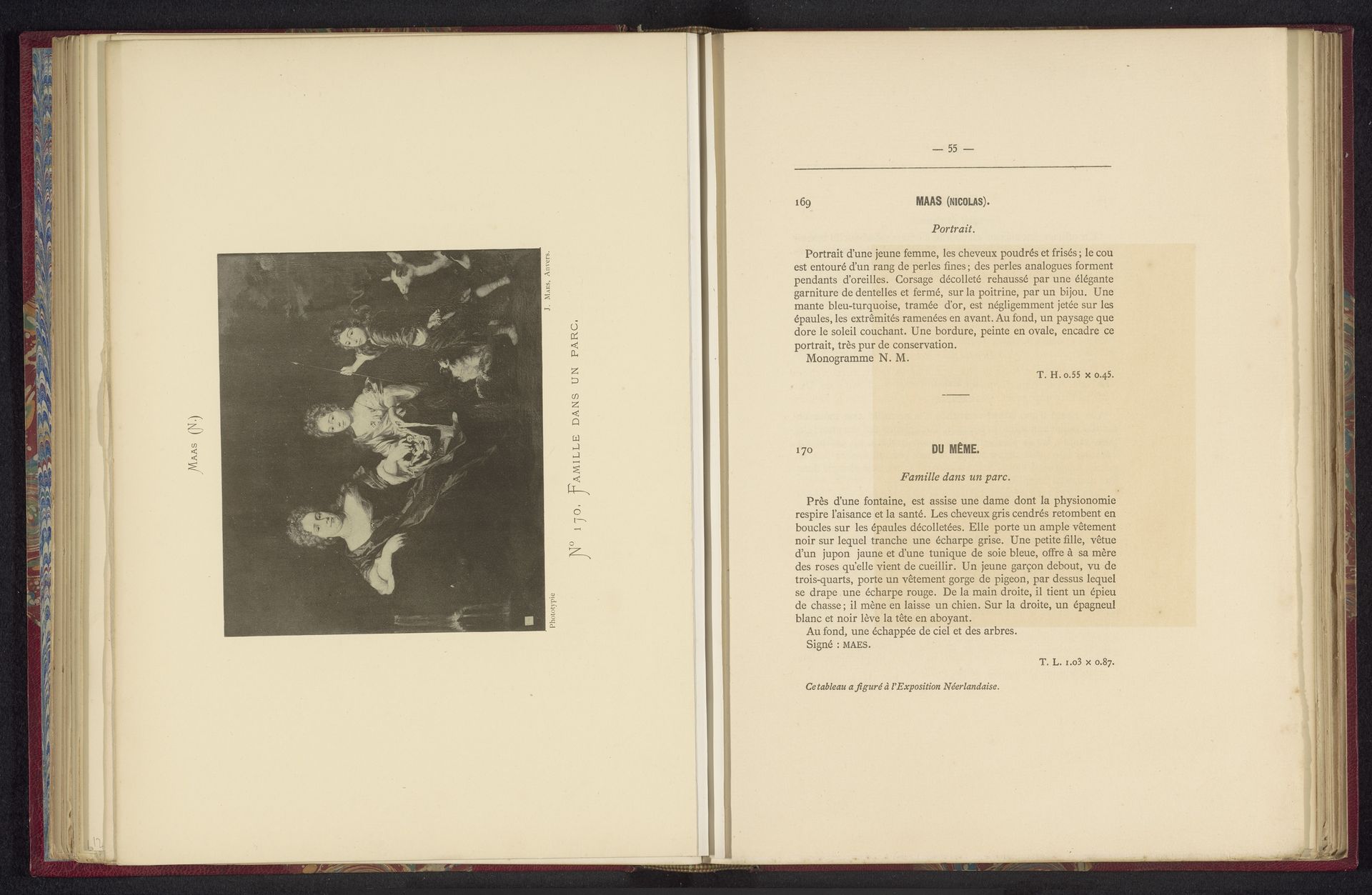
This is Joseph Maes’ reproduction of an earlier group portrait by Nicolaes Maes, rendered at an unknown date, using unknown materials. The hazy, dreamlike monochrome image depicts a woman, probably a mother, with several children in a park setting. This reproduction captures a domestic intimacy that, in its time, was often idealized but not always accessible to women across different classes. Consider the historical context: as family structures evolved, the image of the mother caring for her children became a potent symbol of domesticity and moral virtue. Maes' artwork prompts us to consider the emotional weight of familial expectations, particularly on women. Does this image offer a moment of serene connection, or does it hint at the pressures and constraints placed on women within the domestic sphere? It encourages us to reflect on the complex interplay between identity, representation, and lived experience.
Reproductie van een geschilderd groepsportret van een onbekende vrouw met vermoedelijk haar kinderen van Nicolaes Maes before 1883

Artwork details
- Medium
- Dimensions
- height 122 mm, width 144 mm
- Copyright
- Rijks Museum: Open Domain
Tags
portrait
aged paper
mother
dutch-golden-age
group-portraits
Comments
No comments
About this artwork
This is Joseph Maes’ reproduction of an earlier group portrait by Nicolaes Maes, rendered at an unknown date, using unknown materials. The hazy, dreamlike monochrome image depicts a woman, probably a mother, with several children in a park setting. This reproduction captures a domestic intimacy that, in its time, was often idealized but not always accessible to women across different classes. Consider the historical context: as family structures evolved, the image of the mother caring for her children became a potent symbol of domesticity and moral virtue. Maes' artwork prompts us to consider the emotional weight of familial expectations, particularly on women. Does this image offer a moment of serene connection, or does it hint at the pressures and constraints placed on women within the domestic sphere? It encourages us to reflect on the complex interplay between identity, representation, and lived experience.
Comments
No comments