About this artwork
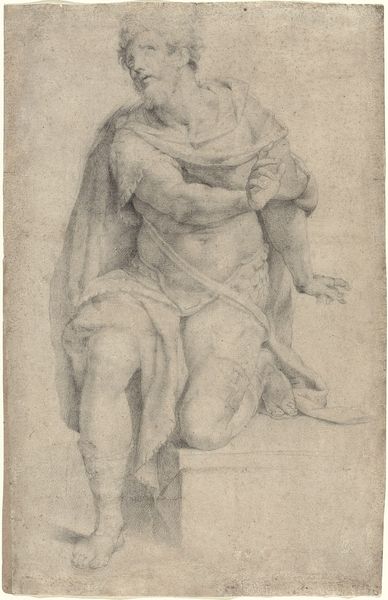
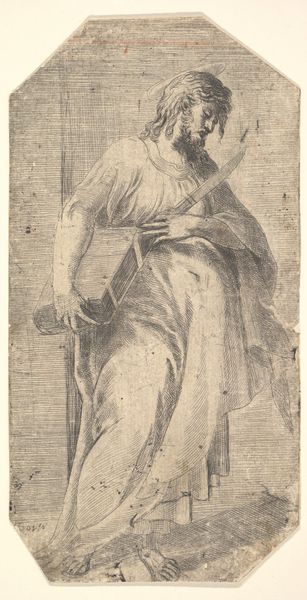
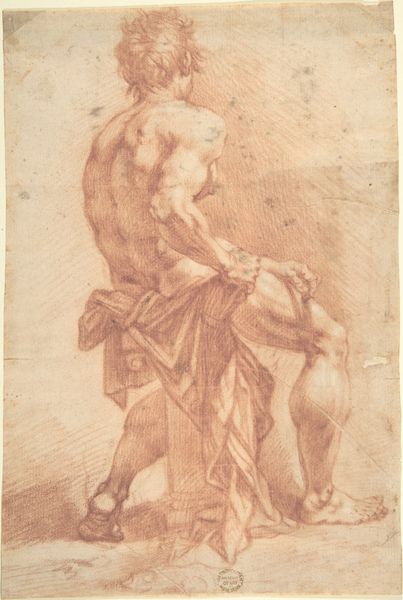
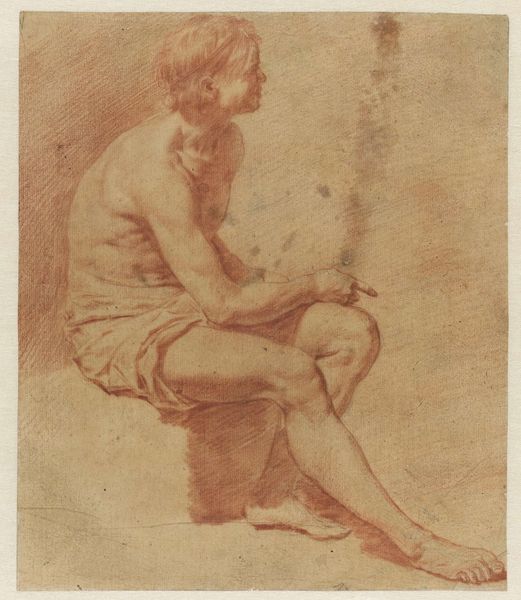
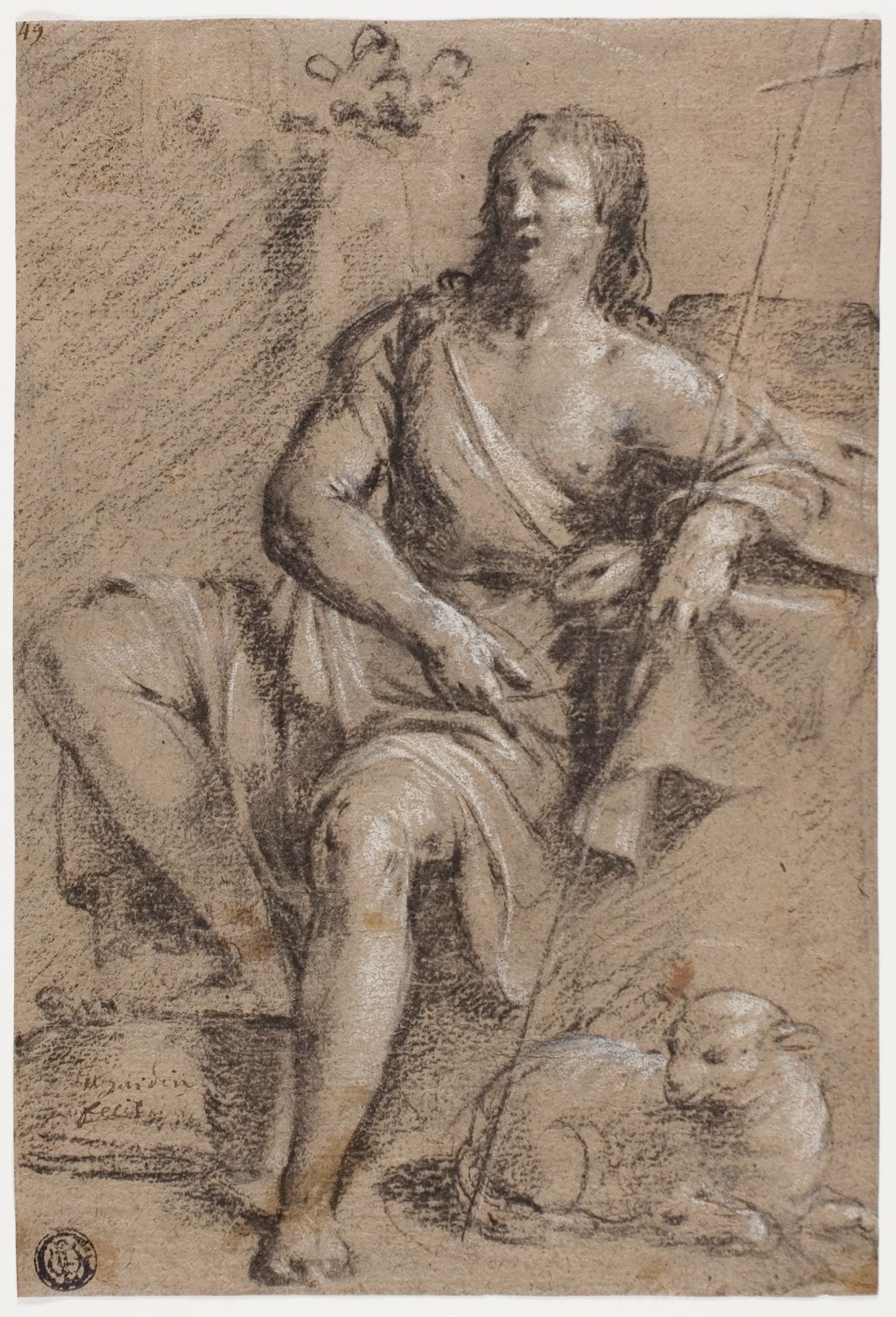
Guy François created this small drawing, "Saint John the Baptist or Christ the Good Shepherd," using black and white chalk on brownish paper. The composition is arranged with the figure seated against a dark, undefined background, giving a sense of contemplative isolation. The texture created by the chalk lends a tactile quality. Notice how François uses light and shadow to model the figure's form, giving him volume and presence. The white chalk highlights draw attention to the drapery and skin. The figure is set against the monochromatic background, bringing into play semiotic interpretation. Is the ambiguity of the title intentional? Is it a visual strategy to destabilize fixed identities and provoke thought about symbolism? The drawing's visual dynamics function as a site for ongoing interpretation. François invites us to question the nature of representation and the boundaries of identity within art itself.
Saint John the Baptist or Christ the Good Shepherd
1570 - 1590


Artwork details
- Medium
- drawing, paper, charcoal
- Dimensions
- 209 × 141 mm
- Location
- The Art Institute of Chicago
- Copyright
- Public Domain
Tags
Comments
Share your thoughts
About this artwork
Guy François created this small drawing, "Saint John the Baptist or Christ the Good Shepherd," using black and white chalk on brownish paper. The composition is arranged with the figure seated against a dark, undefined background, giving a sense of contemplative isolation. The texture created by the chalk lends a tactile quality. Notice how François uses light and shadow to model the figure's form, giving him volume and presence. The white chalk highlights draw attention to the drapery and skin. The figure is set against the monochromatic background, bringing into play semiotic interpretation. Is the ambiguity of the title intentional? Is it a visual strategy to destabilize fixed identities and provoke thought about symbolism? The drawing's visual dynamics function as a site for ongoing interpretation. François invites us to question the nature of representation and the boundaries of identity within art itself.
Comments
Share your thoughts