About this artwork
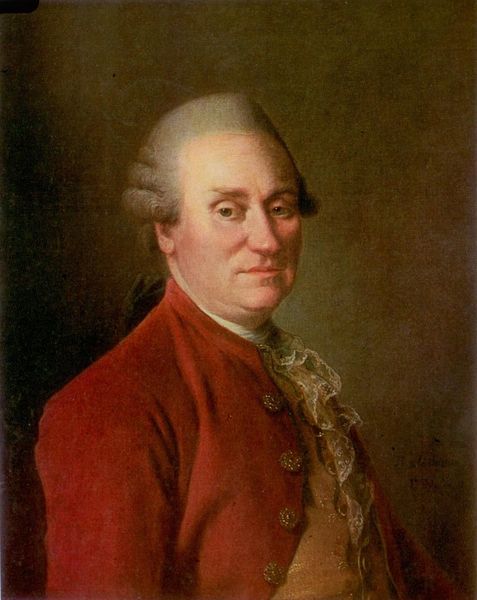
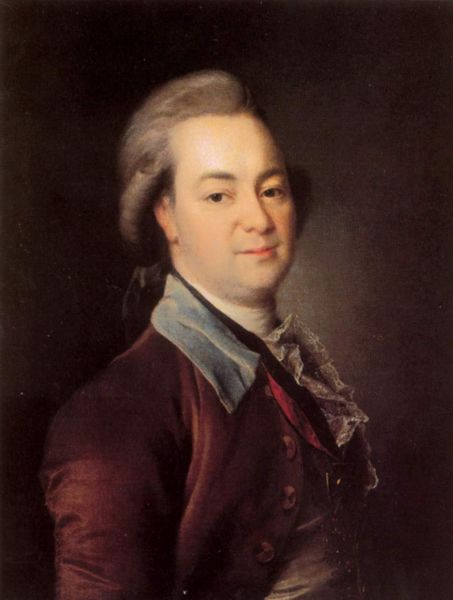
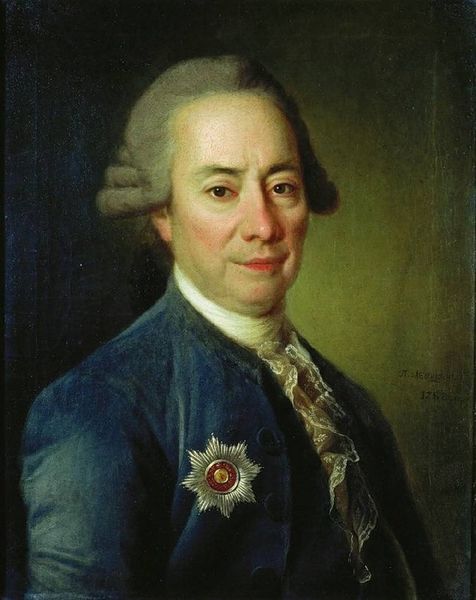
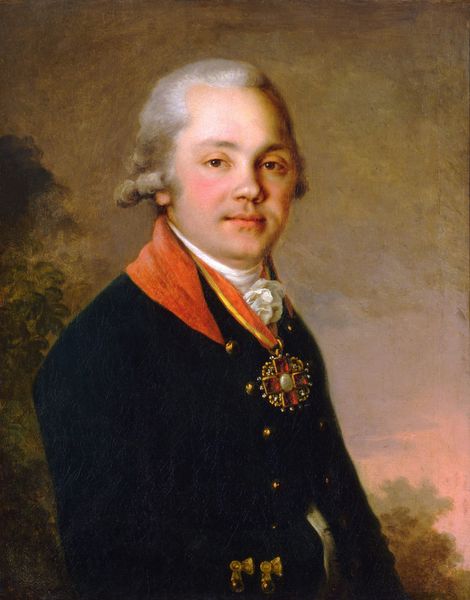
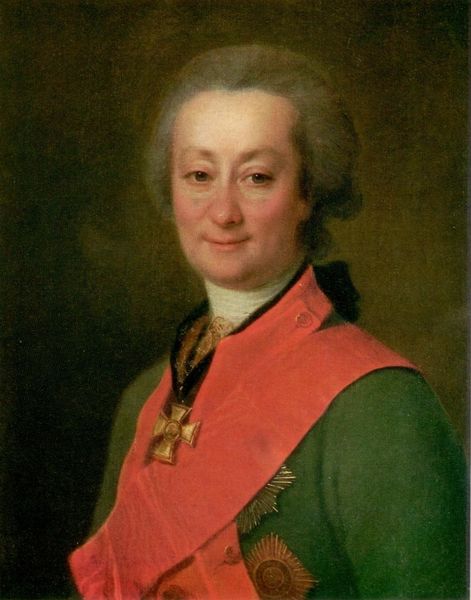
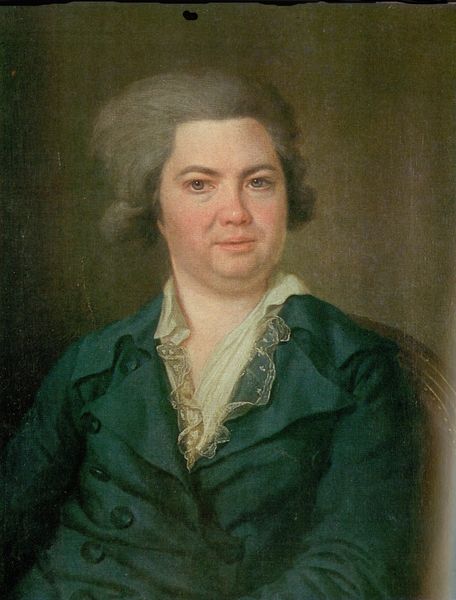
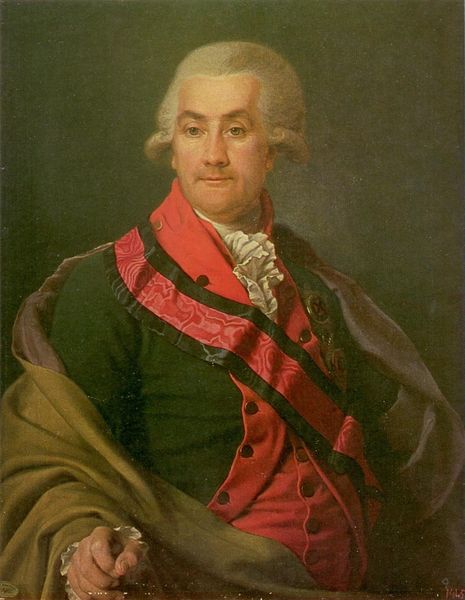
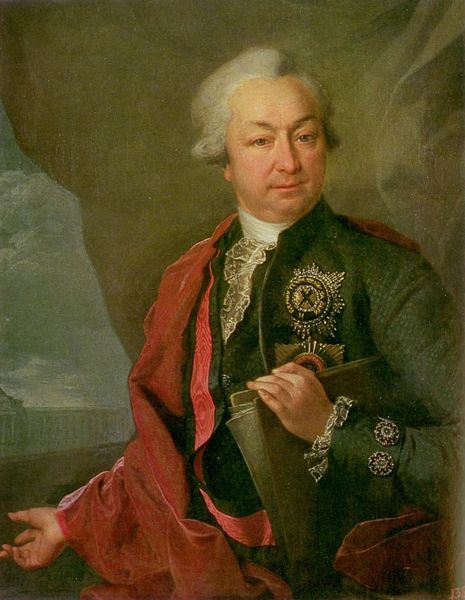
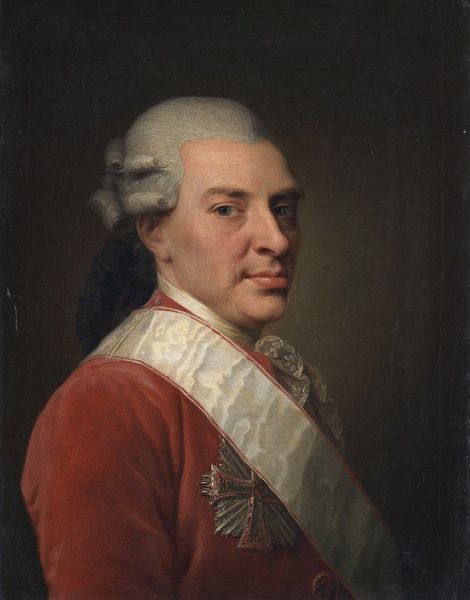
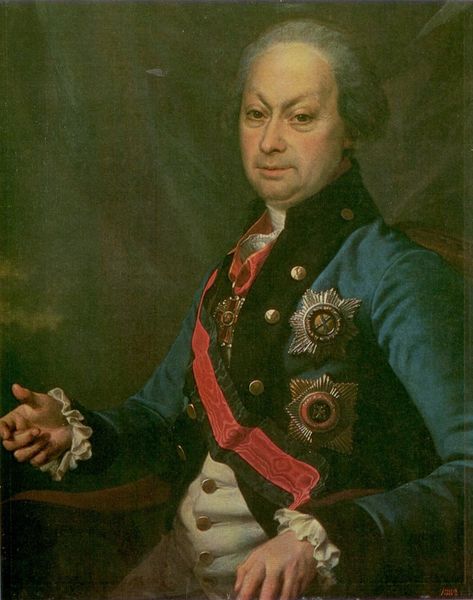
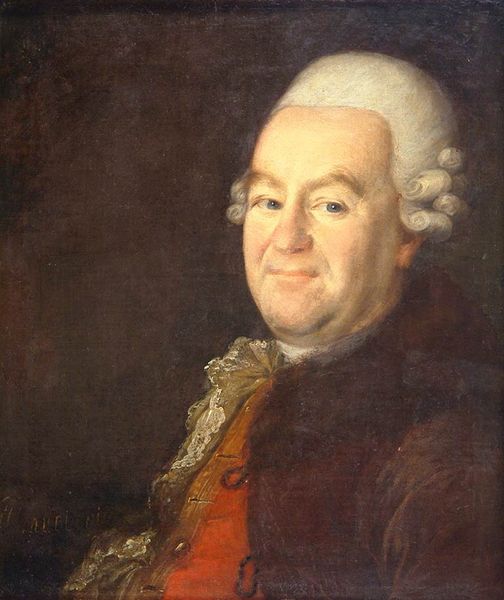
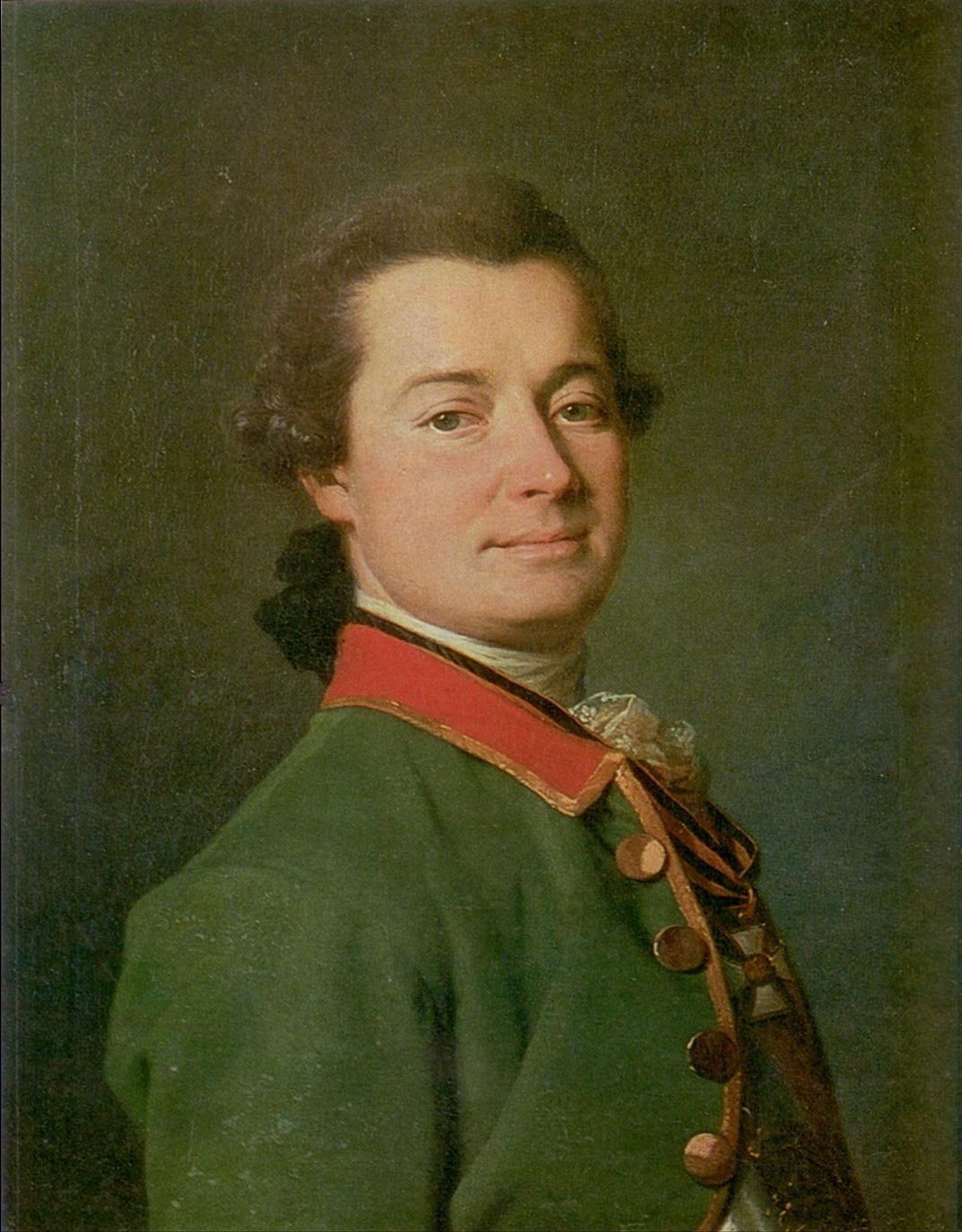
This is Dmitry Levitzky's portrait of Eustathius Palmenbah, rendered in oil paint, a medium which was by this time, pretty standard for elite portraiture. But think about the material reality of oil painting: pigments ground by hand, combined with linseed or walnut oil, spread across a woven canvas support, itself stretched and primed. It's a complex layering of material processes, a real collaboration. Consider too, the sitter's clothing. The tailoring, the textiles, the dyes—all of this involved many hands, each imparting skill and labor. Levitzky's painting captures this world of production, but also elevates it. In his expert rendering, all of this work is transformed, transmuted into a vision of power and class. So, when looking at paintings like this, remember the material and social foundation. They are a document of skill, labor, and the economic realities that underlie aesthetic experience.

Artwork details
- Medium
- painting, oil-paint
- Copyright
- Public domain
Tags
Comments
Share your thoughts
About this artwork
This is Dmitry Levitzky's portrait of Eustathius Palmenbah, rendered in oil paint, a medium which was by this time, pretty standard for elite portraiture. But think about the material reality of oil painting: pigments ground by hand, combined with linseed or walnut oil, spread across a woven canvas support, itself stretched and primed. It's a complex layering of material processes, a real collaboration. Consider too, the sitter's clothing. The tailoring, the textiles, the dyes—all of this involved many hands, each imparting skill and labor. Levitzky's painting captures this world of production, but also elevates it. In his expert rendering, all of this work is transformed, transmuted into a vision of power and class. So, when looking at paintings like this, remember the material and social foundation. They are a document of skill, labor, and the economic realities that underlie aesthetic experience.
Comments
Share your thoughts