About this artwork
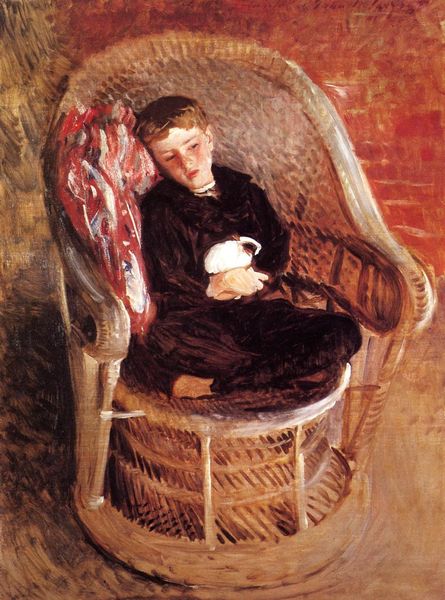
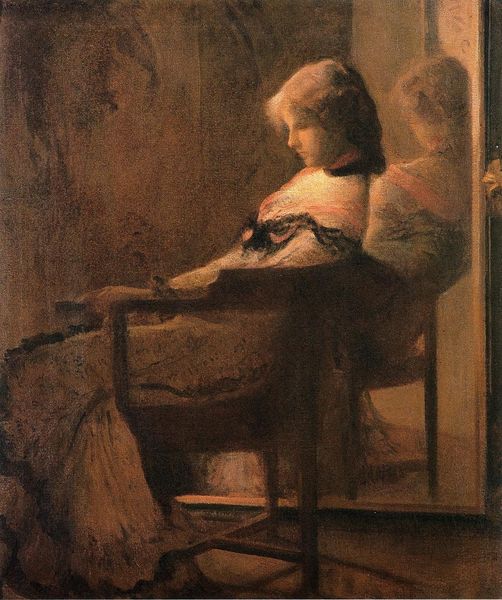
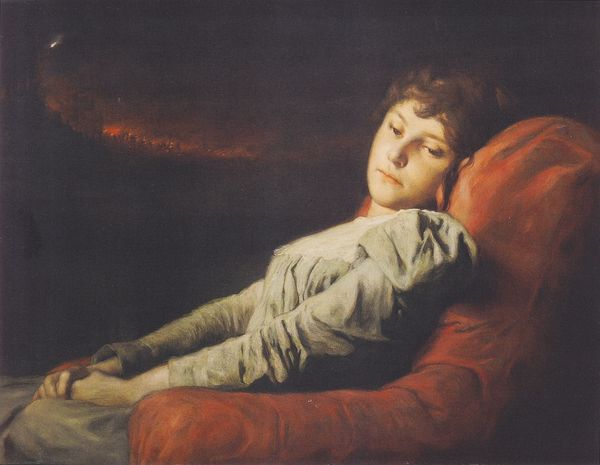
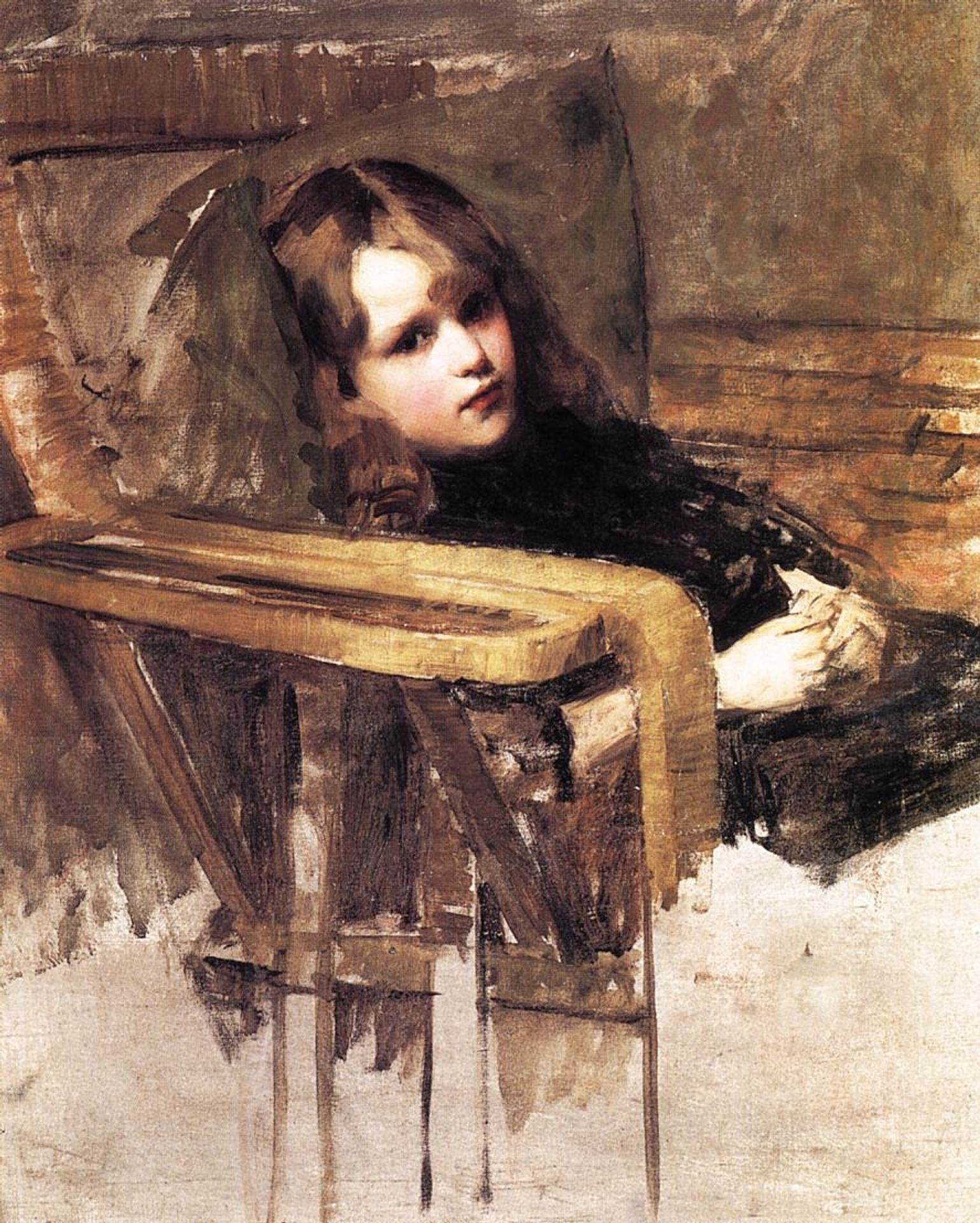
John William Waterhouse created "The Easy Chair" in the late 19th or early 20th century with oil on canvas. Waterhouse, working within the Pre-Raphaelite style, often explored themes of women in his art, frequently drawing from mythology and literature. "The Easy Chair" offers a different perspective, depicting a young girl in what seems to be a moment of quiet contemplation. Her posture and the title suggest leisure, but her gaze holds a certain intensity. This piece departs from traditional representations of women as purely aesthetic objects, offering a glimpse into the inner life of a young individual. In the context of Victorian England, such a portrayal challenges the era's rigid social expectations for women. The emotional depth captured here invites us to reflect on the complex experiences of young women during that time, offering a sensitive portrayal of adolescence and identity.

Artwork details
- Medium
- painting, oil-paint
- Dimensions
- 82.87 x 66.99 cm
- Location
- Private Collection
- Copyright
- Public domain
Tags
Comments
Share your thoughts
About this artwork
John William Waterhouse created "The Easy Chair" in the late 19th or early 20th century with oil on canvas. Waterhouse, working within the Pre-Raphaelite style, often explored themes of women in his art, frequently drawing from mythology and literature. "The Easy Chair" offers a different perspective, depicting a young girl in what seems to be a moment of quiet contemplation. Her posture and the title suggest leisure, but her gaze holds a certain intensity. This piece departs from traditional representations of women as purely aesthetic objects, offering a glimpse into the inner life of a young individual. In the context of Victorian England, such a portrayal challenges the era's rigid social expectations for women. The emotional depth captured here invites us to reflect on the complex experiences of young women during that time, offering a sensitive portrayal of adolescence and identity.
Comments
Share your thoughts