About this artwork
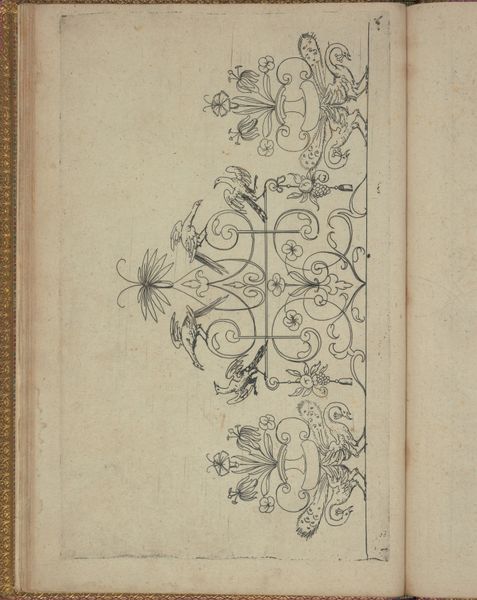
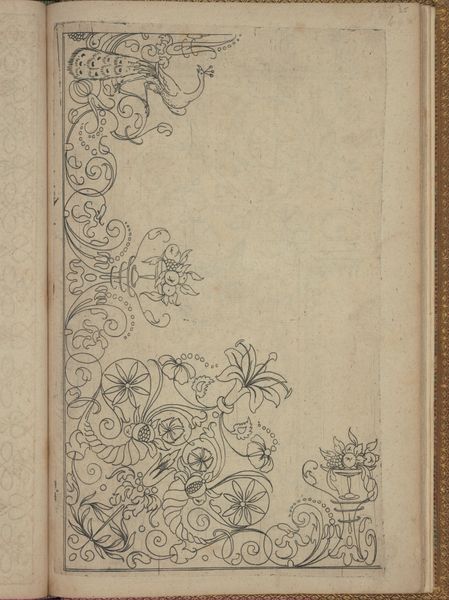
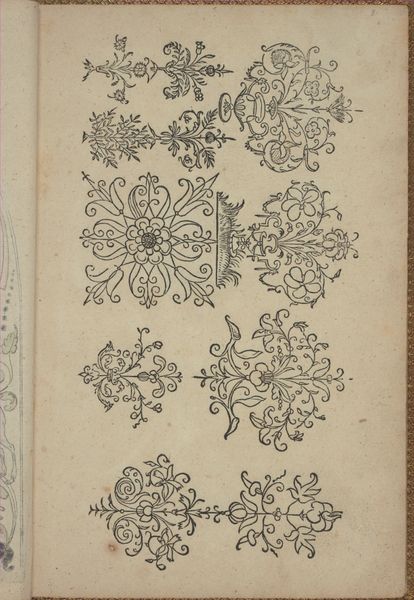
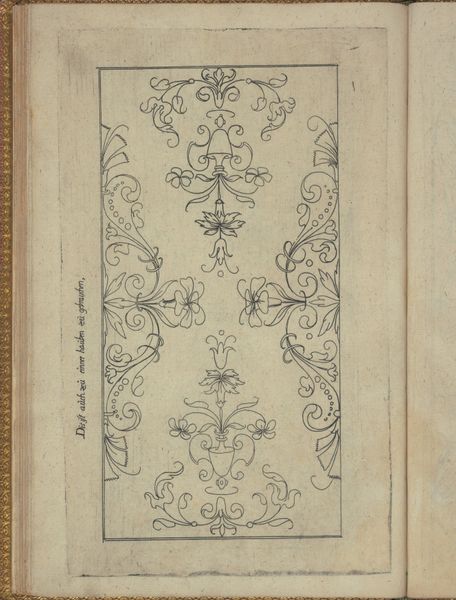
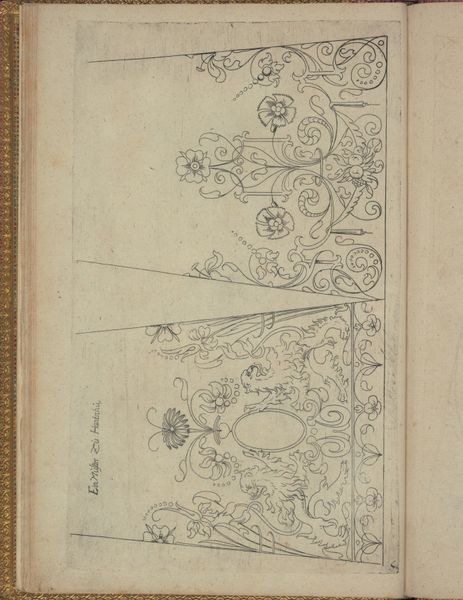
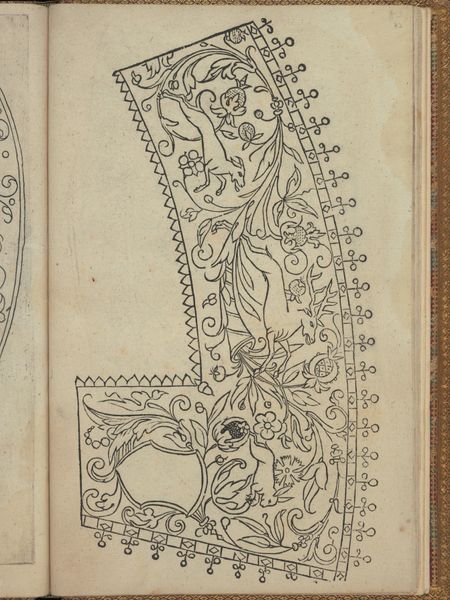
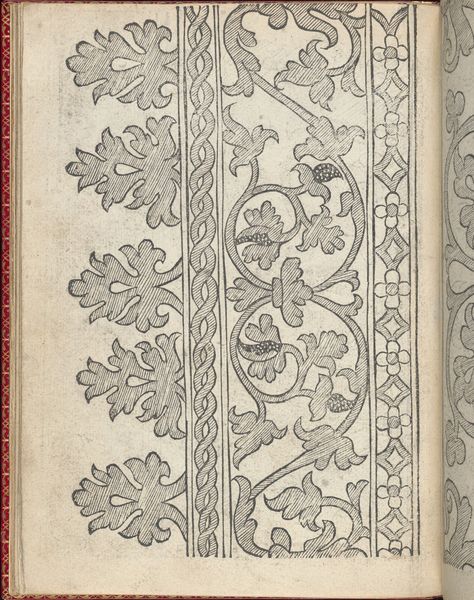
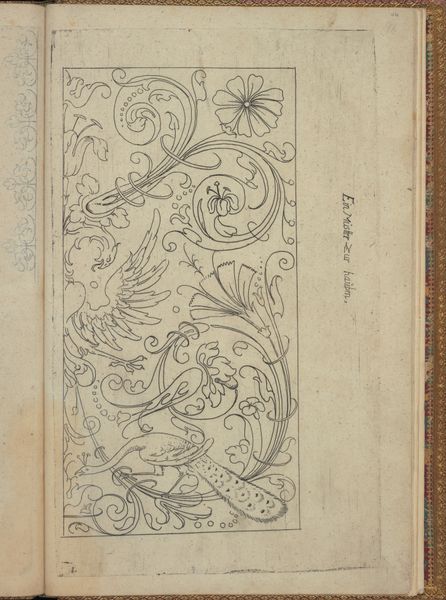
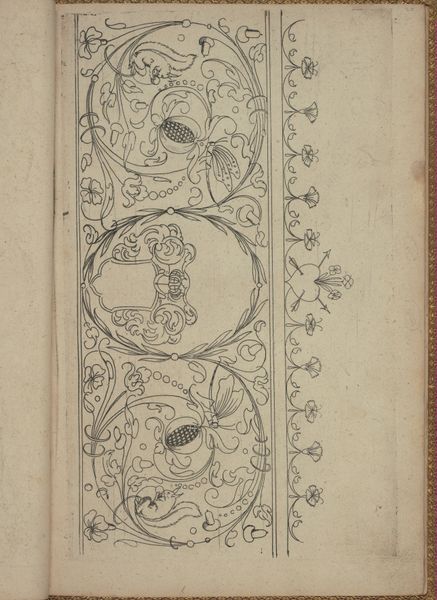
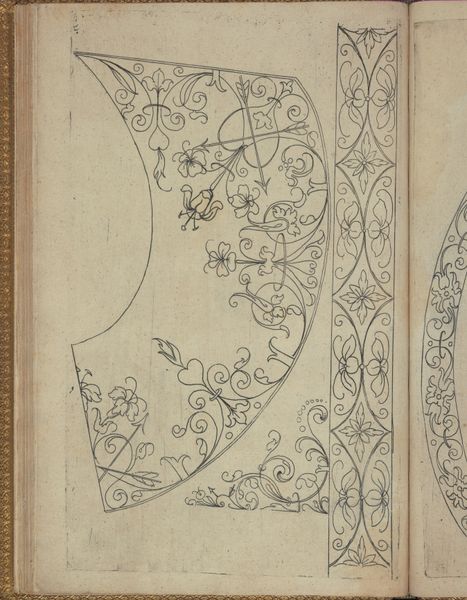
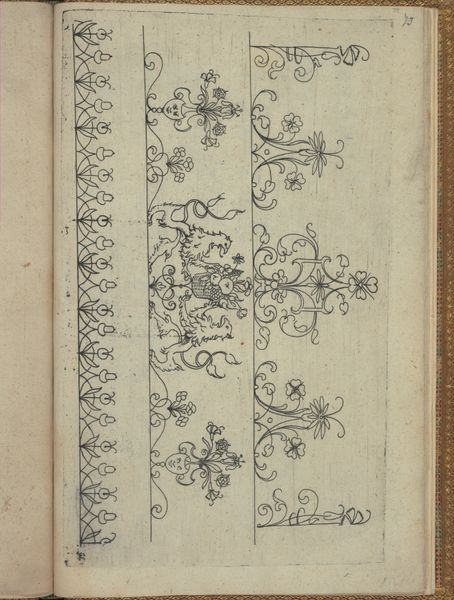
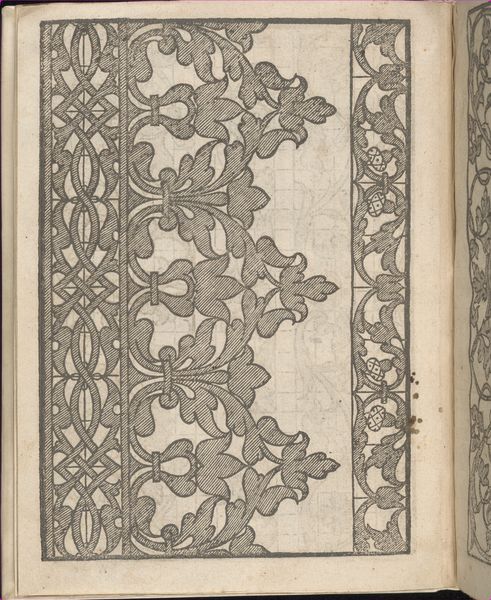
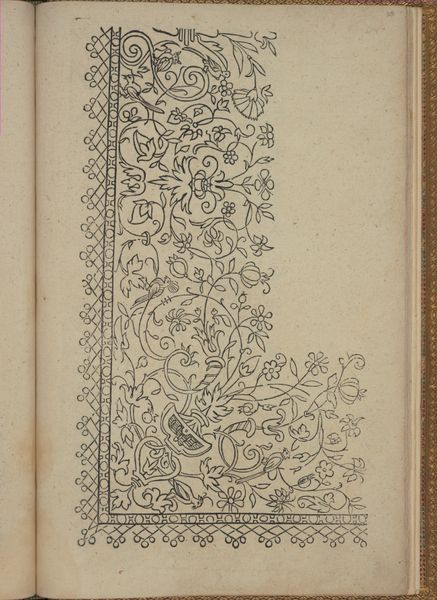
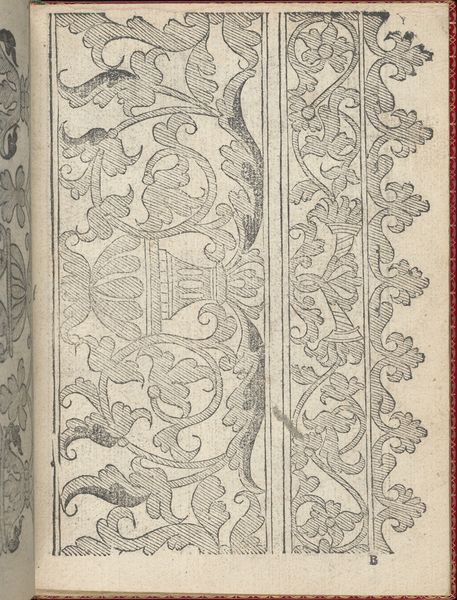
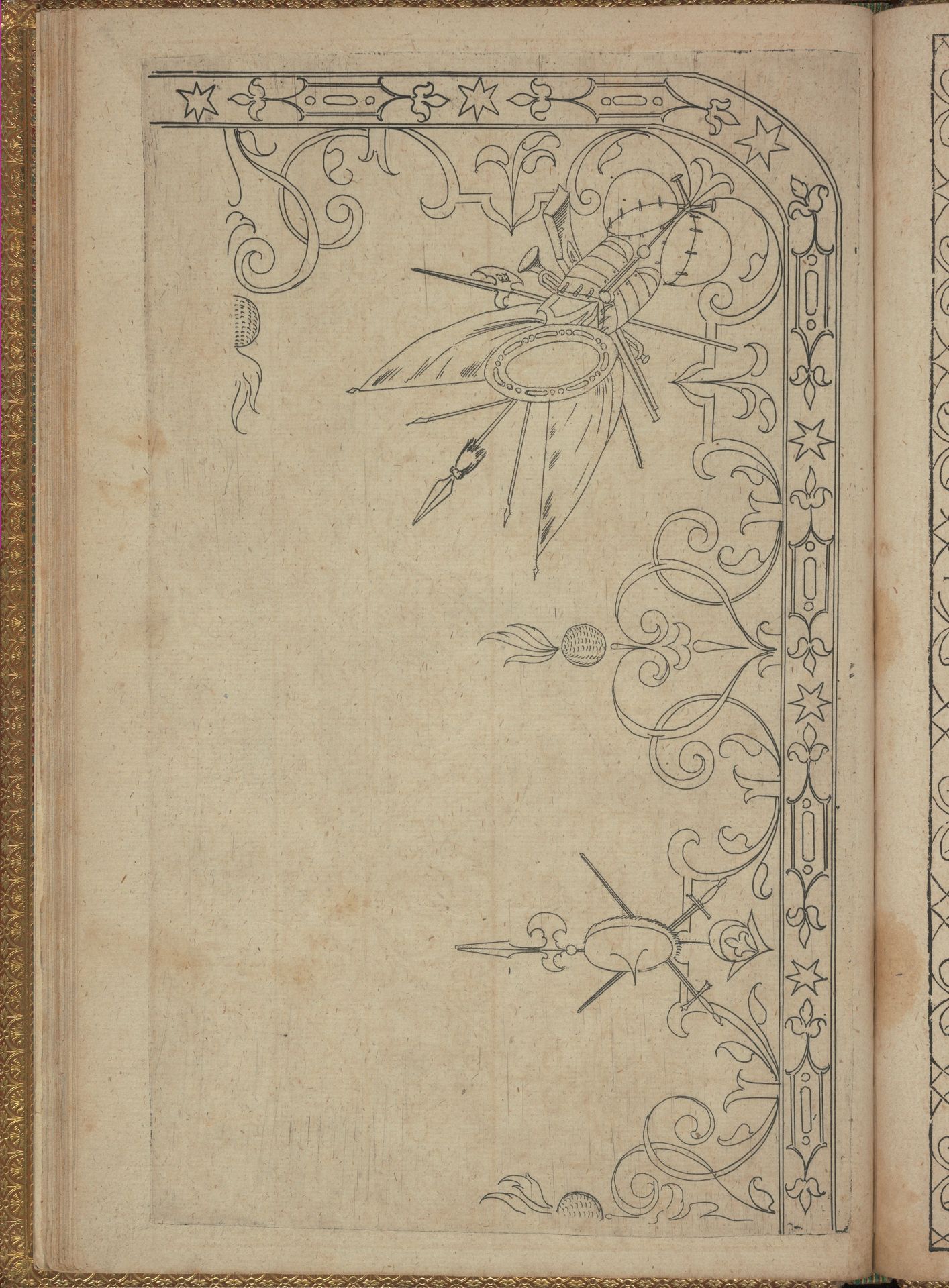
This is page 28r from the "New Modelbüch," created by Andreas Bretschneider around the turn of the 17th century, a period defined by the rise of print culture in Europe. Bretschneider, working in Saxony, Germany, produced this book of model drawings intended for artisans and craftsmen. Reflecting the era's hierarchical society, these designs were often commissioned by the elite, shaping the visual culture that trickled down through various social strata. As a pattern book, it served as a template for embroidery and lace. In this context, we consider how gender and labor intersect. Embroidery and lace-making were skills often associated with women, making this image both an artistic guide and a reflection of women's roles in the domestic economy. The presence of military objects within floral decoration also speaks to the complex relationships between violence, beauty, and power. The images in "New Modelbüch" prompt us to reflect on the ways in which art is always embedded in social life. It is a conduit for the transmission of power, gender roles, and cultural values.
New Modelbüch (Page 28r) 1615

Andreas Bretschneider
1573 - 1645
The Metropolitan Museum of Art
Metropolitan Museum of Art, New York, NYArtwork details
- Medium
- drawing, print
- Dimensions
- Overall: 12 x 8 1/16 in. (30.5 x 20.5 cm)
- Location
- Metropolitan Museum of Art, New York, NY
- Copyright
- Public Domain
Tags
drawing
aged paper
toned paper
water colours
germany
book
tea stained
personal sketchbook
coloured pencil
coffee painting
watercolour bleed
watercolour illustration
watercolor
Comments
No comments
About this artwork
This is page 28r from the "New Modelbüch," created by Andreas Bretschneider around the turn of the 17th century, a period defined by the rise of print culture in Europe. Bretschneider, working in Saxony, Germany, produced this book of model drawings intended for artisans and craftsmen. Reflecting the era's hierarchical society, these designs were often commissioned by the elite, shaping the visual culture that trickled down through various social strata. As a pattern book, it served as a template for embroidery and lace. In this context, we consider how gender and labor intersect. Embroidery and lace-making were skills often associated with women, making this image both an artistic guide and a reflection of women's roles in the domestic economy. The presence of military objects within floral decoration also speaks to the complex relationships between violence, beauty, and power. The images in "New Modelbüch" prompt us to reflect on the ways in which art is always embedded in social life. It is a conduit for the transmission of power, gender roles, and cultural values.
Comments
No comments