About this artwork
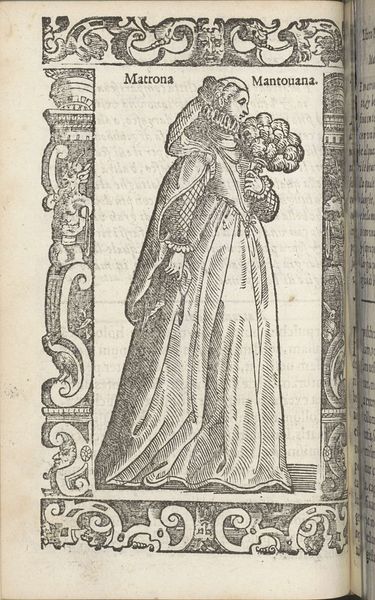
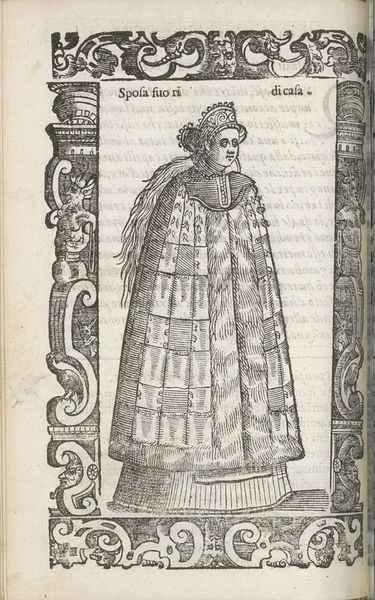
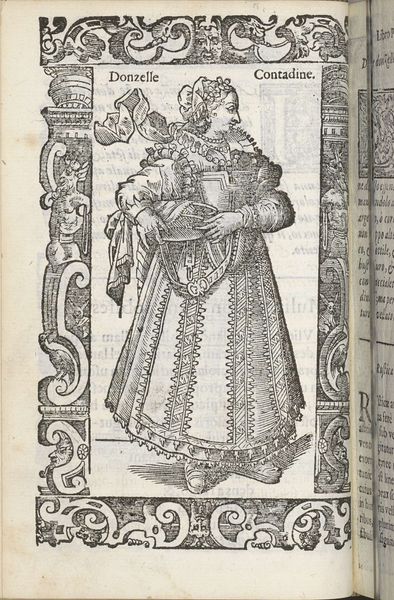
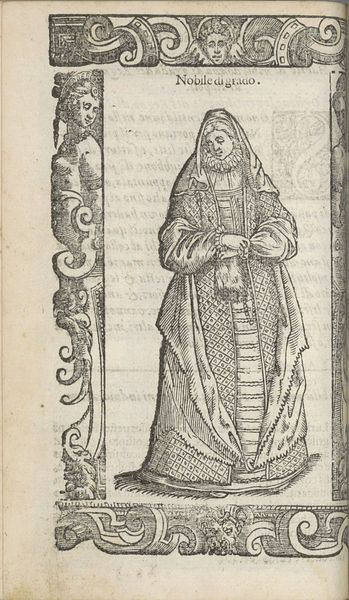
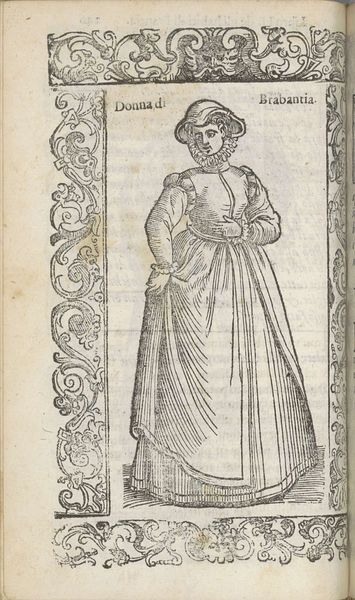
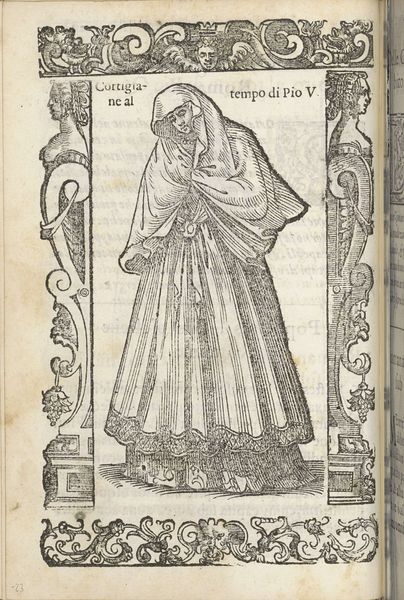
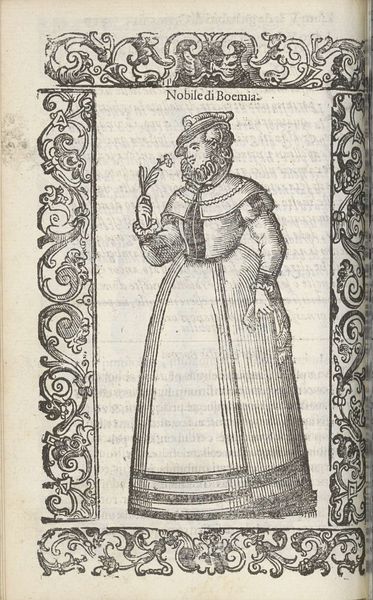
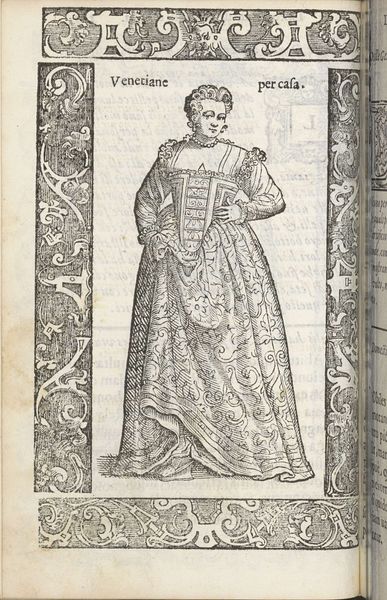
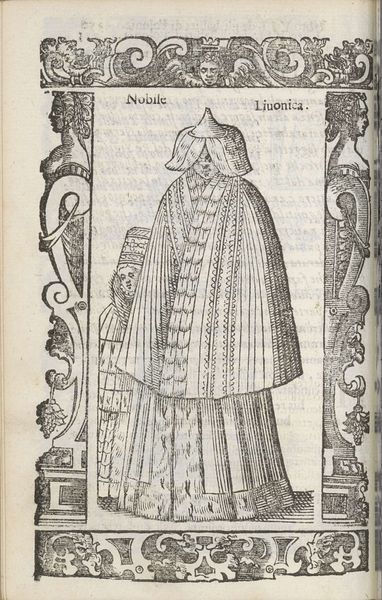
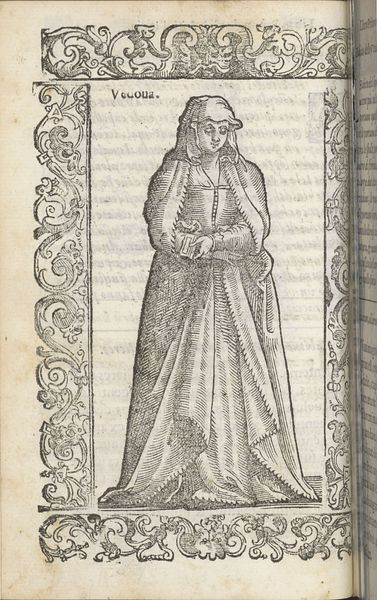
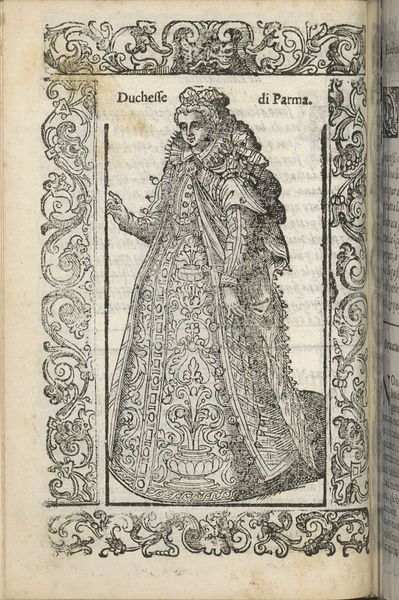
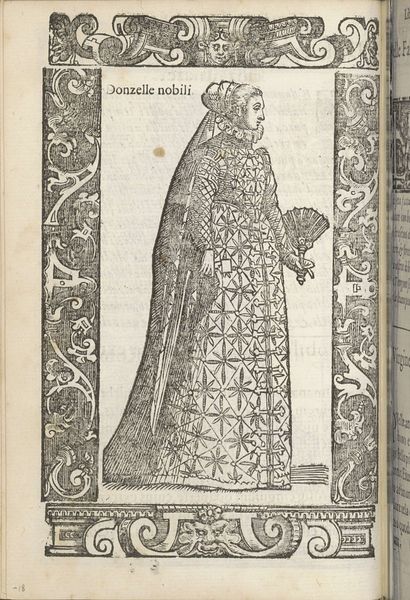
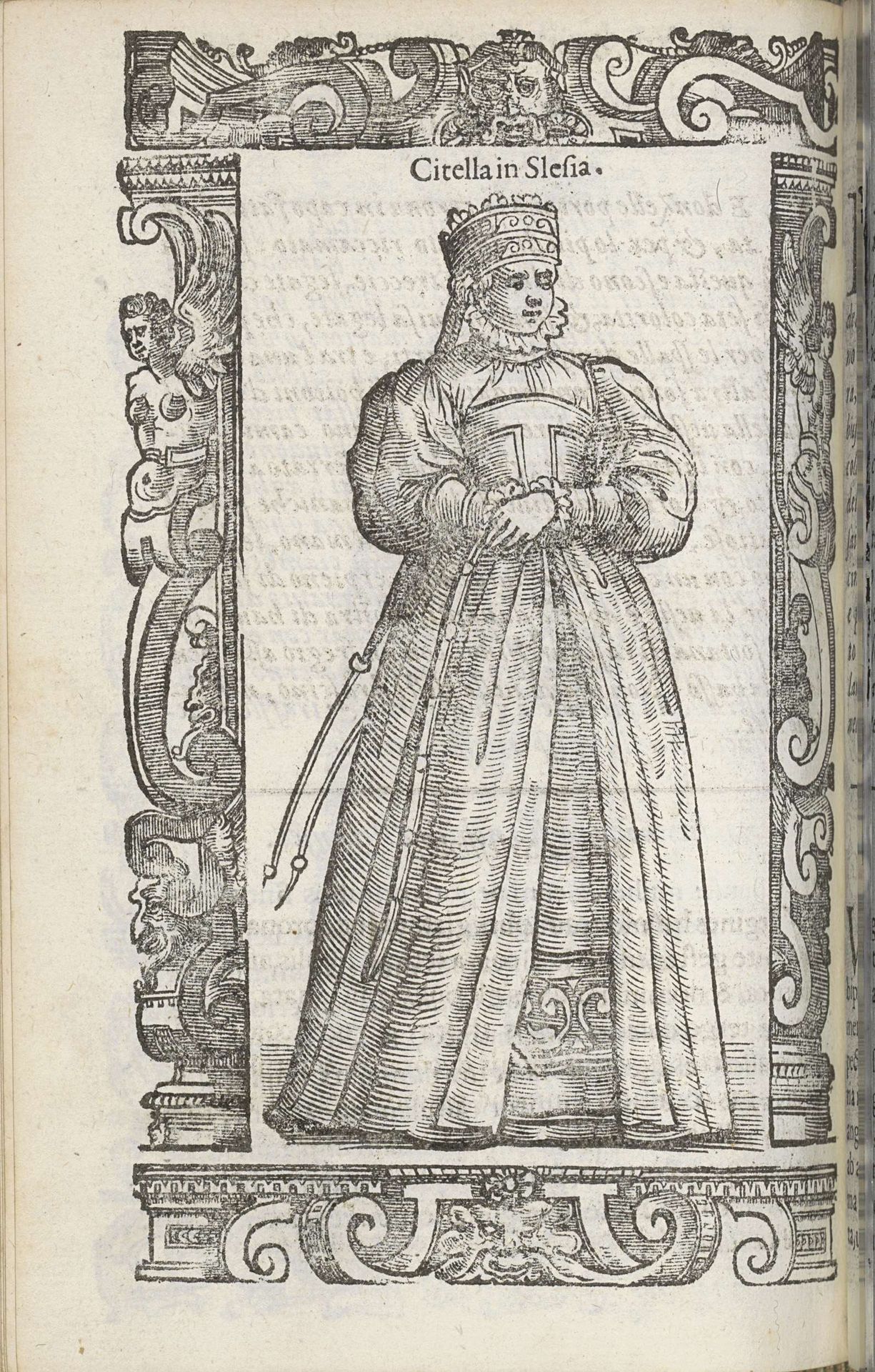
Christoph Krieger made this print, Citella in Slesia, using the technique of woodcut. The image is made from cutting a design into the surface of a wooden block, leaving the design raised; inking the surface; and printing the image. The print depicts a young woman from Silesia, a region in Central Europe. What I find fascinating is how the woodcut technique itself lends so much to the image’s meaning. The nature of woodcut, with its bold lines and strong contrasts, gives the figure a graphic quality. We get the essence of her dress, her stance, but no real detail. The image gives a generalized representation of a type, rather than an individual. This relates directly to the social context of printmaking at the time. Prints were relatively cheap to produce and were circulated widely. The image conveys information, but it also reflects a commercial process. Understanding this helps us to see how the image participates in a much wider culture of labor, consumption, and the politics of representation.

Artwork details
- Medium
- drawing, print, ink, engraving
- Dimensions
- height 167 mm, width 125 mm
- Copyright
- Rijks Museum: Open Domain
Tags
portrait
drawing
mannerism
ink
history-painting
engraving
Comments
No comments
About this artwork
Christoph Krieger made this print, Citella in Slesia, using the technique of woodcut. The image is made from cutting a design into the surface of a wooden block, leaving the design raised; inking the surface; and printing the image. The print depicts a young woman from Silesia, a region in Central Europe. What I find fascinating is how the woodcut technique itself lends so much to the image’s meaning. The nature of woodcut, with its bold lines and strong contrasts, gives the figure a graphic quality. We get the essence of her dress, her stance, but no real detail. The image gives a generalized representation of a type, rather than an individual. This relates directly to the social context of printmaking at the time. Prints were relatively cheap to produce and were circulated widely. The image conveys information, but it also reflects a commercial process. Understanding this helps us to see how the image participates in a much wider culture of labor, consumption, and the politics of representation.
Comments
No comments