1841 - 1848
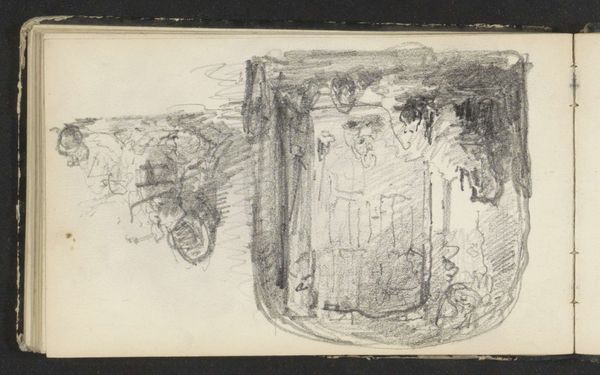
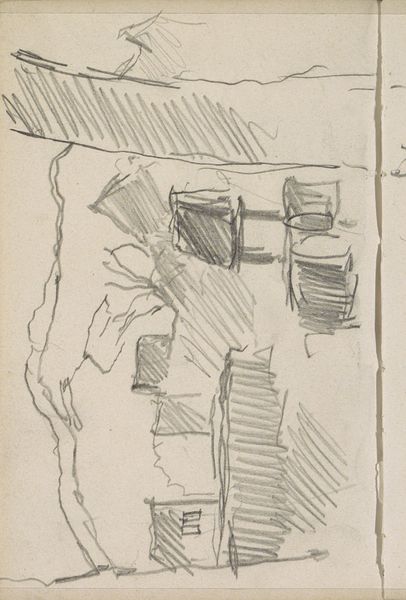
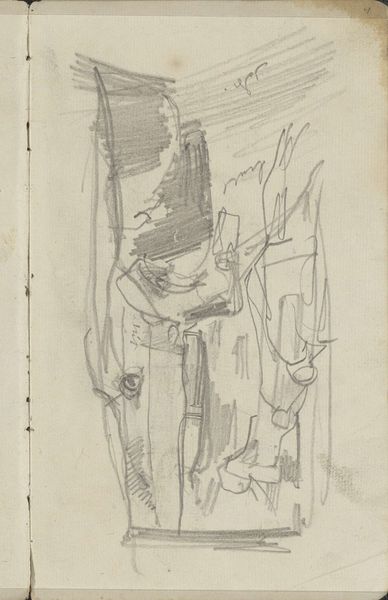
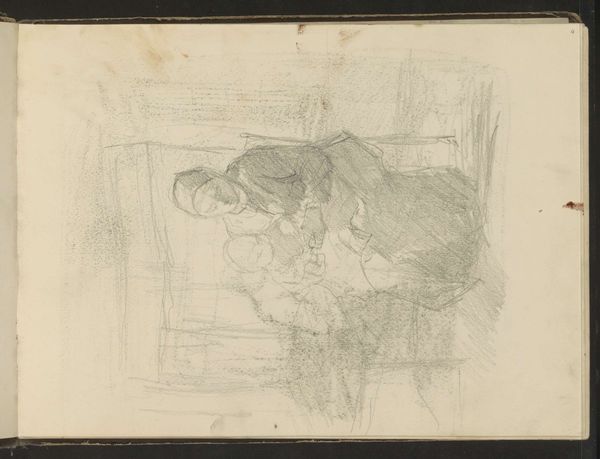
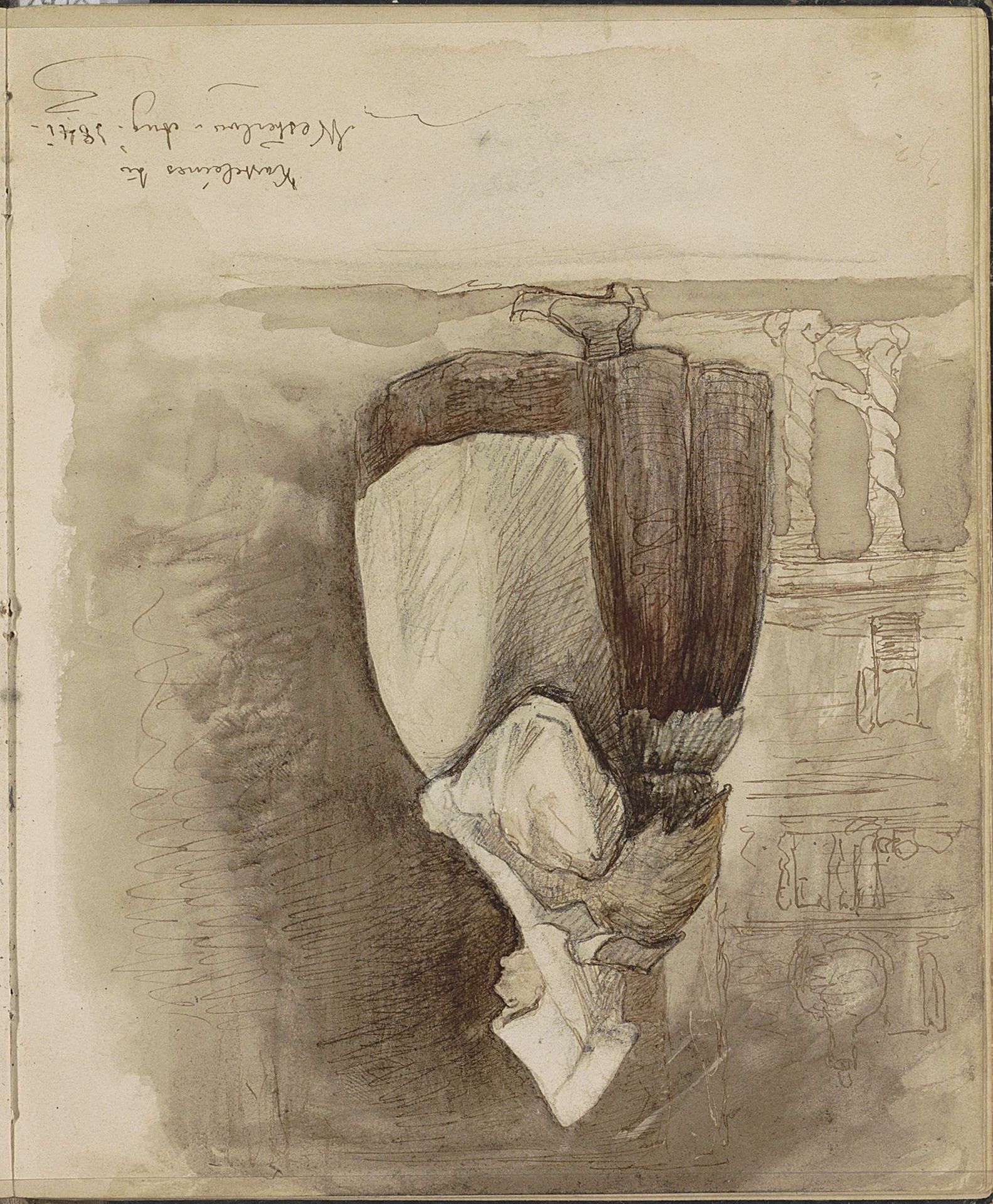
Kasteleine te Westerlo, van opzij gezien

Johannes Tavenraat
1809 - 1881Location
RijksmuseumListen to curator's interpretation
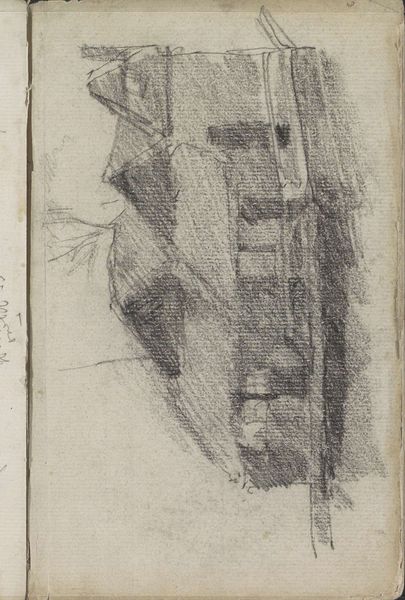
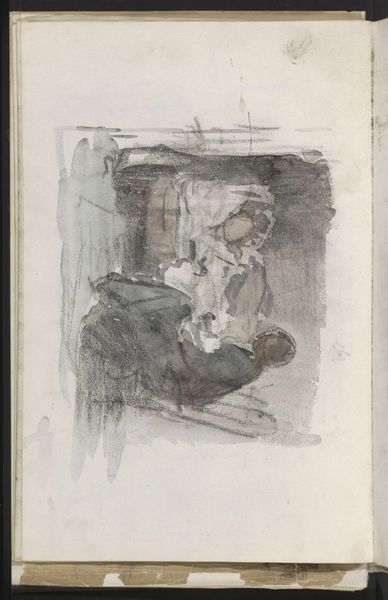
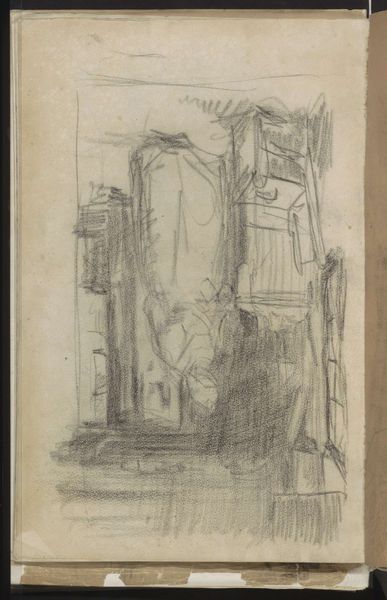
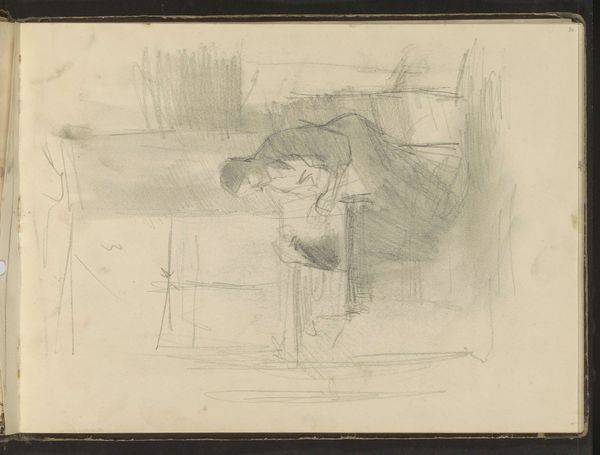
Curatorial notes
Editor: So, here we have Johannes Tavenraat's "Kasteleine te Westerlo, van opzij gezien," made between 1841 and 1848 using pencil, charcoal, and watercolor on paper. It's currently held at the Rijksmuseum. I find the sketchiness of it really intriguing; it feels very immediate and personal, almost like a captured memory. What stands out to you in this drawing? Curator: It strikes me as a visual poem of remembrance. Note the delicate use of line and shadow, how it renders not just the form but the feeling of the sitter, the *Kasteleine*, against the backdrop of her home at Westerlo. Consider the hat-- it seems to cast her in shadow--perhaps representative of her psychological space. It’s about presence, absence, and the layered meanings we ascribe to place. Does this imagery echo ideas of isolation, perhaps even a societal confinement experienced by women in that period? Editor: That's a really interesting point about her seeming isolation. I hadn’t thought about it in terms of gender. The almost ghost-like quality to the architectural details could be seen as symbolic of something fading or being forgotten. Curator: Exactly! Think about how symbols speak across time. Castles evoke a history of power, strength, but also enclosure. By rendering it faintly, almost as an afterthought, Tavenraat implies what exactly? A shift in social structures? The fading of aristocratic power? It becomes a visual metaphor. The architecture almost speaks of its own future ruin or diminishment. Editor: So the woman's pose, her gaze, in relation to the castle suggests a whole complex of shifting societal values? Curator: Precisely. It suggests she, too, like her domain is caught in flux; it hints to broader cultural memories tied to the image, perhaps ideas about loss or the ephemeral nature of beauty. Editor: Wow, I see the drawing in a completely new way now. Thank you! Curator: My pleasure! Every stroke has something to reveal if you are willing to look close and question their symbolic meanings.