About this artwork
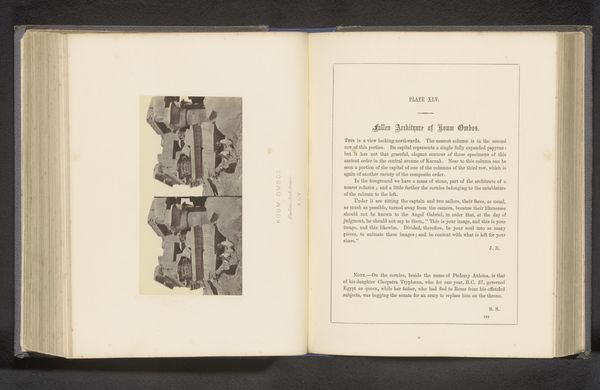
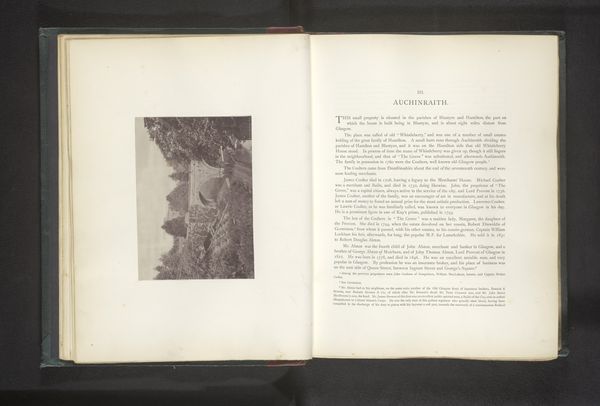
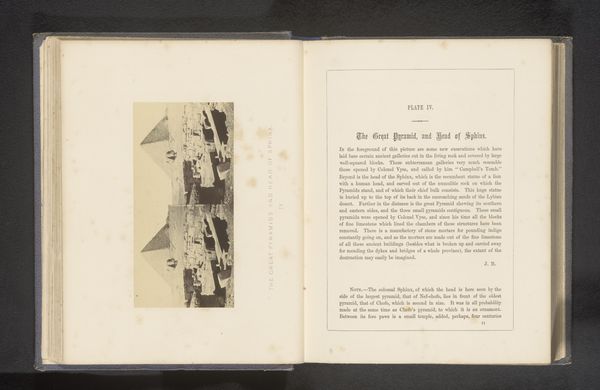
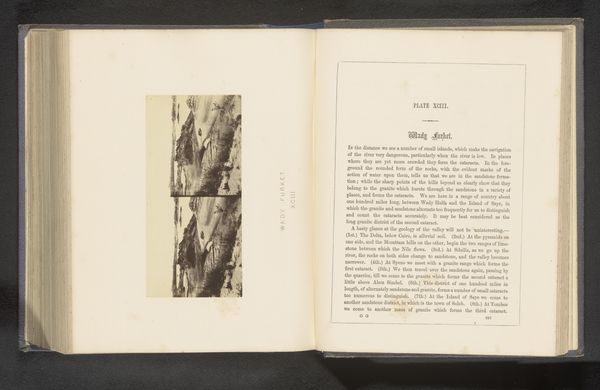
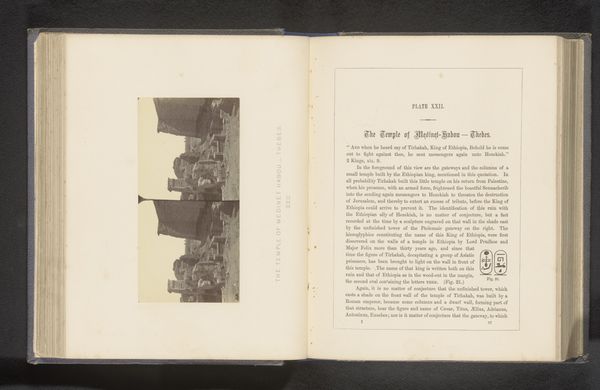
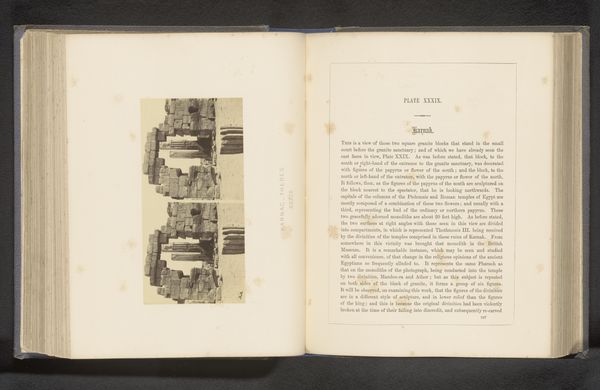
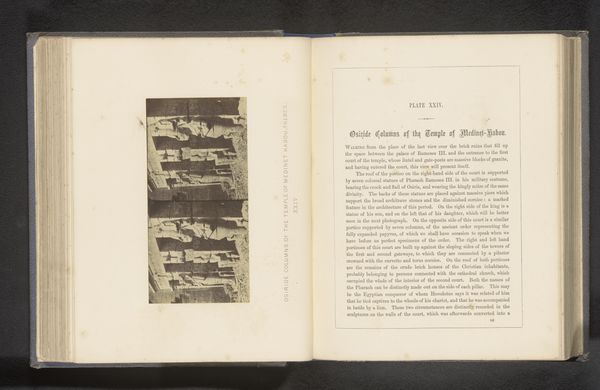
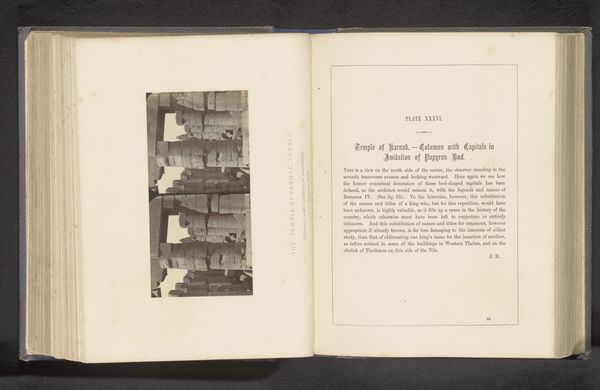
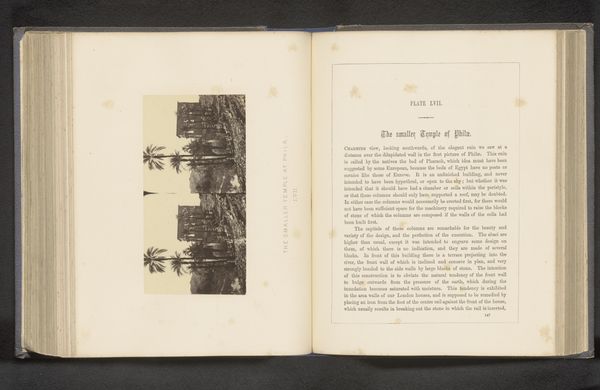
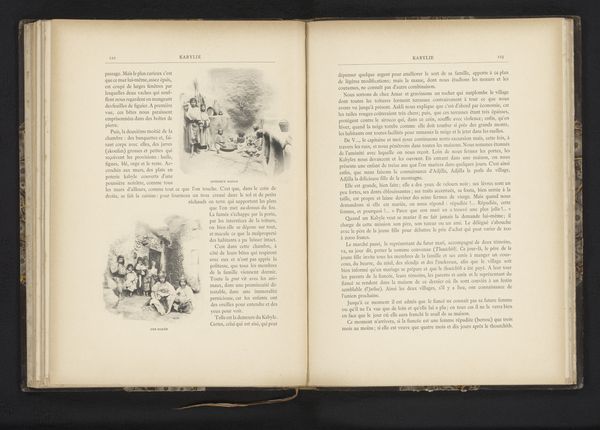
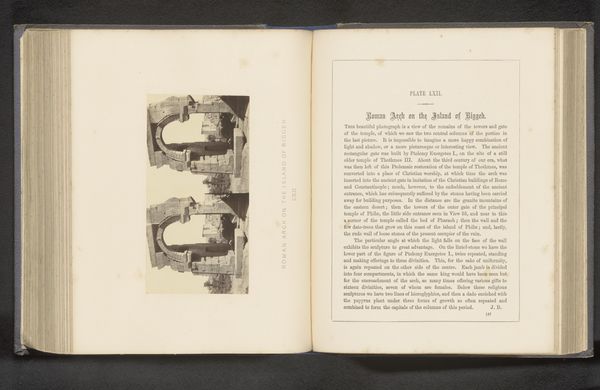
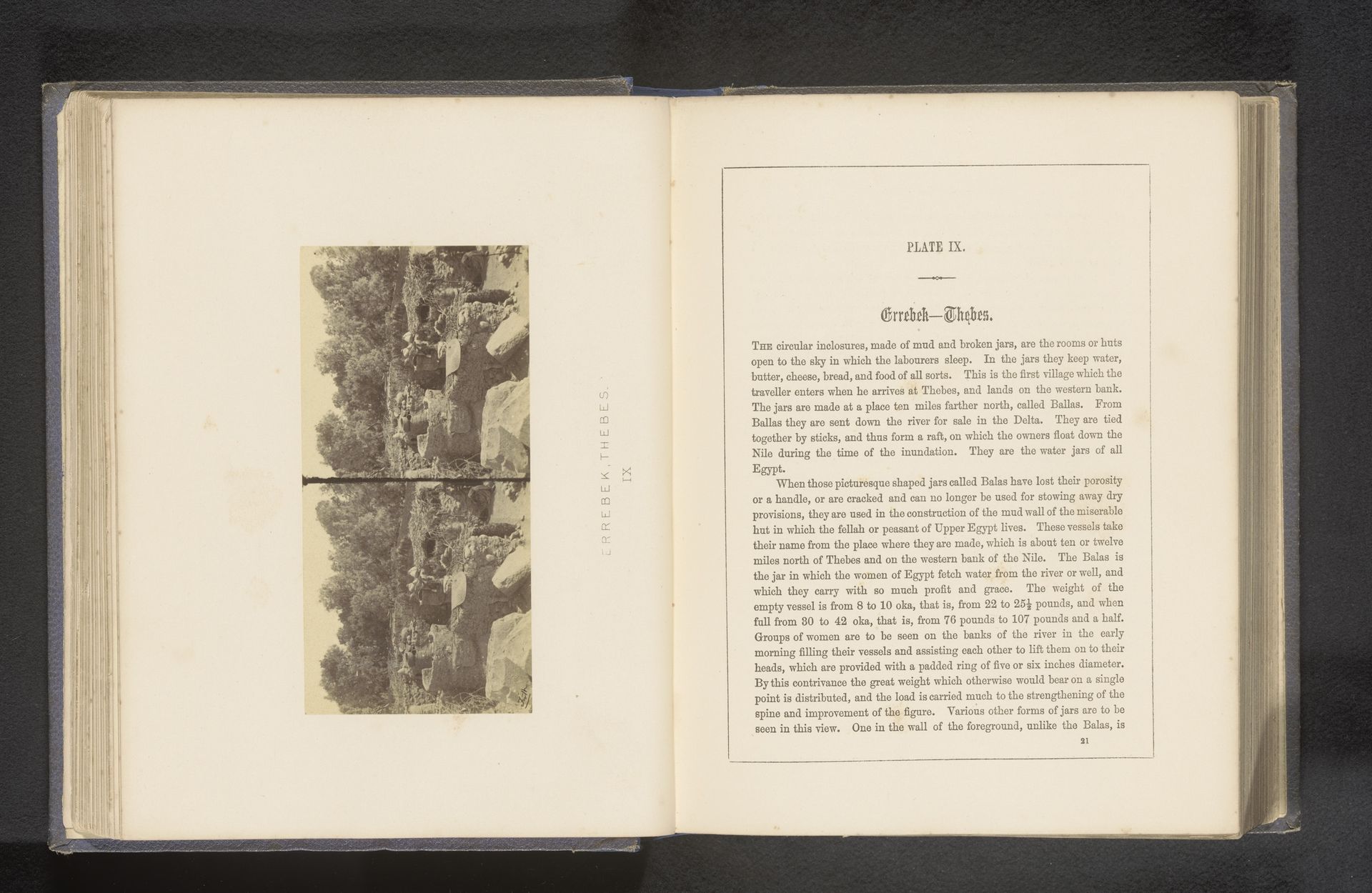
This photograph of the Temple at Thebes was made by Francis Frith, probably in the 1850s, as part of a project to document the monuments of Egypt. But it wasn't just a record. Frith was a savvy businessman, and he knew that the real money was in selling images to a public hungry for exotic views. The collodion process he used was crucial here, as it allowed for multiple prints to be made from a single negative, meeting that demand for a mass audience. Look closely at the ruins in the image, and think about the labor required to build those monumental structures, using only the simplest of tools. Now, consider Frith's own labor: the careful composition, the technical mastery, and the entrepreneurial spirit required to capture and disseminate these images, making this photograph both a document and a commodity.

Artwork details
- Medium
- print, photography, gelatin-silver-print
- Dimensions
- height 70 mm, width 145 mm
- Location
- Rijksmuseum
- Copyright
- Rijks Museum: Open Domain
Tags
landscape
ancient-egyptian-art
photography
ancient-mediterranean
gelatin-silver-print
Comments
No comments
About this artwork
This photograph of the Temple at Thebes was made by Francis Frith, probably in the 1850s, as part of a project to document the monuments of Egypt. But it wasn't just a record. Frith was a savvy businessman, and he knew that the real money was in selling images to a public hungry for exotic views. The collodion process he used was crucial here, as it allowed for multiple prints to be made from a single negative, meeting that demand for a mass audience. Look closely at the ruins in the image, and think about the labor required to build those monumental structures, using only the simplest of tools. Now, consider Frith's own labor: the careful composition, the technical mastery, and the entrepreneurial spirit required to capture and disseminate these images, making this photograph both a document and a commodity.
Comments
No comments