1647 - 1678
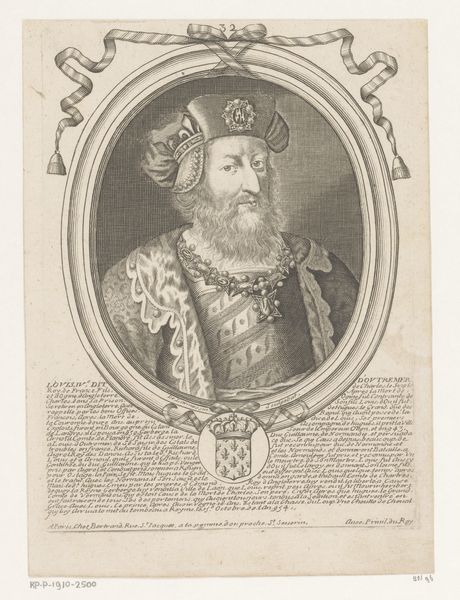
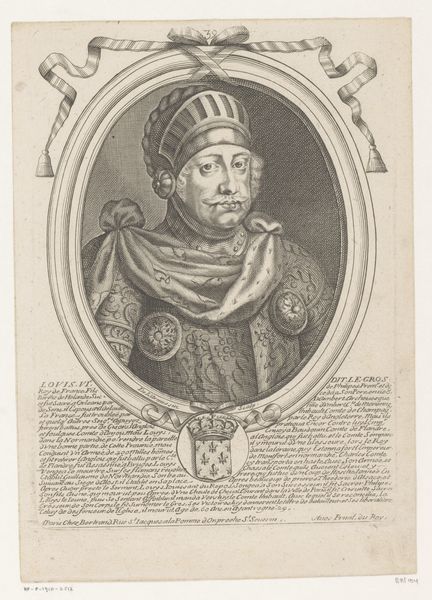
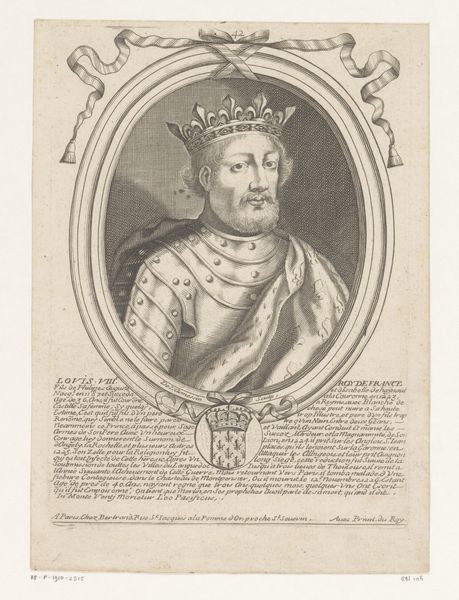
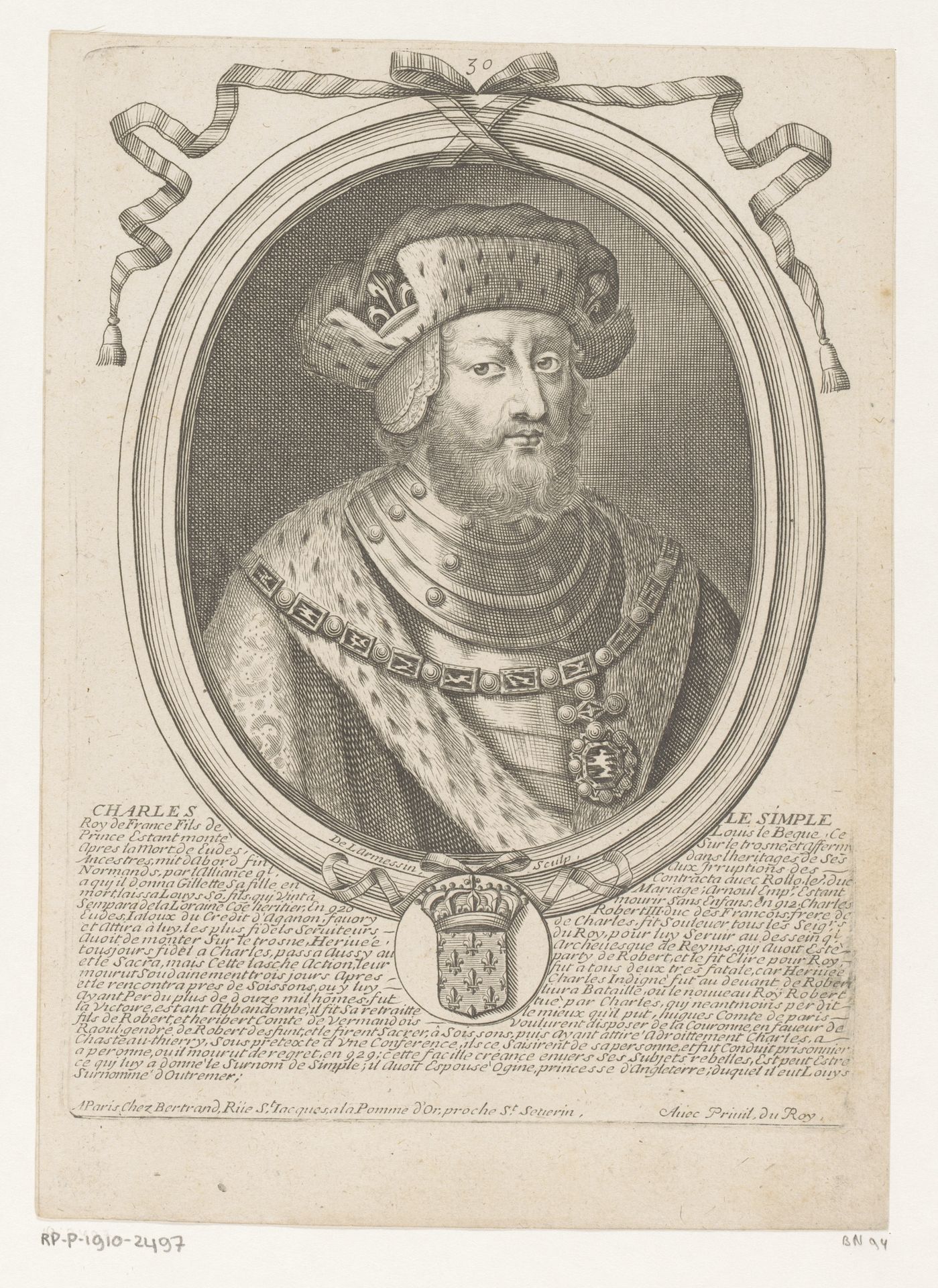
Portret van Karel III de Eenvoudige

Nicolas de (I) Larmessin
1632 - 1694Location
RijksmuseumListen to curator's interpretation
Curatorial notes
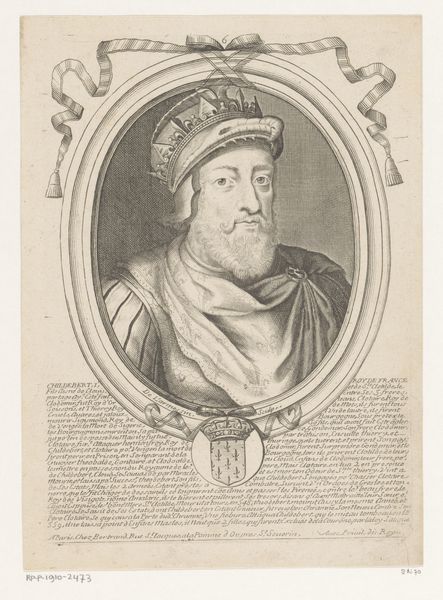
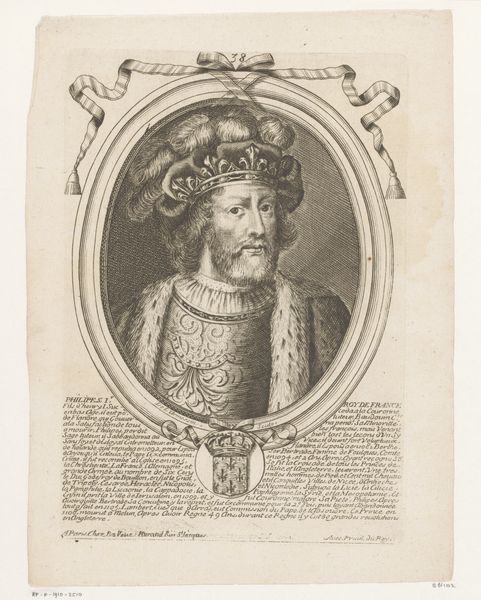
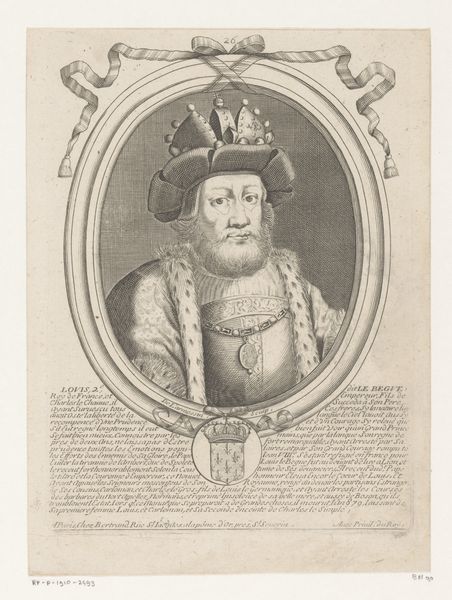
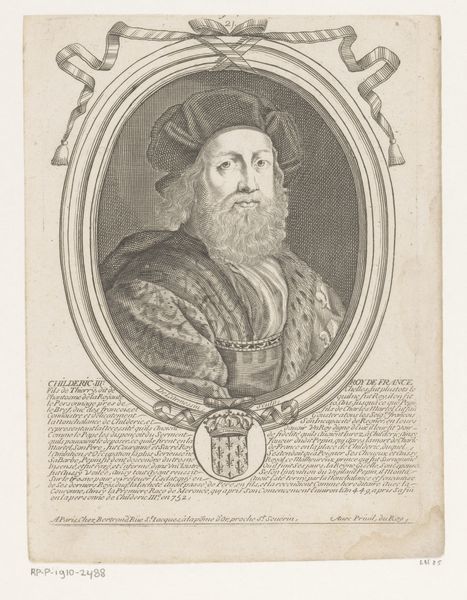
This print, made by Nicolas de Larmessin, portrays Charles the Simple within an oval frame, his regal status emphasized by the fleur-de-lis adorning his hat and the elaborate chain of office around his neck. The fleur-de-lis, a stylized lily, is a motif that has blossomed across centuries. Originally, it was associated with French royalty, symbolizing purity and perfection. We see its echo in Byzantine art, where the lily signified divine favor and the Virgin Mary. But consider its transformation: In modern heraldry, it persists as a marker of heritage, yet its sacred connotations have waned, subsumed by national identity. Such motifs are not mere decoration but rather potent carriers of collective memory. Their recurrence speaks to our enduring fascination with power. They engage viewers on a subconscious level, stirring deep-seated emotions and associations linked to authority, lineage, and cultural pride. The emotional weight of the image lies in the viewer's recognition of such symbols. Thus, the fleur-de-lis—like many symbols—demonstrates a non-linear progression, resurfacing and evolving, forever entwined with our understanding of history and the human psyche.