c. 1862 - 1867
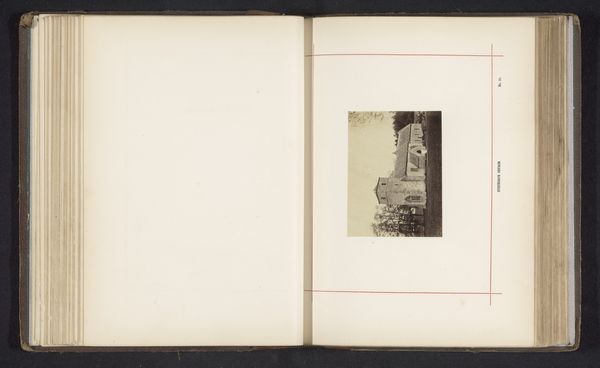
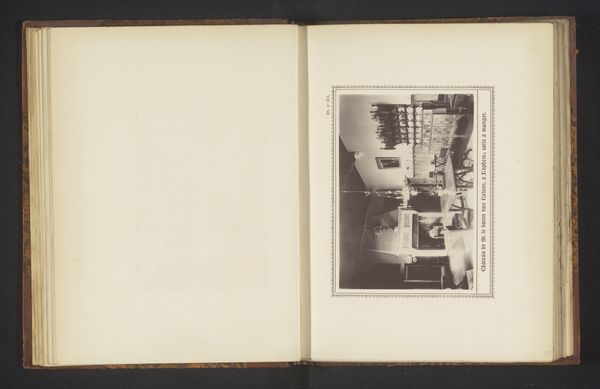
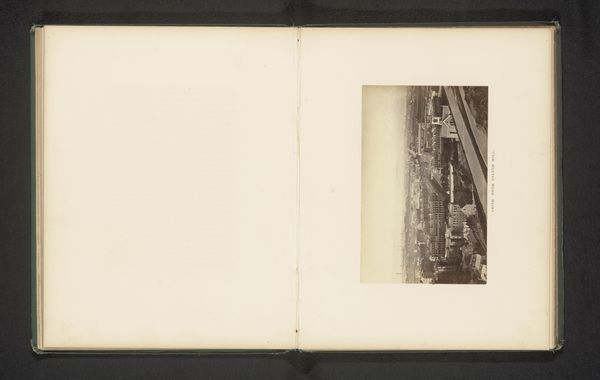
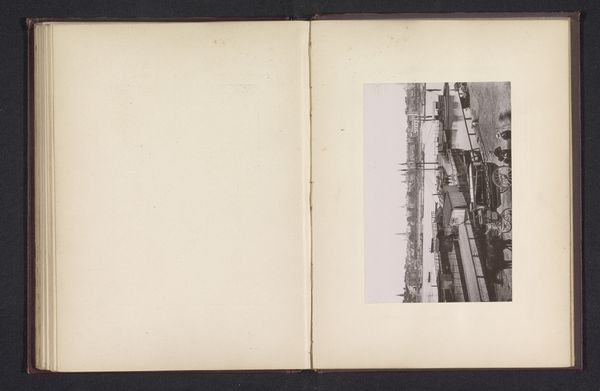
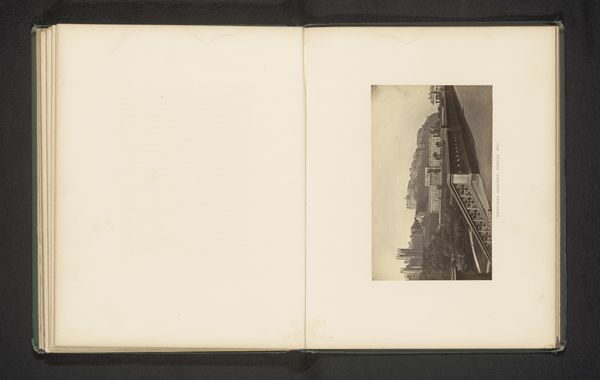
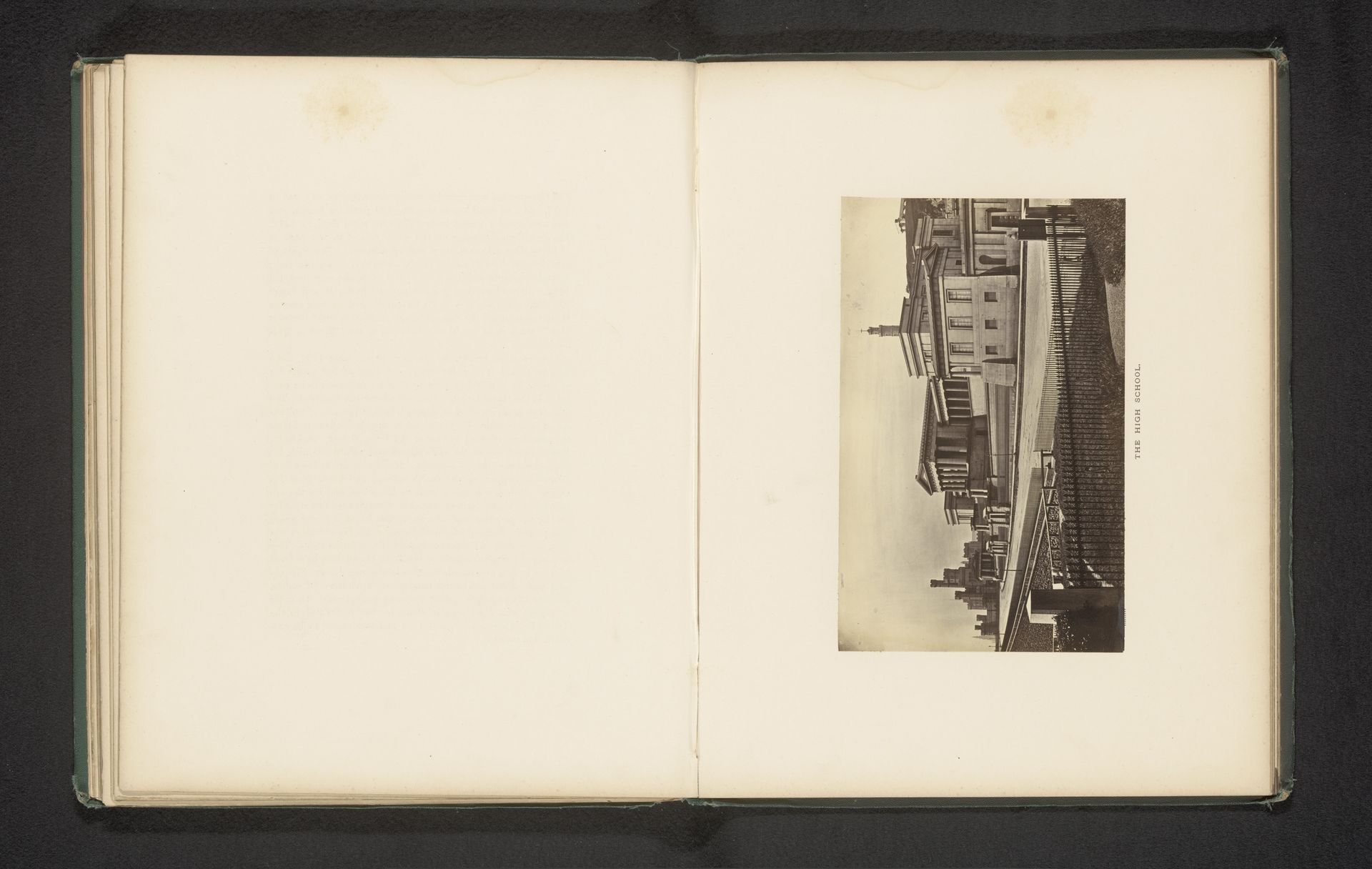
Gezicht op Old Royal High School

Listen to curator's interpretation
Curatorial notes
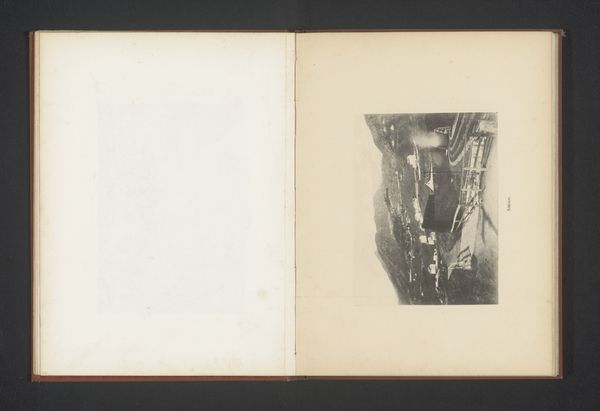
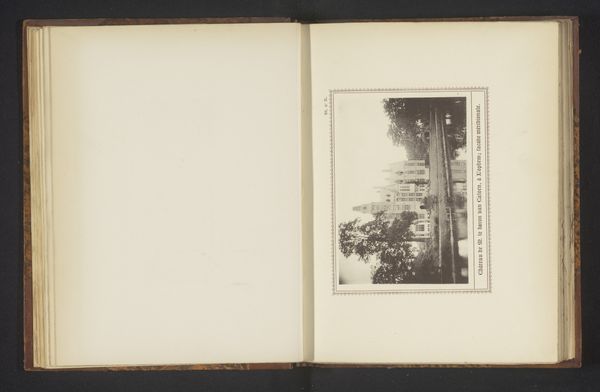
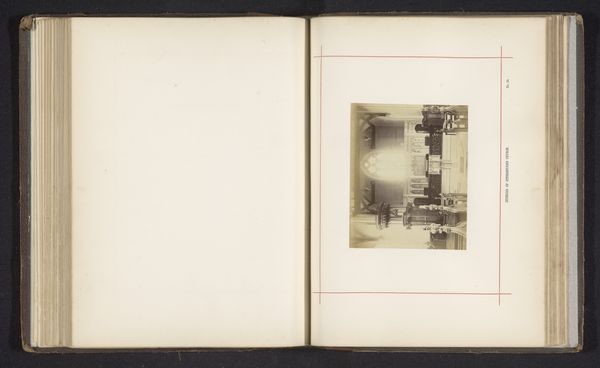
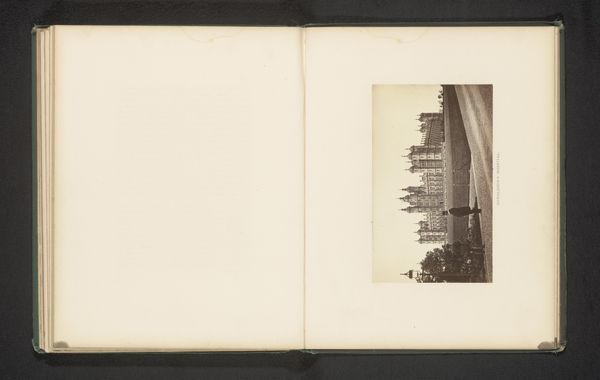
Curator: So, here we have an albumen print from Archibald Burns, likely taken between 1862 and 1867. It's entitled "Gezicht op Old Royal High School," a very direct cityscape view, isn't it? Editor: It is, but something about it feels melancholy. Maybe it’s the sepia tone, or the stark architecture, but there’s an echo of bygone days clinging to the image, wouldn’t you agree? Curator: Definitely a historical record feel, like a wistful snapshot. Burns’ mastery here is in revealing the tangible reality of a very specific place and era. You can practically feel the grit and texture of the stonework, especially considering it's albumen print. Editor: The technical process does intrigue. To consider the chemistry involved - the egg whites, the silver salts reacting to light… it brings to mind a whole workshop and the unseen labour that went into making this image reproducible. Beyond architecture it speaks volumes about nineteenth century industries around image creation. Curator: It highlights the inherent paradox of photography—freezing a moment in time with such tangible and manual effort, all this preparation…Do you get a sense, maybe, about why Burns picked this precise framing of Old Royal High? Editor: Perhaps to showcase not just the grandeur, but also the material reality. I see rows and rows of the school's stonework but also the ironwork bordering what looks like train tracks alongside a narrow street: construction materials are clearly shown at human scale, inviting analysis through its depiction of those specific building materials from a social, material standpoint, revealing aspects related to labor, consumption and materiality. It shows a very solid industrial materiality that gives insight into the Victorian age of production and design. Curator: Fascinating. For me it speaks to a deeper exploration of photography's inherent potential, beyond its objective truth to its creative role. It isn’t a painterly idealization but something more akin to concrete memory or the echoes of forgotten things... What a treasure trove of insights for our own future generations who will reflect upon OUR now long gone present... Editor: Absolutely. And what a legacy embedded in such delicate material; a process so deeply intertwined with organic elements yields this hard record. Thinking materially allows a rich engagement beyond mere aesthetics, allowing an appreciation that enriches the narrative of both the image itself as well its making!