About this artwork
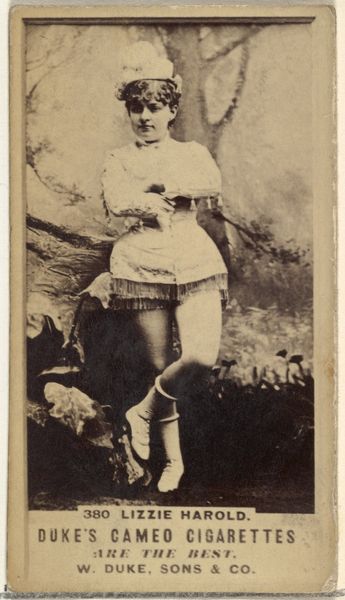
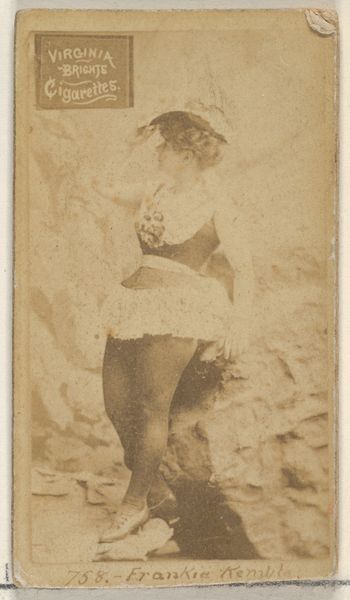
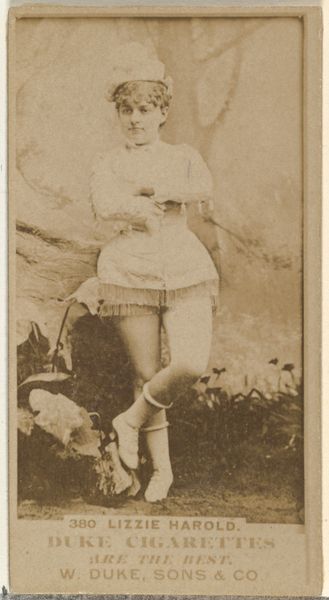
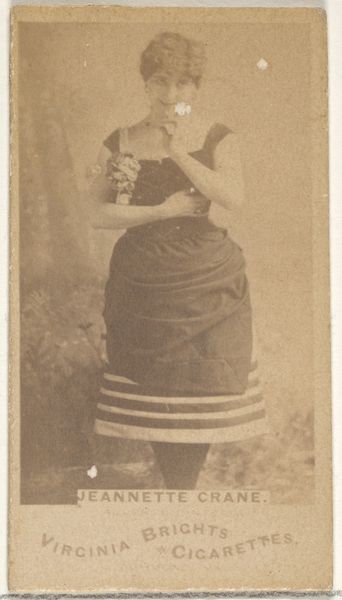
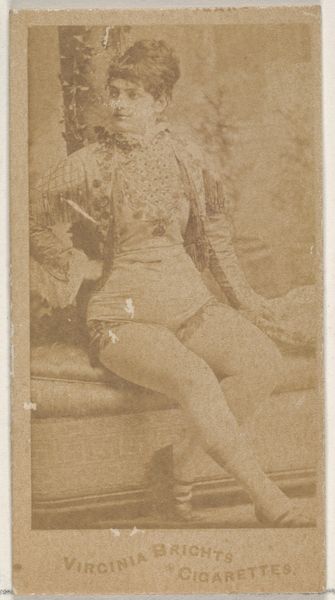
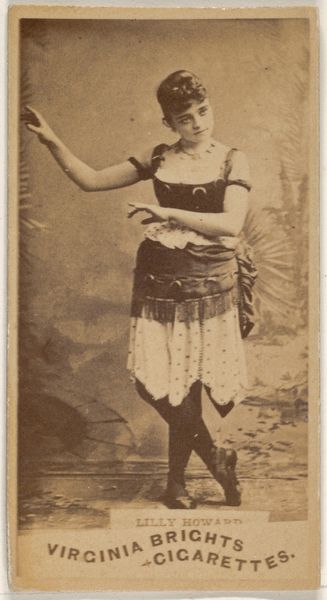
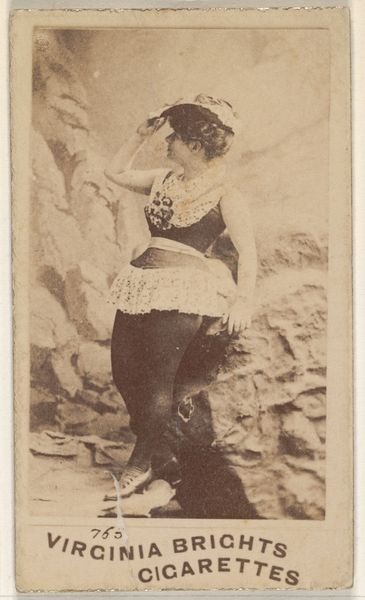
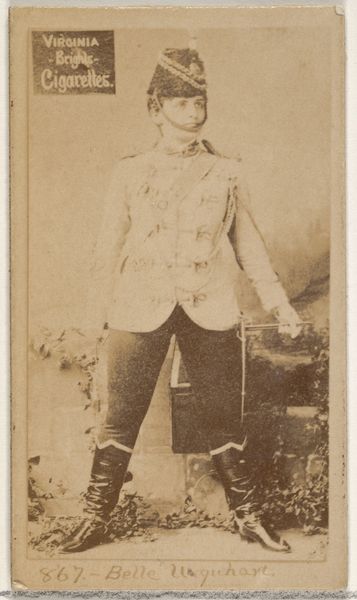
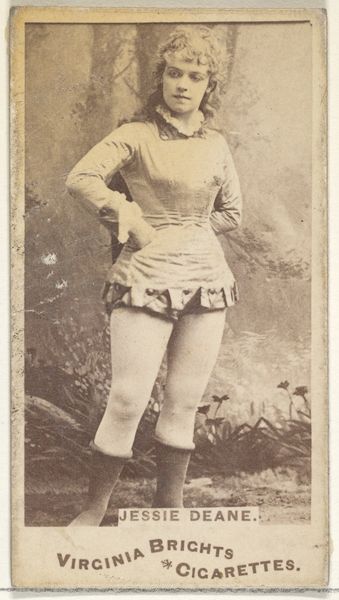
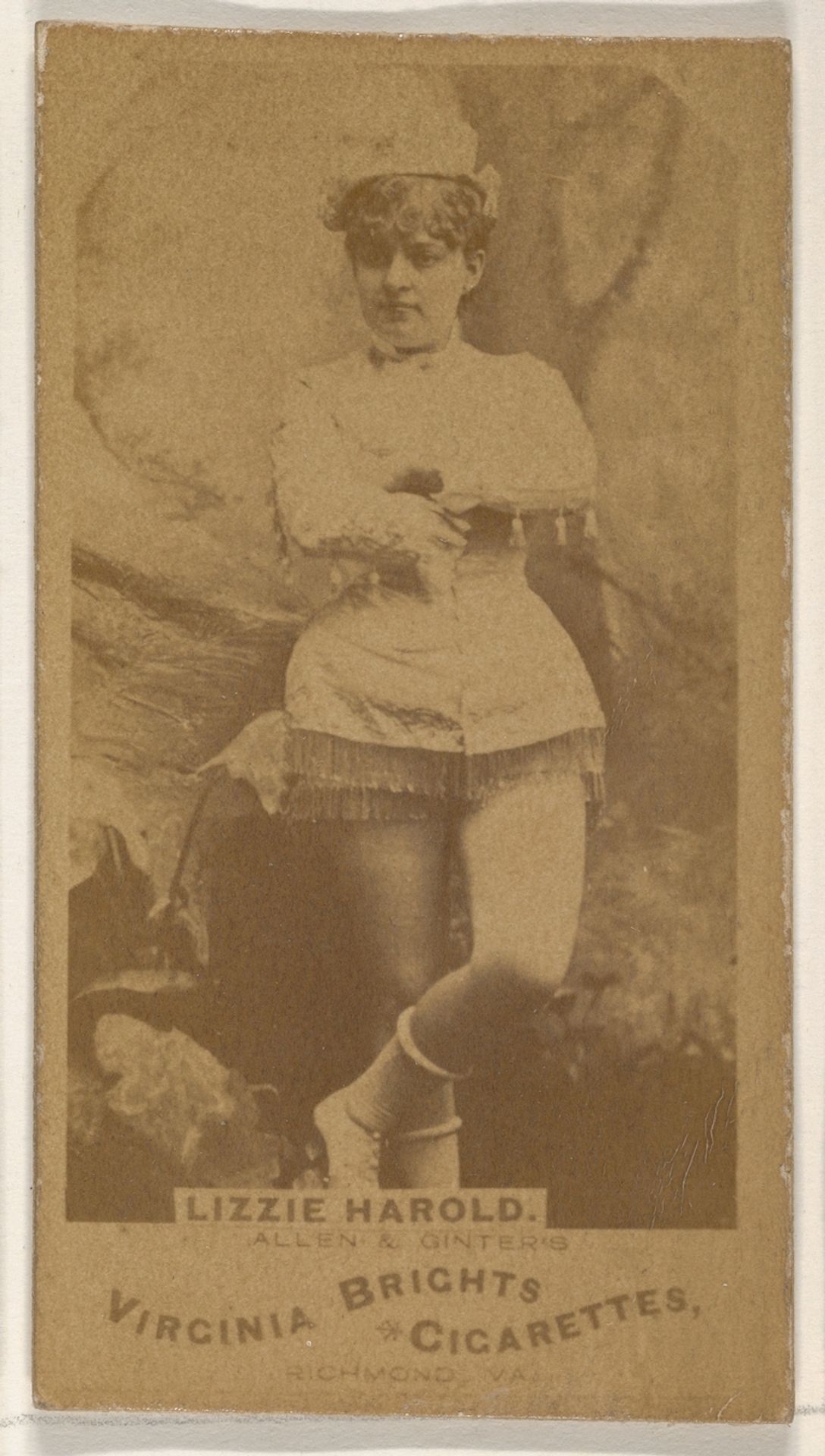
This card featuring Lizzie Harold was made by Allen and Ginter for Virginia Brights Cigarettes, and it exemplifies a fascinating moment in the history of image-making and consumer culture. Printed on thin card stock, the image has a sepia tone typical of late 19th-century photographic processes. These cards were not conceived as precious art objects. Instead, they were cheaply produced and widely distributed as promotional items in cigarette packs. Consider the labor involved in producing these images on a mass scale: from the photographers and printers to the factory workers who packaged them with cigarettes. The image's value lies in its mass-producibility and disposability, reflecting the rise of consumer culture and the industrialization of image production. Cards like this challenge our traditional notions of art. They occupy a space between commercial ephemera, celebrity culture, and a record of how the rise of mass media changed our relationship to work, leisure, and representation.
Lizzie Harold, from the Actors and Actresses series (N45, Type 1) for Virginia Brights Cigarettes 1885 - 1891


Artwork details
- Medium
- drawing, print, photography
- Dimensions
- Sheet: 2 3/4 x 1 3/8 in. (7 x 3.5 cm)
- Location
- Metropolitan Museum of Art, New York, NY
- Copyright
- Public Domain
Tags
portrait
drawing
pictorialism
photography
genre-painting
Comments
No comments
About this artwork
This card featuring Lizzie Harold was made by Allen and Ginter for Virginia Brights Cigarettes, and it exemplifies a fascinating moment in the history of image-making and consumer culture. Printed on thin card stock, the image has a sepia tone typical of late 19th-century photographic processes. These cards were not conceived as precious art objects. Instead, they were cheaply produced and widely distributed as promotional items in cigarette packs. Consider the labor involved in producing these images on a mass scale: from the photographers and printers to the factory workers who packaged them with cigarettes. The image's value lies in its mass-producibility and disposability, reflecting the rise of consumer culture and the industrialization of image production. Cards like this challenge our traditional notions of art. They occupy a space between commercial ephemera, celebrity culture, and a record of how the rise of mass media changed our relationship to work, leisure, and representation.
Comments
No comments