About this artwork
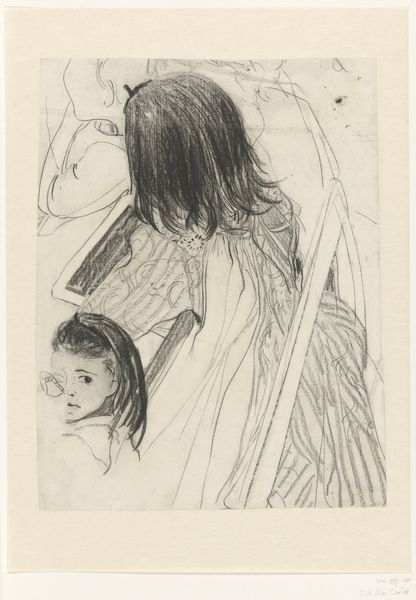
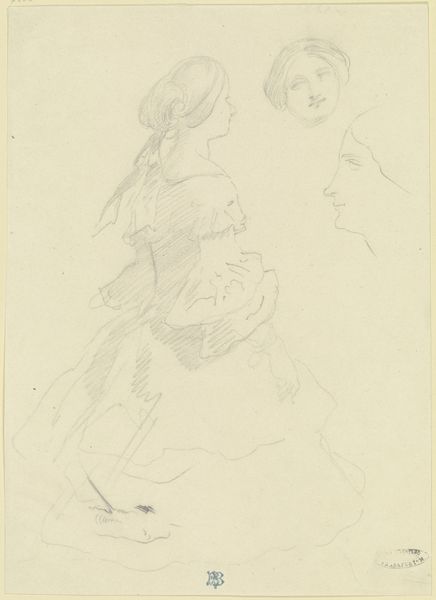
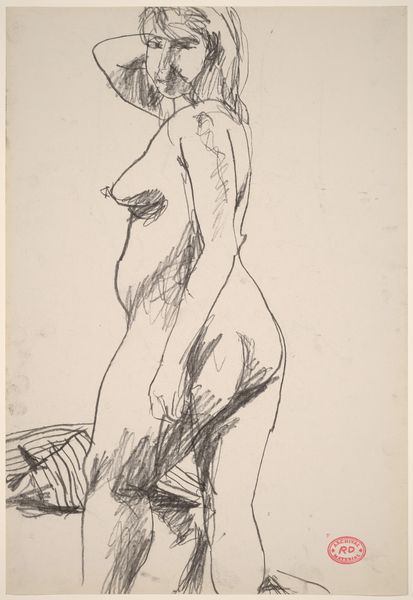
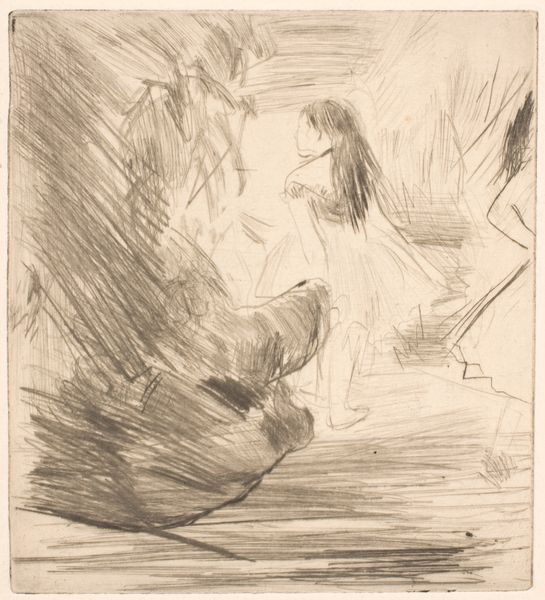
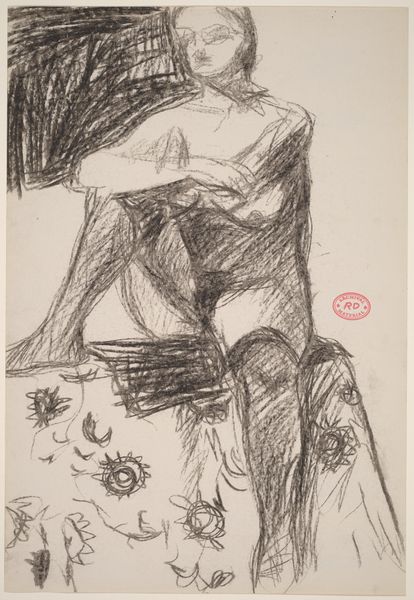
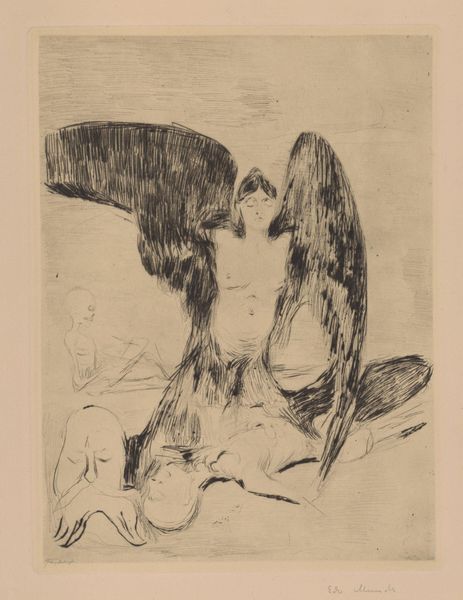
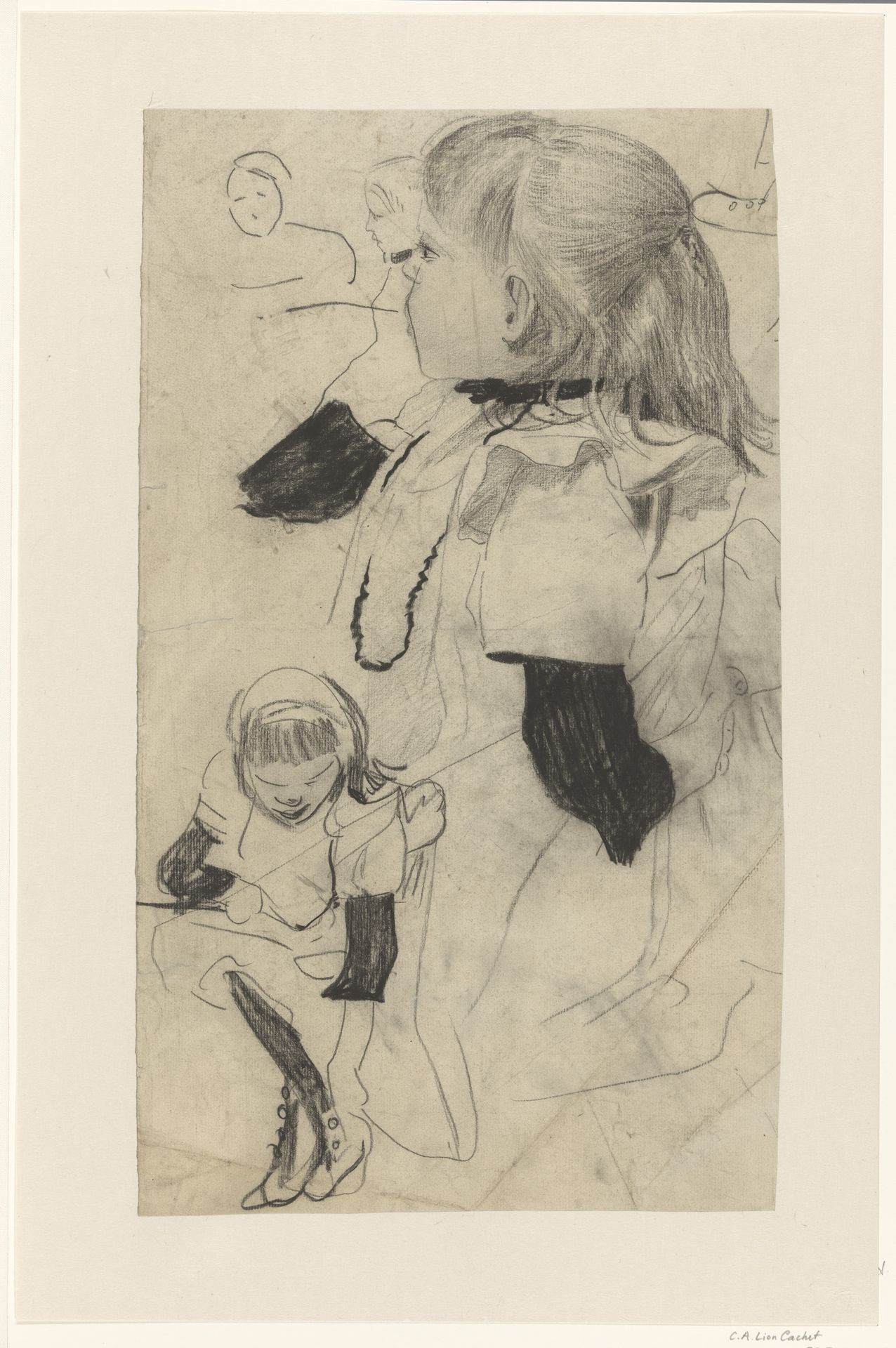
Carel Adolph Lion Cachet made these Studies van een jong meisje with sketchy marks, probably using graphite or charcoal. It’s so process-oriented, you can almost feel the artist circling around the subject, trying to capture her essence from different angles. Look at the texture of the paper, how it interacts with the charcoal, creating this almost ghostly, soft focus effect. I’m really drawn to the area around the seated girl’s hands, see how the lines are so tentative, searching. It reminds me that artmaking is like a conversation, a back-and-forth between the artist and the medium. The way Cachet uses line here is reminiscent of Degas, especially his drawings of dancers, capturing fleeting moments. Ultimately, art is an ongoing conversation, an exchange of ideas across time, and ambiguity is not a weakness but a strength, inviting multiple interpretations and keeping the dialogue alive.
Studies van een jong meisje
1874 - 1945

Carel Adolph Lion Cachet
1864 - 1945Location
RijksmuseumArtwork details
- Dimensions
- height 489 mm, width 280 mm
- Location
- Rijksmuseum
- Copyright
- Rijks Museum: Open Domain
Comments
Share your thoughts
About this artwork
Carel Adolph Lion Cachet made these Studies van een jong meisje with sketchy marks, probably using graphite or charcoal. It’s so process-oriented, you can almost feel the artist circling around the subject, trying to capture her essence from different angles. Look at the texture of the paper, how it interacts with the charcoal, creating this almost ghostly, soft focus effect. I’m really drawn to the area around the seated girl’s hands, see how the lines are so tentative, searching. It reminds me that artmaking is like a conversation, a back-and-forth between the artist and the medium. The way Cachet uses line here is reminiscent of Degas, especially his drawings of dancers, capturing fleeting moments. Ultimately, art is an ongoing conversation, an exchange of ideas across time, and ambiguity is not a weakness but a strength, inviting multiple interpretations and keeping the dialogue alive.
Comments
Share your thoughts