About this artwork
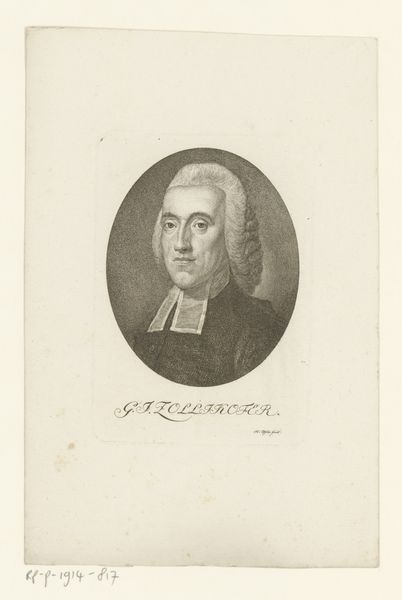
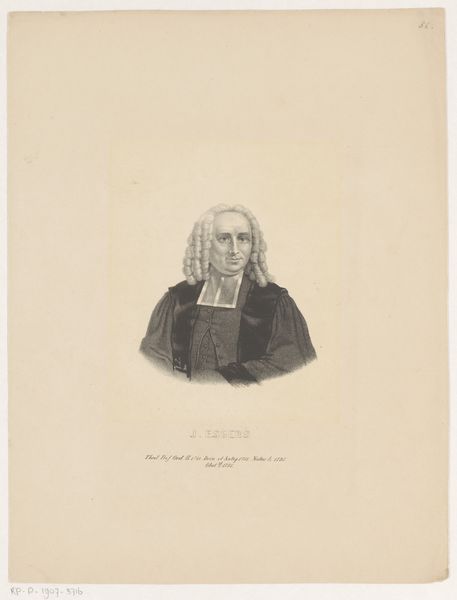
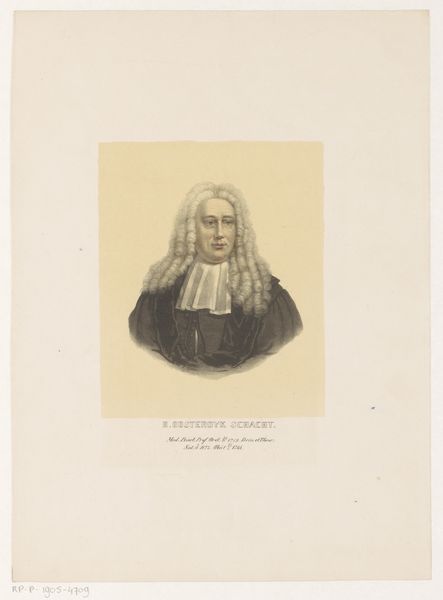
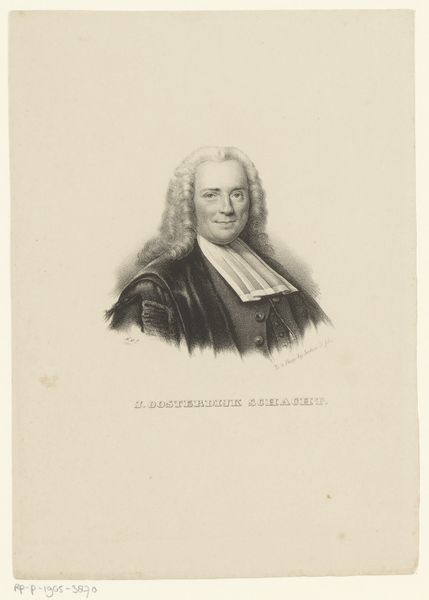
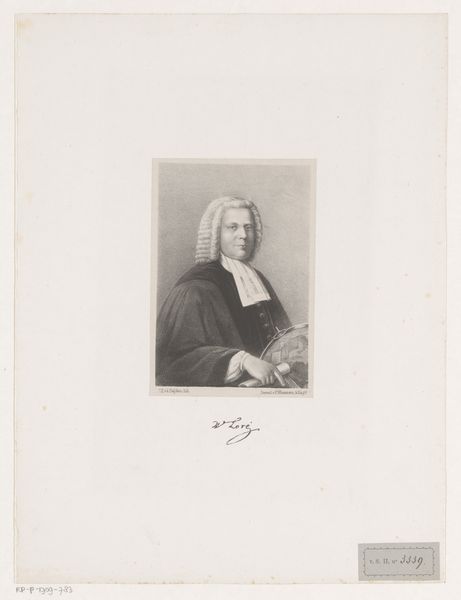
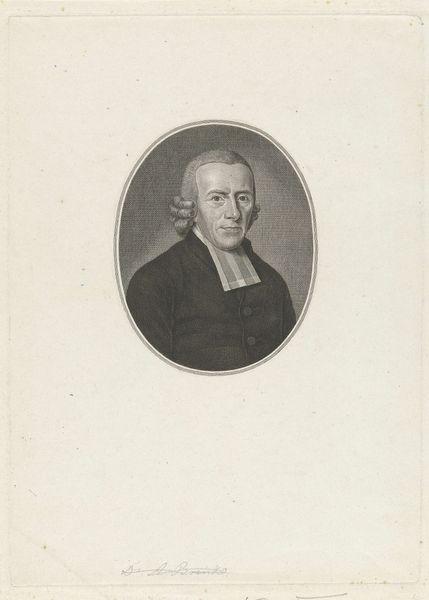
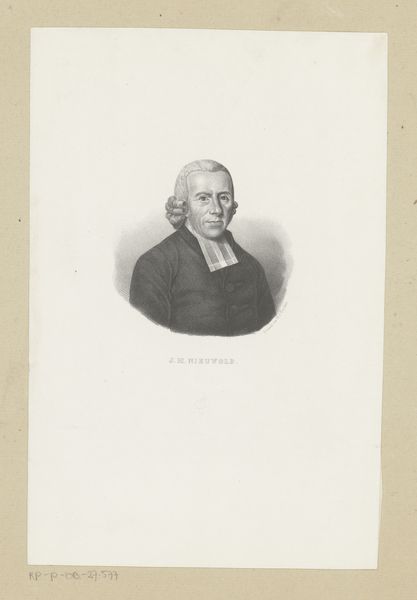
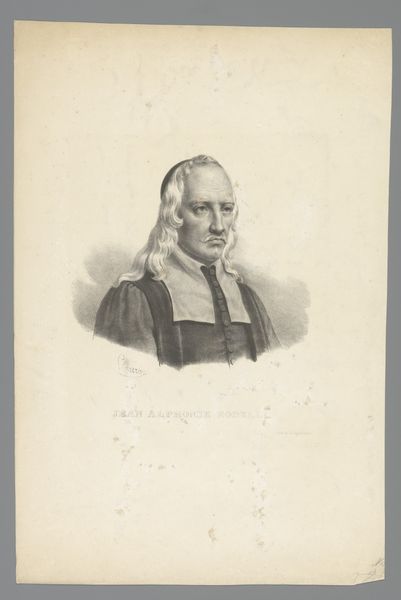
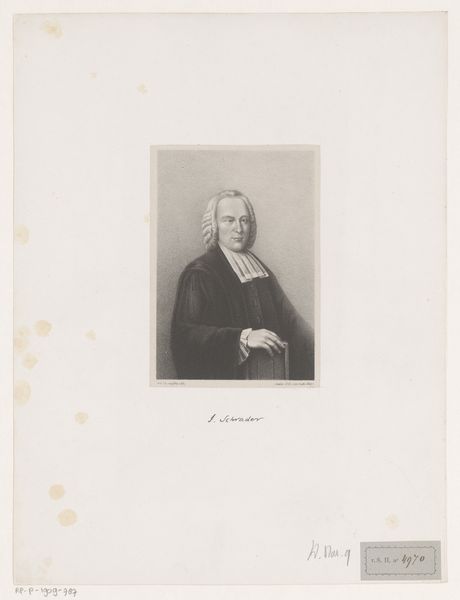
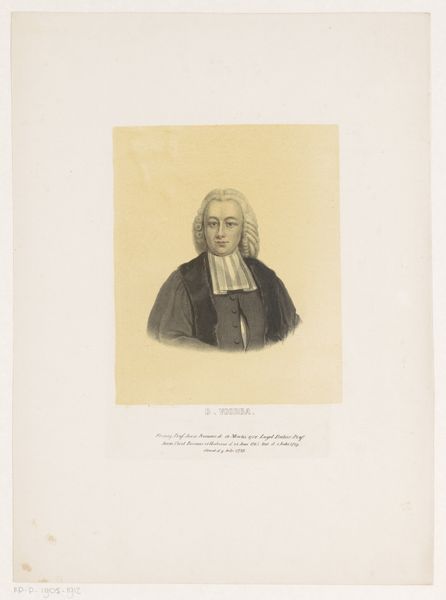
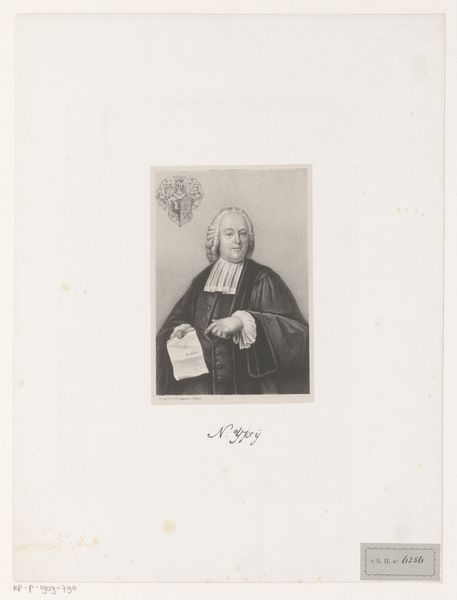
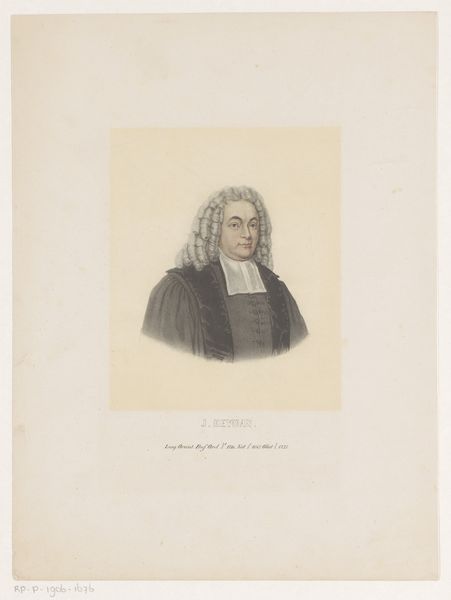
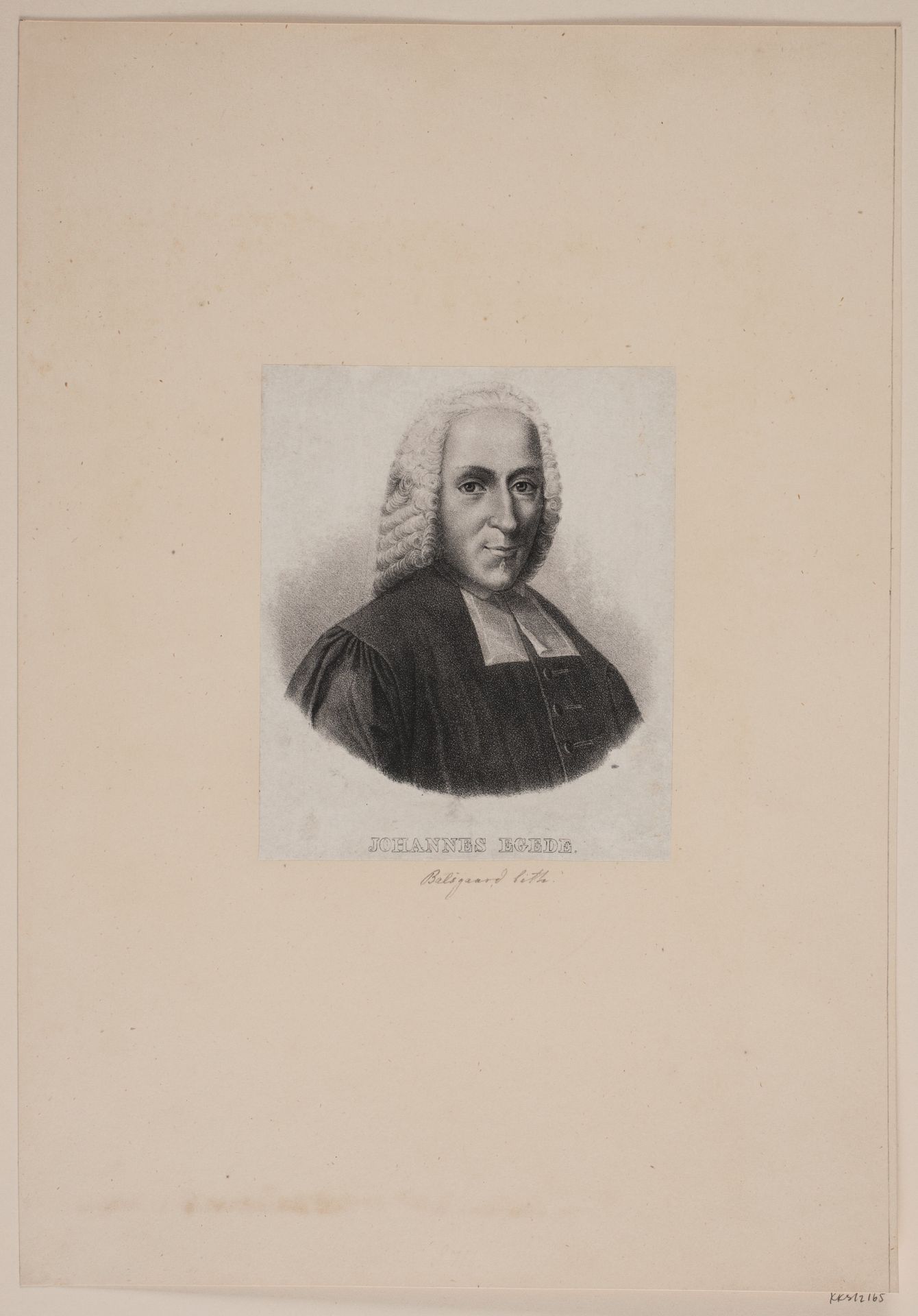
Carl Balsgaard made this portrait of Hans Egede using lithography, a printing technique that democratized image production in the 19th century. Egede was a Norwegian-Danish Lutheran missionary, known for his mission to Greenland in 1721, where he attempted to convert the Inuit population to Christianity. Looking at this print, we might think about the visual codes that convey Egede's authority. The powdered wig and clerical collar mark him as a figure of the European Enlightenment and the established church. But consider also what is left out. There are no Inuit figures. Greenland itself is absent. This is a portrait of European power and religious authority, made for a European audience. Historians of colonialism have examined Egede's diaries and other archival materials to understand the social and cultural impact of his mission on Greenland. The print then, is just one piece of evidence in the complex history of cultural exchange and religious conversion between Europe and Greenland.
Hans Egede 1812 - 1893


Artwork details
- Medium
- lithograph, print
- Dimensions
- 132 mm (height) x 110 mm (width) (bladmaal)
- Location
- SMK - Statens Museum for Kunst
Tags
portrait
lithograph
figuration
Comments
No comments
About this artwork
Carl Balsgaard made this portrait of Hans Egede using lithography, a printing technique that democratized image production in the 19th century. Egede was a Norwegian-Danish Lutheran missionary, known for his mission to Greenland in 1721, where he attempted to convert the Inuit population to Christianity. Looking at this print, we might think about the visual codes that convey Egede's authority. The powdered wig and clerical collar mark him as a figure of the European Enlightenment and the established church. But consider also what is left out. There are no Inuit figures. Greenland itself is absent. This is a portrait of European power and religious authority, made for a European audience. Historians of colonialism have examined Egede's diaries and other archival materials to understand the social and cultural impact of his mission on Greenland. The print then, is just one piece of evidence in the complex history of cultural exchange and religious conversion between Europe and Greenland.
Comments
No comments