before 1872
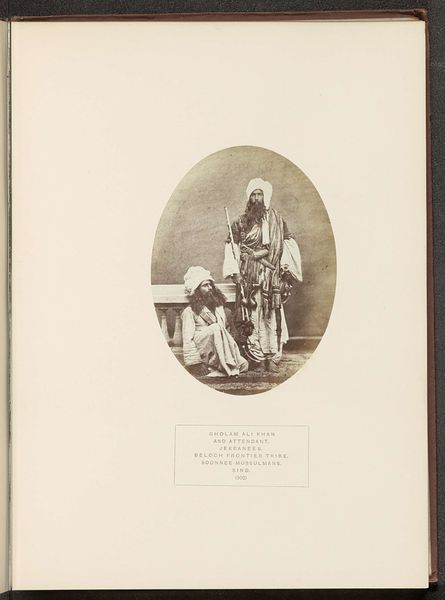
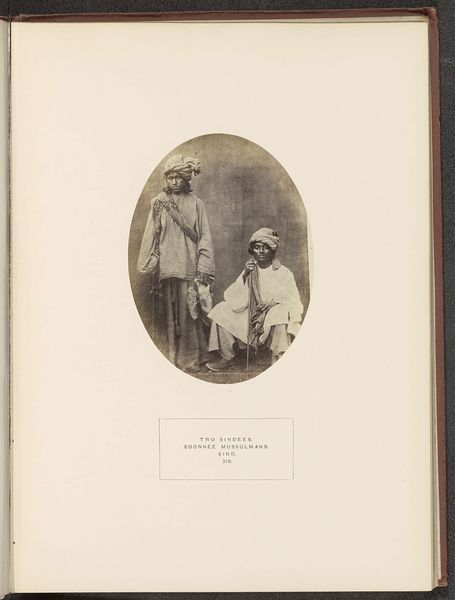
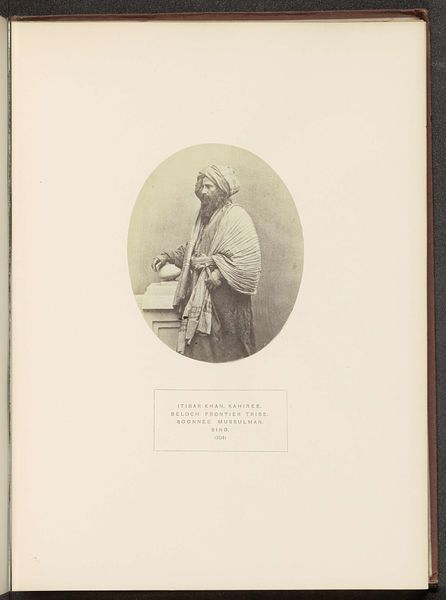
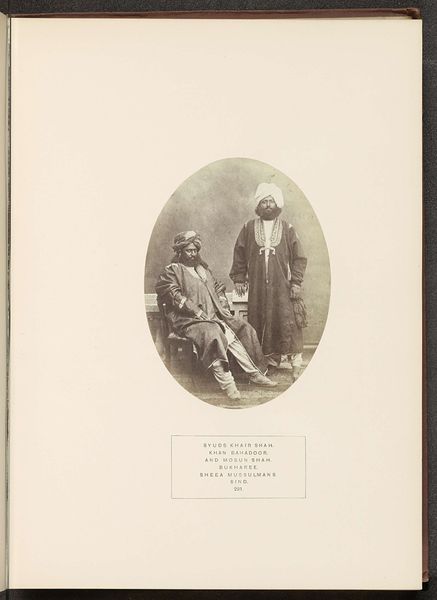
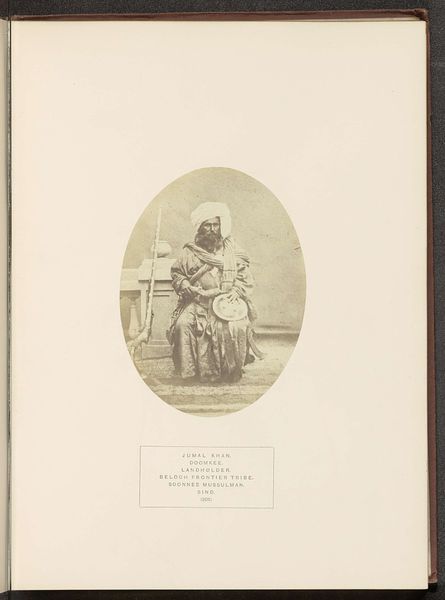
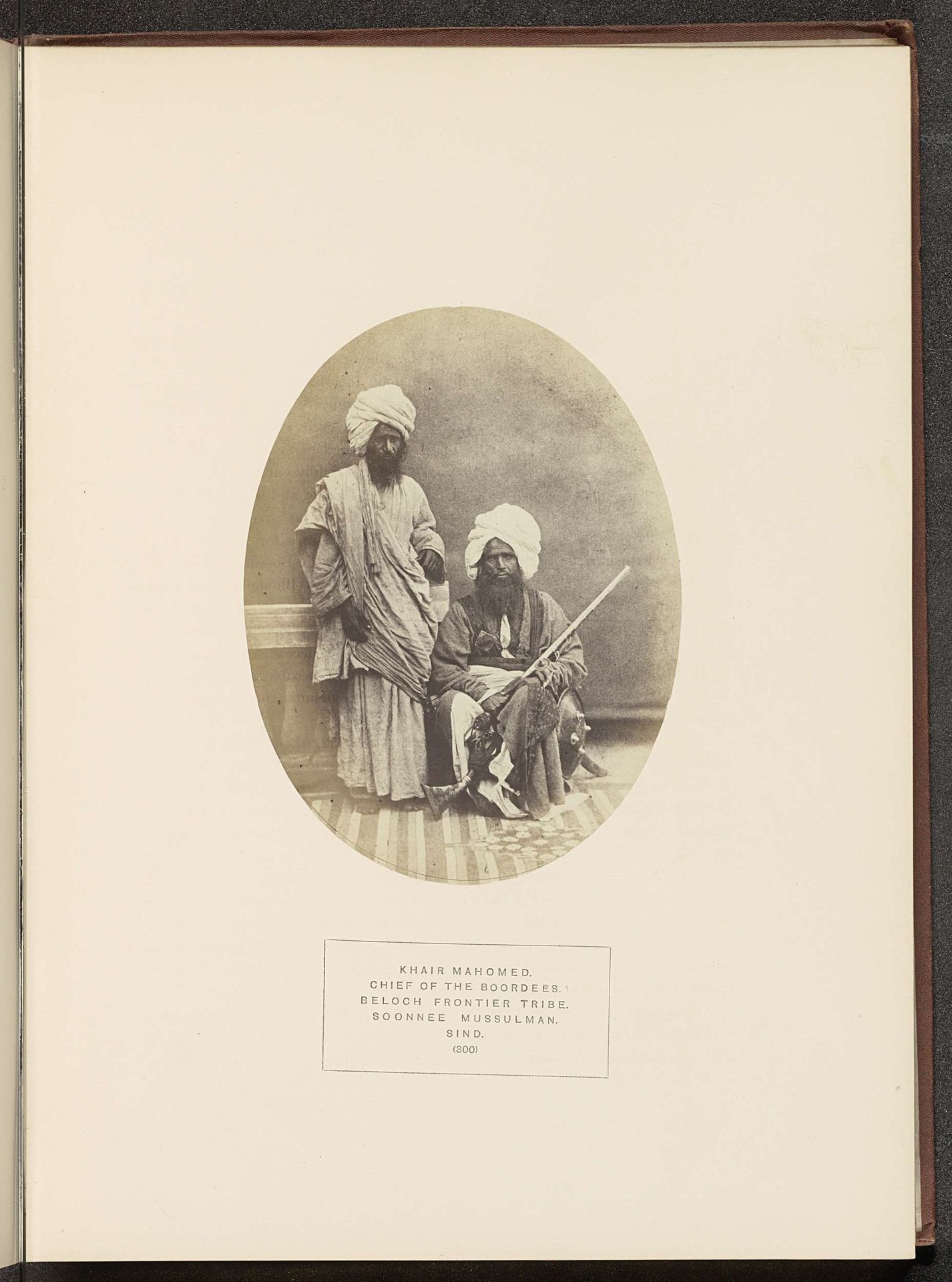
Portret van Khair Mahomed, het hoofd van een Baloch-stam, en een bediende

Listen to curator's interpretation
Curatorial notes
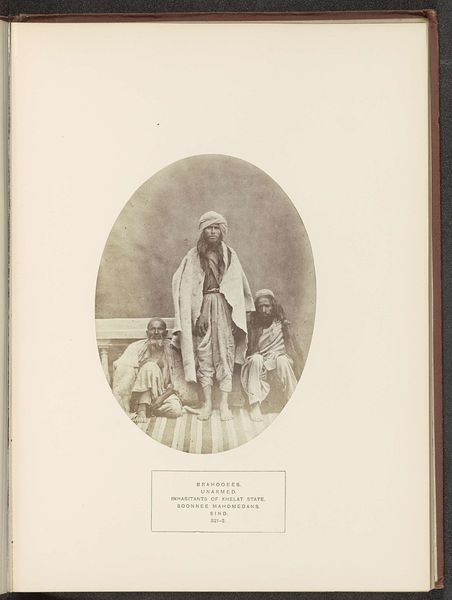
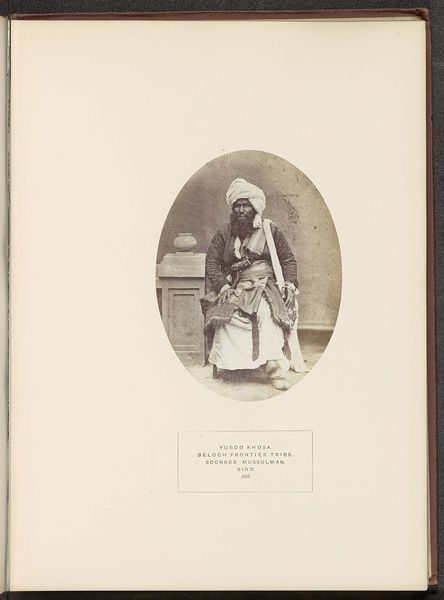
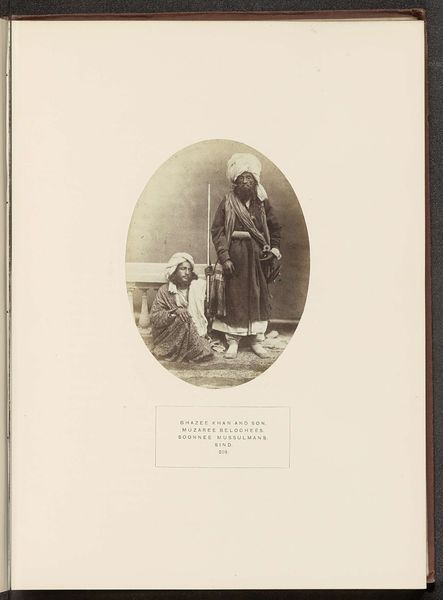
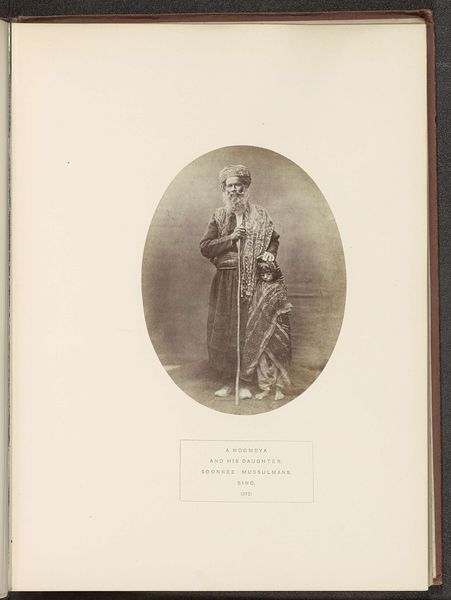
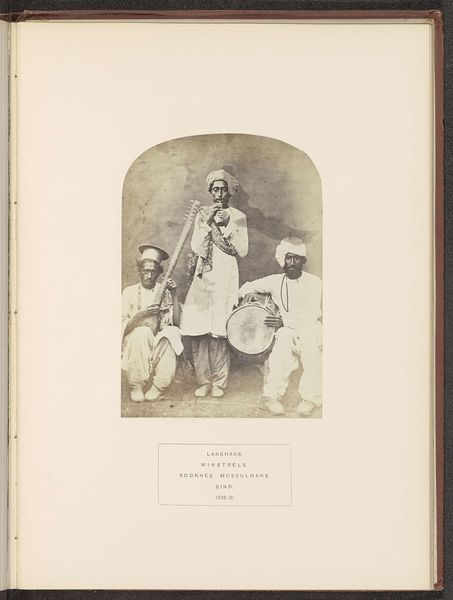
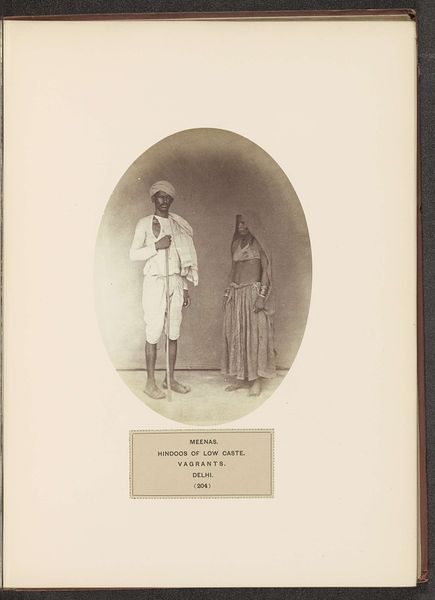
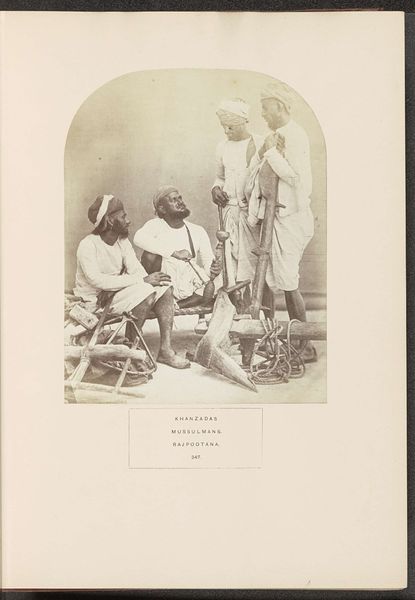
This photographic print by Henry Charles Baskerville Tanner captures Khair Mahomed, a Baloch tribal chief, with an attendant. Photography in the 19th century was a complex blend of science and craft, involving the careful manipulation of chemicals and light-sensitive materials. The albumen print process used here was particularly labor-intensive, requiring a coating of albumen—egg white—on paper to create a smooth surface for the photographic emulsion. This technique, while capable of producing fine detail, was also time-consuming and relied heavily on skilled labor. The social context of this portrait is crucial. Tanner, as a photographer working within the British colonial context, was involved in the visual representation of indigenous peoples. Photography became a tool of documentation and control. The very act of photographing Khair Mahomed reflects a power dynamic inherent in colonial encounters. Thinking about the materials, process, and social context allows us to understand the complex layers of meaning embedded in this seemingly straightforward portrait.