About this artwork
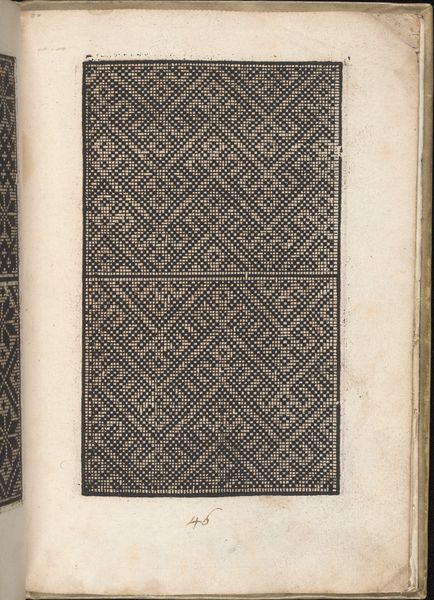
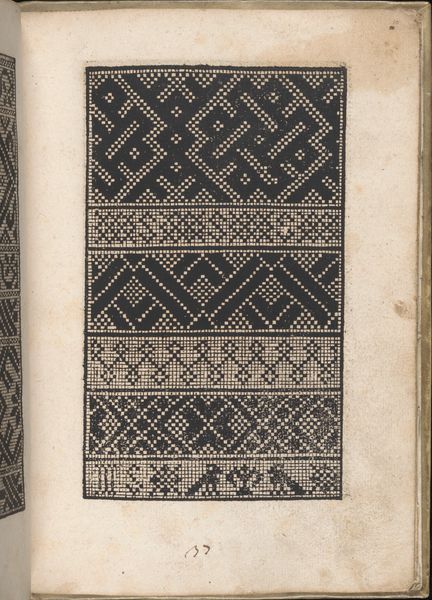
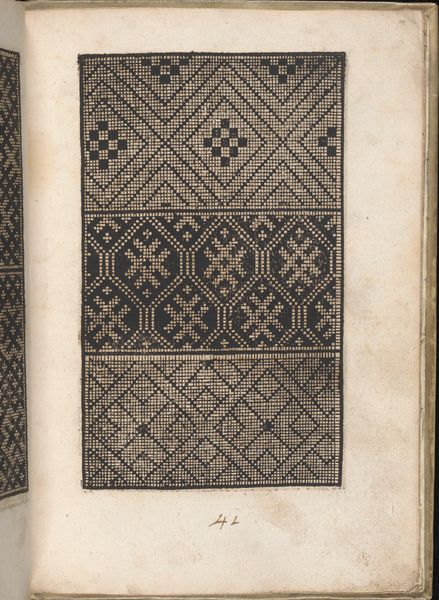
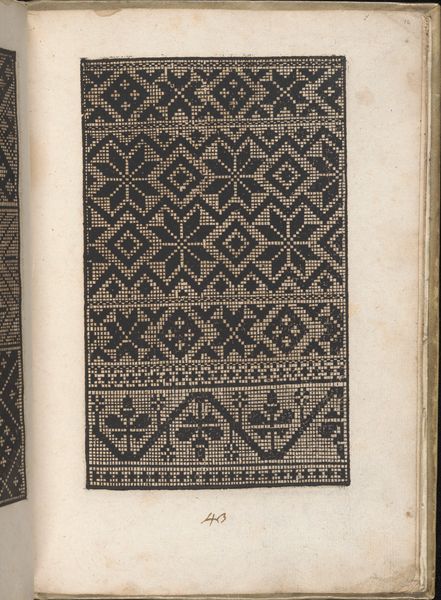
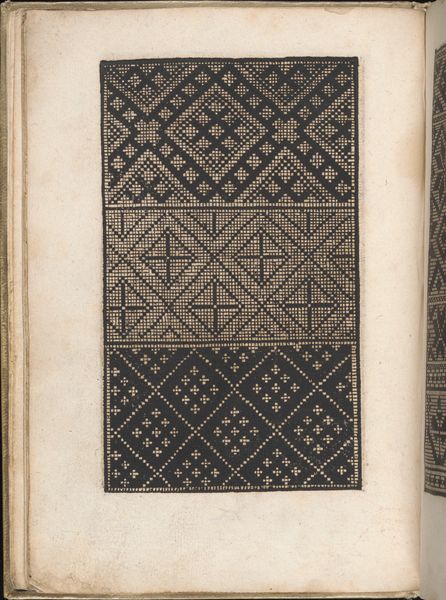
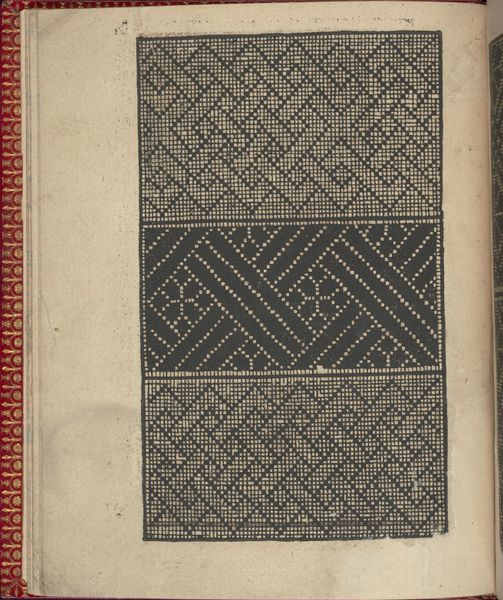
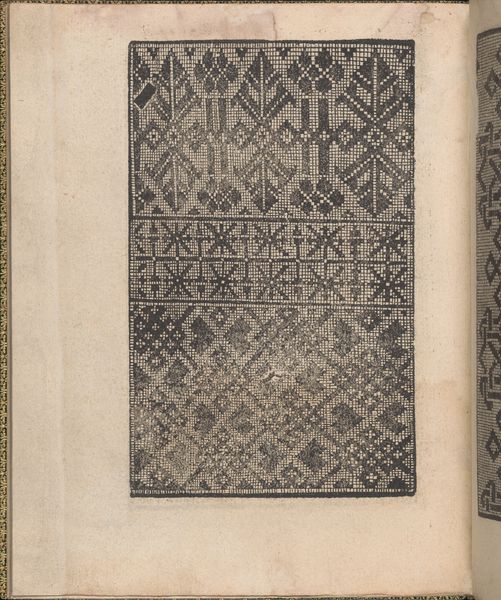
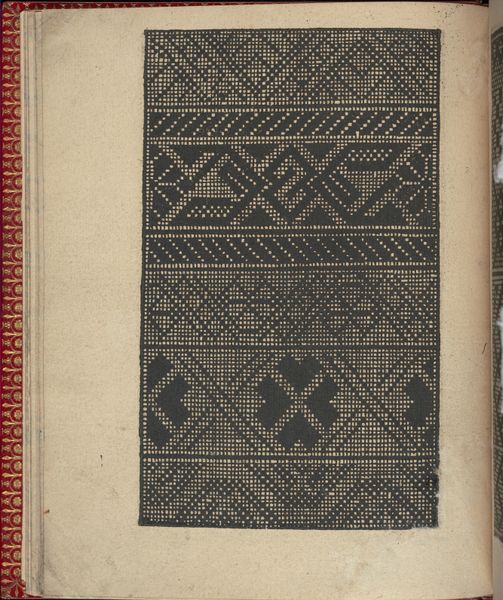
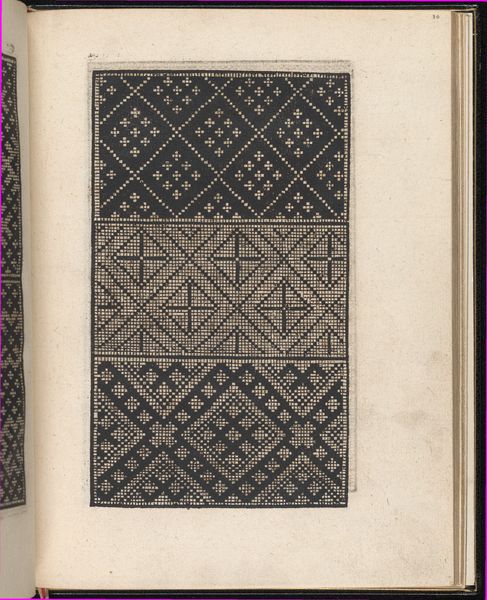
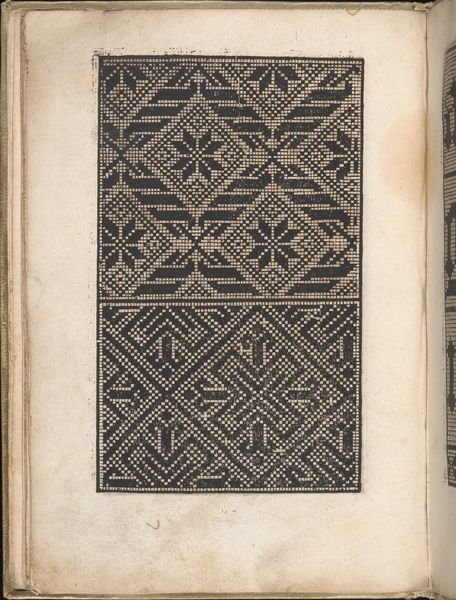
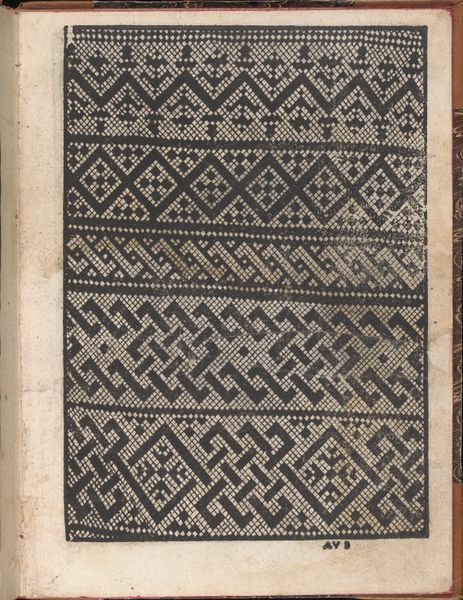
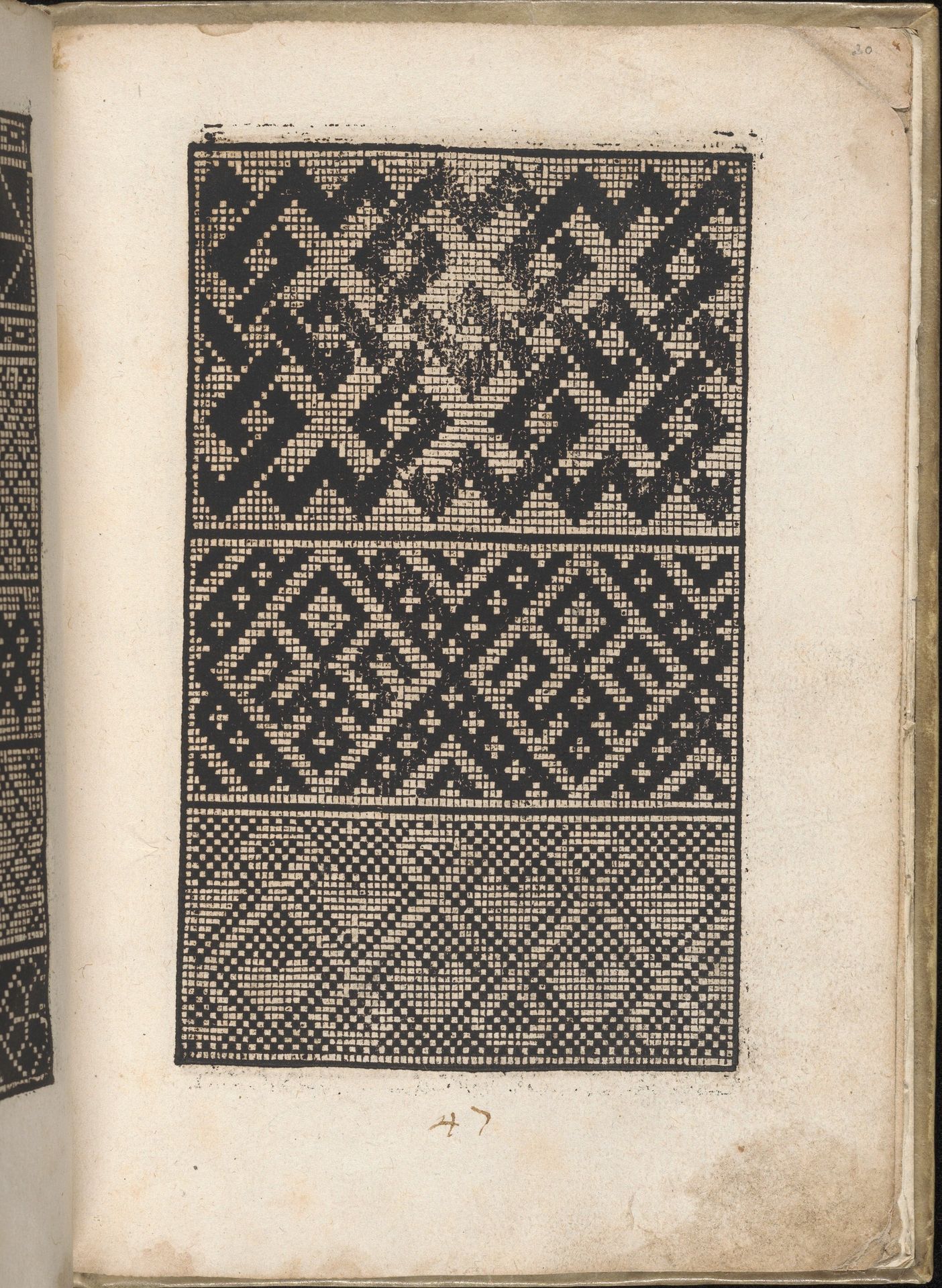
This is page 20v from ‘Eyn new kunstlich boich,’ or ‘A New Book of Patterns,’ a woodcut book created around 1530 by Peter Quentel in Cologne, Germany. During the early 16th century, pattern books like this one played a crucial role in spreading design ideas across Europe. This page features three distinct geometric patterns, each demonstrating the intricate designs that could be achieved through counted thread embroidery. These weren't just decorative; they reflected a woman's skill, patience, and virtue. As women transferred these patterns onto fabric, they weren't merely copying designs; they were participating in a larger cultural dialogue about the value of women's labor and artistry within the domestic sphere. The emotional connection to these pieces resided in the slow, deliberate process of creation, each stitch a testament to personal expression and cultural identity. Quentel's book and others like it allowed for the democratization of design, moving away from unique commissions, and fostering a sense of collective artistic experience.
Eyn new kunstlichboich, page 20v
1529


Artwork details
- Medium
- drawing, graphic-art, print, woodcut
- Dimensions
- Overall: 7 7/8 x 5 1/2 in. (20 x 14 cm)
- Location
- Metropolitan Museum of Art, New York, NY
- Copyright
- Public Domain
Tags
drawing
graphic-art
book
11_renaissance
geometric
woodcut
Comments
Be the first to share your thoughts about this work.
About this artwork
This is page 20v from ‘Eyn new kunstlich boich,’ or ‘A New Book of Patterns,’ a woodcut book created around 1530 by Peter Quentel in Cologne, Germany. During the early 16th century, pattern books like this one played a crucial role in spreading design ideas across Europe. This page features three distinct geometric patterns, each demonstrating the intricate designs that could be achieved through counted thread embroidery. These weren't just decorative; they reflected a woman's skill, patience, and virtue. As women transferred these patterns onto fabric, they weren't merely copying designs; they were participating in a larger cultural dialogue about the value of women's labor and artistry within the domestic sphere. The emotional connection to these pieces resided in the slow, deliberate process of creation, each stitch a testament to personal expression and cultural identity. Quentel's book and others like it allowed for the democratization of design, moving away from unique commissions, and fostering a sense of collective artistic experience.
Comments
Be the first to share your thoughts about this work.