About this artwork
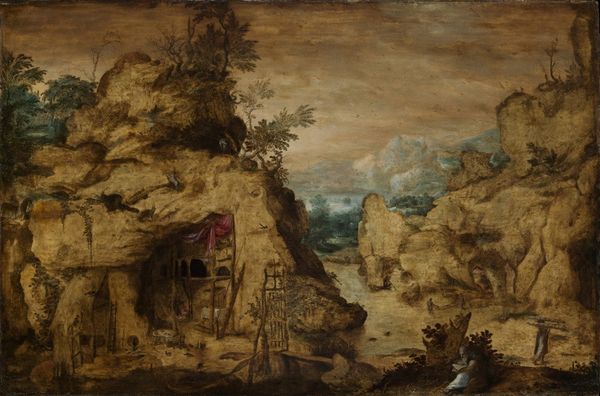
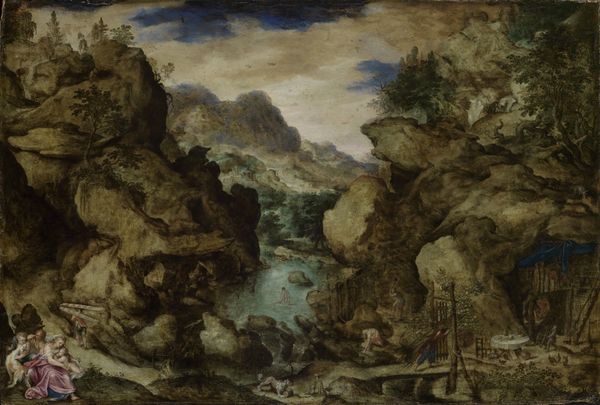
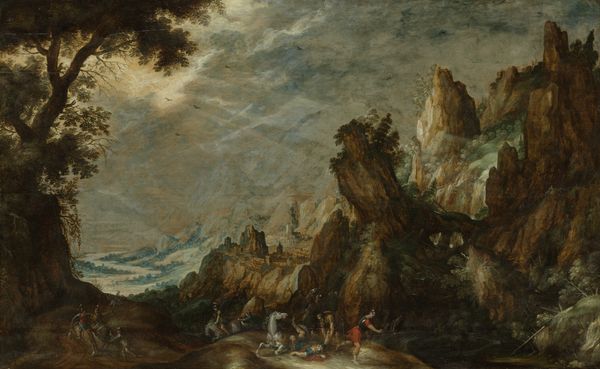
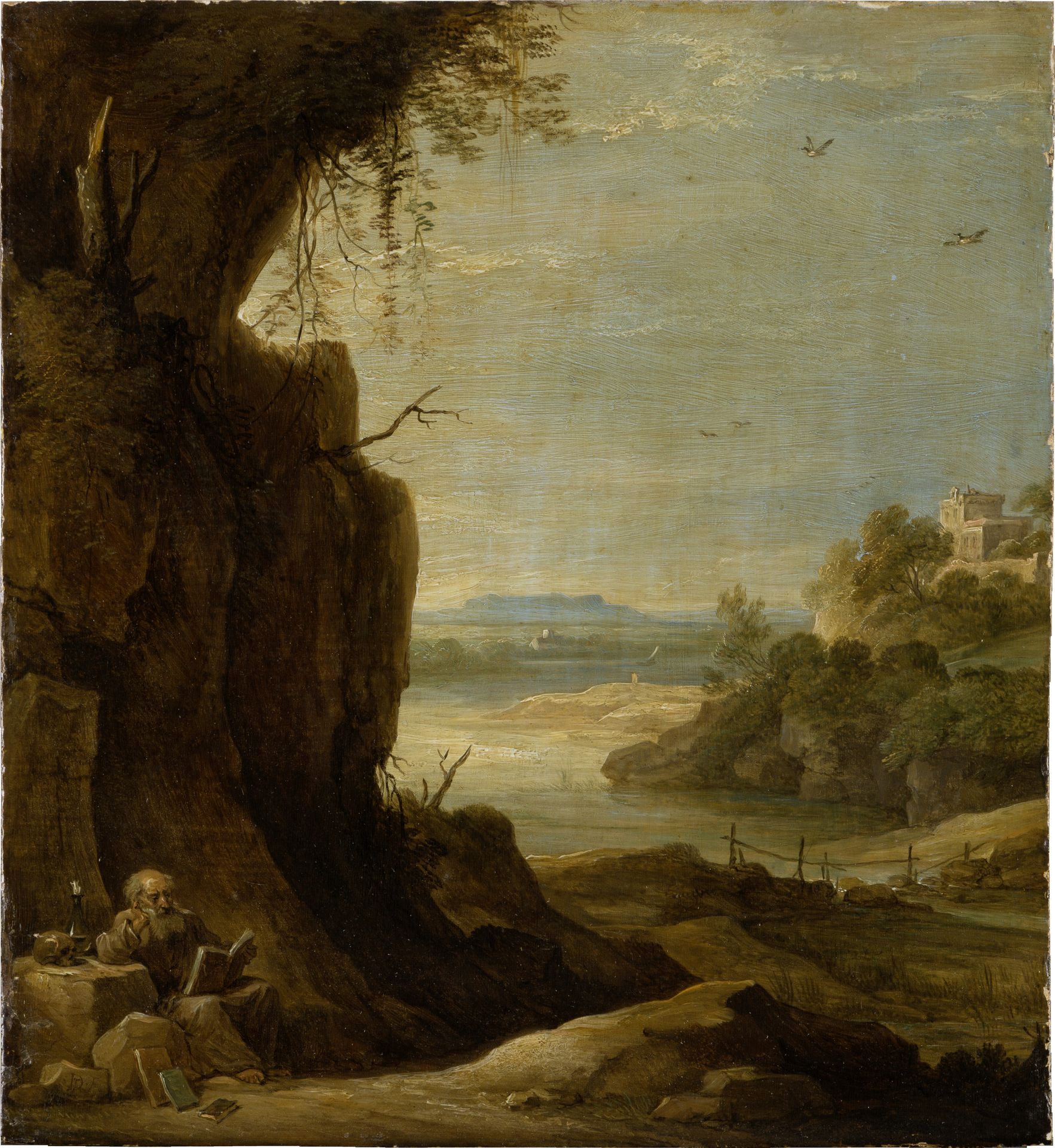
David Teniers the Younger painted this landscape on wood, depicting St. Anthony the Hermit. The saint is shown in a rocky setting, absorbed in reading. Note the recurrent motif of the cave, a symbol resonating across epochs. Here, it is a place of retreat and contemplation. The cave appears in many guises through history, a motif that evolved from a maternal symbol of safety and rebirth to a place of spiritual quest. We see the hermit in his cave, illuminated by the light of knowledge, not unlike Plato’s allegory of the cave. Observe how Teniers has rendered the intensity of introspection, a powerful, recurring theme in art across eras. The solitary figure, immersed in thought, engages viewers on a subconscious level, echoing humanity's eternal quest for understanding. The image becomes more than a mere depiction; it transforms into a mirror reflecting our own contemplative moments. The cyclical progression of this symbol resurfaces and takes on new meanings in different historical contexts.
Southern Landscape with St Anthony the Hermit
c. 1645 - 1650


Artwork details
- Medium
- oil-paint, oil
- Dimensions
- 26.2 x 24.2 x min. 0.5 cm
- Location
- Städel Museum
- Copyright
- Public Domain
Tags
Comments
Share your thoughts
About this artwork
David Teniers the Younger painted this landscape on wood, depicting St. Anthony the Hermit. The saint is shown in a rocky setting, absorbed in reading. Note the recurrent motif of the cave, a symbol resonating across epochs. Here, it is a place of retreat and contemplation. The cave appears in many guises through history, a motif that evolved from a maternal symbol of safety and rebirth to a place of spiritual quest. We see the hermit in his cave, illuminated by the light of knowledge, not unlike Plato’s allegory of the cave. Observe how Teniers has rendered the intensity of introspection, a powerful, recurring theme in art across eras. The solitary figure, immersed in thought, engages viewers on a subconscious level, echoing humanity's eternal quest for understanding. The image becomes more than a mere depiction; it transforms into a mirror reflecting our own contemplative moments. The cyclical progression of this symbol resurfaces and takes on new meanings in different historical contexts.
Comments
Share your thoughts