About this artwork
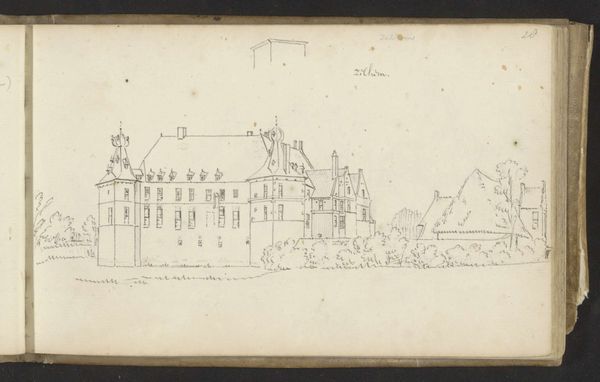
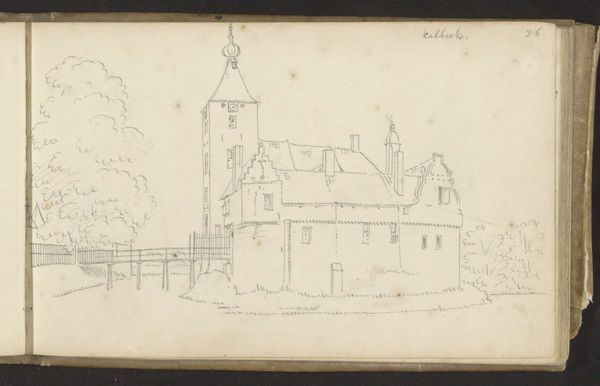
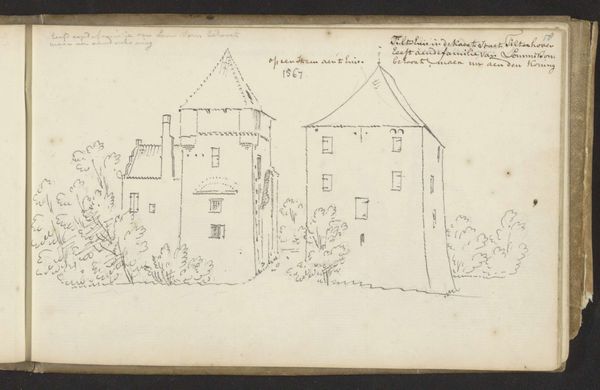
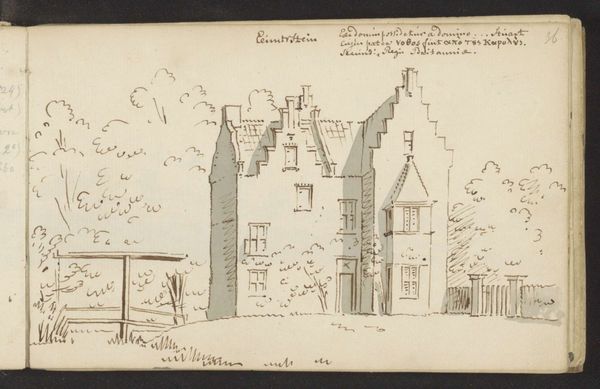
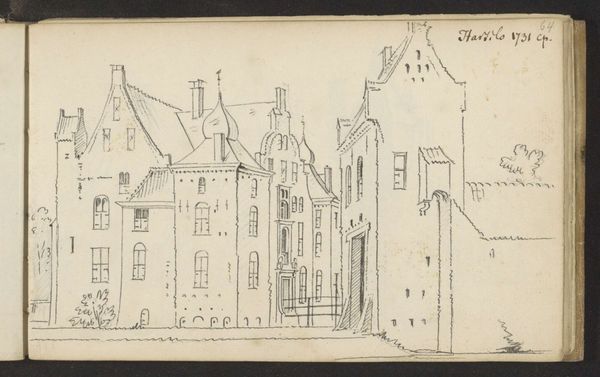
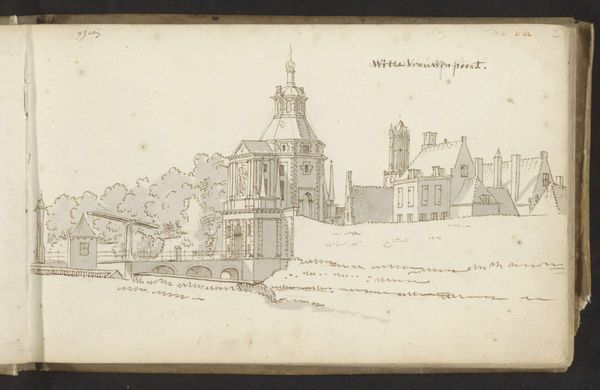
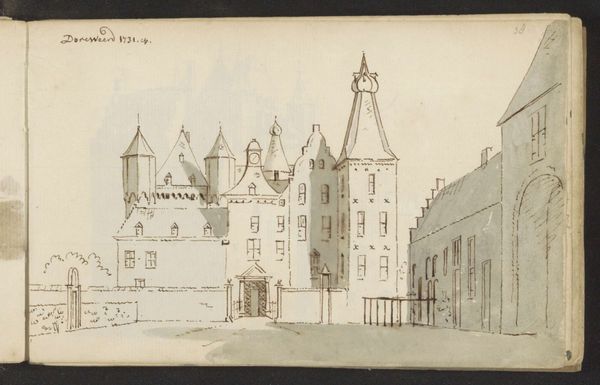
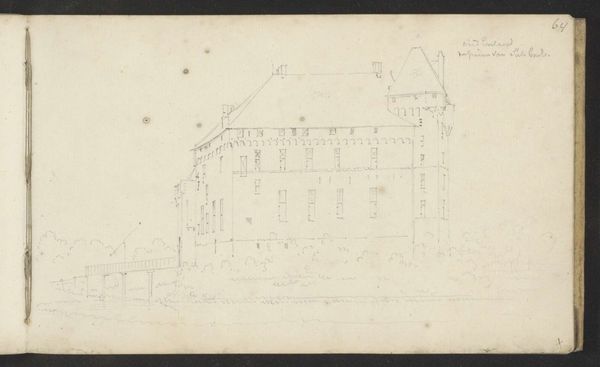
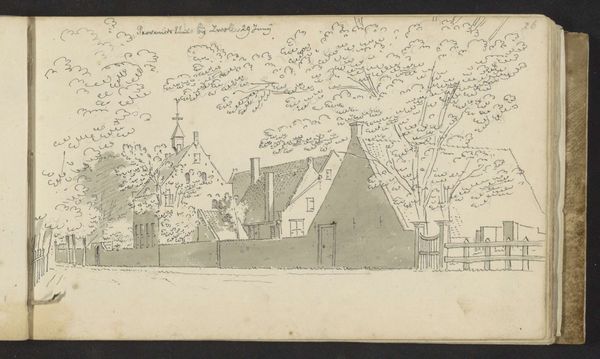
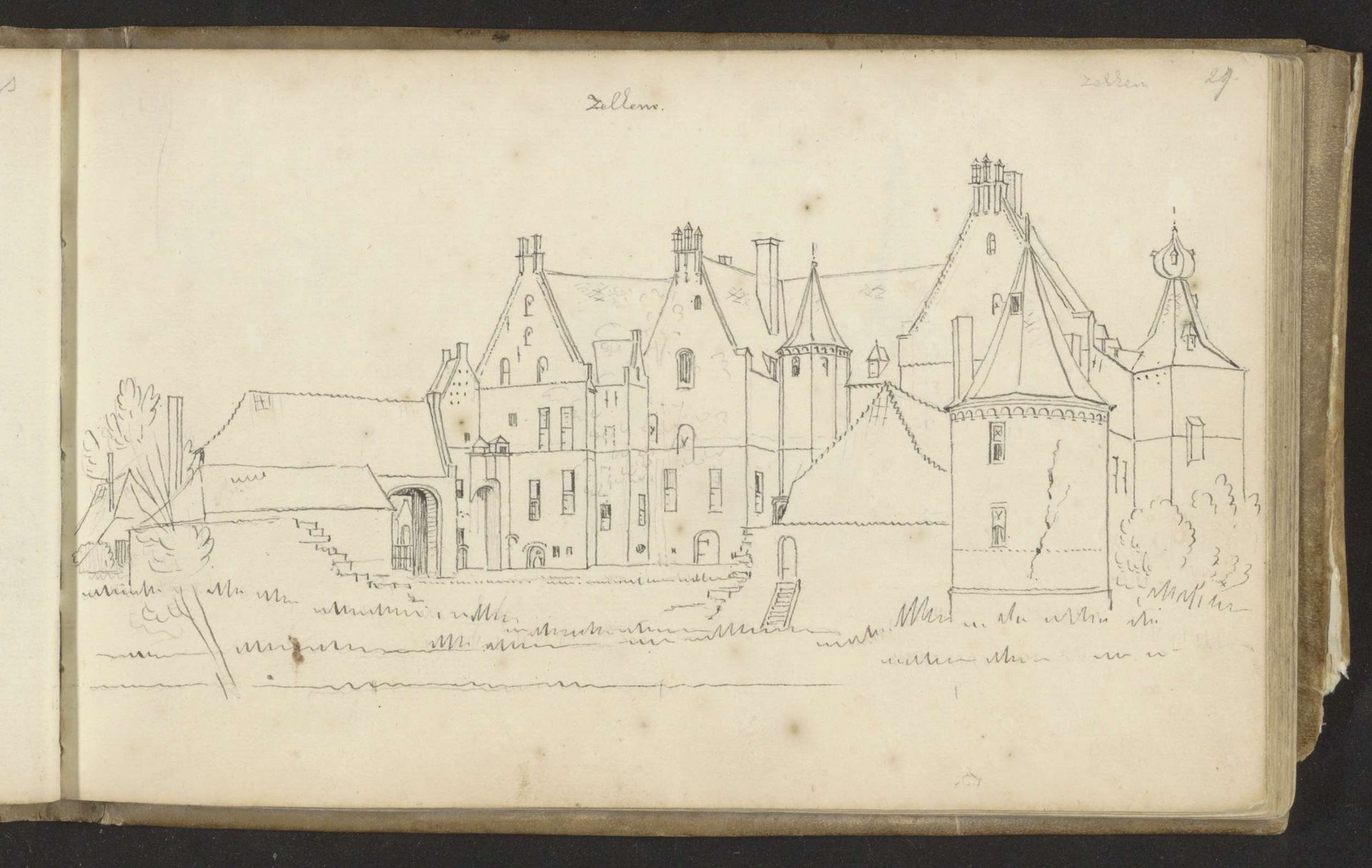
Abraham de Haen the second made this pen drawing of Kasteel te Zelhem, or Zelhem Castle, in the early 18th century. This image can tell us a lot about Dutch culture at the time. During the Dutch Golden Age, there was an explosion of art production, and artists frequently depicted landscapes and scenes of everyday life. This drawing can be located in that tradition. However, this artwork also provides insight into the social hierarchy of the time. The castle would have been a symbol of power and wealth, and the artist's decision to depict it suggests an interest in the lives of the elite. Drawings like this can be better understood by researching the history of the castle itself, as well as the social and political context in which it was made. This kind of research allows us to understand the artwork not just as a visual representation, but as a cultural artifact that reflects the values and beliefs of its time.

Artwork details
- Medium
- drawing, paper, ink, pen
- Location
- Rijksmuseum
- Copyright
- Rijks Museum: Open Domain
Tags
drawing
aged paper
toned paper
dutch-golden-age
pen sketch
sketch book
landscape
paper
personal sketchbook
ink
ink drawing experimentation
pen-ink sketch
pen work
sketchbook drawing
pen
genre-painting
sketchbook art
Comments
No comments
About this artwork
Abraham de Haen the second made this pen drawing of Kasteel te Zelhem, or Zelhem Castle, in the early 18th century. This image can tell us a lot about Dutch culture at the time. During the Dutch Golden Age, there was an explosion of art production, and artists frequently depicted landscapes and scenes of everyday life. This drawing can be located in that tradition. However, this artwork also provides insight into the social hierarchy of the time. The castle would have been a symbol of power and wealth, and the artist's decision to depict it suggests an interest in the lives of the elite. Drawings like this can be better understood by researching the history of the castle itself, as well as the social and political context in which it was made. This kind of research allows us to understand the artwork not just as a visual representation, but as a cultural artifact that reflects the values and beliefs of its time.
Comments
No comments