About this artwork
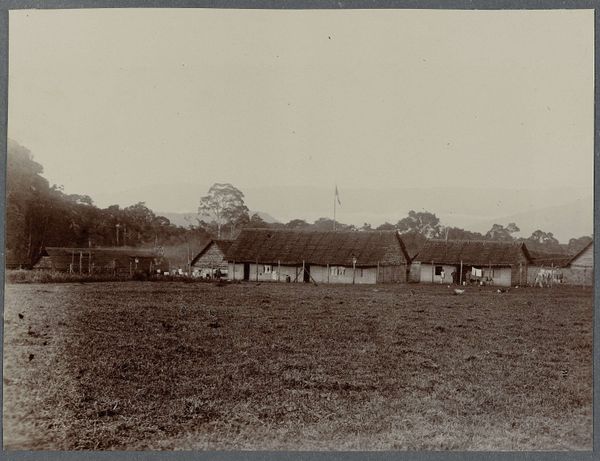
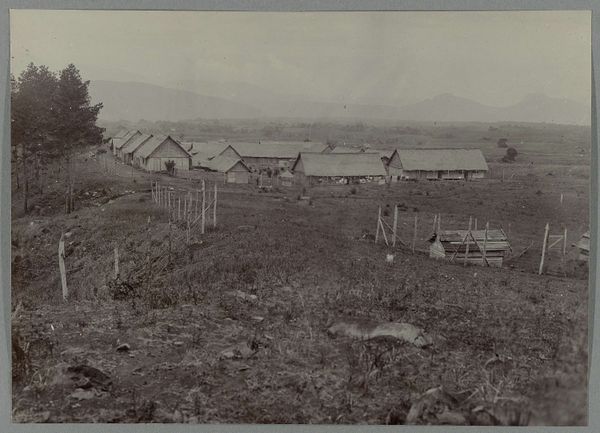
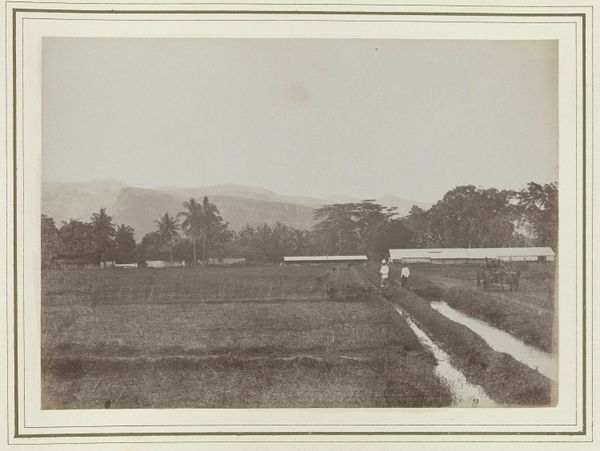
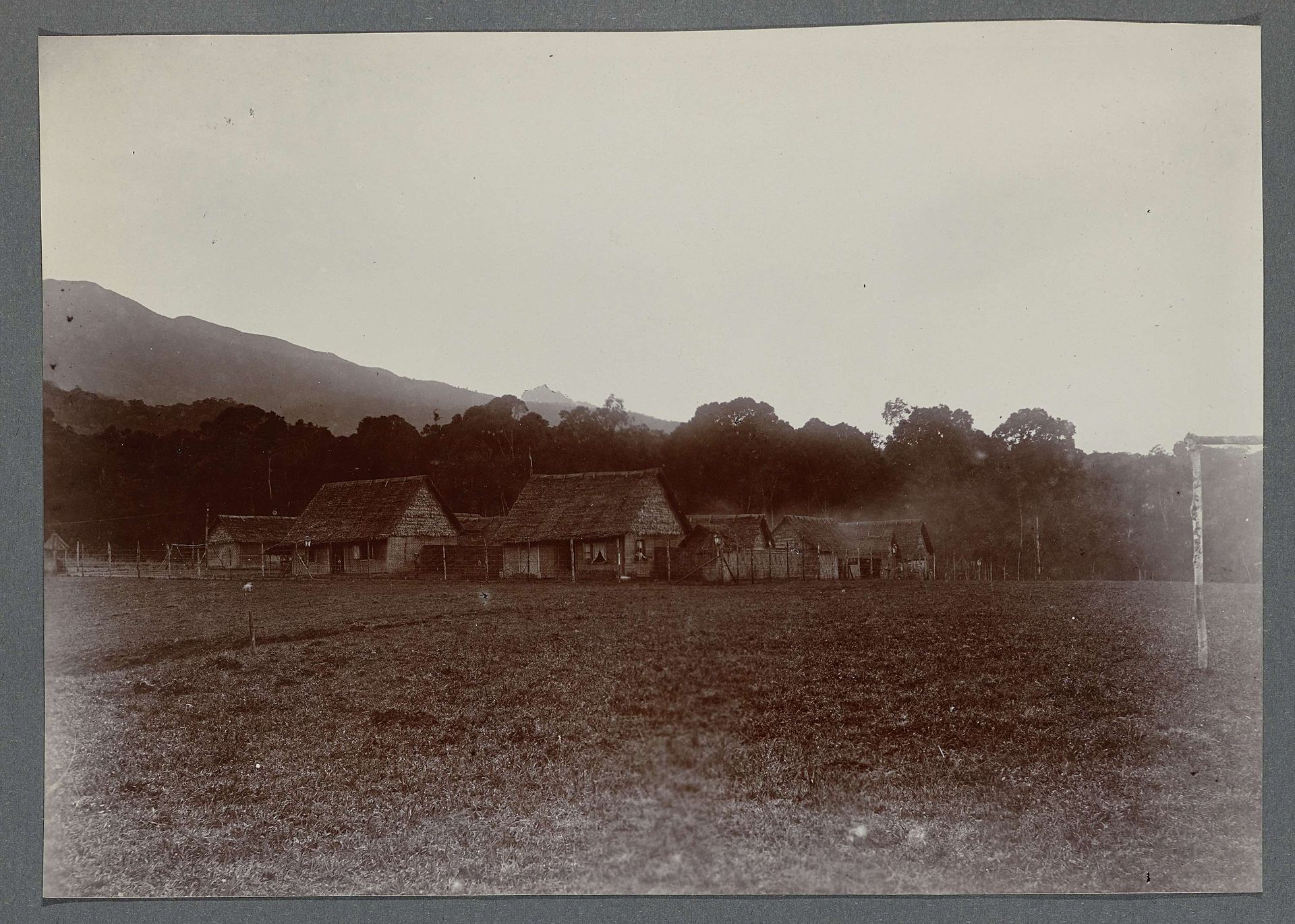
This photograph, titled "Bivak," was made anonymously. The tones are muted, sepias and greys layered like memory itself. Look closely at the thatched roofs of the huts; each is a unique texture, a little index of time and weather. Artmaking, like life, is a process of layering—mistakes, revisions, and happy accidents all contributing to the final form. The physicality of the medium is palpable. The paper feels almost worn, and yet the image retains a ghostly clarity. The way the light hits the grass in the foreground is particularly evocative. It’s a reminder that even in the most static of images, there is a kind of movement, a shifting of light and shadow. This picture reminds me of the photographs of Eugène Atget, another anonymous chronicler of place. Art, like life, is an ongoing conversation, an exchange of ideas across time. The best art, to me, embraces ambiguity and multiple interpretations, inviting us to bring our own experiences and perspectives to the table.

Artwork details
- Medium
- photography
- Dimensions
- height 138 mm, width 200 mm
- Copyright
- Rijks Museum: Open Domain
Tags
Comments
Share your thoughts
About this artwork
This photograph, titled "Bivak," was made anonymously. The tones are muted, sepias and greys layered like memory itself. Look closely at the thatched roofs of the huts; each is a unique texture, a little index of time and weather. Artmaking, like life, is a process of layering—mistakes, revisions, and happy accidents all contributing to the final form. The physicality of the medium is palpable. The paper feels almost worn, and yet the image retains a ghostly clarity. The way the light hits the grass in the foreground is particularly evocative. It’s a reminder that even in the most static of images, there is a kind of movement, a shifting of light and shadow. This picture reminds me of the photographs of Eugène Atget, another anonymous chronicler of place. Art, like life, is an ongoing conversation, an exchange of ideas across time. The best art, to me, embraces ambiguity and multiple interpretations, inviting us to bring our own experiences and perspectives to the table.
Comments
Share your thoughts