About this artwork
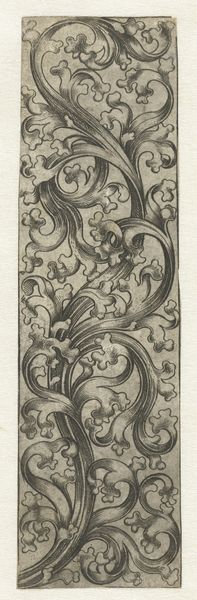
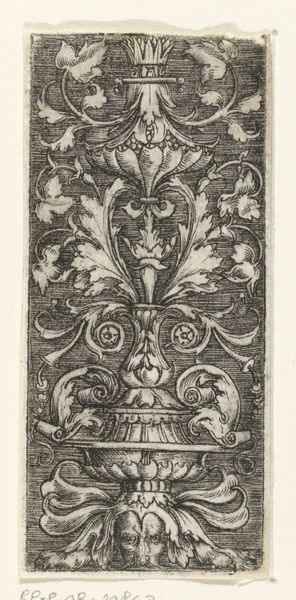
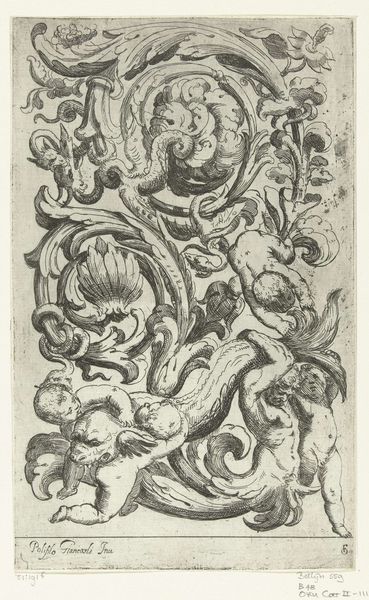
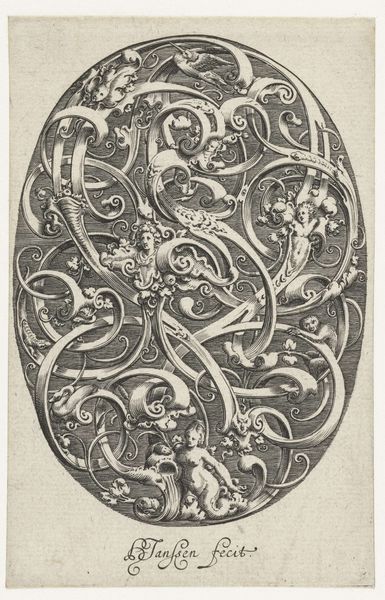
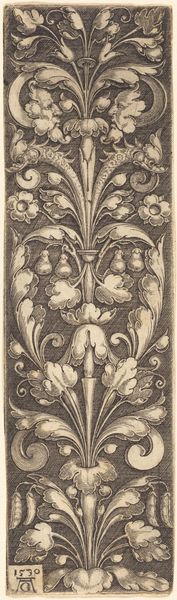
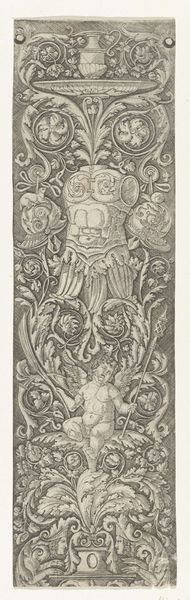
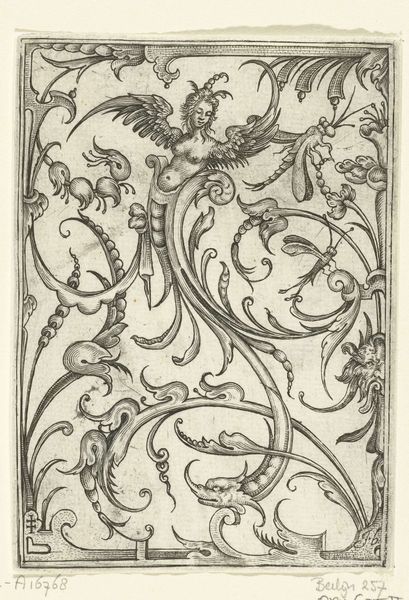
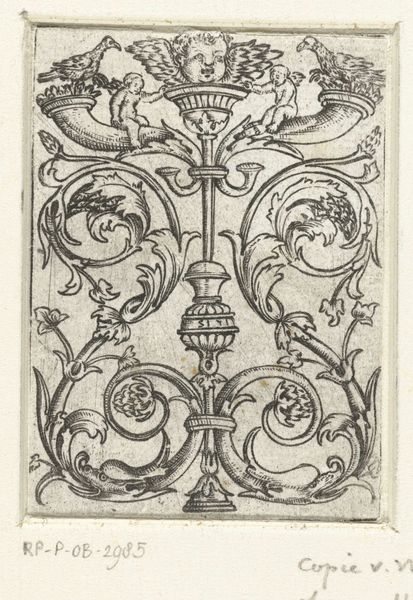
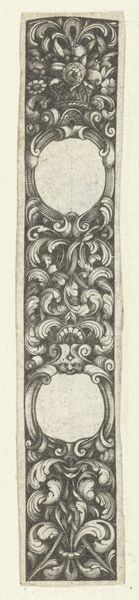
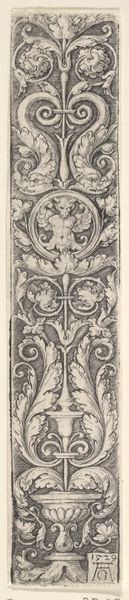
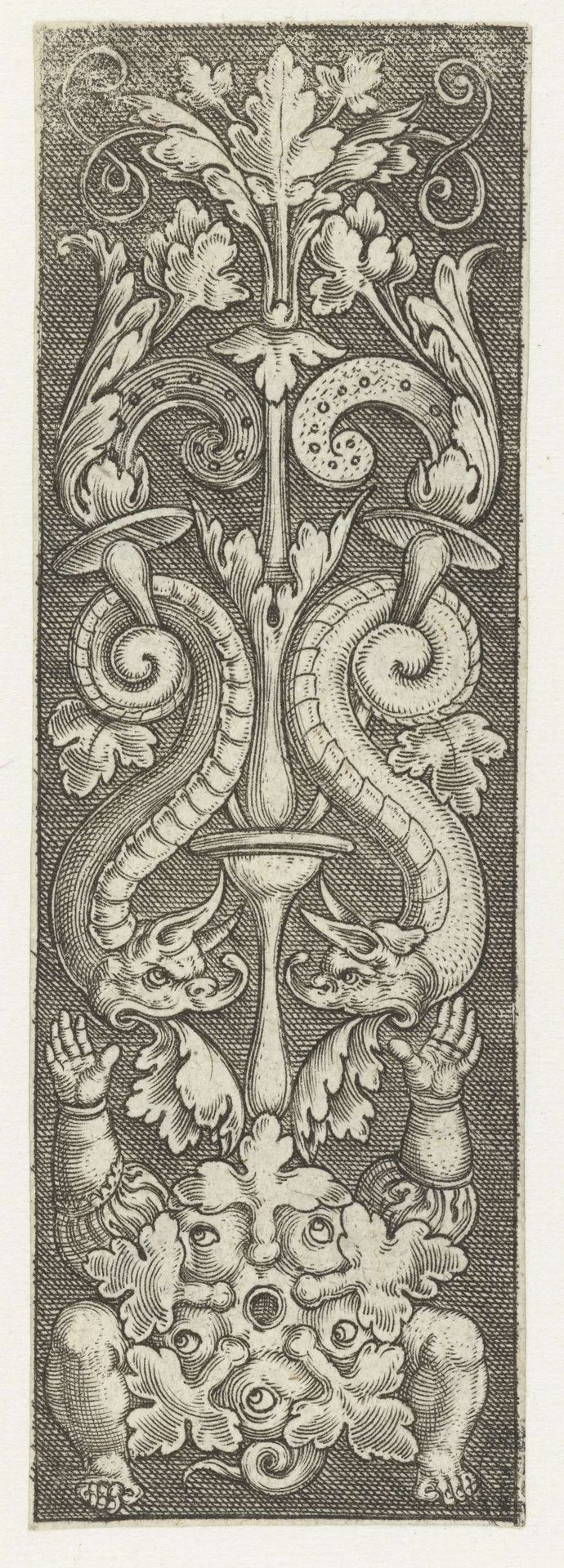
This 16th-century ornament with a five-eyed creature was created by the Monogrammist AC. The print exemplifies the elaborate and grotesque aesthetic popular during the Northern Renaissance. In a society deeply influenced by religious and moral beliefs, such imagery served as a symbolic expression of the era's fascination with the boundaries between the sacred and the profane. During this time, the rise of humanism encouraged artists to explore the complexities of human nature. Simultaneously, the era's religious tensions led to a proliferation of symbolic imagery that served as a mirror to society's anxieties and introspection. The creature’s monstrous features also reflect a wider cultural interest in the grotesque, a mode that challenges conventional ideas about beauty and order. It reminds us that art often serves as a means to explore those aspects of human experience that lie beyond the realm of the ideal. It’s a potent reminder of the enduring human fascination with the darker, more mysterious aspects of existence.
Ornament met vijfogig fantasiewezen
1520 - 1562

Monogrammist AC (16e eeuw)
@monogrammistac16eeeuwLocation
RijksmuseumArtwork details
- Medium
- drawing, ornament, ink, engraving
- Dimensions
- height 91 mm, width 30 mm
- Location
- Rijksmuseum
- Copyright
- Rijks Museum: Open Domain
Tags
Comments
Share your thoughts
About this artwork
This 16th-century ornament with a five-eyed creature was created by the Monogrammist AC. The print exemplifies the elaborate and grotesque aesthetic popular during the Northern Renaissance. In a society deeply influenced by religious and moral beliefs, such imagery served as a symbolic expression of the era's fascination with the boundaries between the sacred and the profane. During this time, the rise of humanism encouraged artists to explore the complexities of human nature. Simultaneously, the era's religious tensions led to a proliferation of symbolic imagery that served as a mirror to society's anxieties and introspection. The creature’s monstrous features also reflect a wider cultural interest in the grotesque, a mode that challenges conventional ideas about beauty and order. It reminds us that art often serves as a means to explore those aspects of human experience that lie beyond the realm of the ideal. It’s a potent reminder of the enduring human fascination with the darker, more mysterious aspects of existence.
Comments
Share your thoughts