About this artwork
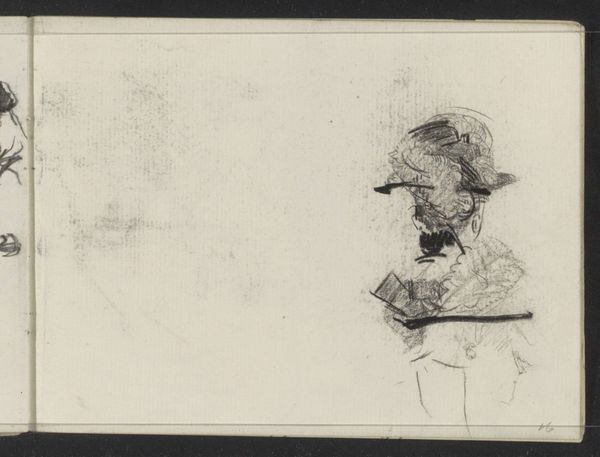
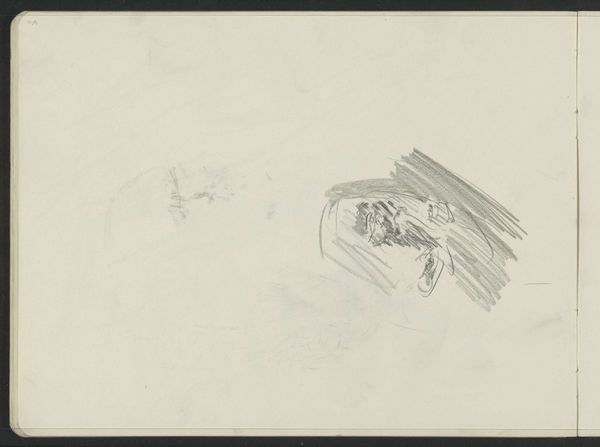
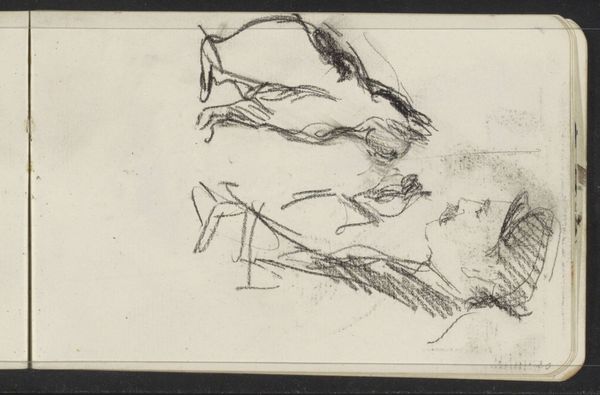
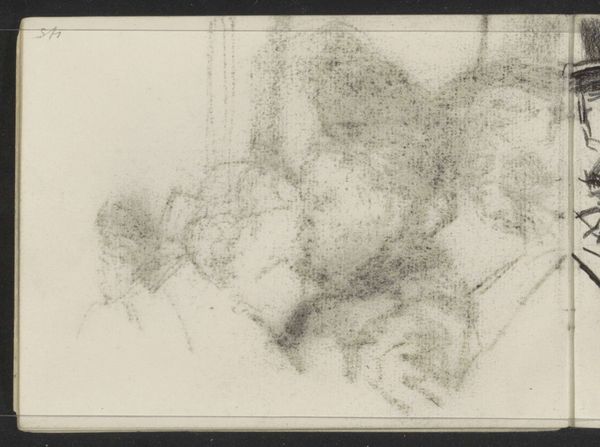
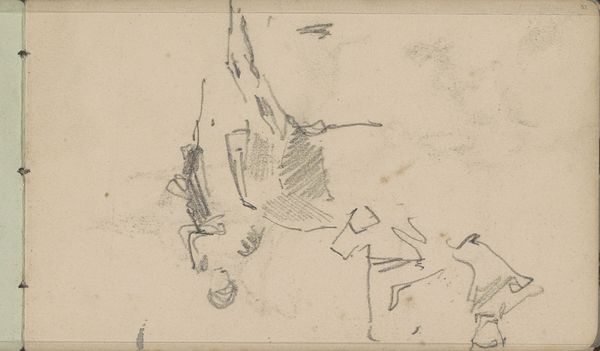
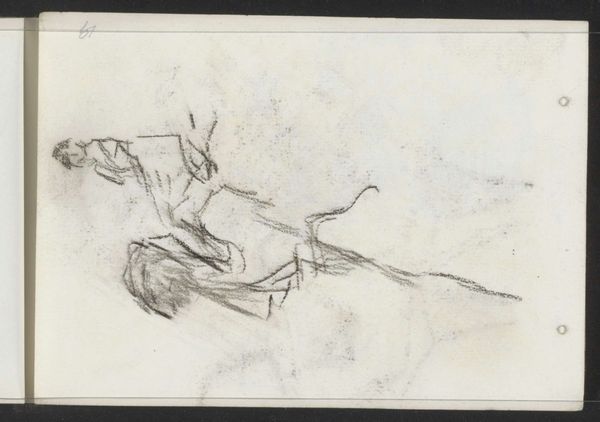
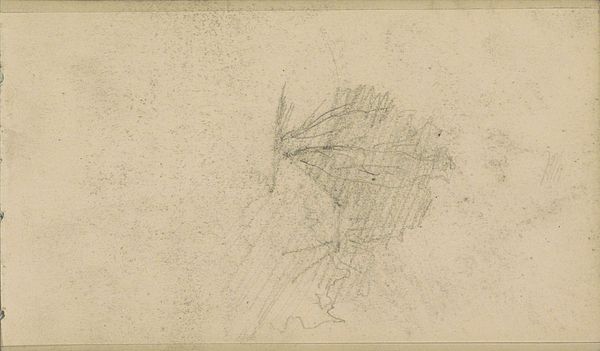
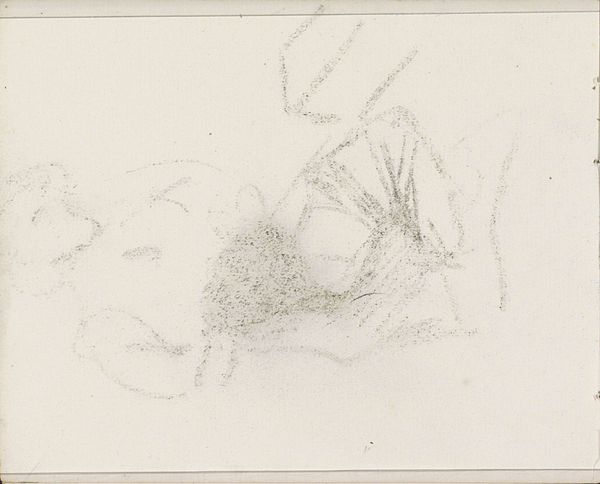
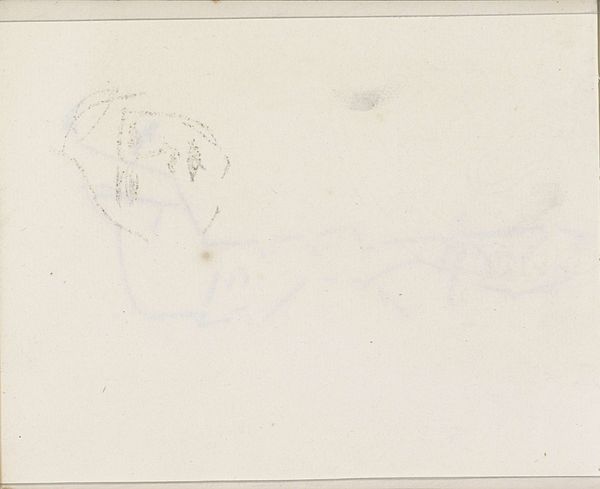
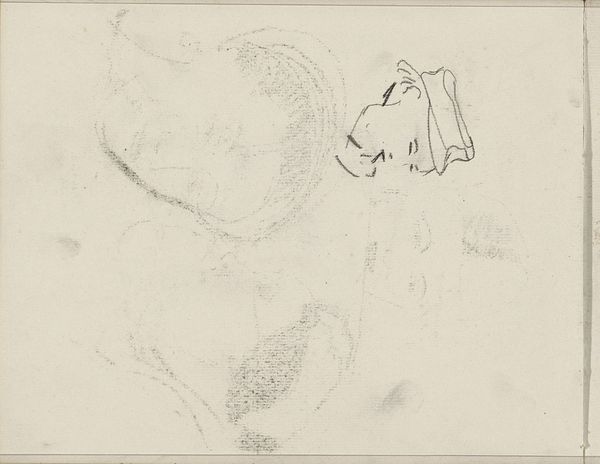
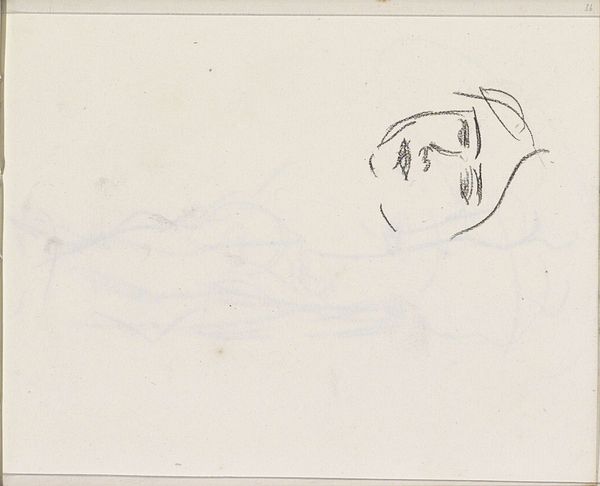
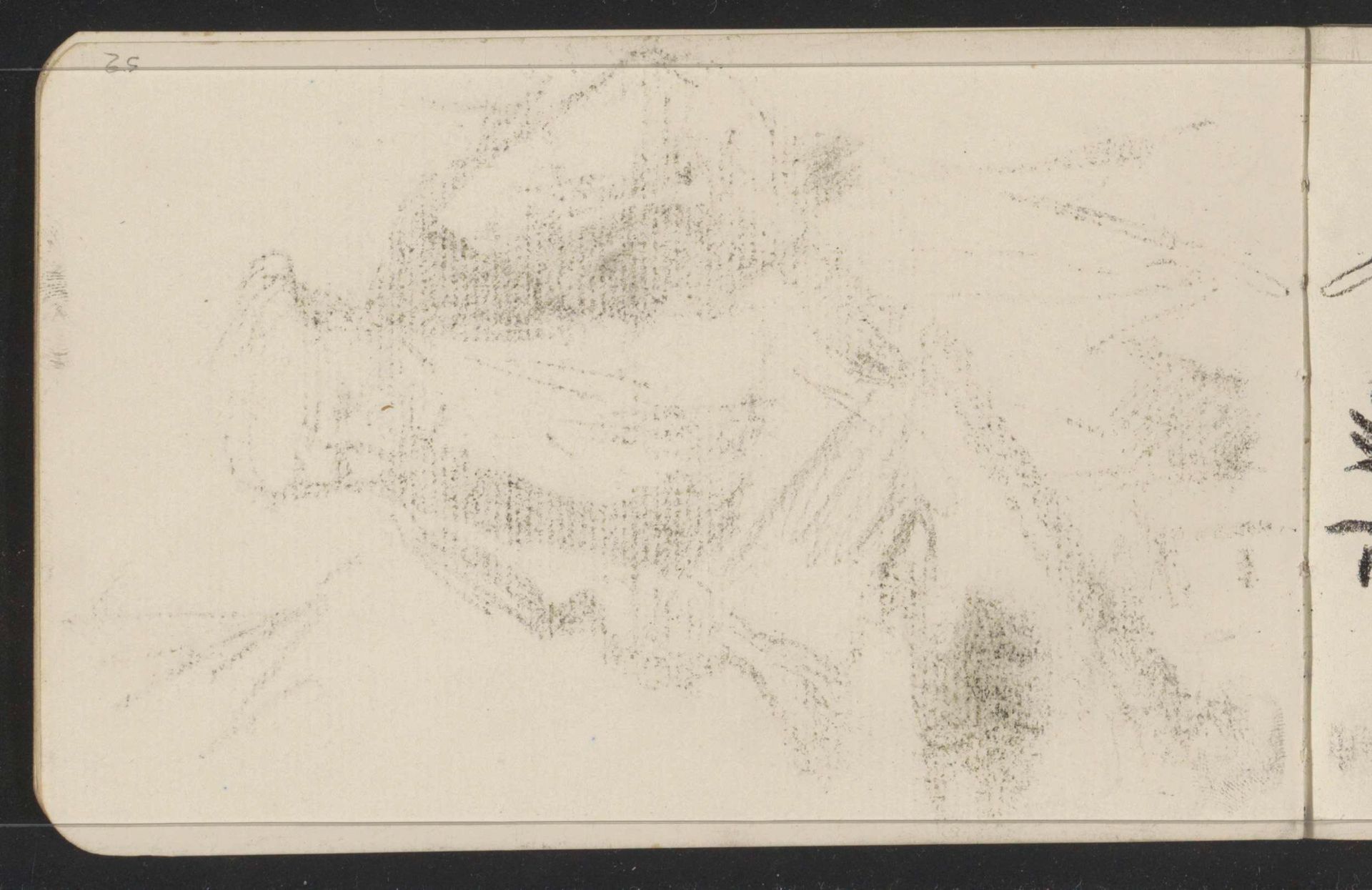
Curator: It’s almost ghostly, isn’t it? Like a memory half-formed. Editor: You’re right! Before us is a piece titled "Abklatsch van de krijttekening op blad 5 recto" – a frottage, in graphite, crayon, and pencil on paper by Isaac Israels dating from 1875 to 1934. It is now held in the collection of the Rijksmuseum. Curator: Frottage… Oh! Like rubbing a pencil over paper on a textured surface? Sort of like childhood explorations suddenly become high art? I like the magic in that, turning accidental discovery into intention. Editor: Exactly. It stems from a technique linked with Surrealism that gives the impression of a dreamscape. If we consider the turbulent politics and rapid urbanization of the time it was produced, the drawing may be a subconscious reflection of such uncertainties. The ghostly forms suggest that the only thing solid, is an awareness that there's nothing of substance to depend on. Curator: That gives the impression that Israels intended to convey some form of turmoil. I can only offer my speculation of course. The lack of sharp lines is indeed telling; perhaps it wasn't important to fully develop the image because it could only amount to a representation, never the actual object. Editor: Right, right. Like reality is fleeting and elusive, and maybe trying to capture it directly is pointless? So, you hint at it. That’s the genius! Israels is sidestepping expectations; he wants you to supply some narrative based on your own lived experiences! Curator: Precisely, making the viewer part of the process, forcing one to engage! Even today, one could interpret it as being a veiled comment about the media... the art world even. So many readings. Editor: I never considered that before. Well, whatever it may represent, I like how it captures impermanence in such a simple fashion. What about you? Do you see it differently now, having explored its context a little more? Curator: Yes, in that light, this sketch feels far more complete, maybe more revolutionary, than any polished history painting of that period ever could. Thank you.
Abklatsch van de krijttekening op blad 5 recto 1875 - 1934

Isaac Israels
1865 - 1934Location
RijksmuseumArtwork details
- Location
- Rijksmuseum
- Copyright
- Rijks Museum: Open Domain
Comments
No comments
About this artwork
Curator: It’s almost ghostly, isn’t it? Like a memory half-formed. Editor: You’re right! Before us is a piece titled "Abklatsch van de krijttekening op blad 5 recto" – a frottage, in graphite, crayon, and pencil on paper by Isaac Israels dating from 1875 to 1934. It is now held in the collection of the Rijksmuseum. Curator: Frottage… Oh! Like rubbing a pencil over paper on a textured surface? Sort of like childhood explorations suddenly become high art? I like the magic in that, turning accidental discovery into intention. Editor: Exactly. It stems from a technique linked with Surrealism that gives the impression of a dreamscape. If we consider the turbulent politics and rapid urbanization of the time it was produced, the drawing may be a subconscious reflection of such uncertainties. The ghostly forms suggest that the only thing solid, is an awareness that there's nothing of substance to depend on. Curator: That gives the impression that Israels intended to convey some form of turmoil. I can only offer my speculation of course. The lack of sharp lines is indeed telling; perhaps it wasn't important to fully develop the image because it could only amount to a representation, never the actual object. Editor: Right, right. Like reality is fleeting and elusive, and maybe trying to capture it directly is pointless? So, you hint at it. That’s the genius! Israels is sidestepping expectations; he wants you to supply some narrative based on your own lived experiences! Curator: Precisely, making the viewer part of the process, forcing one to engage! Even today, one could interpret it as being a veiled comment about the media... the art world even. So many readings. Editor: I never considered that before. Well, whatever it may represent, I like how it captures impermanence in such a simple fashion. What about you? Do you see it differently now, having explored its context a little more? Curator: Yes, in that light, this sketch feels far more complete, maybe more revolutionary, than any polished history painting of that period ever could. Thank you.
Comments
No comments