About this artwork
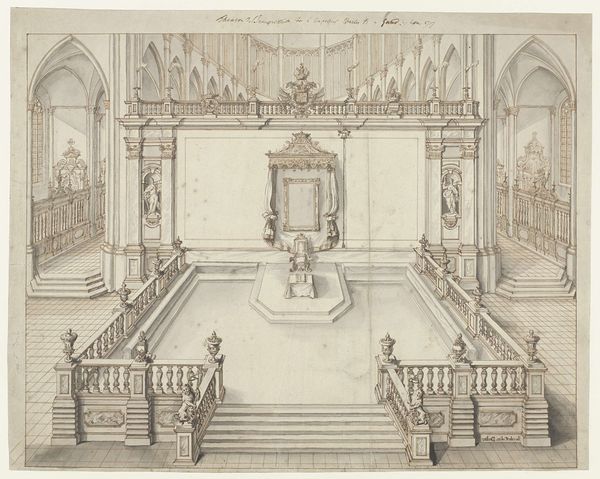
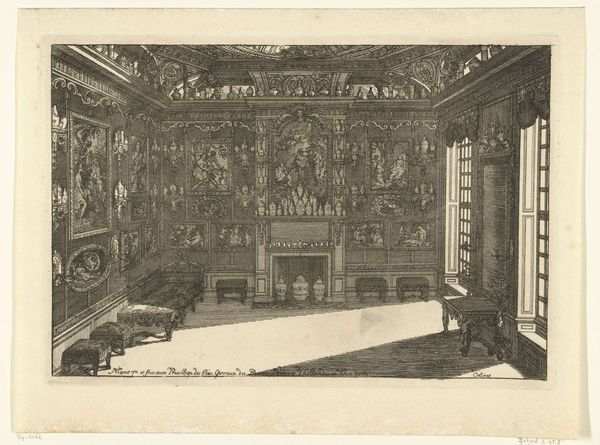
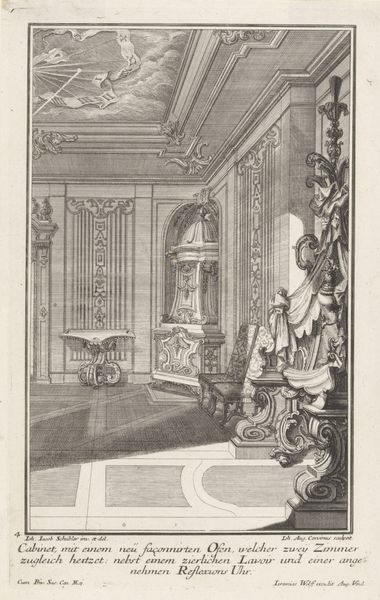
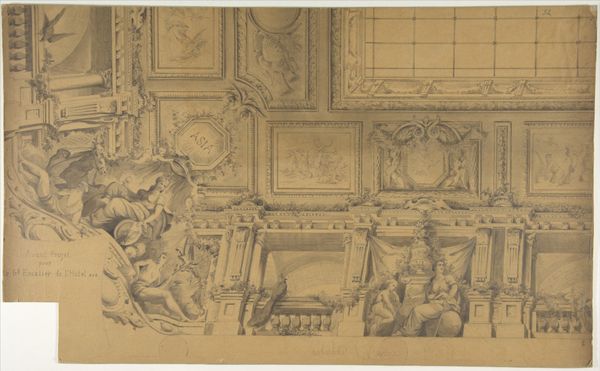
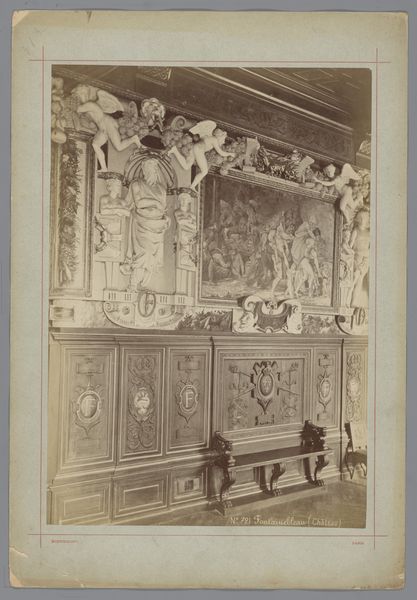
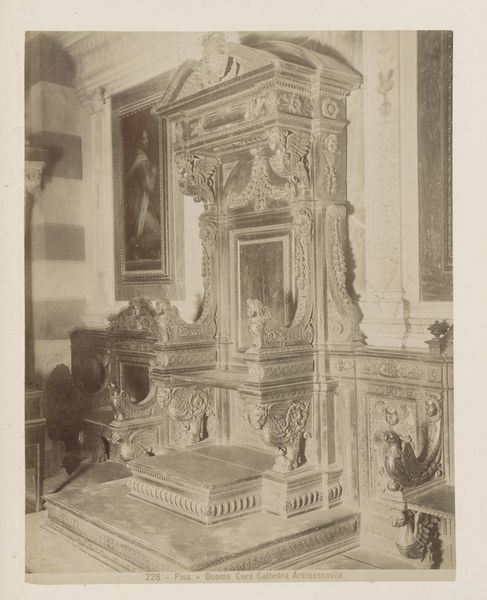
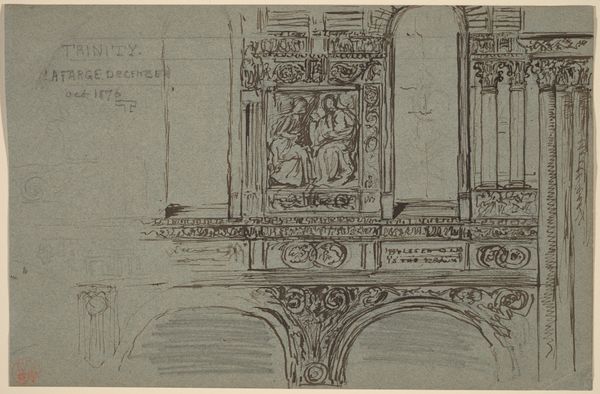
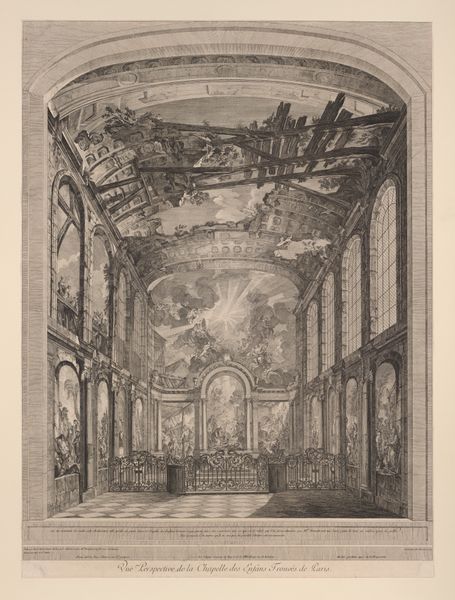
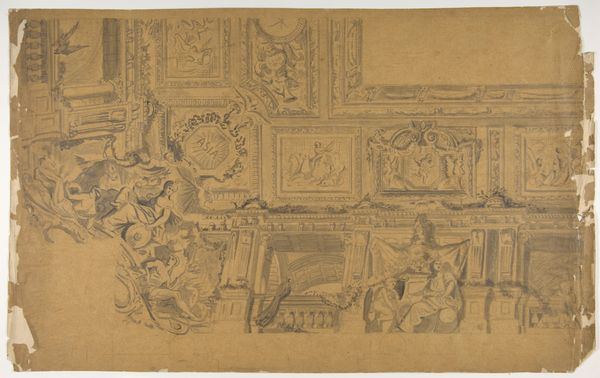
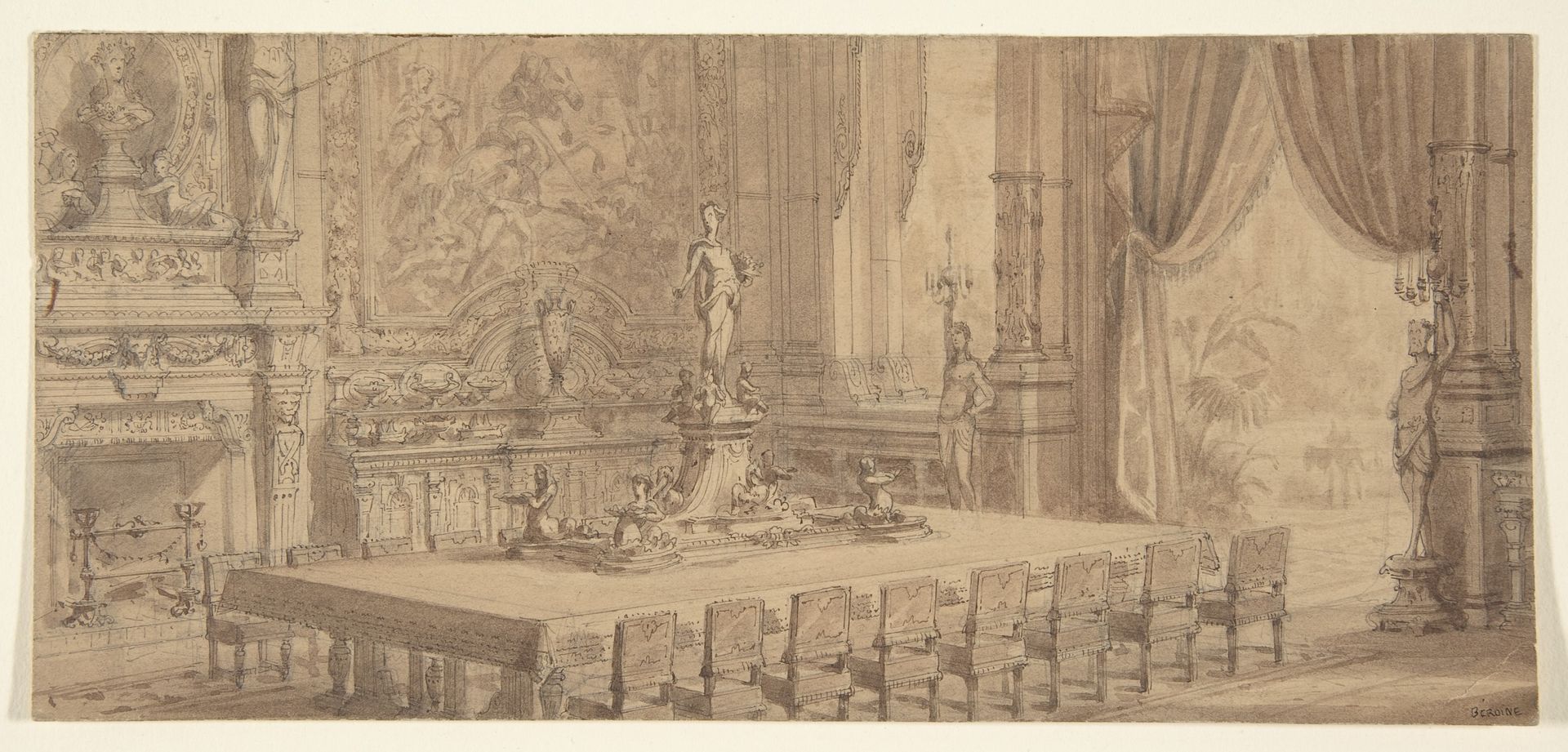
This architectural interior was created with pen and brown ink, with gray wash over graphite. The artist remains anonymous. The drawing depicts a lavish dining room, a setting often associated with power, wealth, and social status. In the drawing, the symmetry and opulence speak to the values of a particular class, and the performative aspects of dining. The statues of idealized human forms, so prominent throughout the space, suggest an embrace of classical aesthetics. But, given the anonymity of the artist, we might ask: Whose vision of power is this? The meticulous rendering of the interior, absent of people, evokes a sense of longing, almost like a stage set waiting for the drama to begin. The drawing presents a story about the values of a society, yet it simultaneously evokes a sense of isolation and questions the emotional cost of such grandeur.
Architectural Interior 19th century


Artwork details
- Medium
- drawing, print, paper, ink, pencil, architecture
- Dimensions
- 3 3/4 x 8 1/8 in. (9.5 x 20.6 cm)
- Location
- Metropolitan Museum of Art, New York, NY
- Copyright
- Public Domain
Tags
drawing
etching
charcoal drawing
paper
ink
geometric
pencil
line
genre-painting
architecture
realism
Comments
No comments
About this artwork
This architectural interior was created with pen and brown ink, with gray wash over graphite. The artist remains anonymous. The drawing depicts a lavish dining room, a setting often associated with power, wealth, and social status. In the drawing, the symmetry and opulence speak to the values of a particular class, and the performative aspects of dining. The statues of idealized human forms, so prominent throughout the space, suggest an embrace of classical aesthetics. But, given the anonymity of the artist, we might ask: Whose vision of power is this? The meticulous rendering of the interior, absent of people, evokes a sense of longing, almost like a stage set waiting for the drama to begin. The drawing presents a story about the values of a society, yet it simultaneously evokes a sense of isolation and questions the emotional cost of such grandeur.
Comments
No comments