About this artwork
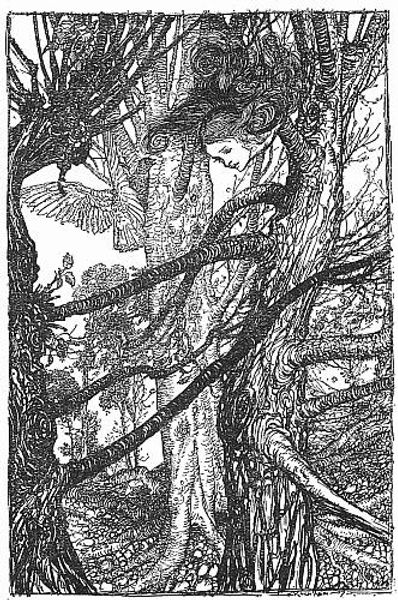
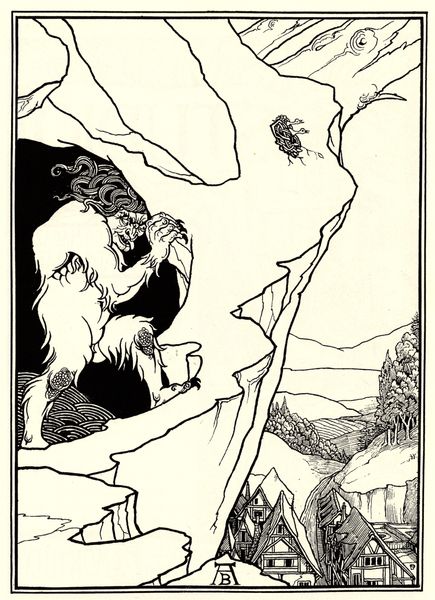
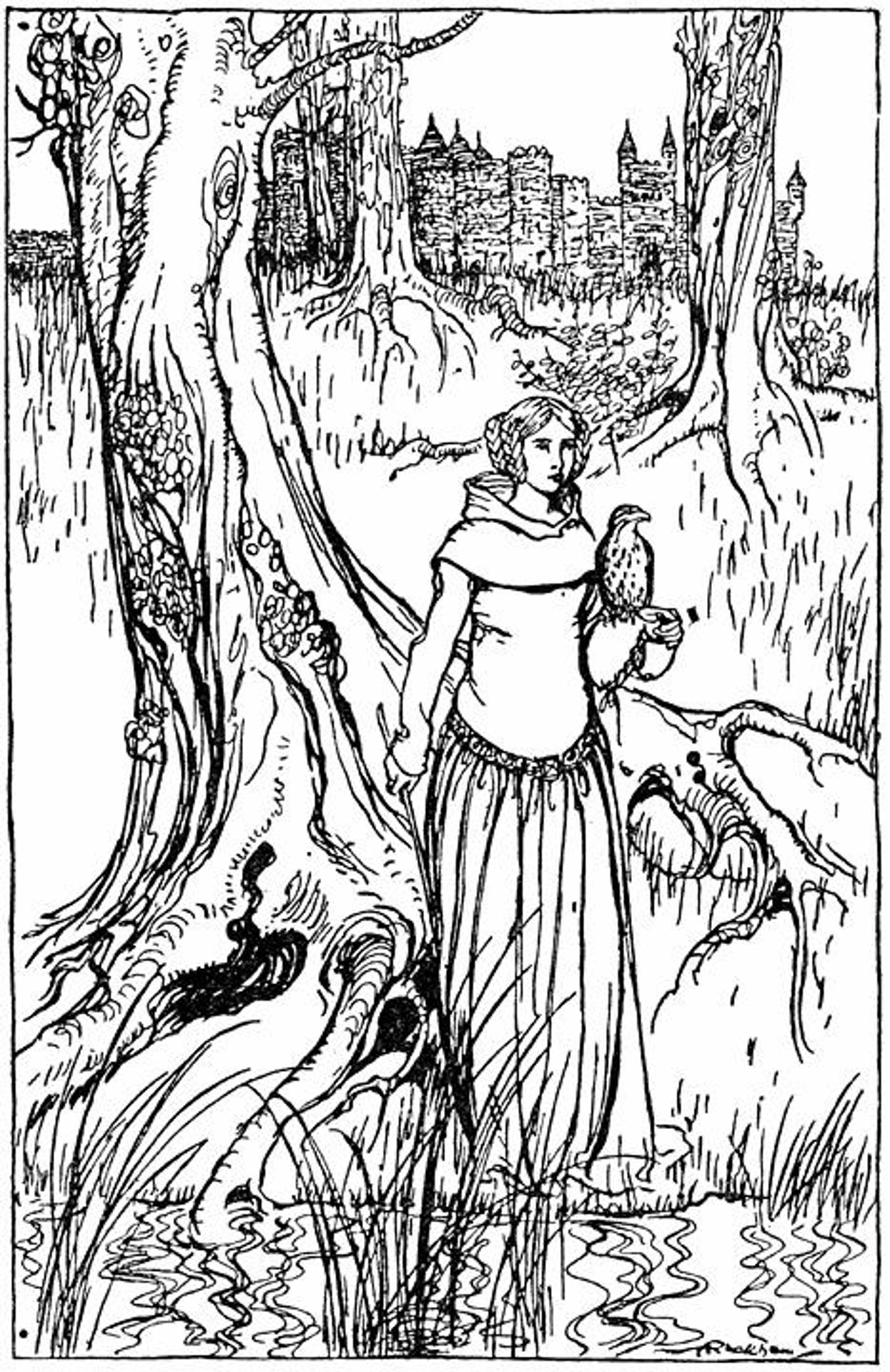
Arthur Rackham rendered this drawing, titled 'Enide with the golden hawk,' employing ink to bring forth a scene steeped in medieval symbolism. At its heart lies the figure of Enide, a maiden grasping a golden hawk. Throughout history, the hawk has served as an emblem of nobility and freedom. Yet, its golden hue imbues it with spiritual significance, linking it to the divine light and knowledge. Such an image is reminiscent of the Egyptian god Horus depicted as a falcon, a symbol of protection and royal power. This motif transcends time and culture, reappearing in medieval falconry, where the bird on the hand signified aristocratic leisure and control. Over centuries, the hawk has taken flight as a symbol of human aspiration, its image weaving through tapestries, illuminated manuscripts, and now Rackham's illustration. This cyclical progression underscores the intricate dance between tradition and transformation. The past echoes in the present, inviting us to perceive the layers of meaning embedded within the visual.

Artwork details
- Medium
- drawing, ink, pen
- Copyright
- Public domain
Tags
drawing
line-art
narrative-art
pen illustration
landscape
figuration
line art
ink line art
ink
romanticism
pen
Comments
No comments
About this artwork
Arthur Rackham rendered this drawing, titled 'Enide with the golden hawk,' employing ink to bring forth a scene steeped in medieval symbolism. At its heart lies the figure of Enide, a maiden grasping a golden hawk. Throughout history, the hawk has served as an emblem of nobility and freedom. Yet, its golden hue imbues it with spiritual significance, linking it to the divine light and knowledge. Such an image is reminiscent of the Egyptian god Horus depicted as a falcon, a symbol of protection and royal power. This motif transcends time and culture, reappearing in medieval falconry, where the bird on the hand signified aristocratic leisure and control. Over centuries, the hawk has taken flight as a symbol of human aspiration, its image weaving through tapestries, illuminated manuscripts, and now Rackham's illustration. This cyclical progression underscores the intricate dance between tradition and transformation. The past echoes in the present, inviting us to perceive the layers of meaning embedded within the visual.
Comments
No comments