About this artwork
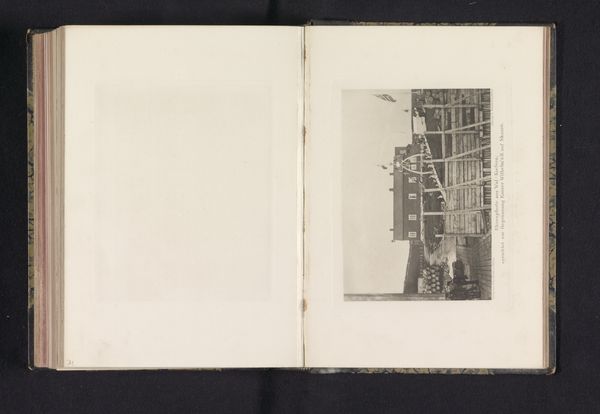
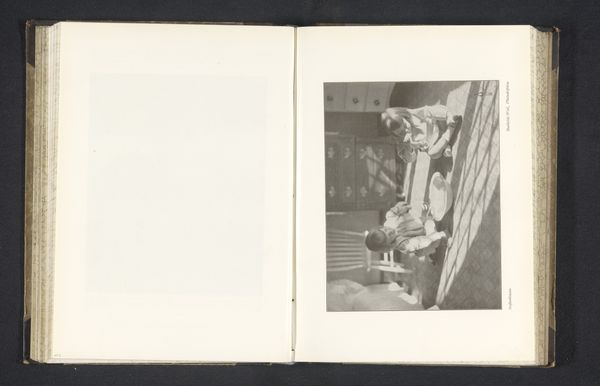
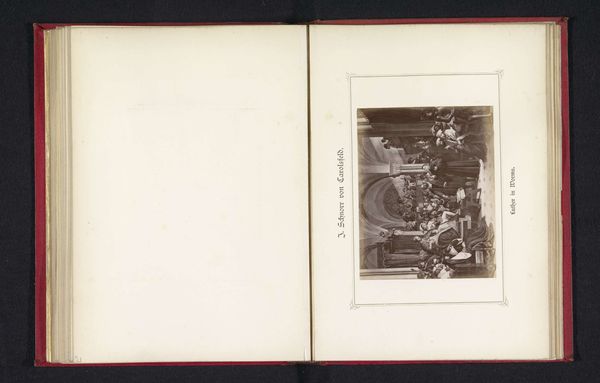
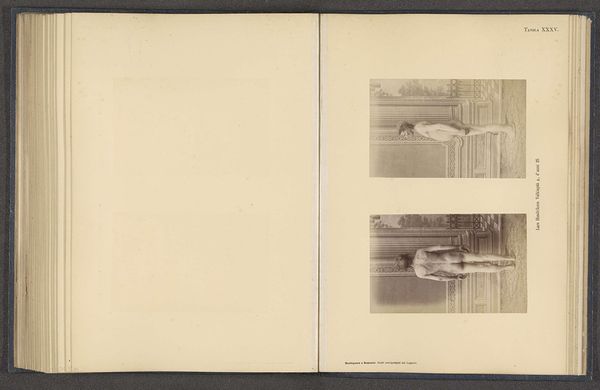
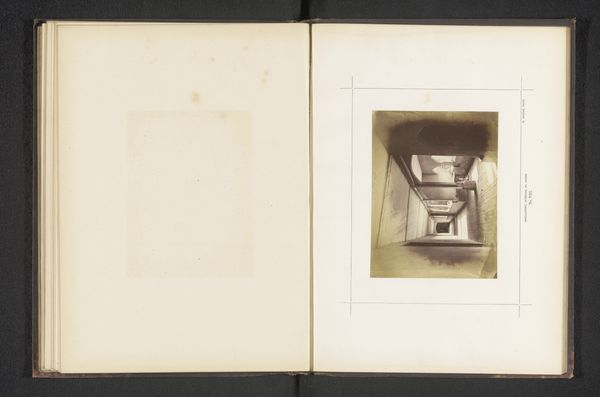
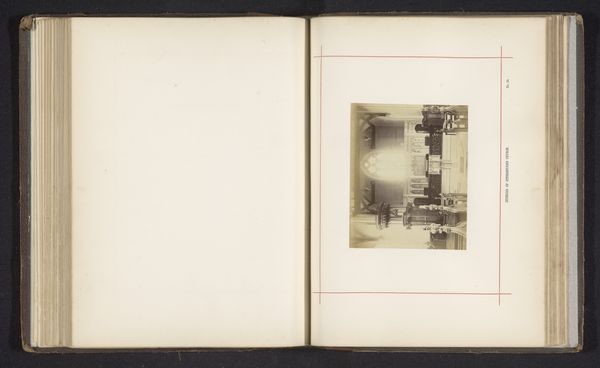
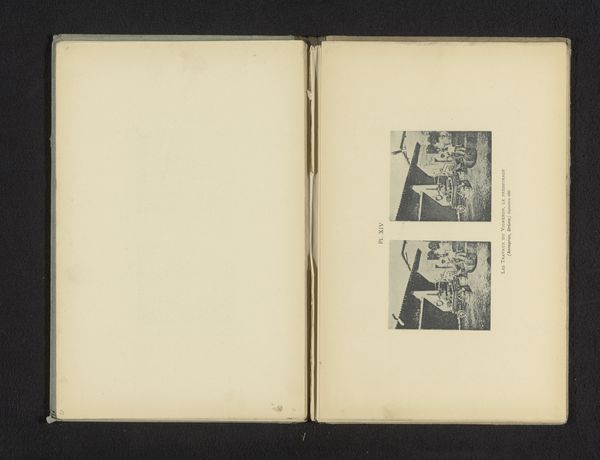
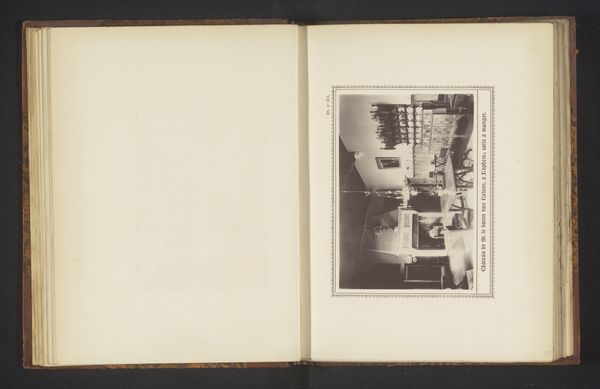
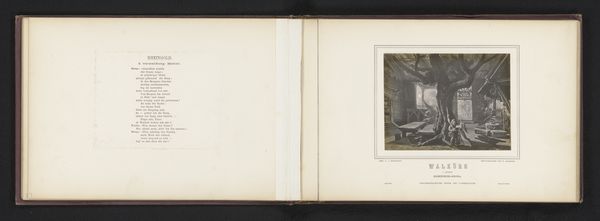
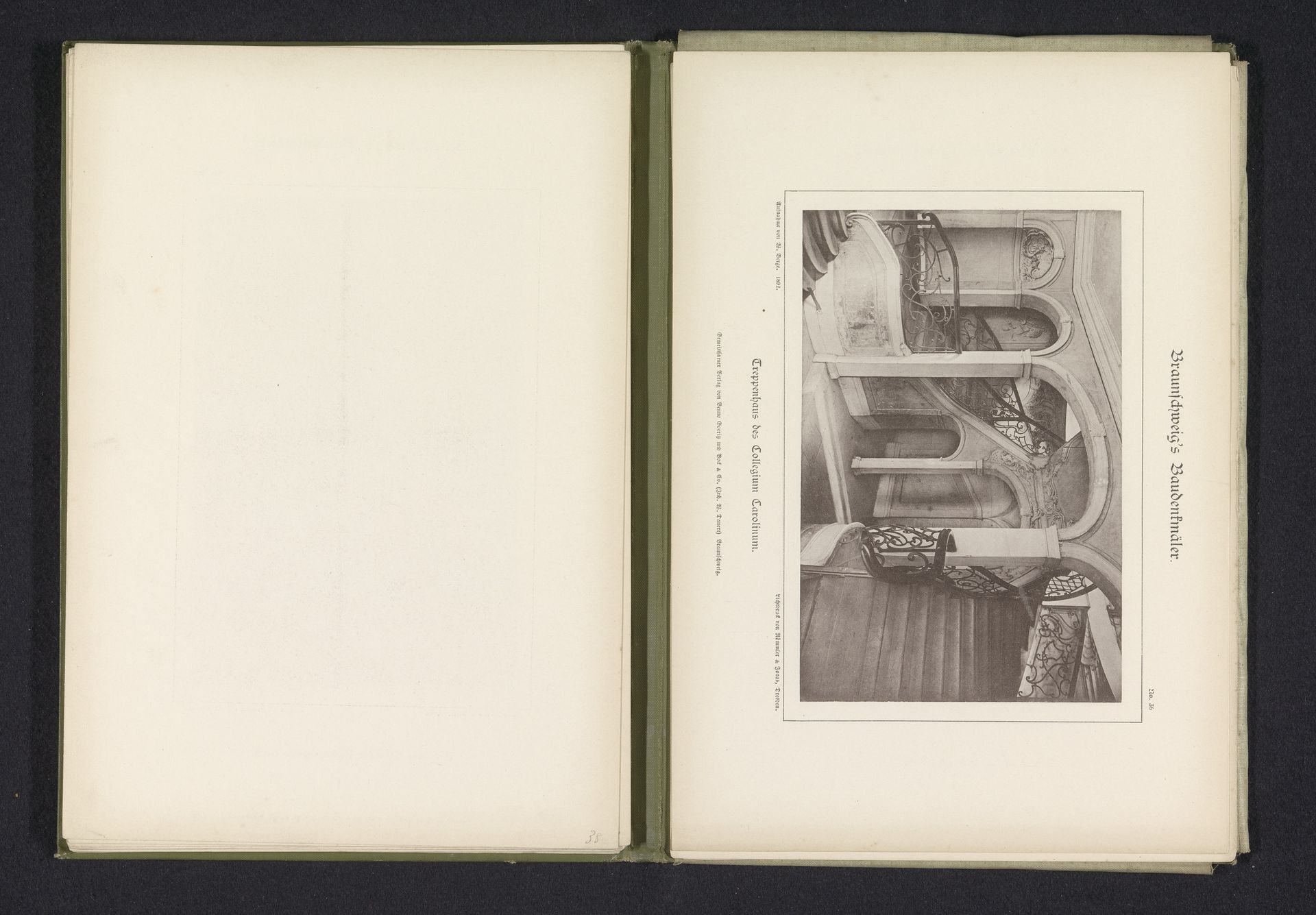
This is an image of the staircase of the Collegium Carolinum in Braunschweig, recorded by J. Schombardt. It's rendered in tones of gray, suggesting a printmaking process – perhaps lithography or early photography. What interests me most is the subject. The staircase is a study in contrasts, using a hard material – probably stone or plaster – to create soft, flowing lines. The wrought iron bannister is more overtly ornamental. The overall impression is one of upward movement, of course, yet also of careful construction, reflecting the skilled labor required to build the space. In this way, the image captures a key moment in the history of labor. The Collegium Carolinum was a site of technical education, where students would have learned skills necessary for industrializing Germany. The print preserves this history of the hand and the mind.

Artwork details
- Medium
- drawing, print, etching, paper, architecture
- Dimensions
- height 105 mm, width 159 mm
- Copyright
- Rijks Museum: Open Domain
Tags
drawing
aged paper
homemade paper
paperlike
etching
paper texture
paper
hand-drawn typeface
thick font
publication mockup
cityscape
paper medium
architecture
historical font
small font
Comments
No comments
About this artwork
This is an image of the staircase of the Collegium Carolinum in Braunschweig, recorded by J. Schombardt. It's rendered in tones of gray, suggesting a printmaking process – perhaps lithography or early photography. What interests me most is the subject. The staircase is a study in contrasts, using a hard material – probably stone or plaster – to create soft, flowing lines. The wrought iron bannister is more overtly ornamental. The overall impression is one of upward movement, of course, yet also of careful construction, reflecting the skilled labor required to build the space. In this way, the image captures a key moment in the history of labor. The Collegium Carolinum was a site of technical education, where students would have learned skills necessary for industrializing Germany. The print preserves this history of the hand and the mind.
Comments
No comments