1920s
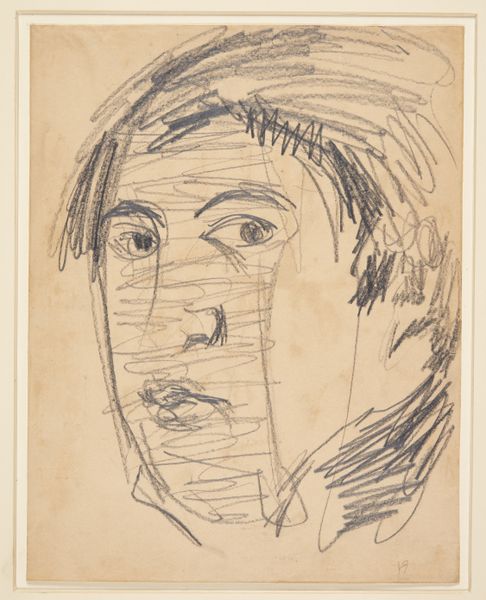
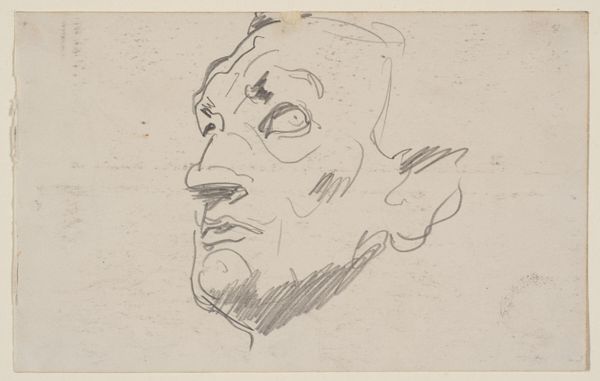
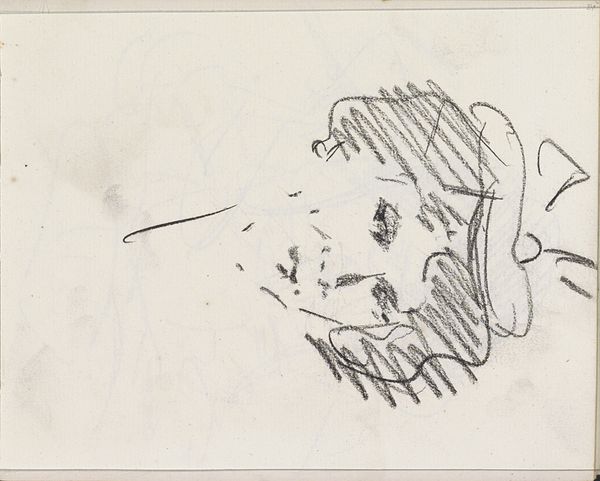
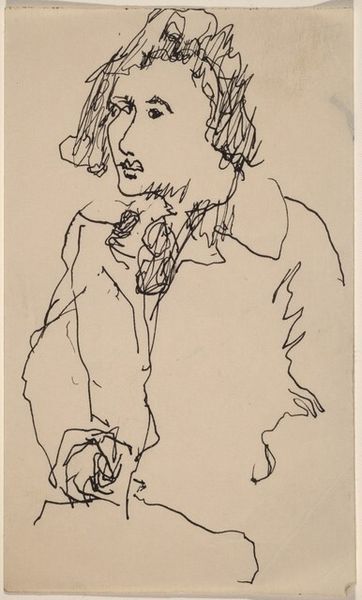
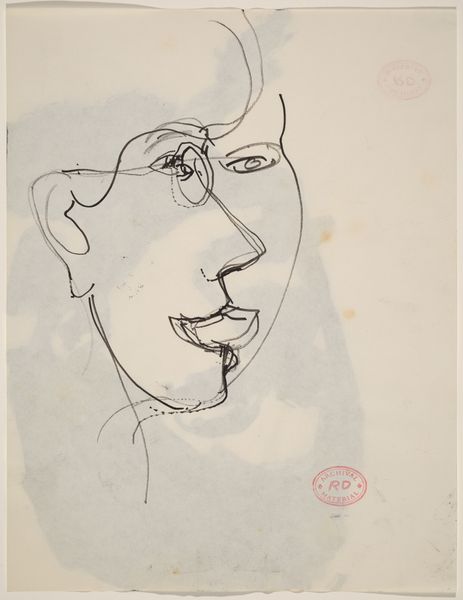
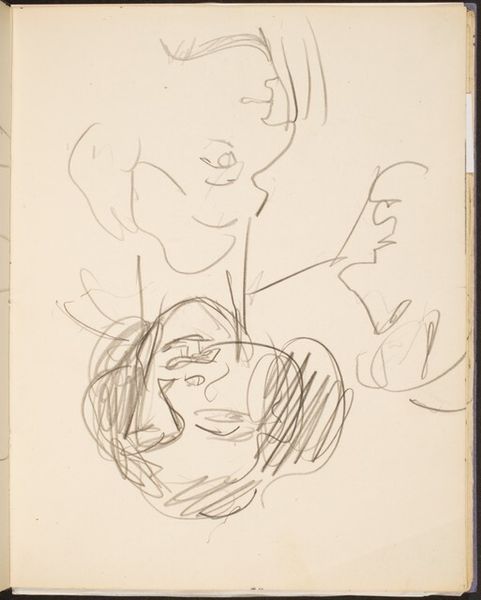
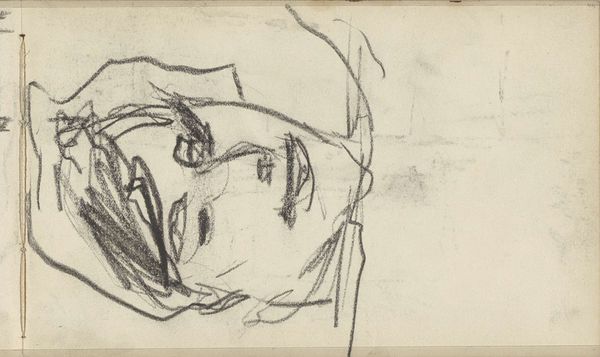
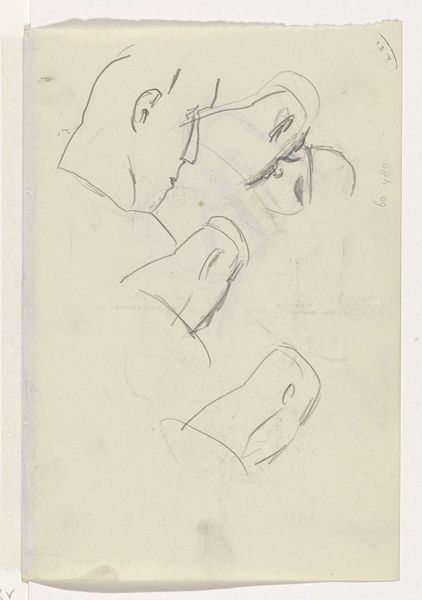
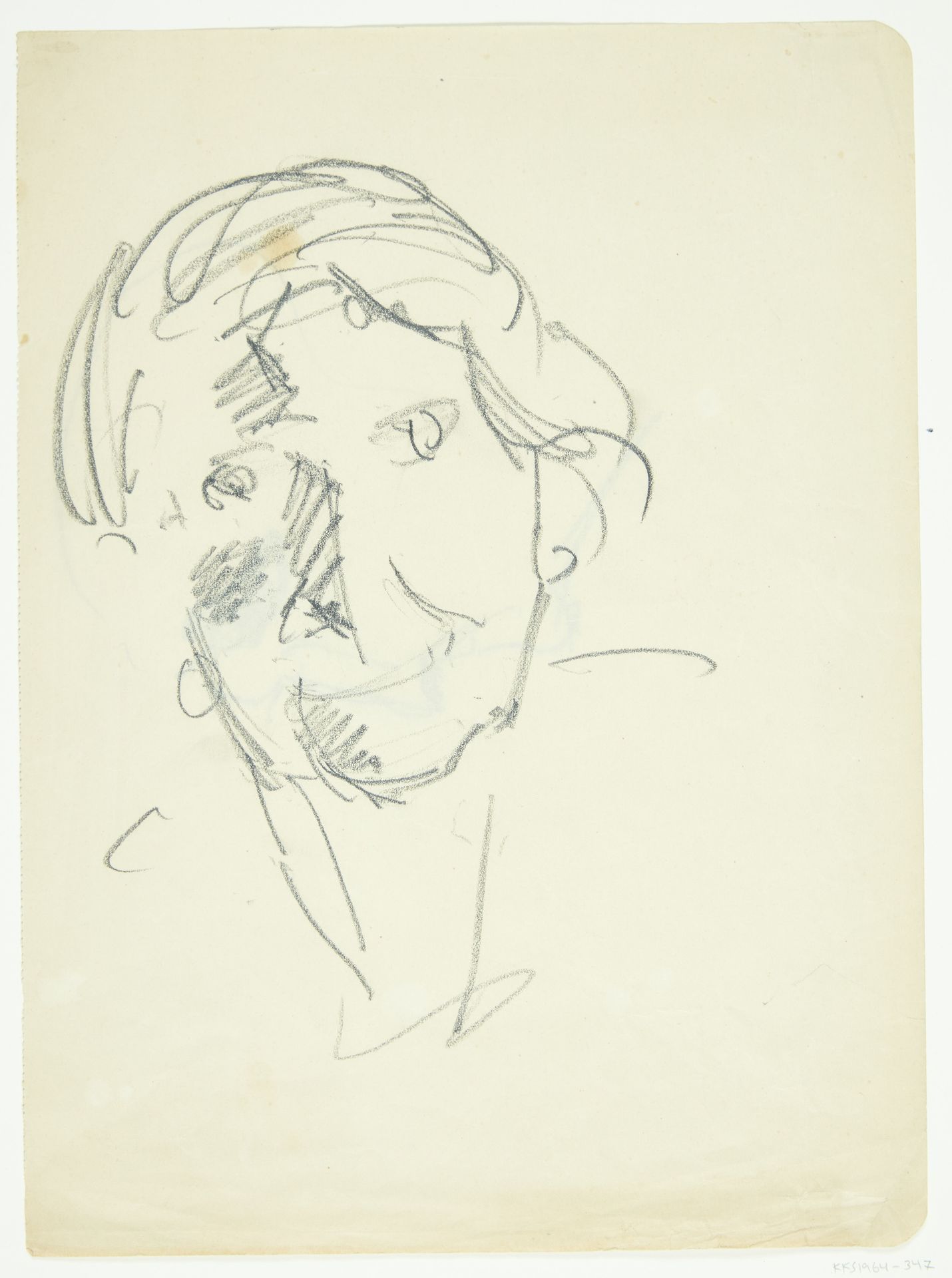
Portræt af kunstnerens hustru, malerinden Agnes Weie (1878-1964), en face


Listen to curator's interpretation
Curatorial notes
Editor: This is a portrait of Agnes Weie, the artist's wife, a pencil drawing from the 1920s by Edvard Weie. The looseness of the lines and shading gives it a sort of spontaneous, almost unfinished feel. It's really interesting. What do you make of the way the artist has composed this piece? Curator: Note the economy of line; observe how the structural elements, particularly in the planes of the face, suggest volume with minimal means. It verges on caricature, wouldn't you say? This distortion isn’t accidental but, rather, a deliberate strategy. See how the weighting and boldness of the pencil varies? Editor: Yes, the stark contrasts draw my eye directly to those areas. The heavily shaded nose seems almost divorced from the rest of the face. Do you think this asymmetry conveys a specific meaning? Curator: Perhaps. Or maybe it is merely an investigation of form. One might argue the distortion invites semiotic interpretation; that those intensified features signify specific character traits. However, I'd say the significance lies in the formal arrangement. Editor: That's fascinating. So you see the deviation from realistic proportions more as a compositional choice rather than a commentary on the subject herself? Curator: Precisely. The deviations serve a formal purpose. Look how they create an internal rhythm. A carefully structured disharmony, you might say. Editor: I see. I had focused so much on trying to decode the 'meaning' that I overlooked the way the forms themselves create such an interesting dynamic. I'll try to keep that in mind when analyzing other pieces. Curator: Indeed. By focusing on internal relationships, you are looking at where the true "meaning" is found in the portrait.