About this artwork
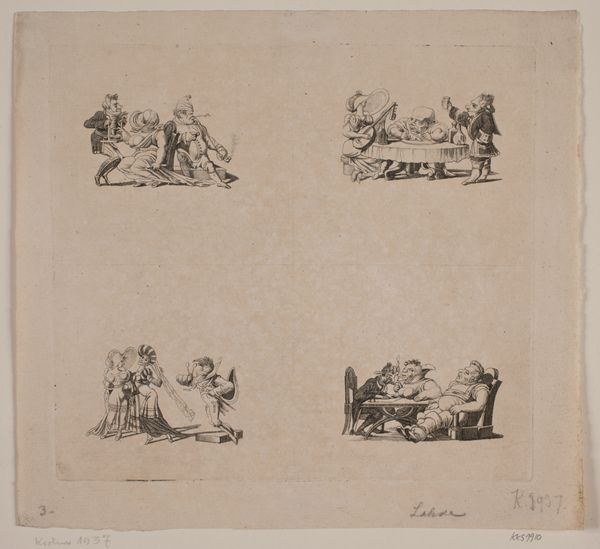
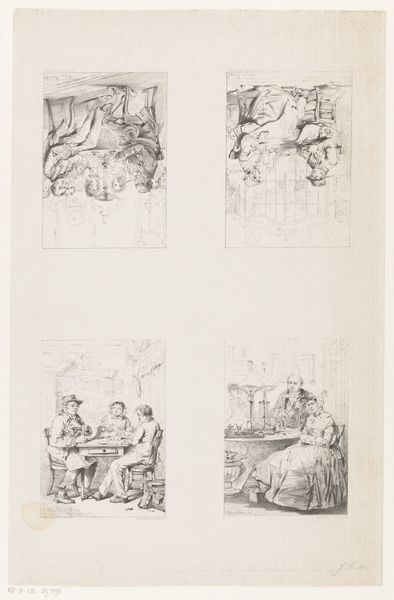
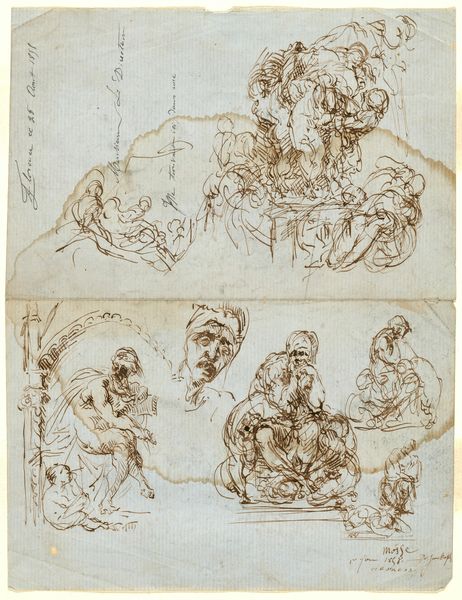
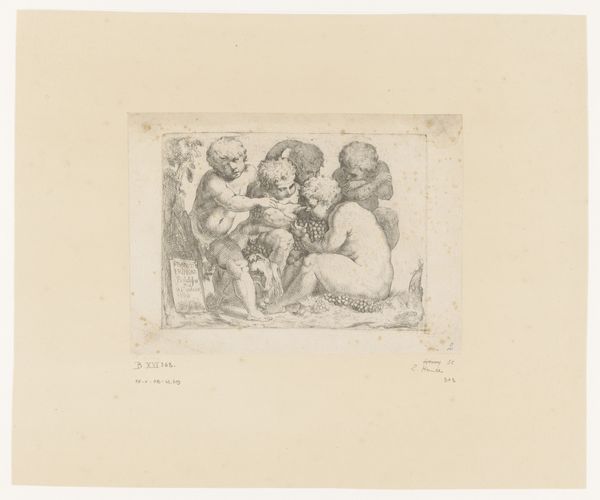
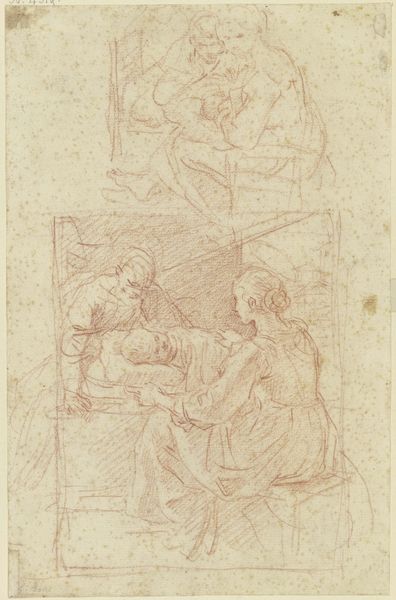
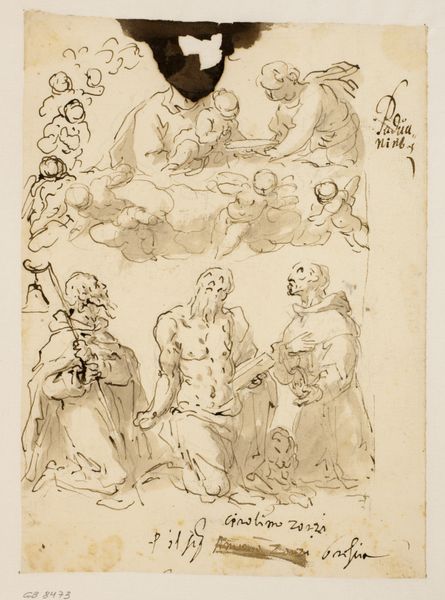
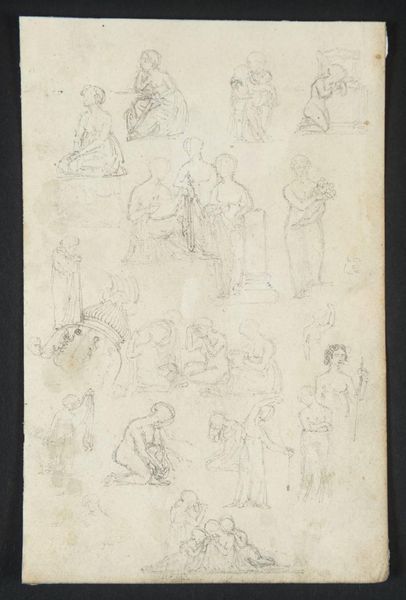
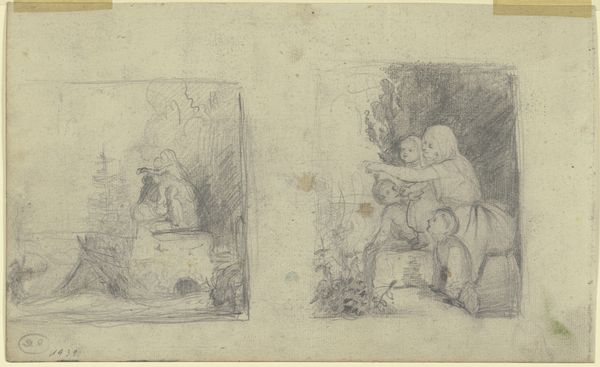
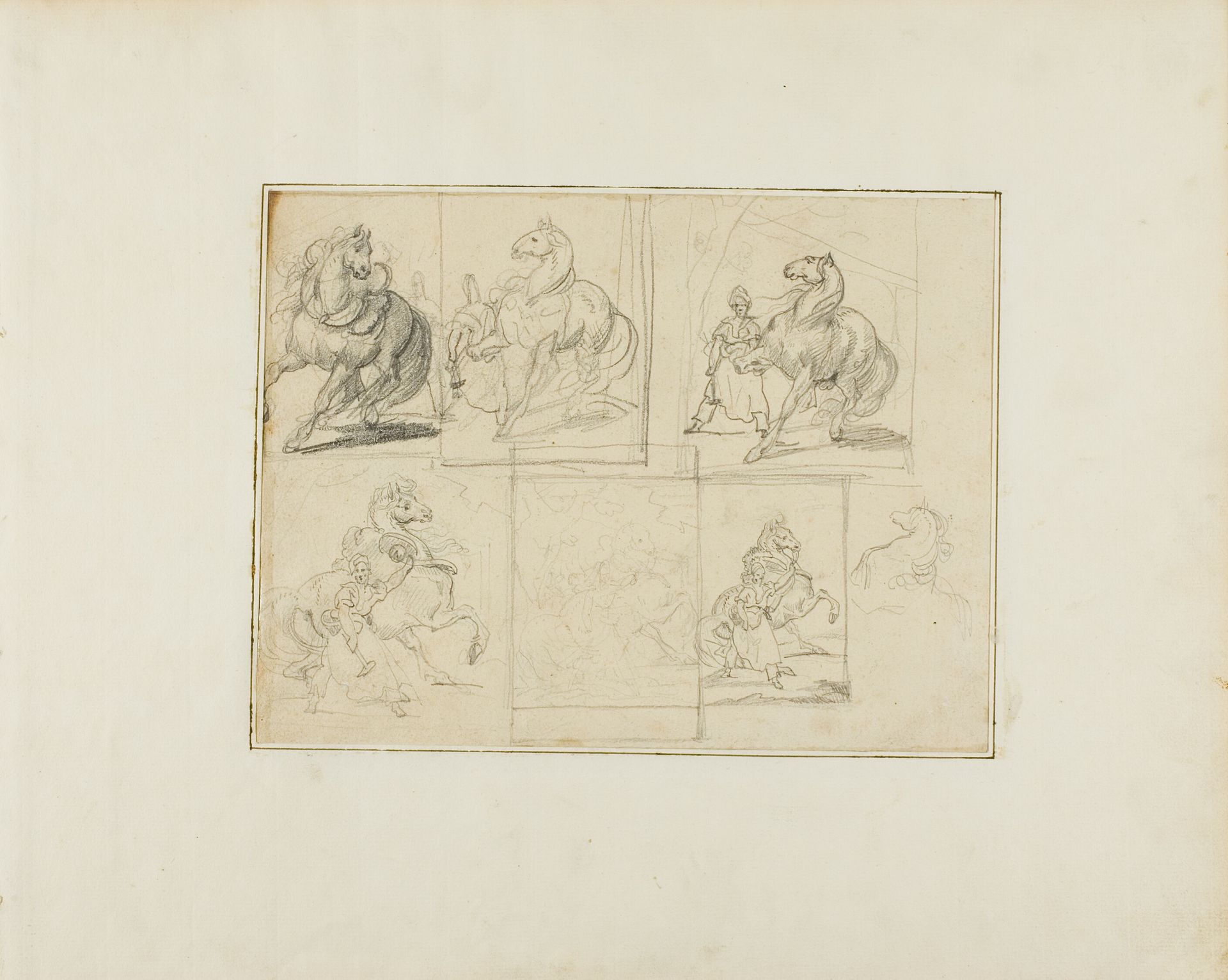
Théodore Géricault made these "Studies" using graphite on paper sometime in the early 19th century. Look closely and you'll see a series of sketches, mainly of horses. The graphite allows for quick, iterative marks, a sort of thinking-through-drawing. The paper serves as a receptive field for the artist's restless hand. These aren't finished works; they're exploratory. The social context here is the artist's studio, a space for experimentation. Géricault was deeply engaged with the Romantic movement, which valued individual expression and emotional intensity. The immediacy of the graphite sketches aligns perfectly with this ethos. The modest materials belie the labor involved. Consider the hours Géricault spent honing his skills, learning anatomy, and mastering the art of capturing movement. This work reminds us that even the most seemingly effortless creations are rooted in dedication and practice. It invites us to value the process as much as the finished product.
Studies
1813 - 1814


Artwork details
- Medium
- drawing, paper, pencil, graphite
- Dimensions
- 174 × 232 mm
- Location
- The Art Institute of Chicago
- Copyright
- Public Domain
Tags
Comments
Share your thoughts
About this artwork
Théodore Géricault made these "Studies" using graphite on paper sometime in the early 19th century. Look closely and you'll see a series of sketches, mainly of horses. The graphite allows for quick, iterative marks, a sort of thinking-through-drawing. The paper serves as a receptive field for the artist's restless hand. These aren't finished works; they're exploratory. The social context here is the artist's studio, a space for experimentation. Géricault was deeply engaged with the Romantic movement, which valued individual expression and emotional intensity. The immediacy of the graphite sketches aligns perfectly with this ethos. The modest materials belie the labor involved. Consider the hours Géricault spent honing his skills, learning anatomy, and mastering the art of capturing movement. This work reminds us that even the most seemingly effortless creations are rooted in dedication and practice. It invites us to value the process as much as the finished product.
Comments
Share your thoughts