About this artwork
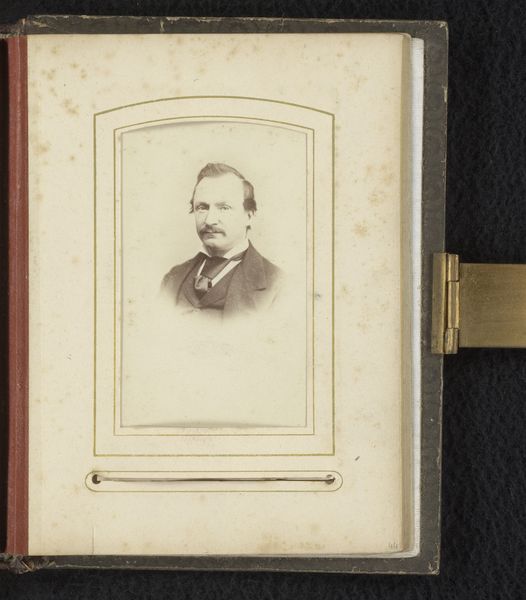
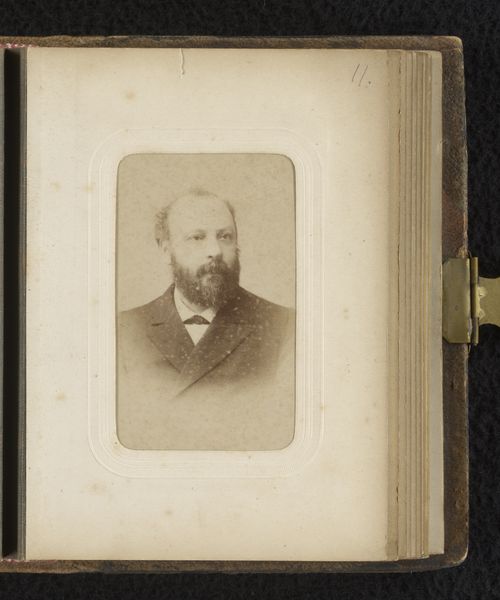
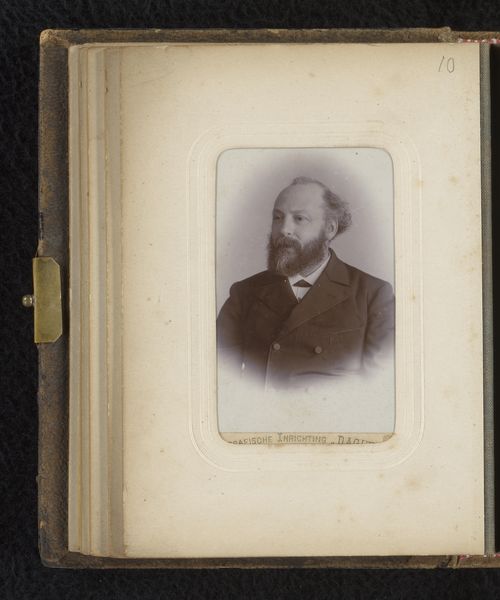
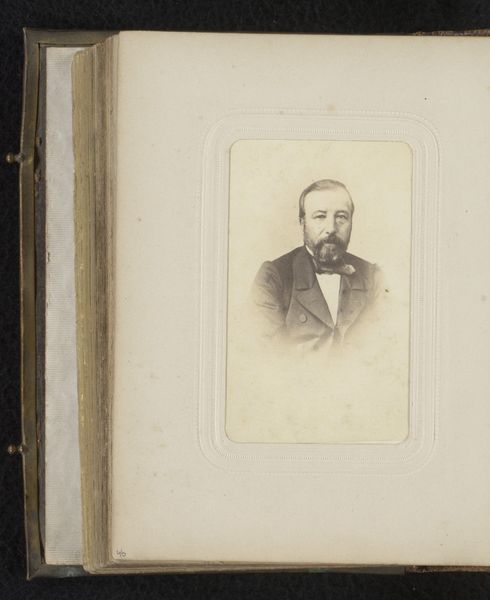
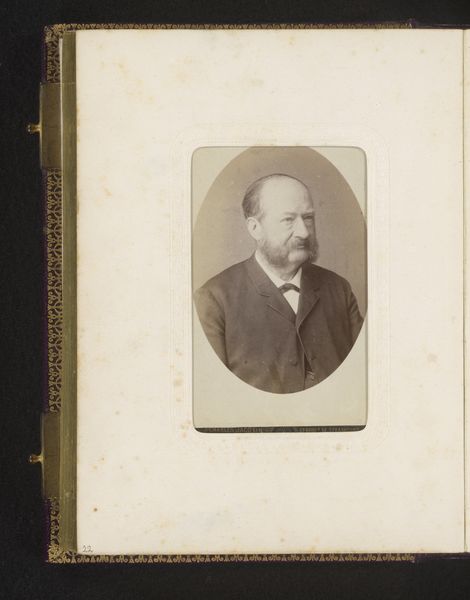
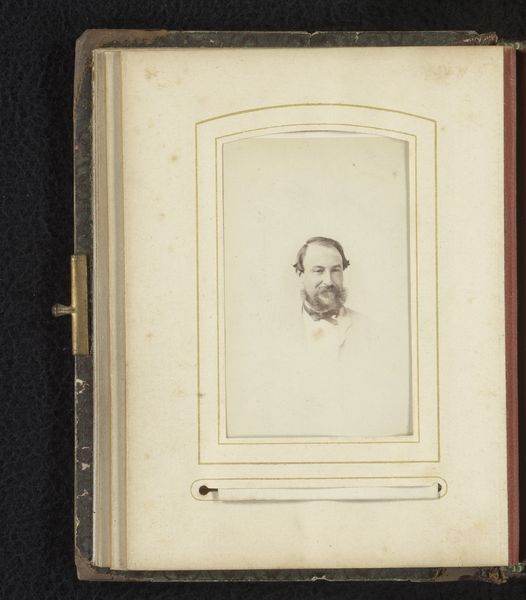
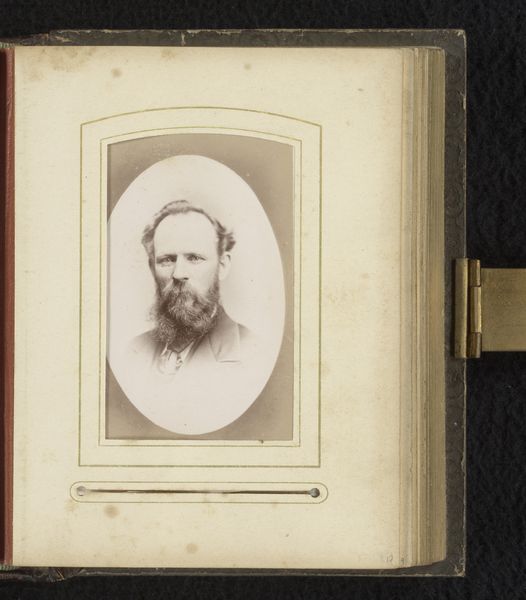
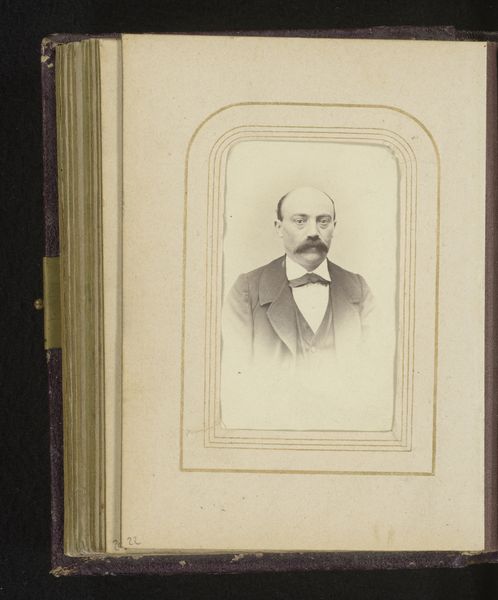
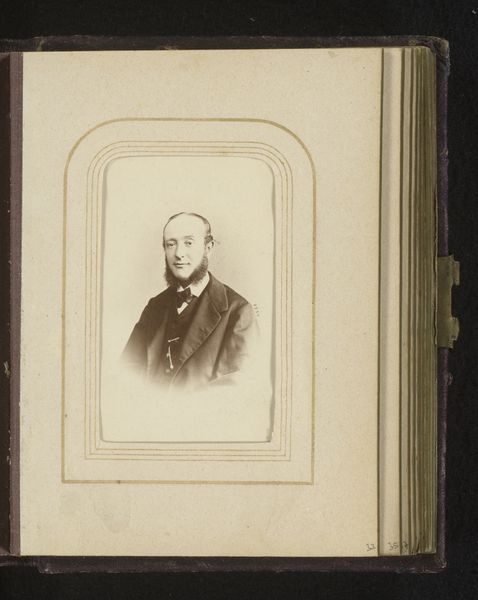
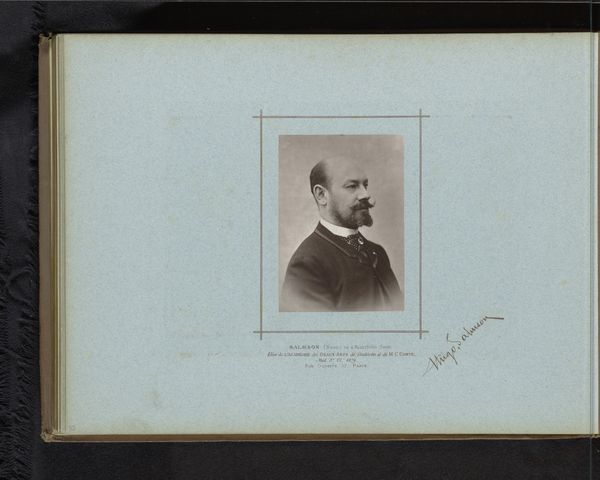
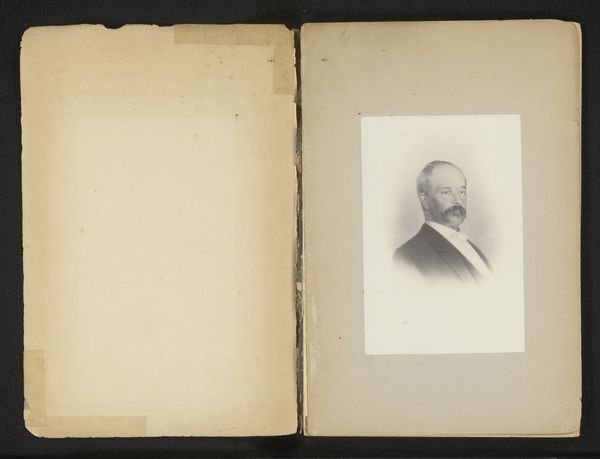
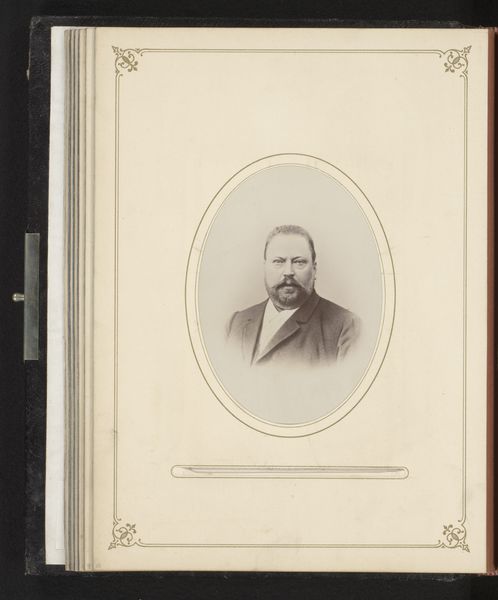
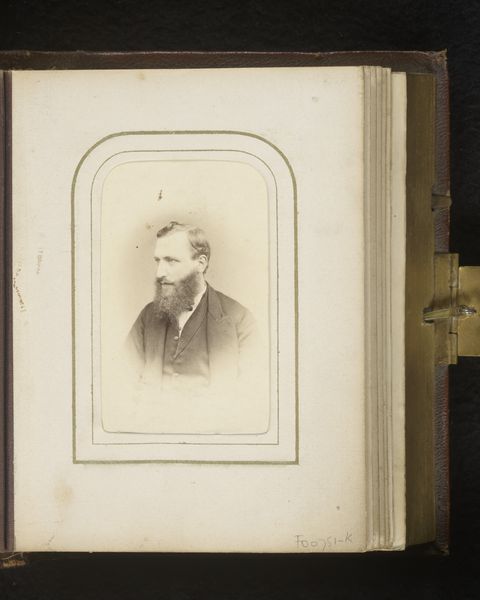
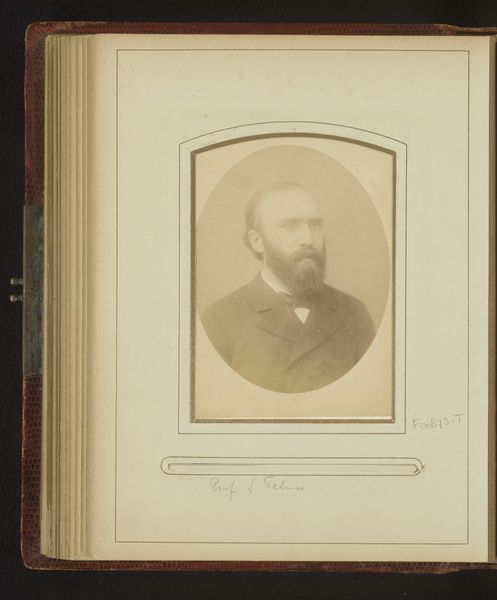
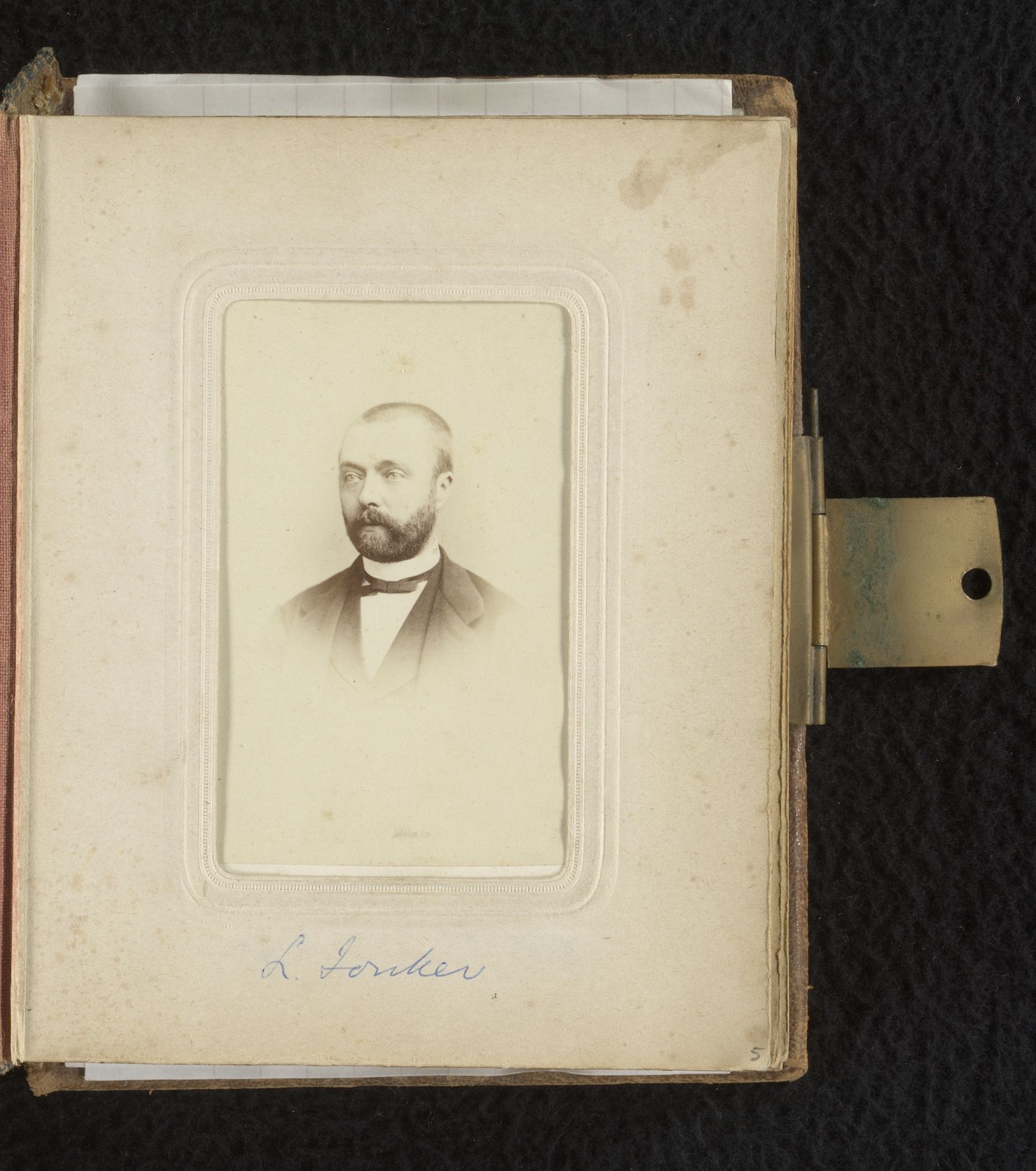
Wegner & Mottu created this photographic portrait of Lucas Jonker using the 19th-century technology of chemical photography. The sepia tones are a direct result of the chemical processes involved, using silver salts to capture light and create an image on paper. This was not just a scientific breakthrough; it democratized portraiture. Before photography, only the wealthy could afford to have their likeness captured in a painting, an item of luxury. Photography, by contrast, offered a relatively affordable way for middle-class individuals to document their existence and construct their identity. The very act of sitting for a photograph became a social ritual, reflecting aspirations of respectability and belonging. The photograph's material existence speaks volumes about the changing social landscape of the time, and the increasing accessibility of image-making. It reminds us that even seemingly simple objects can be rich with cultural significance.

Artwork details
- Medium
- photography, gelatin-silver-print
- Dimensions
- height 85 mm, width 51 mm
- Copyright
- Rijks Museum: Open Domain
Tags
Comments
Share your thoughts
About this artwork
Wegner & Mottu created this photographic portrait of Lucas Jonker using the 19th-century technology of chemical photography. The sepia tones are a direct result of the chemical processes involved, using silver salts to capture light and create an image on paper. This was not just a scientific breakthrough; it democratized portraiture. Before photography, only the wealthy could afford to have their likeness captured in a painting, an item of luxury. Photography, by contrast, offered a relatively affordable way for middle-class individuals to document their existence and construct their identity. The very act of sitting for a photograph became a social ritual, reflecting aspirations of respectability and belonging. The photograph's material existence speaks volumes about the changing social landscape of the time, and the increasing accessibility of image-making. It reminds us that even seemingly simple objects can be rich with cultural significance.
Comments
Share your thoughts