About this artwork
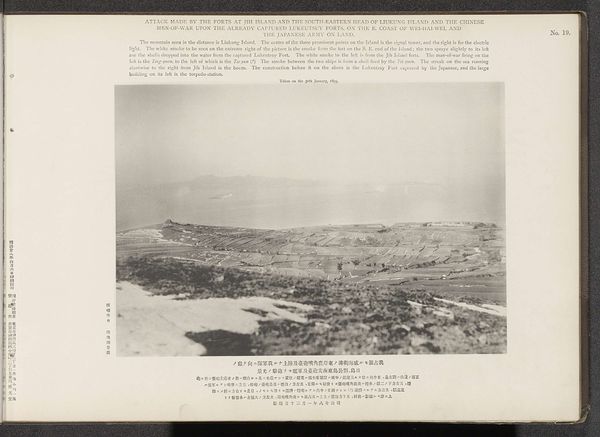
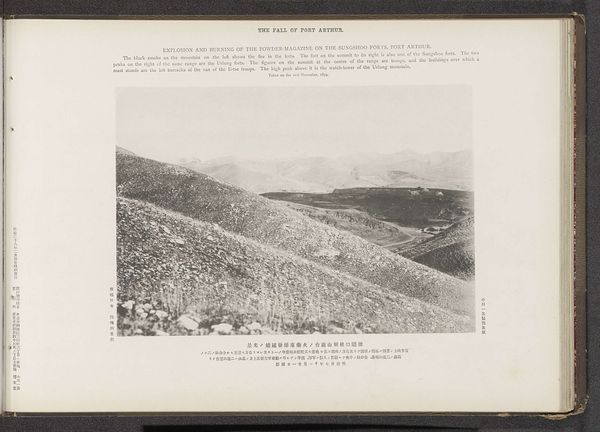
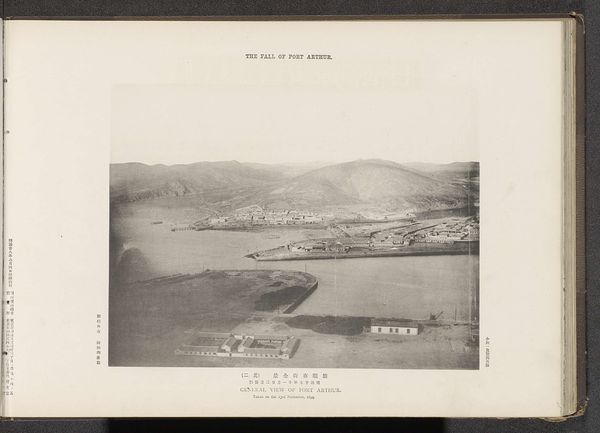
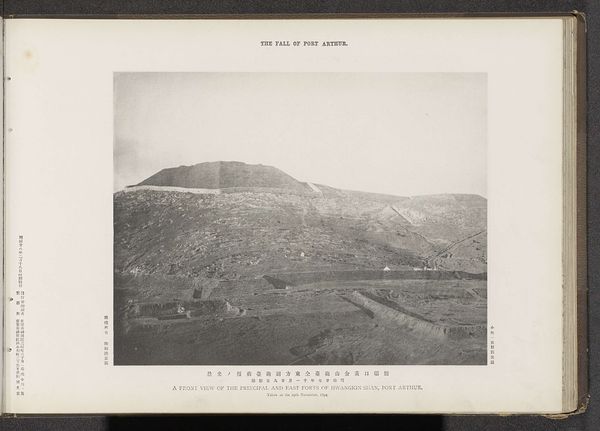
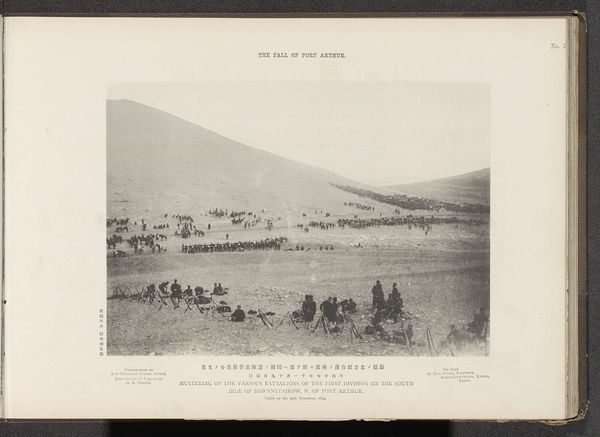
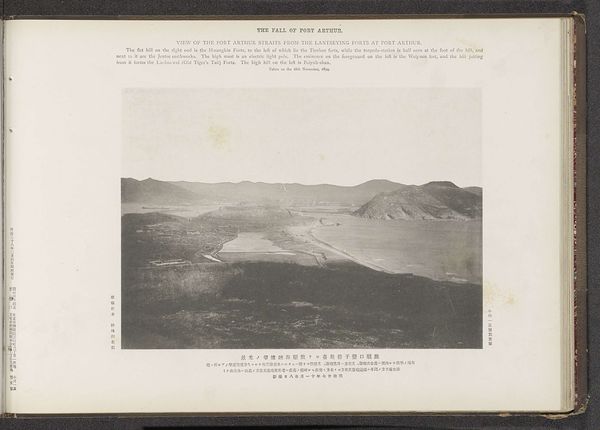
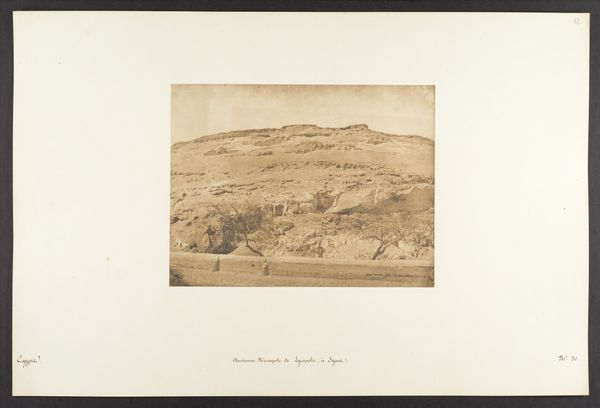
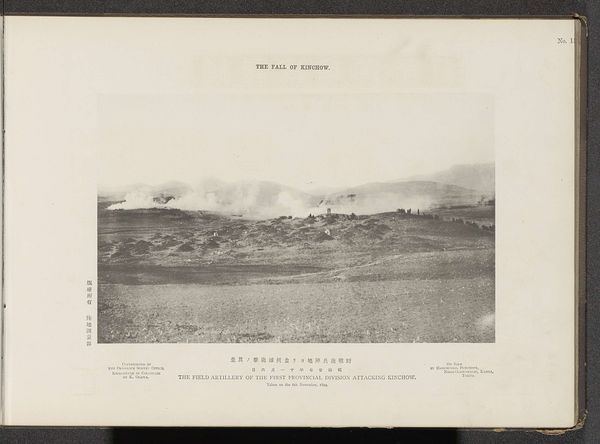
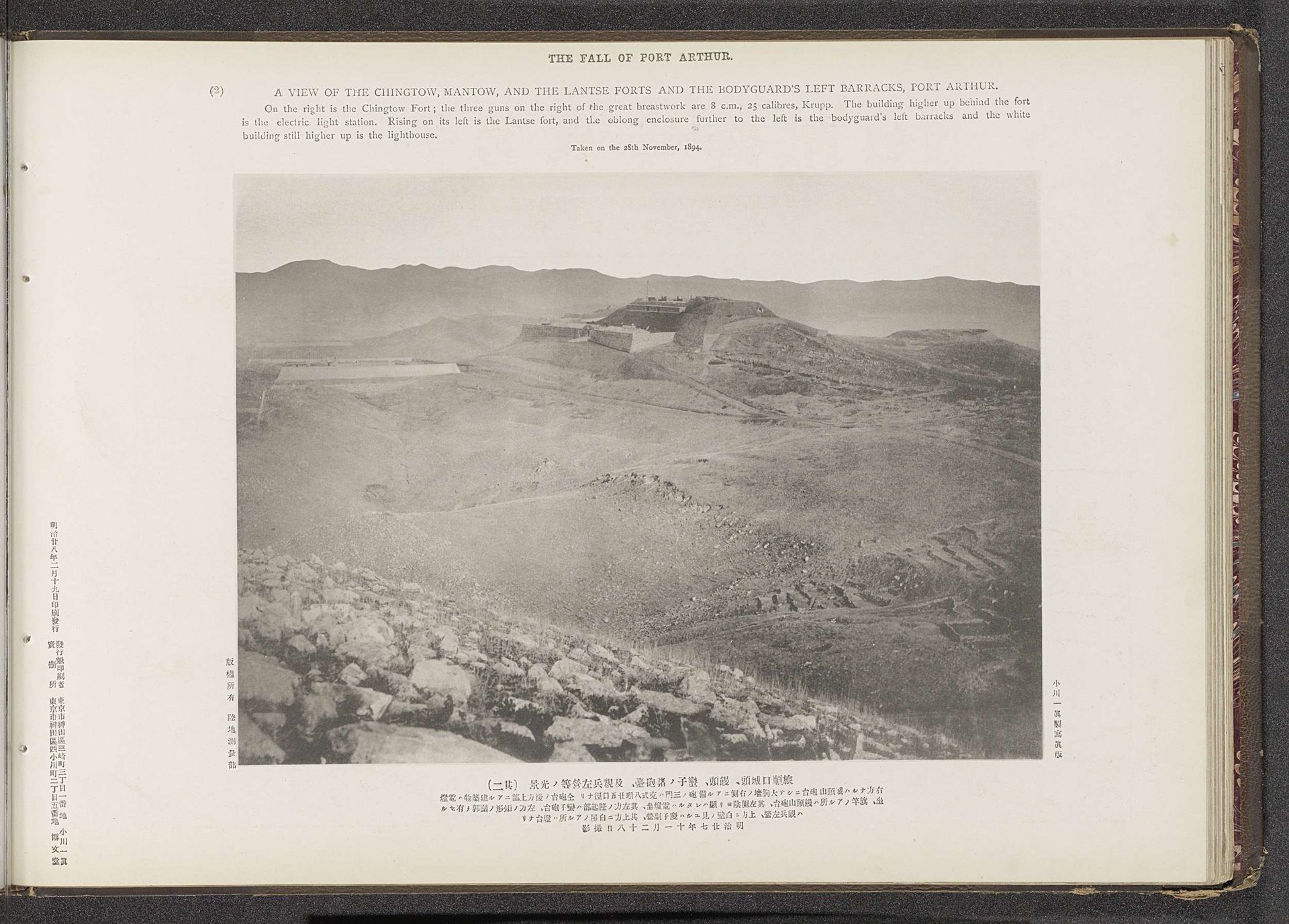
This photograph, taken by the Ordnance Survey Office, shows the Chingtow, Mantow, and Lantse forts and the bodyguard's left barracks at Port Arthur. The image is a testament to the power of photography in documenting and shaping our understanding of warfare. Ordnance Survey Offices used photography's technical capabilities to render a scene with a high level of objective detail, turning the camera lens into a tool for gathering military intelligence and shaping public perception. The image's strength lies in its ability to compress a complex situation into a single, easily digestible frame. Yet, its monochrome palette and seemingly neutral perspective belie the complex social and political forces at play, subtly reinforcing the era's colonial power dynamics. The image is a reminder of the many ways materials and processes become powerful vehicles for communication.
A view of the Chingtow, Mantow, and the Lantse forts and the bodyguards left barracks, Port Arthur
Possibly 1894

Artwork details
- Medium
- print, photography
- Dimensions
- height 206 mm, width 282 mm
- Copyright
- Rijks Museum: Open Domain
Tags
Comments
Share your thoughts
About this artwork
This photograph, taken by the Ordnance Survey Office, shows the Chingtow, Mantow, and Lantse forts and the bodyguard's left barracks at Port Arthur. The image is a testament to the power of photography in documenting and shaping our understanding of warfare. Ordnance Survey Offices used photography's technical capabilities to render a scene with a high level of objective detail, turning the camera lens into a tool for gathering military intelligence and shaping public perception. The image's strength lies in its ability to compress a complex situation into a single, easily digestible frame. Yet, its monochrome palette and seemingly neutral perspective belie the complex social and political forces at play, subtly reinforcing the era's colonial power dynamics. The image is a reminder of the many ways materials and processes become powerful vehicles for communication.
Comments
Share your thoughts