About this artwork
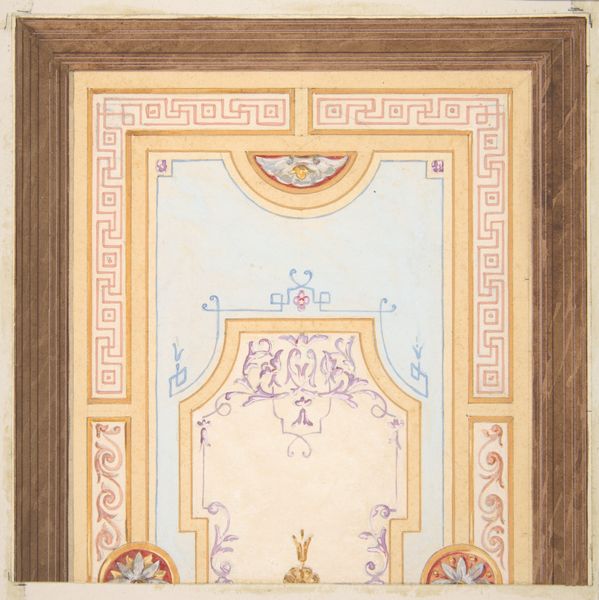
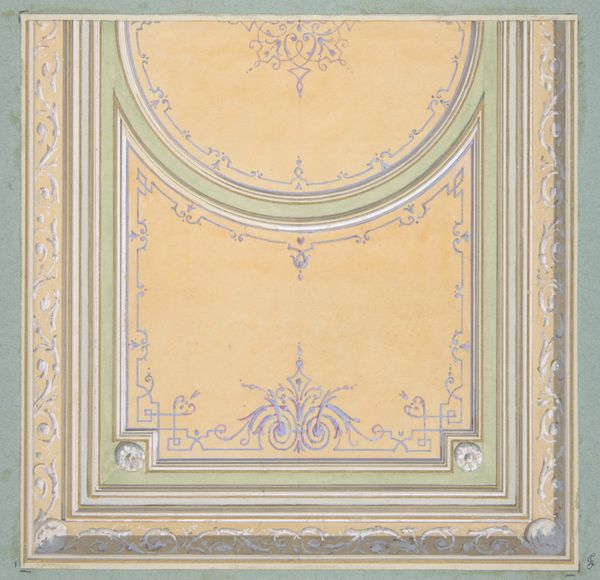
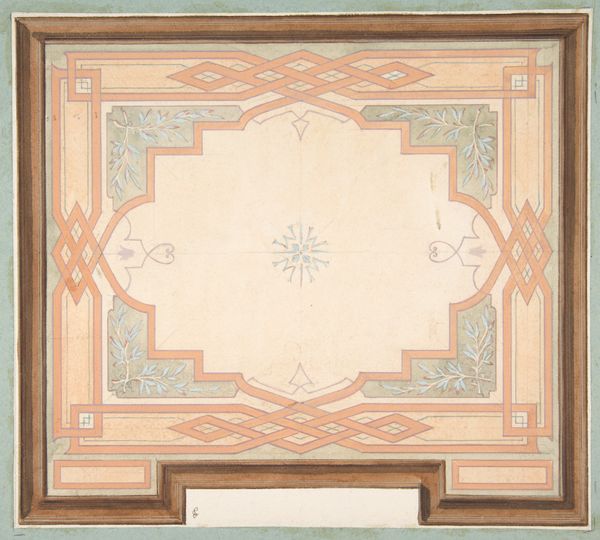
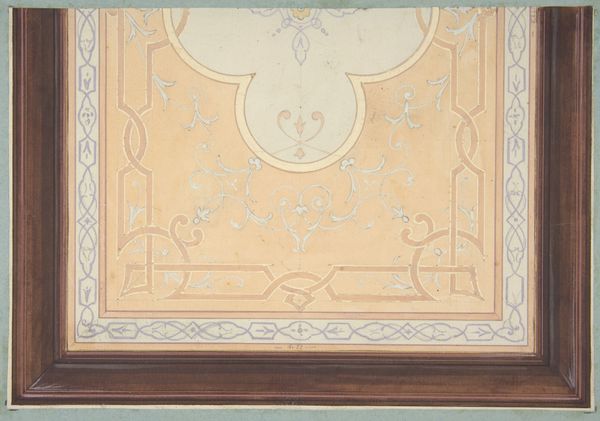
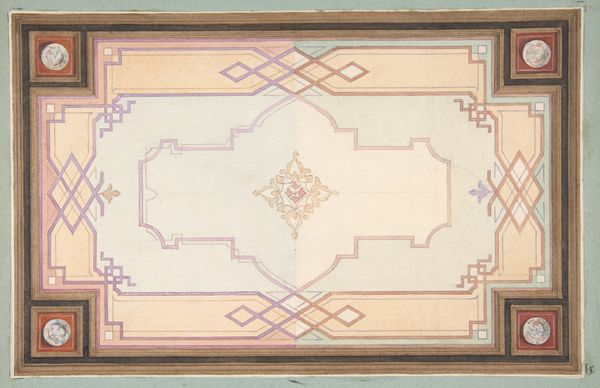
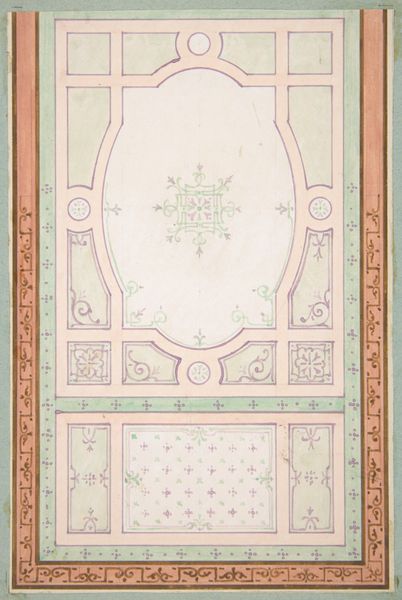
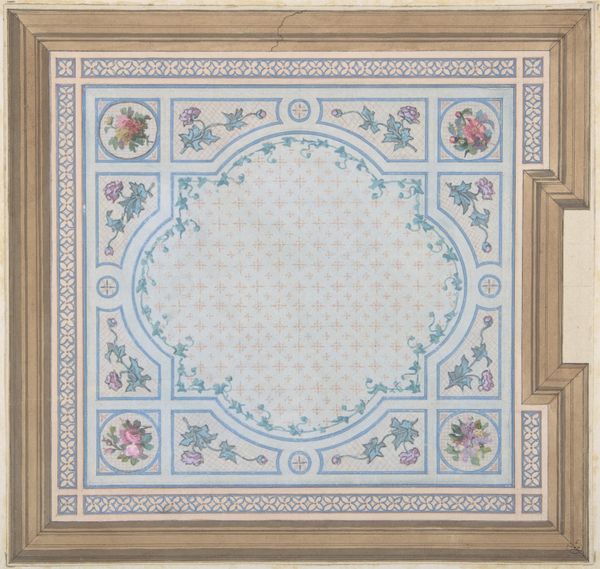
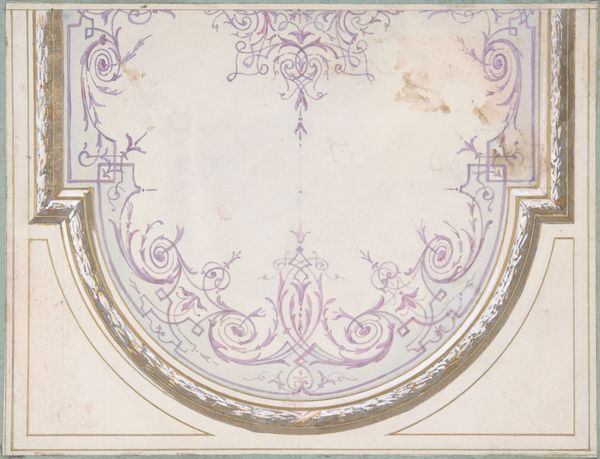
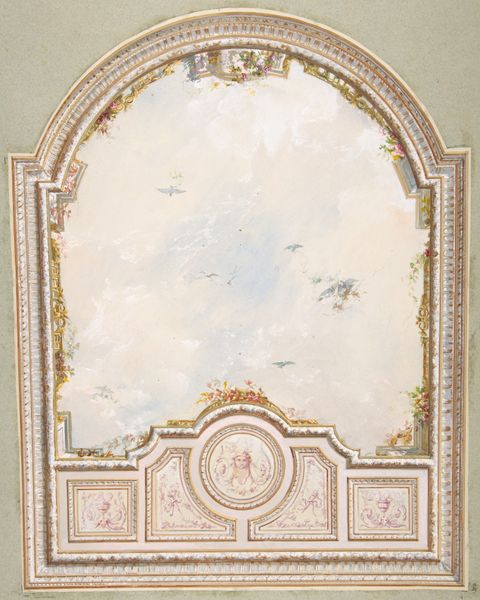
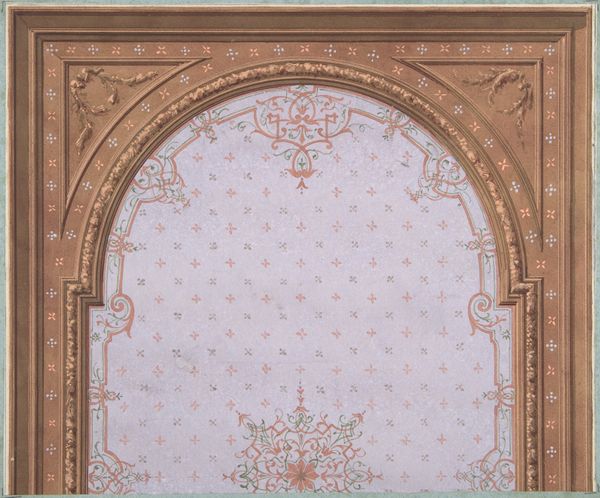
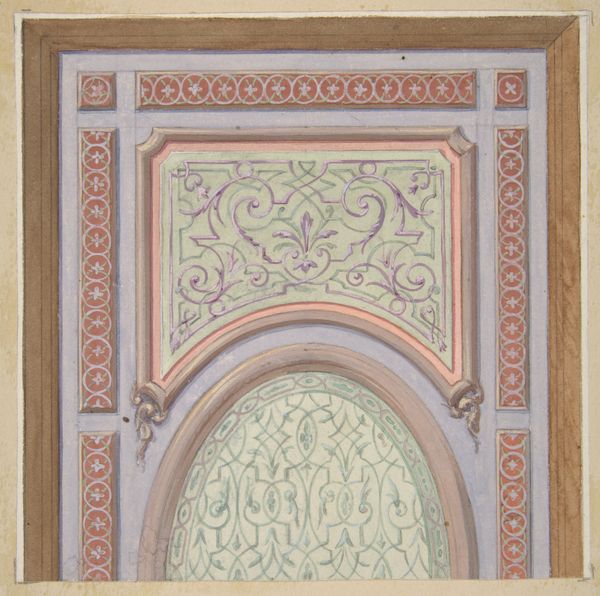
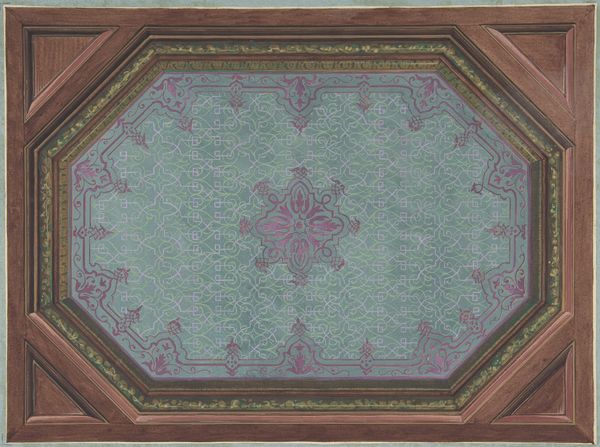
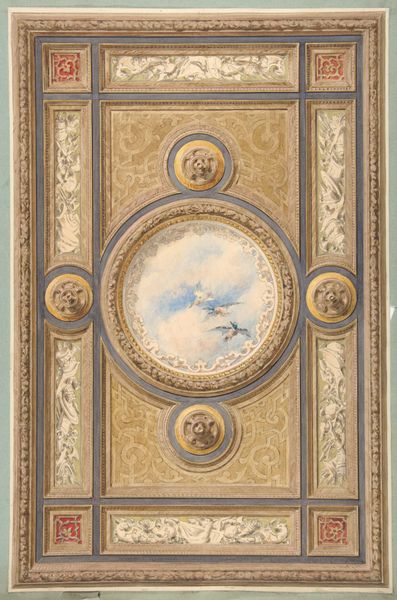
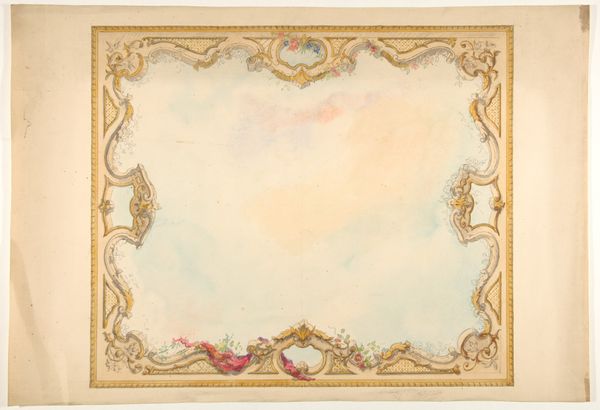
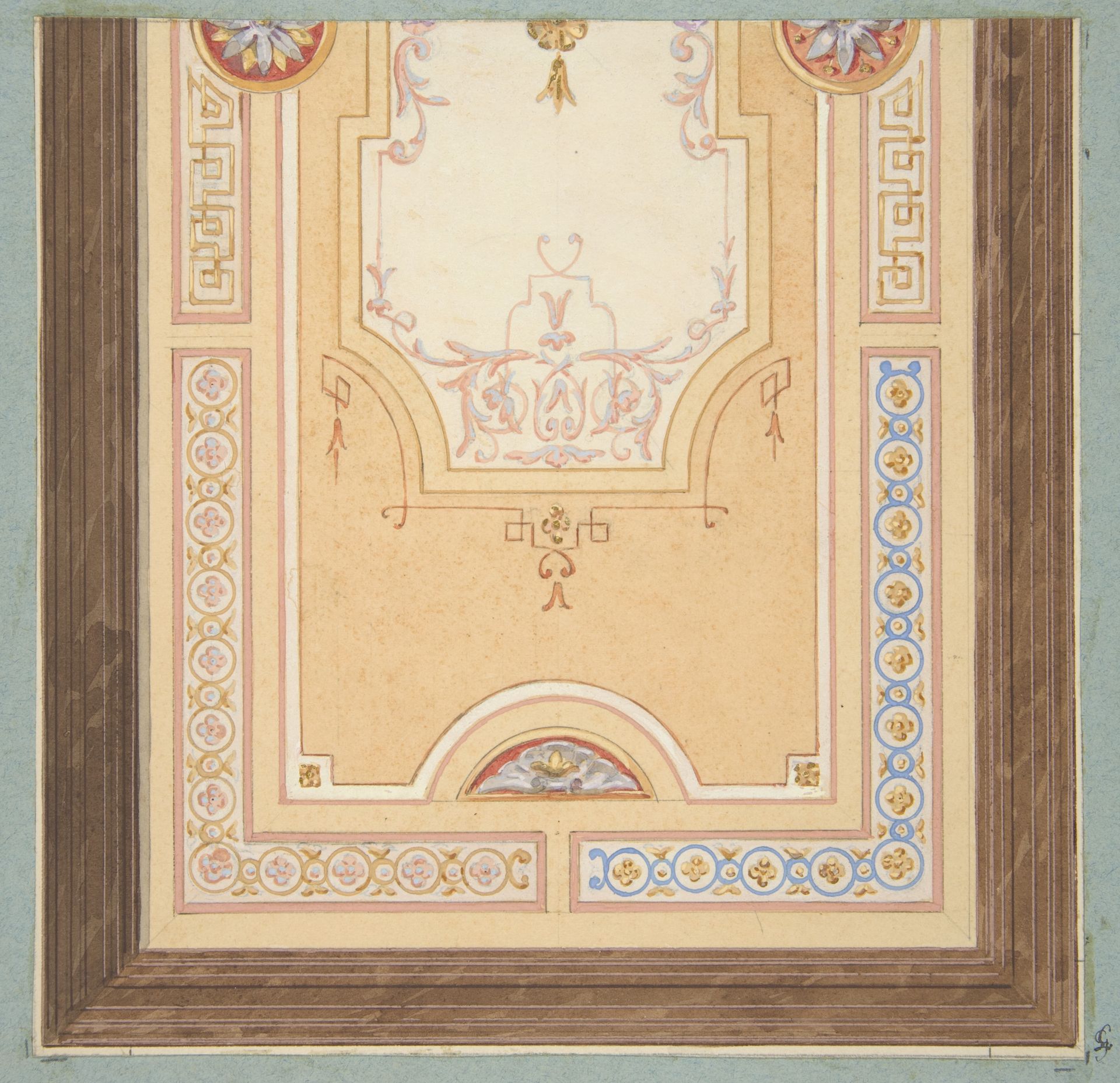
Jules-Edmond-Charles Lachaise created this design for a painted ceiling using pen and watercolor. While seemingly traditional, the drawing represents a crucial stage in the industrialization of interior design. The application of watercolor allows for precise control of color and detail, simulating the appearance of a finished ceiling. But the real craft here would be in the hands of the artisans, who would scale up this design onto a ceiling at a grand scale. The architectural ornament would demand skilled labor to execute on site, in the plasterwork, and in the painting and gilding that bring the design to life. This drawing embodies a shift towards a more managed, and less improvisational mode of production. The design becomes a commodity. The architect controls the artistic vision, while the laborers execute it. Looking at this design, we can appreciate the blend of artistic vision, and skilled labor, that went into creating these lavish interiors. It encourages us to consider the labor and social context embedded within these works.
Design for the painted decoration of a ceiling in with strapwork and rinceaux 1830 - 1897

Jules-Edmond-Charles Lachaise
1897
The Metropolitan Museum of Art
Metropolitan Museum of Art, New York, NYArtwork details
- Medium
- drawing, print, architecture
- Dimensions
- Overall: 14 13/16 x 10 3/8 in. (37.6 x 26.3 cm) image: 6 15/16 x 6 15/16 in. (17.6 x 17.7 cm)
- Location
- Metropolitan Museum of Art, New York, NY
- Copyright
- Public Domain
Tags
drawing
neoclassicism
traditional architecture
geometric
decorative-art
watercolor
architecture
Comments
No comments
About this artwork
Jules-Edmond-Charles Lachaise created this design for a painted ceiling using pen and watercolor. While seemingly traditional, the drawing represents a crucial stage in the industrialization of interior design. The application of watercolor allows for precise control of color and detail, simulating the appearance of a finished ceiling. But the real craft here would be in the hands of the artisans, who would scale up this design onto a ceiling at a grand scale. The architectural ornament would demand skilled labor to execute on site, in the plasterwork, and in the painting and gilding that bring the design to life. This drawing embodies a shift towards a more managed, and less improvisational mode of production. The design becomes a commodity. The architect controls the artistic vision, while the laborers execute it. Looking at this design, we can appreciate the blend of artistic vision, and skilled labor, that went into creating these lavish interiors. It encourages us to consider the labor and social context embedded within these works.
Comments
No comments