About this artwork
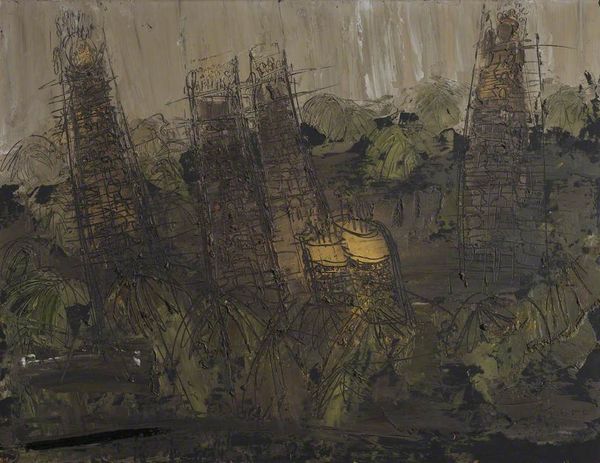
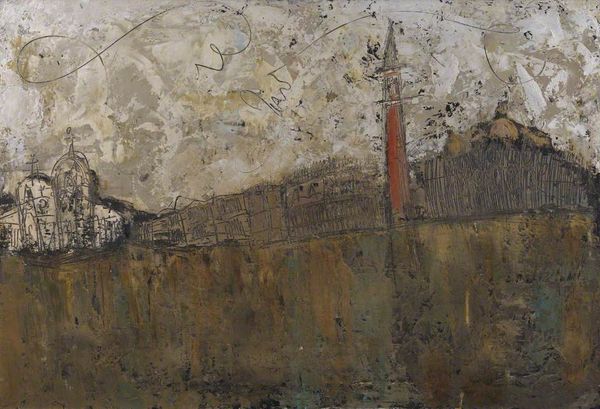
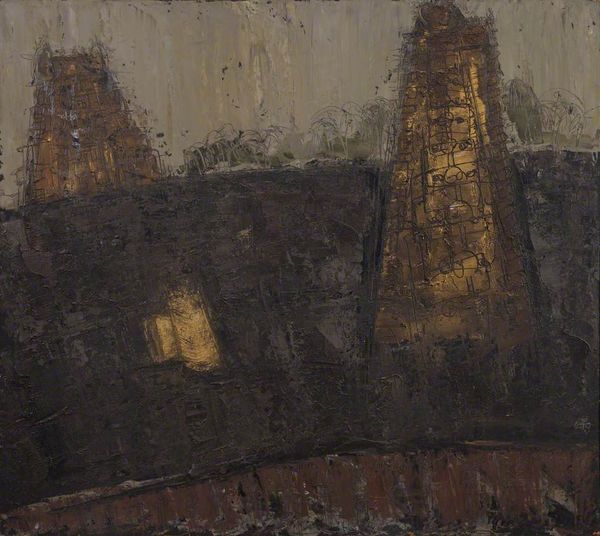
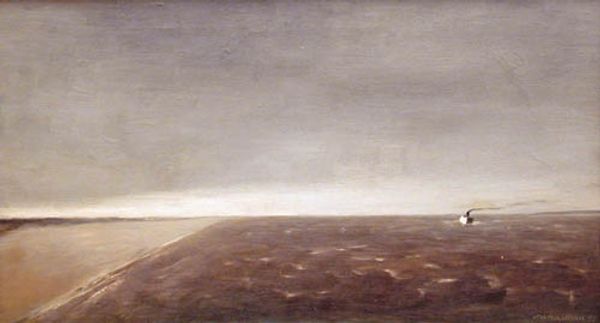
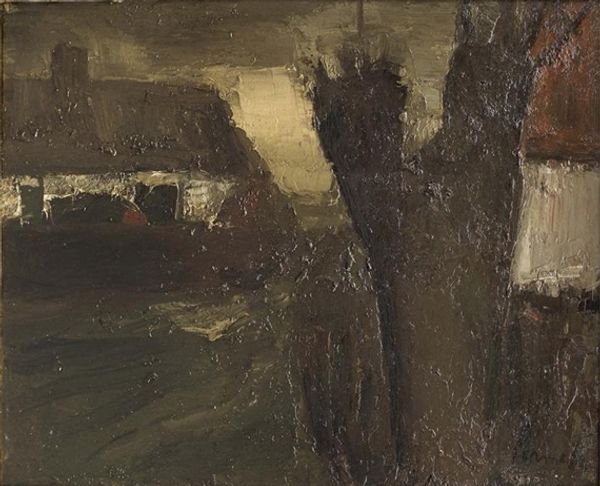
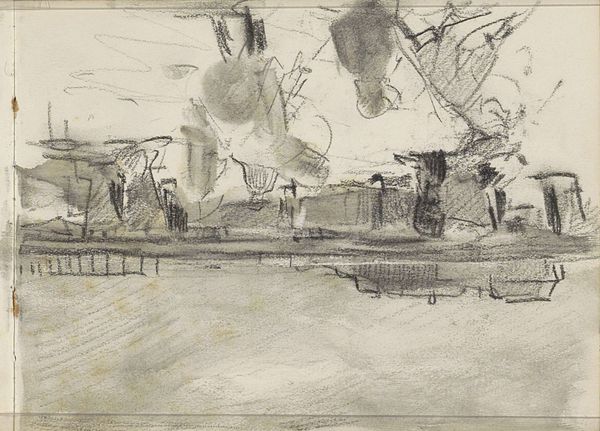
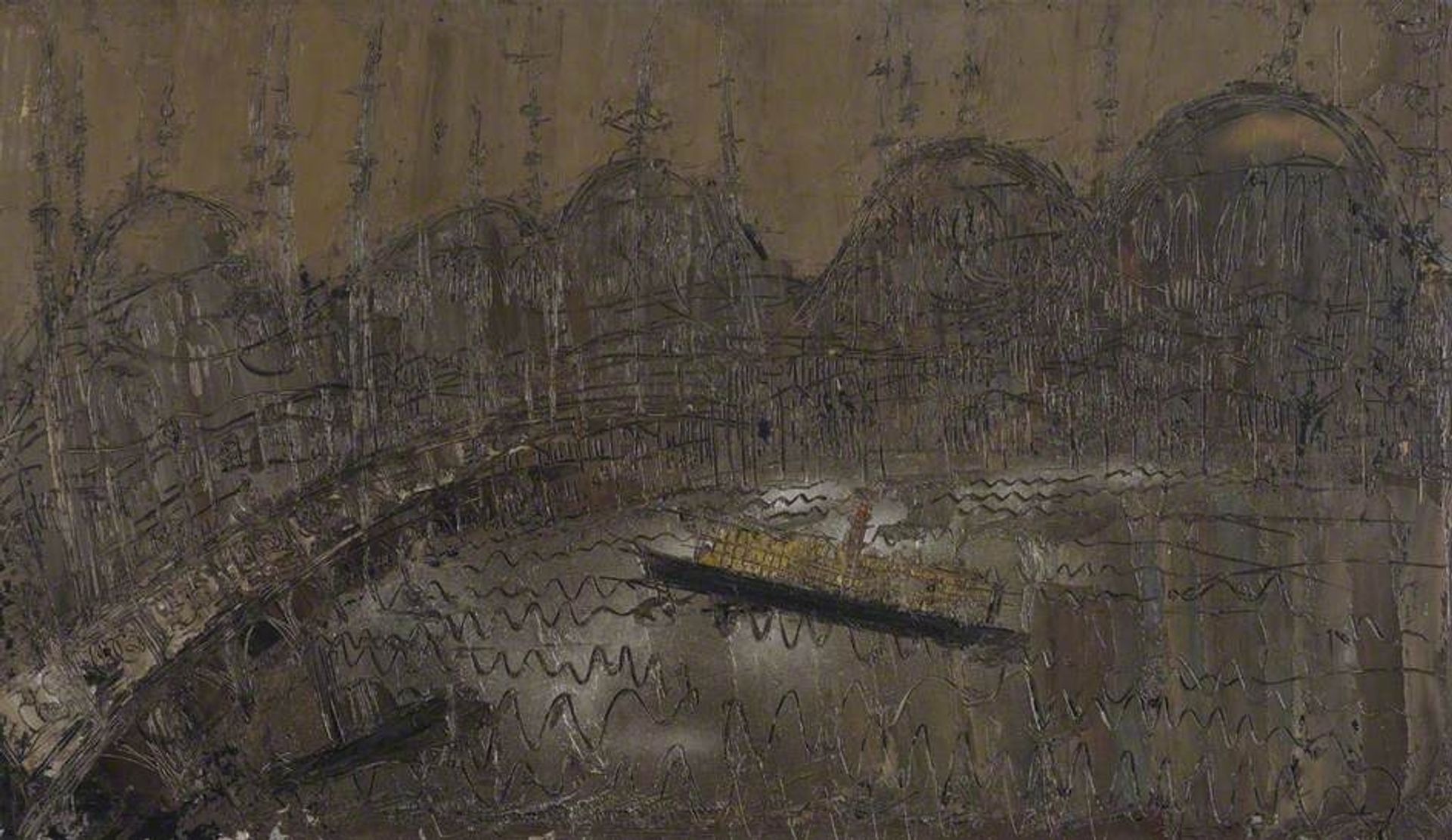
William Congdon created this oil painting, Istanbul No.2, using dense layers of muted browns, blacks, and grays. The heavily worked surface gives a tactile quality, almost as if the city is emerging from the earth itself. Notice the linear elements scratched into the paint, creating a network of lines which define architectural forms and rippling water. Congdon's approach to depicting Istanbul isn't about capturing a literal likeness, but about conveying an experience. The lack of clear perspective and the flattening of space dismantle conventional representation. It's as if the city is both present and dissolving before us. The semiotic system here operates through suggestion rather than clear denotation. The lines and forms evoke "city" and "water," but resist fixed meanings. Ultimately, the painting prompts us to consider how we perceive and construct our understanding of place, challenging any fixed interpretation. Is the city a solid, stable entity, or a fluid, ever-changing experience?

Artwork details
- Medium
- painting, oil-paint
- Copyright
- William Congdon,Fair Use
Tags
Comments
Share your thoughts
About this artwork
William Congdon created this oil painting, Istanbul No.2, using dense layers of muted browns, blacks, and grays. The heavily worked surface gives a tactile quality, almost as if the city is emerging from the earth itself. Notice the linear elements scratched into the paint, creating a network of lines which define architectural forms and rippling water. Congdon's approach to depicting Istanbul isn't about capturing a literal likeness, but about conveying an experience. The lack of clear perspective and the flattening of space dismantle conventional representation. It's as if the city is both present and dissolving before us. The semiotic system here operates through suggestion rather than clear denotation. The lines and forms evoke "city" and "water," but resist fixed meanings. Ultimately, the painting prompts us to consider how we perceive and construct our understanding of place, challenging any fixed interpretation. Is the city a solid, stable entity, or a fluid, ever-changing experience?
Comments
Share your thoughts