About this artwork
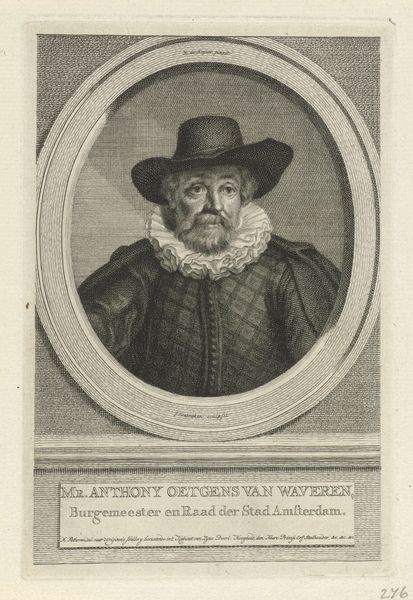
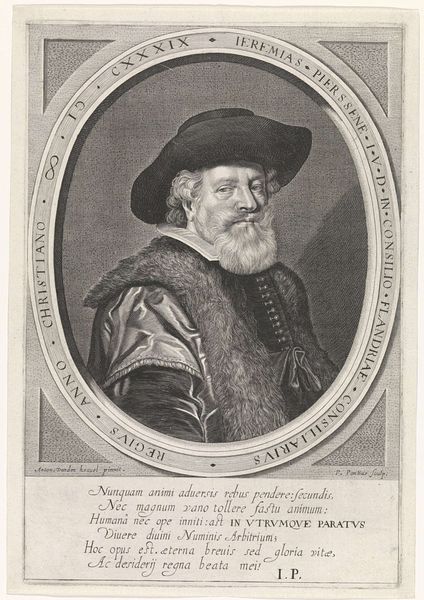
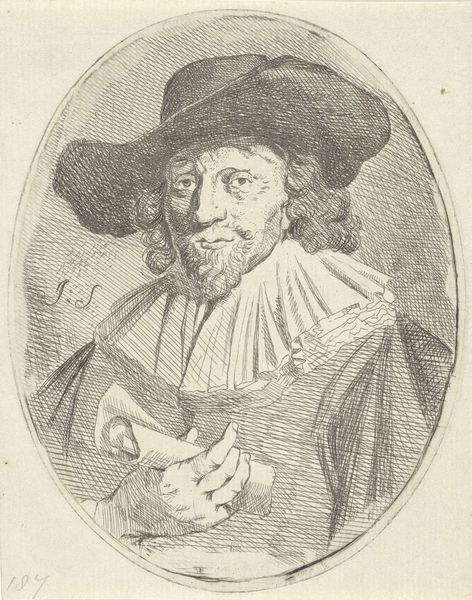
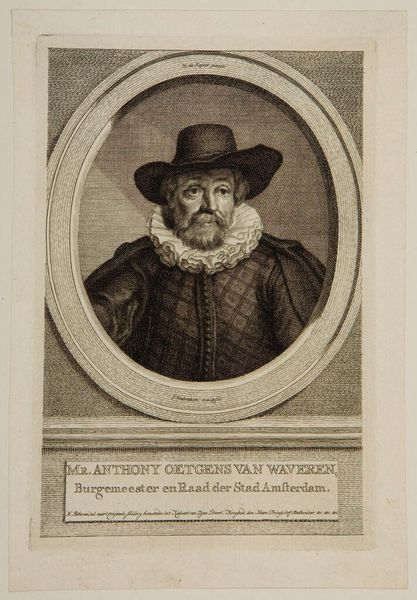
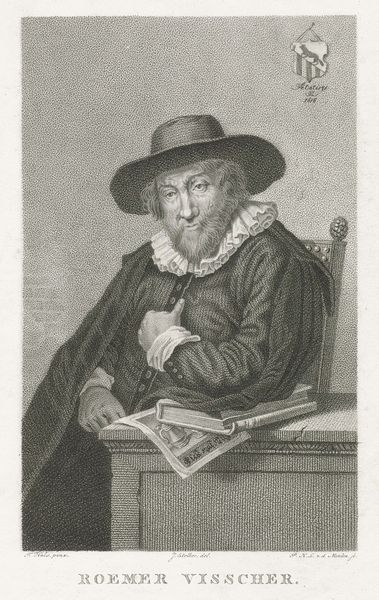
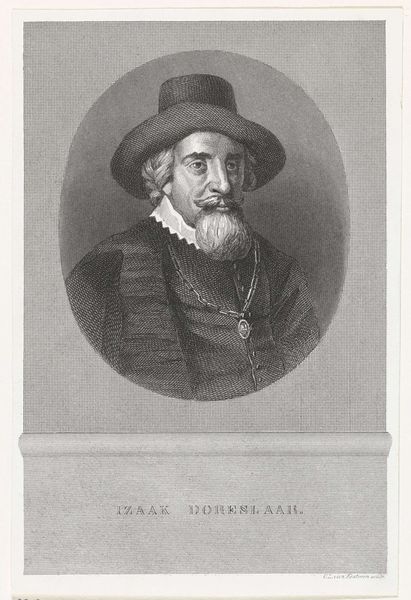
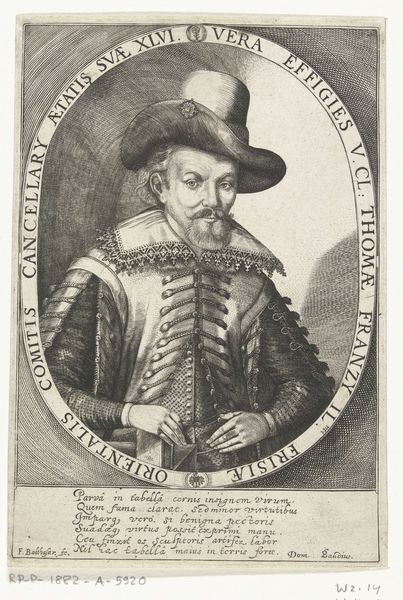
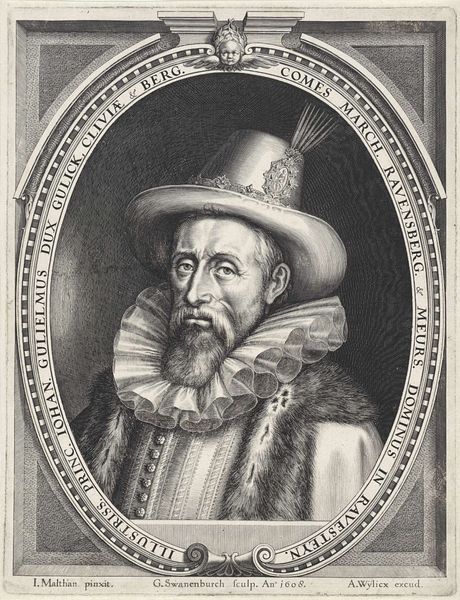
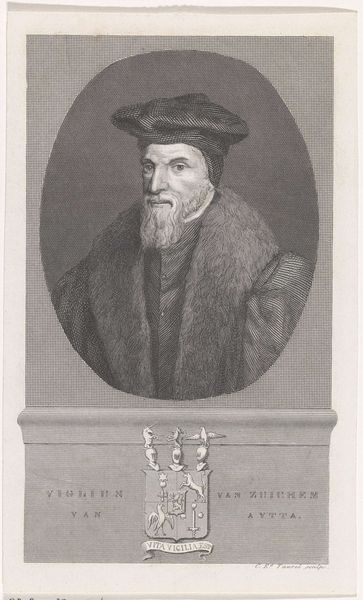
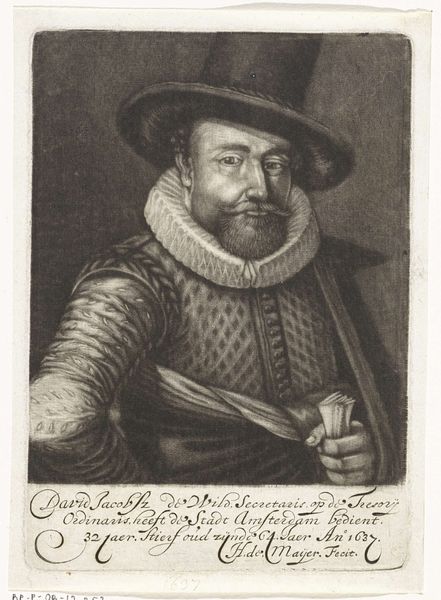
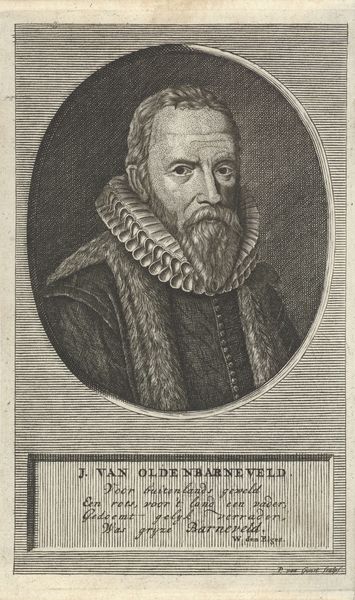
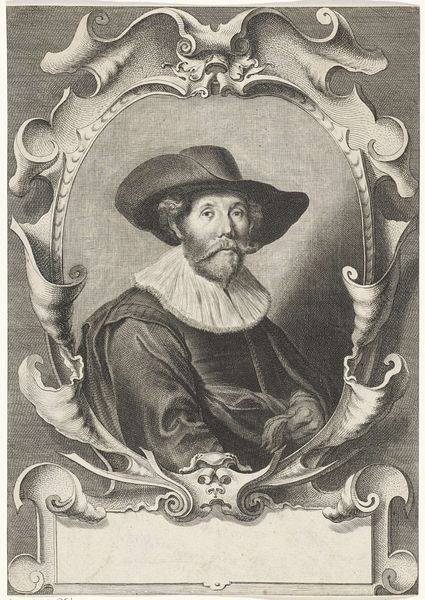
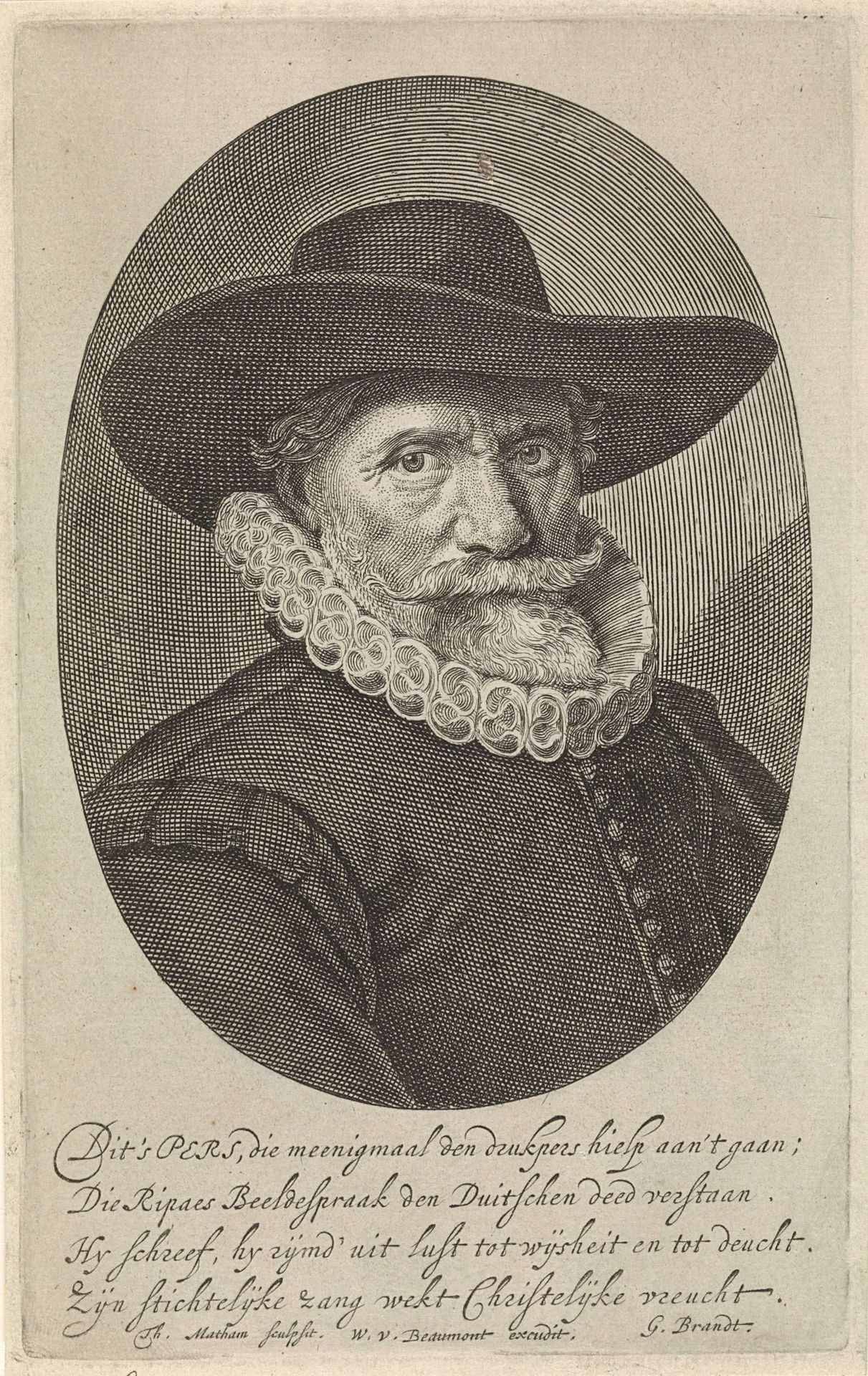
This is Theodor Matham’s portrait of Dirck Pietersz Pers, captured in ink on paper. Note the sitter's elaborate ruff collar, a symbol of status and refinement during the Dutch Golden Age. This adornment, however, is no isolated fashion statement. It's an echo, a distant cousin to the protective amulets of ancient priests, the elaborate neckpieces of tribal chiefs, and even the feathered collars of Aztec warriors. Across cultures and eras, the neck has been a site of vulnerability, a focal point for both protection and display. The ruff, like these earlier forms, served to elevate the wearer, setting them apart. It speaks to a deep, subconscious desire to assert oneself, to project power and command respect. It is a potent visual symbol, a recurring motif in the theater of human expression. Through the centuries it has reappeared and has been charged with new meaning.

Artwork details
- Medium
- print, engraving
- Dimensions
- height 146 mm, width 90 mm
- Location
- Rijksmuseum
- Copyright
- Rijks Museum: Open Domain
Tags
portrait
baroque
old engraving style
portrait reference
limited contrast and shading
portrait drawing
engraving
Comments
Be the first to share your thoughts about this work.
About this artwork
This is Theodor Matham’s portrait of Dirck Pietersz Pers, captured in ink on paper. Note the sitter's elaborate ruff collar, a symbol of status and refinement during the Dutch Golden Age. This adornment, however, is no isolated fashion statement. It's an echo, a distant cousin to the protective amulets of ancient priests, the elaborate neckpieces of tribal chiefs, and even the feathered collars of Aztec warriors. Across cultures and eras, the neck has been a site of vulnerability, a focal point for both protection and display. The ruff, like these earlier forms, served to elevate the wearer, setting them apart. It speaks to a deep, subconscious desire to assert oneself, to project power and command respect. It is a potent visual symbol, a recurring motif in the theater of human expression. Through the centuries it has reappeared and has been charged with new meaning.
Comments
Be the first to share your thoughts about this work.