About this artwork
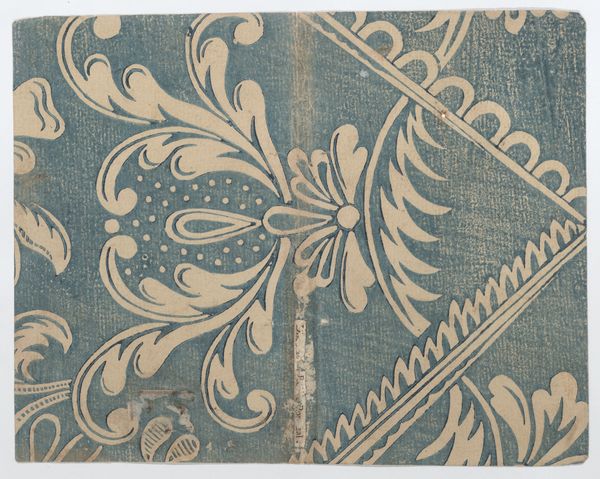
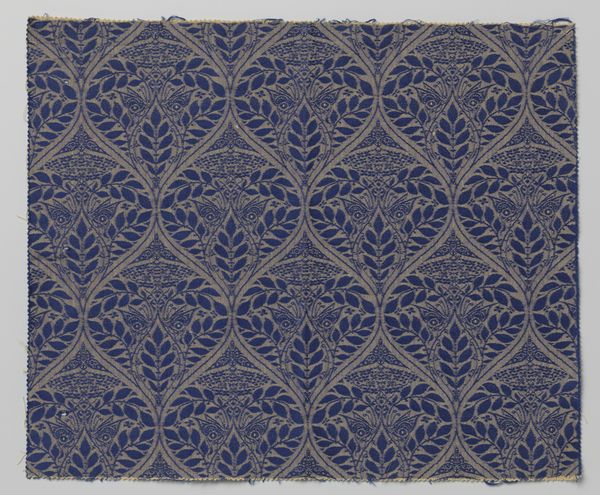
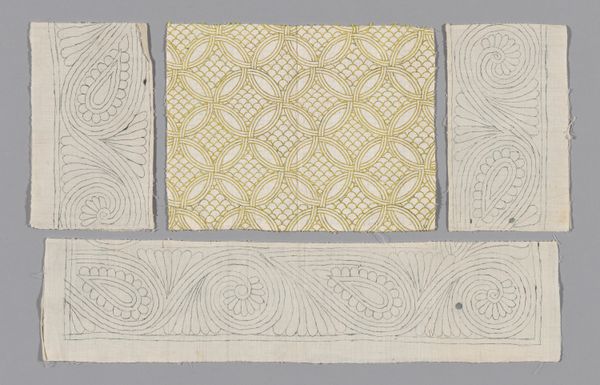
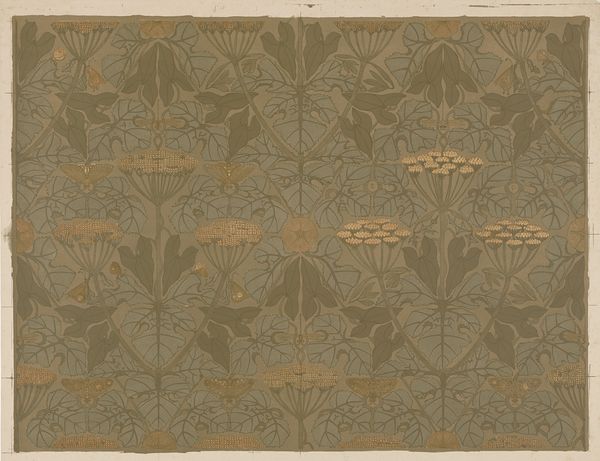
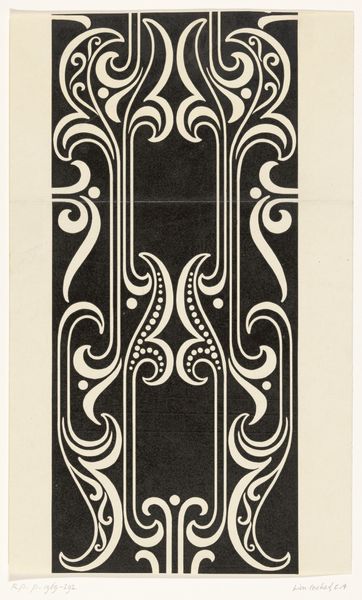
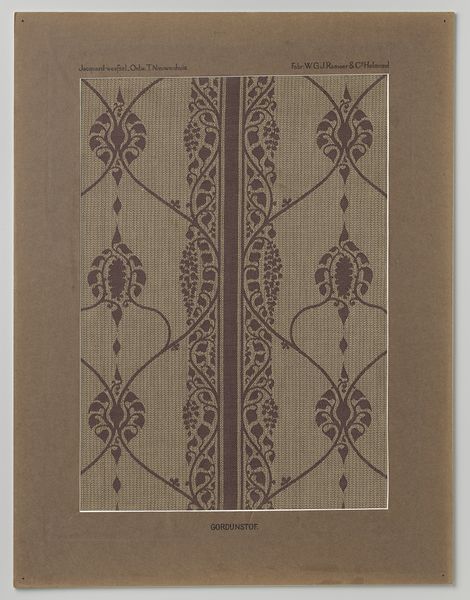
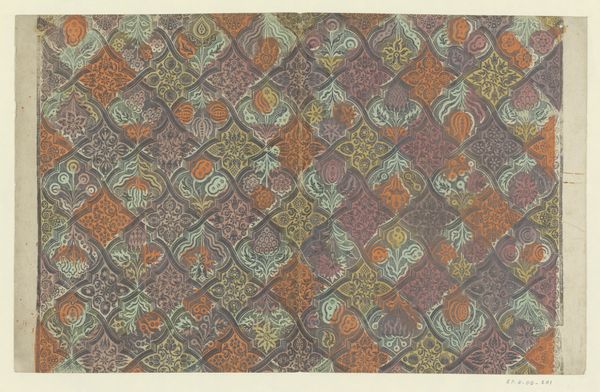
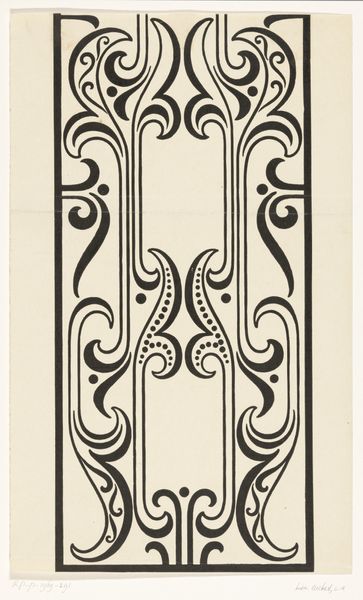
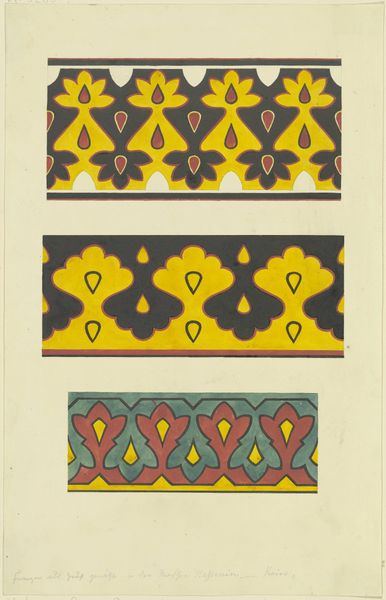
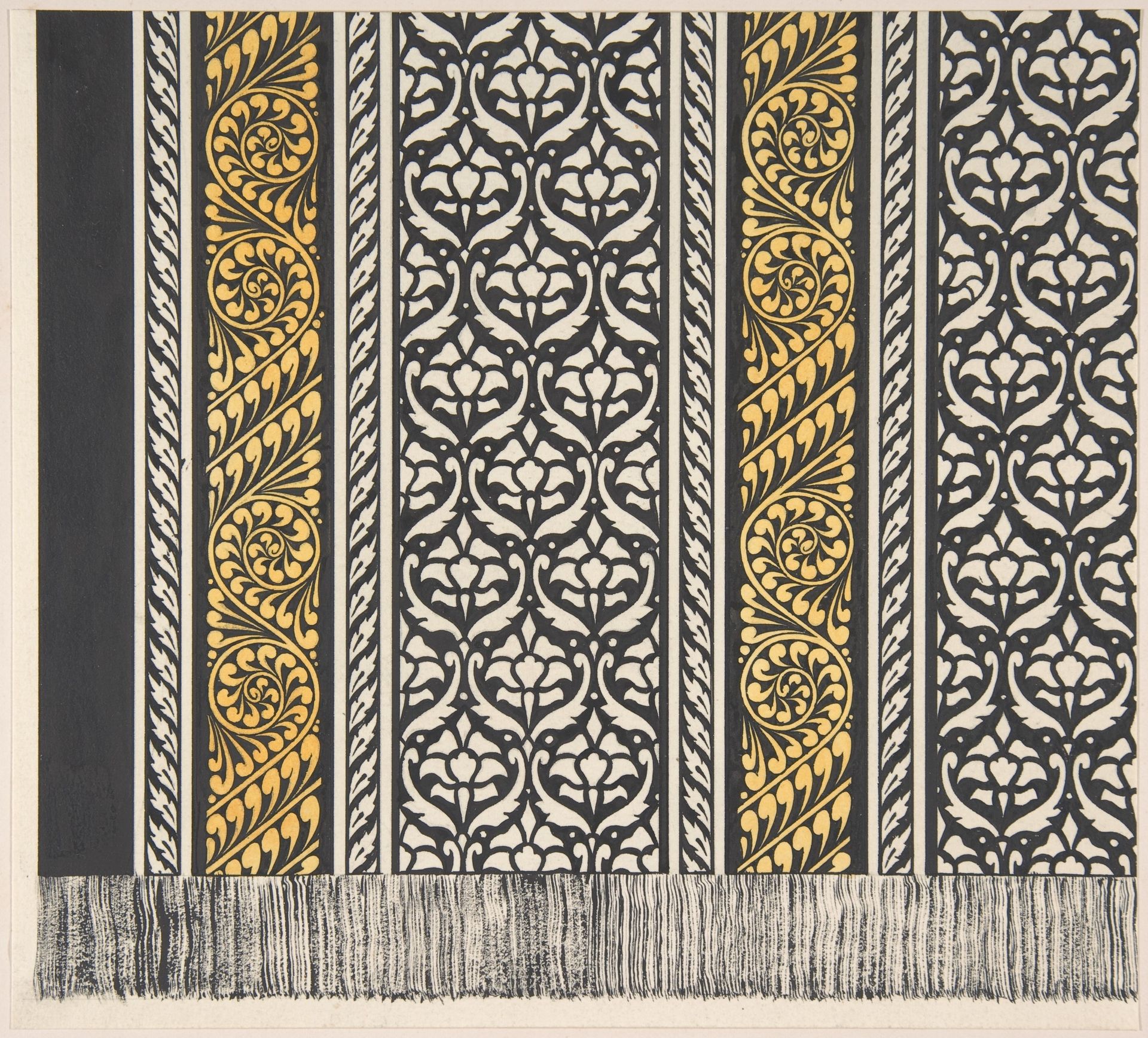
This design drawing was created by Christopher Dresser, and it now resides at the Metropolitan Museum of Art. Look closely, and you'll observe how the design is structured around vertical bands featuring abstract floral motifs and repetitive, spiraling tendrils. The use of floral patterns harkens back to ancient traditions, symbolizing life, growth, and cyclical renewal, often seen in the art of the Near East. The spiraling tendrils are reminiscent of the classical meander, a motif that has traversed continents and epochs, representing the eternal flow of time. The visual rhythm of the patterns, set against the stark contrast of black and white, and the occasional gold, speaks to a deeper psychological resonance. It’s as if these patterns tap into a primal need for order and symmetry, soothing the subconscious with their structured repetition. The fringe at the bottom adds a tactile dimension, grounding the design in the physical world. Through Dresser's design, we see how symbols persist, evolve, and continue to stir the human spirit.
Design drawing
1878 - 1888

Christopher Dresser
1834 - 1904
The Metropolitan Museum of Art
Metropolitan Museum of Art, New York, NYArtwork details
- Medium
- drawing, ornament, print
- Dimensions
- sheet: 15 15/16 x 11 in. (40.5 x 27.9 cm)
- Location
- Metropolitan Museum of Art, New York, NY
- Copyright
- Public Domain
Tags
Comments
Share your thoughts
About this artwork
This design drawing was created by Christopher Dresser, and it now resides at the Metropolitan Museum of Art. Look closely, and you'll observe how the design is structured around vertical bands featuring abstract floral motifs and repetitive, spiraling tendrils. The use of floral patterns harkens back to ancient traditions, symbolizing life, growth, and cyclical renewal, often seen in the art of the Near East. The spiraling tendrils are reminiscent of the classical meander, a motif that has traversed continents and epochs, representing the eternal flow of time. The visual rhythm of the patterns, set against the stark contrast of black and white, and the occasional gold, speaks to a deeper psychological resonance. It’s as if these patterns tap into a primal need for order and symmetry, soothing the subconscious with their structured repetition. The fringe at the bottom adds a tactile dimension, grounding the design in the physical world. Through Dresser's design, we see how symbols persist, evolve, and continue to stir the human spirit.
Comments
Share your thoughts