About this artwork
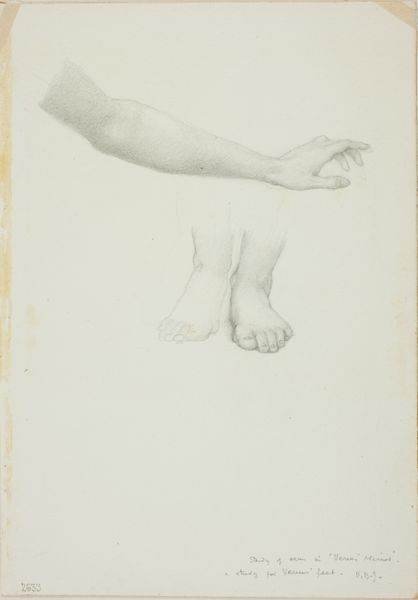
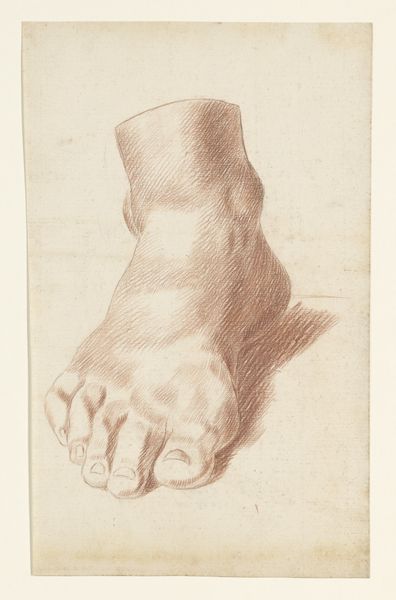
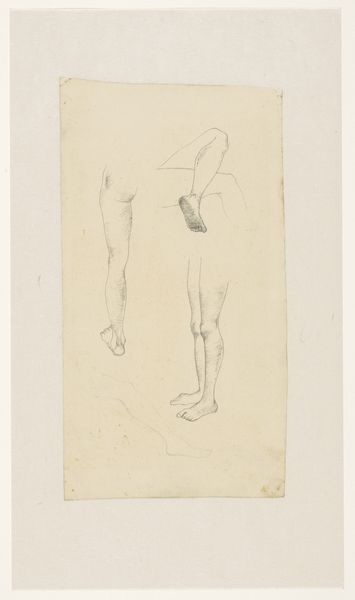
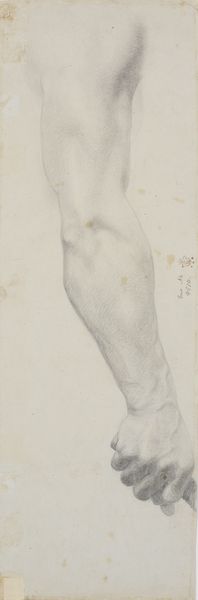
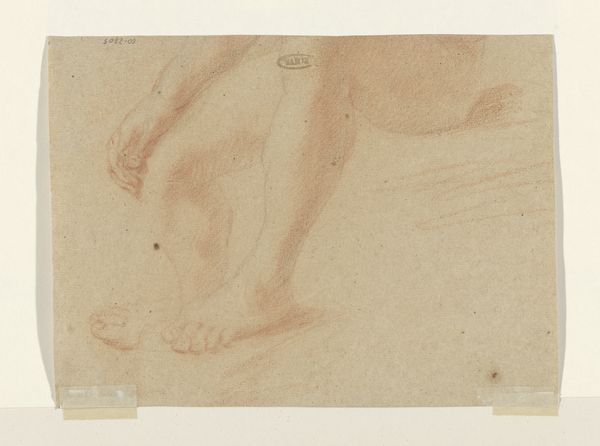
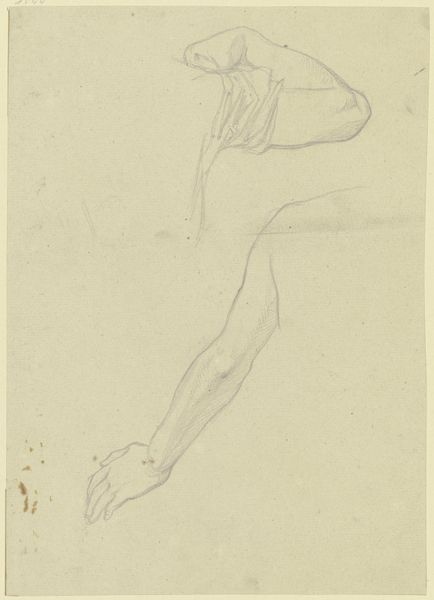
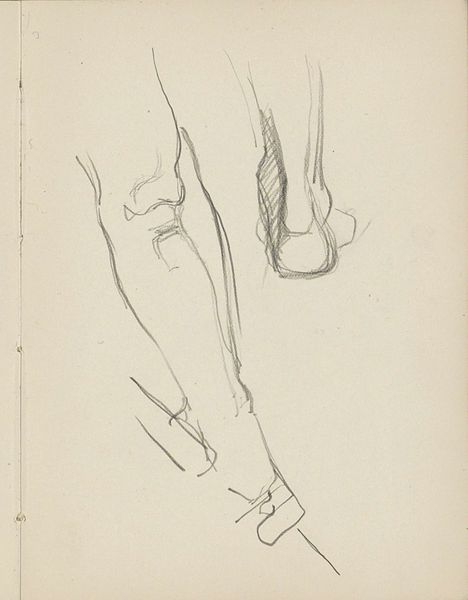
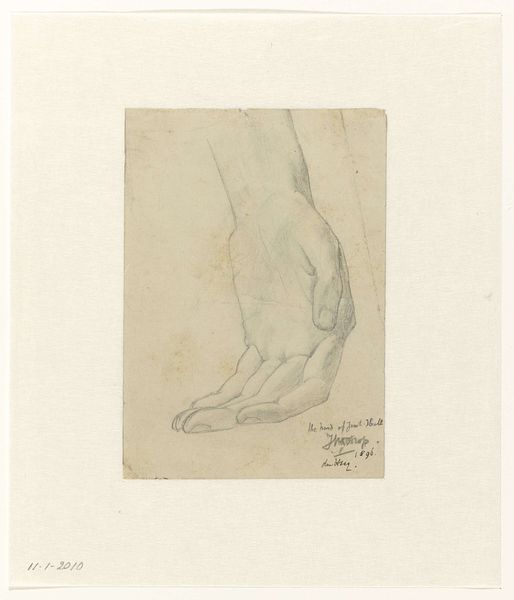
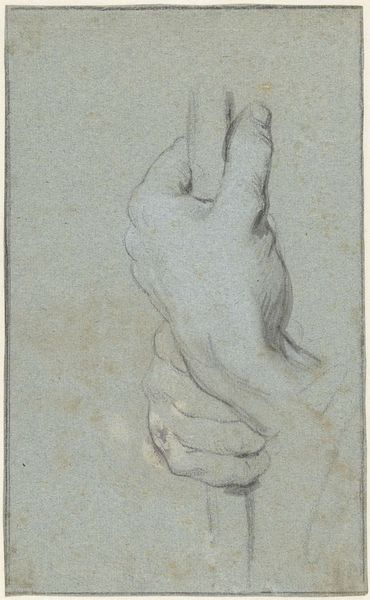
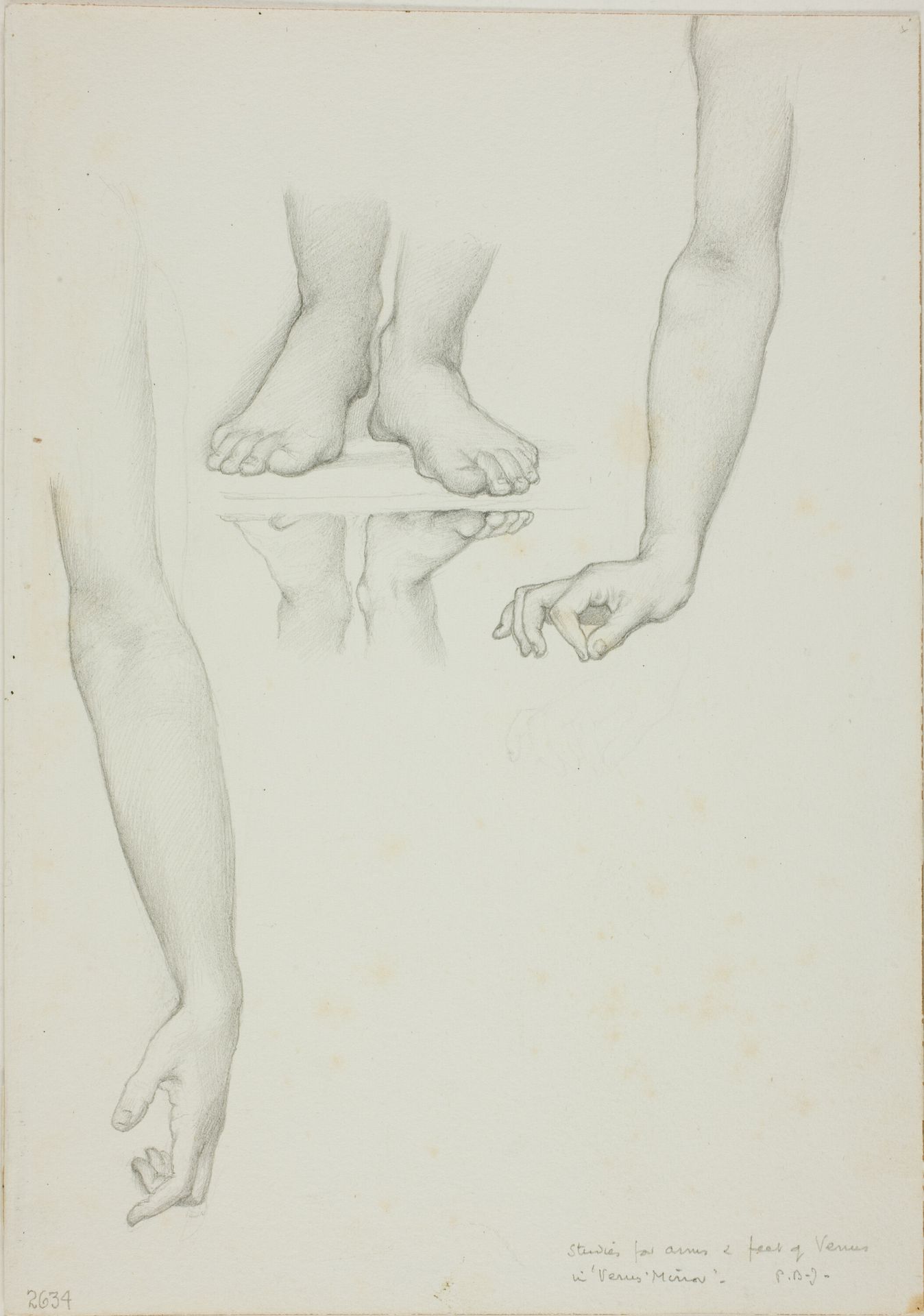
Edward Burne-Jones made this pencil study for his painting 'Mirror of Venus' using graphite on paper. Burne-Jones used traditional art materials, but his approach to drawing was far from conventional. Here, the artist's focus on the figure’s arms and feet emphasizes the human form through a fragmented, almost clinical lens. The soft, yet precise application of graphite lends the limbs a delicate, ethereal quality, while the detailed rendering highlights the artist's skill and the labor involved in achieving such realism. This study reflects the Pre-Raphaelite Brotherhood’s revival of medieval artistic practices, rooted in craft and careful, honest observation. Burne-Jones’s detailed preparatory drawings also reflect a respect for the slow, meticulous process of art-making, standing in contrast to the mass production of the Industrial Revolution. By understanding the materials, techniques, and artistic movements that shaped Burne-Jones's work, we gain a deeper appreciation of his contribution to art history, one that challenges traditional hierarchies between fine art and craft.
Study for Mirror of Venus: Arms and Feet of Venus
c. 1873 - 1877


Artwork details
- Medium
- drawing, print, paper, dry-media, pencil, graphite
- Dimensions
- 253 × 178 mm
- Location
- The Art Institute of Chicago
- Copyright
- Public Domain
Tags
Comments
Share your thoughts
About this artwork
Edward Burne-Jones made this pencil study for his painting 'Mirror of Venus' using graphite on paper. Burne-Jones used traditional art materials, but his approach to drawing was far from conventional. Here, the artist's focus on the figure’s arms and feet emphasizes the human form through a fragmented, almost clinical lens. The soft, yet precise application of graphite lends the limbs a delicate, ethereal quality, while the detailed rendering highlights the artist's skill and the labor involved in achieving such realism. This study reflects the Pre-Raphaelite Brotherhood’s revival of medieval artistic practices, rooted in craft and careful, honest observation. Burne-Jones’s detailed preparatory drawings also reflect a respect for the slow, meticulous process of art-making, standing in contrast to the mass production of the Industrial Revolution. By understanding the materials, techniques, and artistic movements that shaped Burne-Jones's work, we gain a deeper appreciation of his contribution to art history, one that challenges traditional hierarchies between fine art and craft.
Comments
Share your thoughts