About this artwork
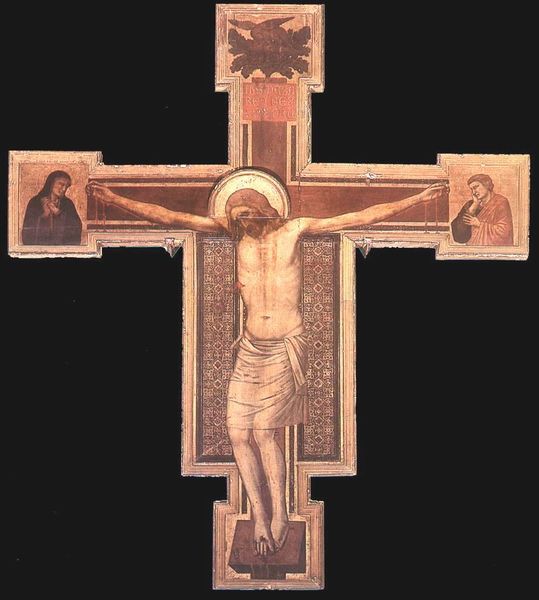
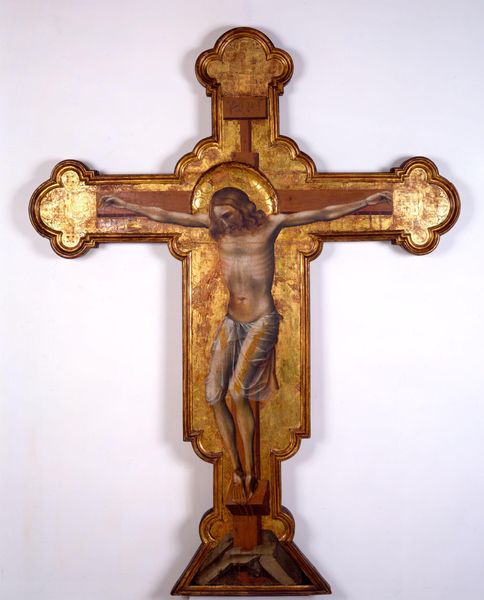
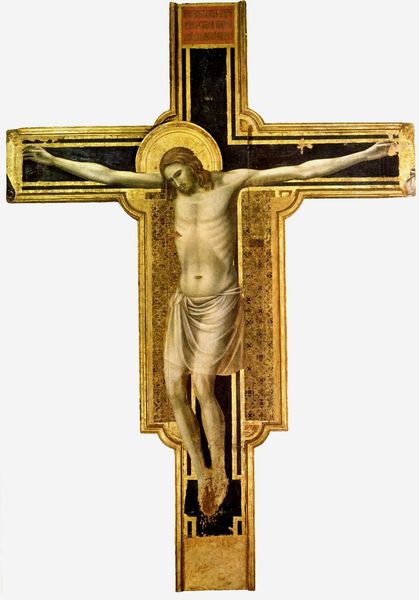
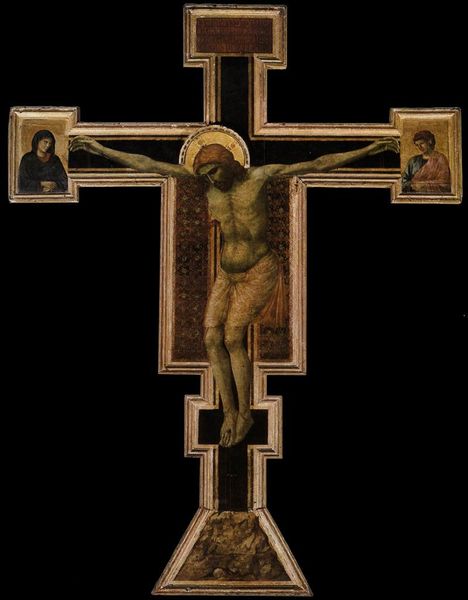
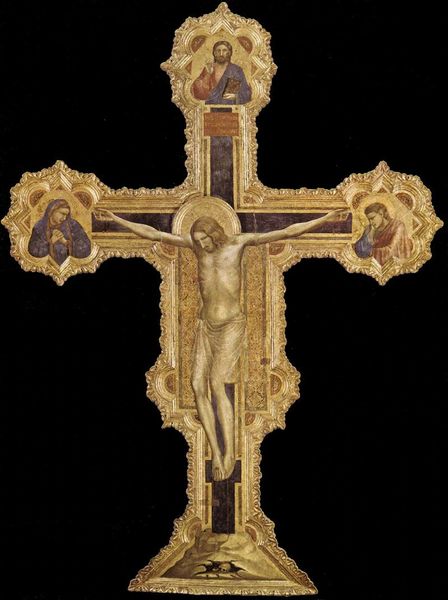
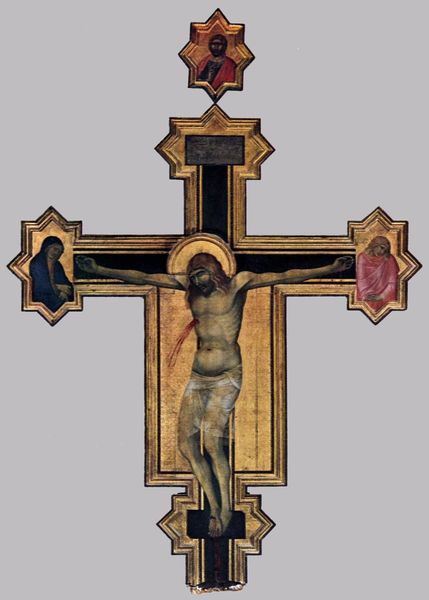
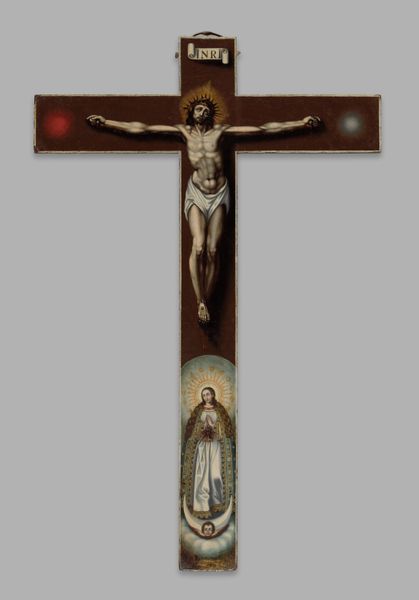
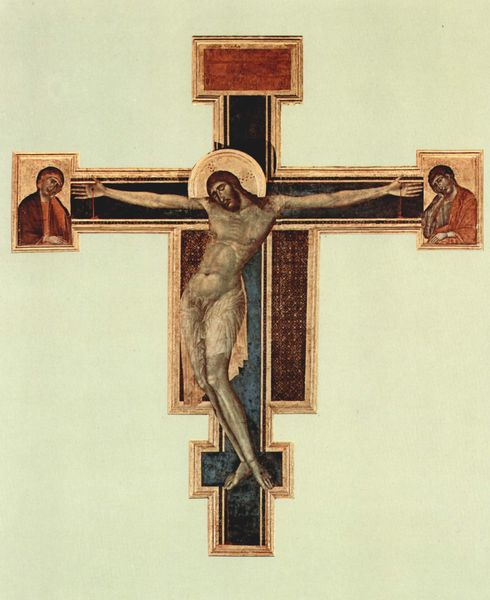
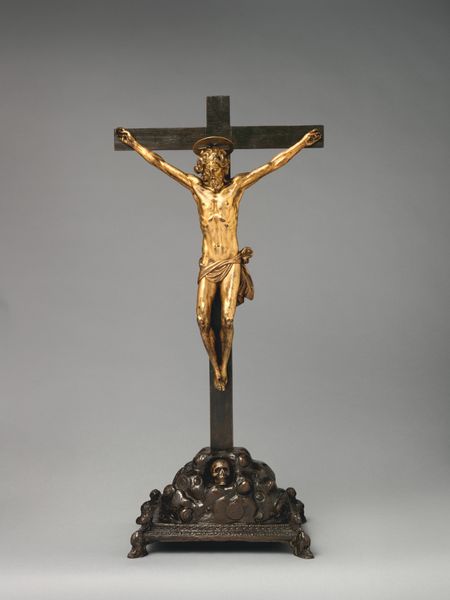
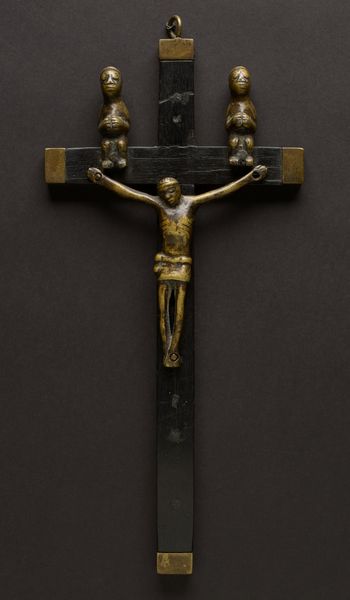
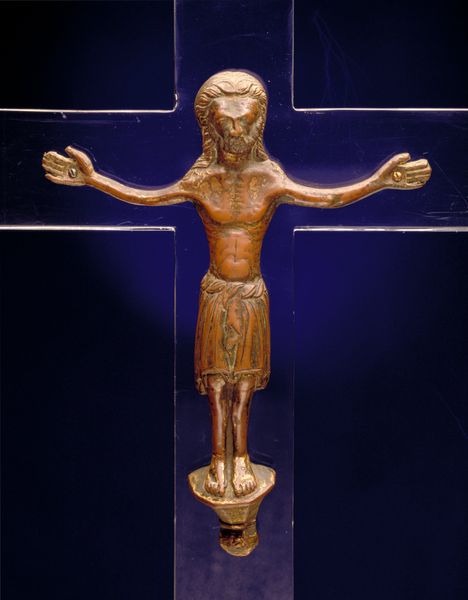
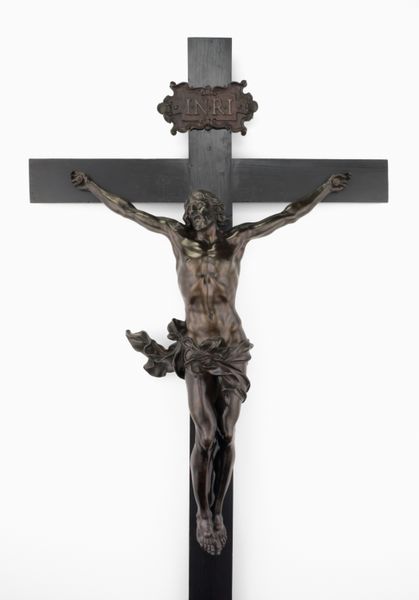
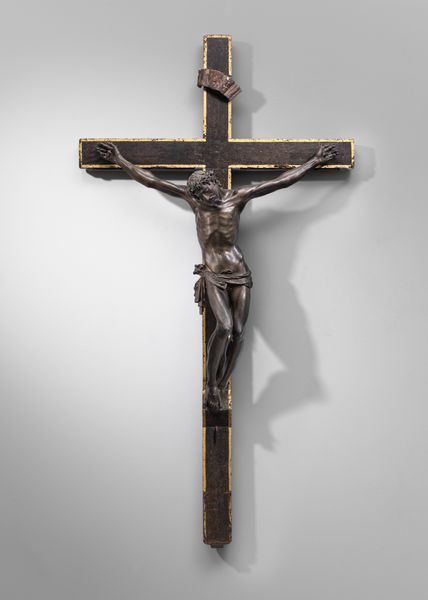
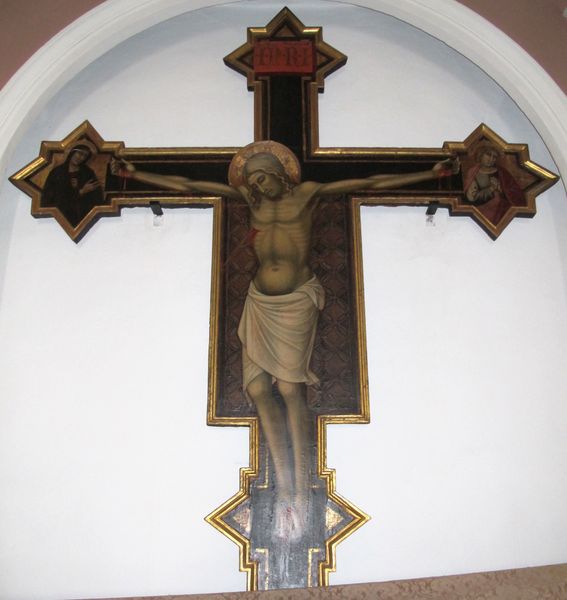
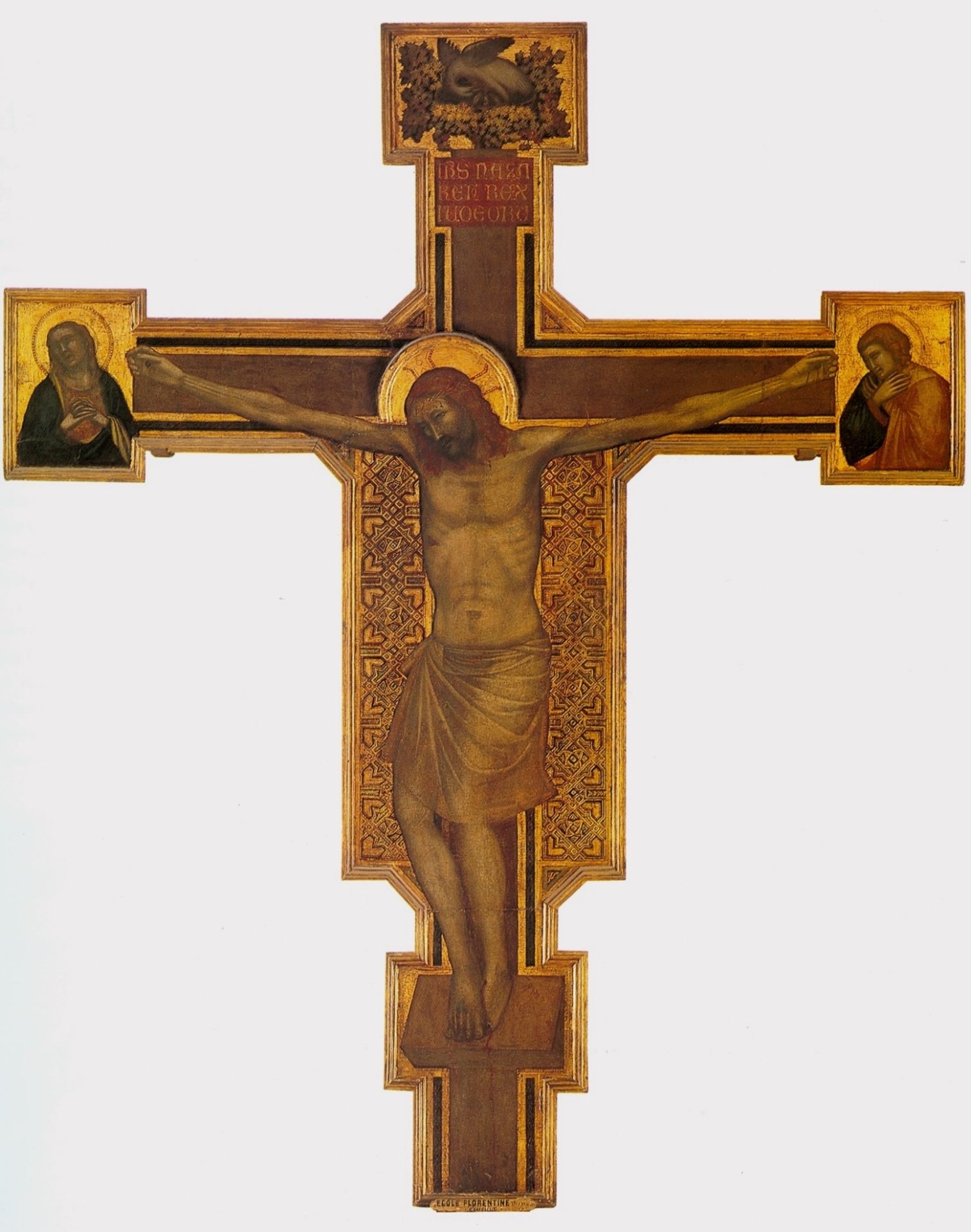
Giotto painted this 'Crucifixion', now hanging in the Louvre, with tempera on wood. Observe Christ’s languid body suspended on the cross, a symbol laden with centuries of meaning. The cross itself transcends mere execution; it's a cosmic axis, a meeting point between the earthly and divine. The depiction of Mary and John the Evangelist on either side are not mere bystanders; they're archetypes of sorrow and devotion. Consider the recurring motif of the swooning Madonna, a symbol of grief echoed in countless Pietàs throughout history. This gesture, expressing profound emotion, resurfaces repeatedly, revealing our shared human capacity for empathy. The cross, once a symbol of Roman oppression, evolved into an emblem of hope and redemption. It's a testament to how symbols morph, adapt, and continue to resonate across cultures and generations, tapping into our deepest collective memories.


Artwork details
- Medium
- carving, tempera, painting, oil-paint, fresco
- Location
- Louvre, Paris, France
- Copyright
- Public domain
Tags
portrait
carving
tempera
painting
oil-paint
sculpture
figuration
fresco
oil painting
jesus-christ
cross
christianity
crucifixion
history-painting
italian-renaissance
early-renaissance
christ
Comments
No comments
About this artwork
Giotto painted this 'Crucifixion', now hanging in the Louvre, with tempera on wood. Observe Christ’s languid body suspended on the cross, a symbol laden with centuries of meaning. The cross itself transcends mere execution; it's a cosmic axis, a meeting point between the earthly and divine. The depiction of Mary and John the Evangelist on either side are not mere bystanders; they're archetypes of sorrow and devotion. Consider the recurring motif of the swooning Madonna, a symbol of grief echoed in countless Pietàs throughout history. This gesture, expressing profound emotion, resurfaces repeatedly, revealing our shared human capacity for empathy. The cross, once a symbol of Roman oppression, evolved into an emblem of hope and redemption. It's a testament to how symbols morph, adapt, and continue to resonate across cultures and generations, tapping into our deepest collective memories.
Comments
No comments