About this artwork
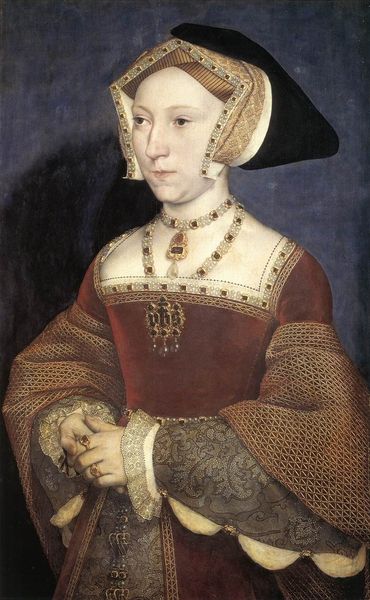
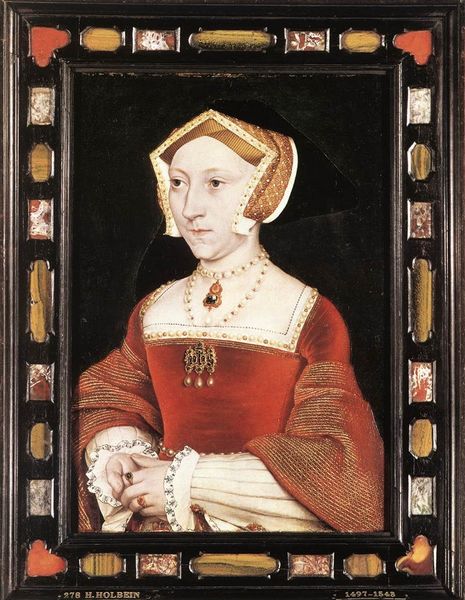
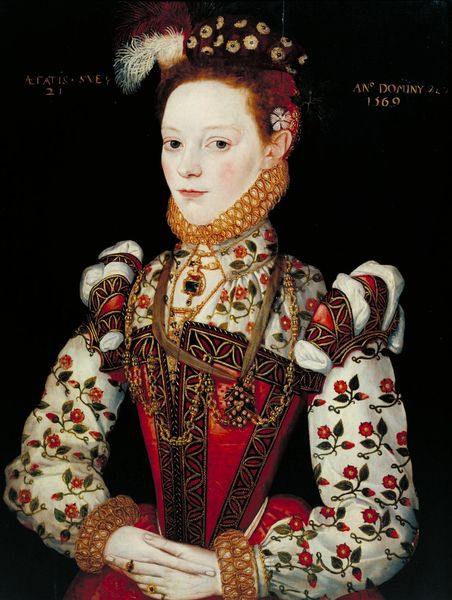
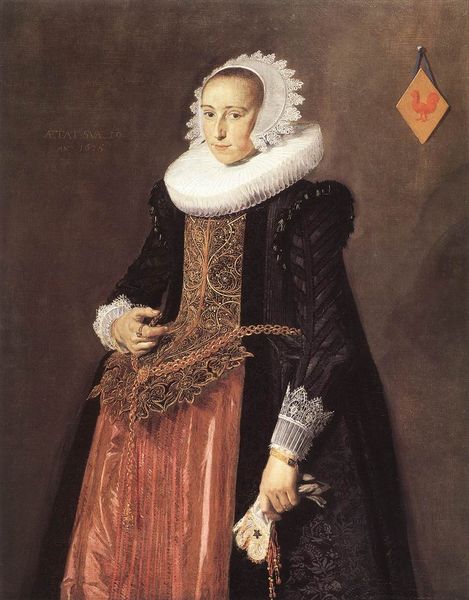
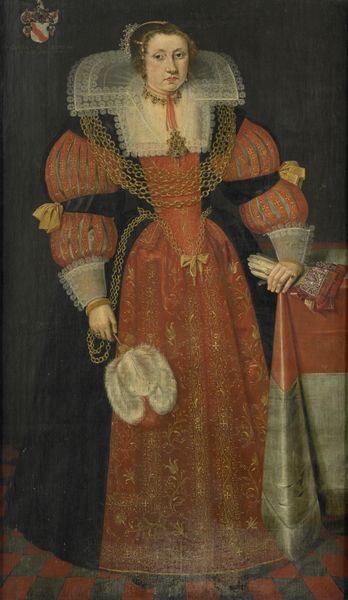
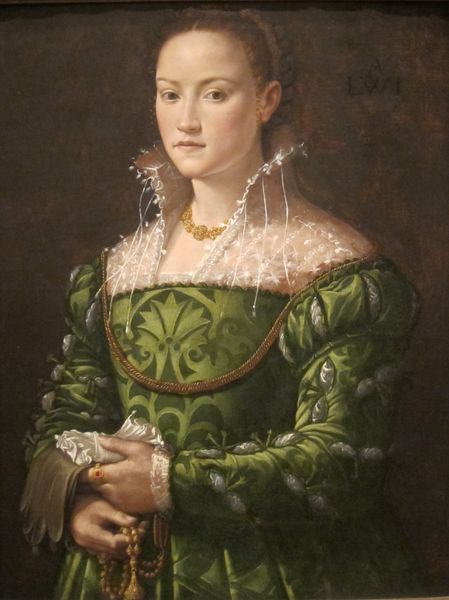
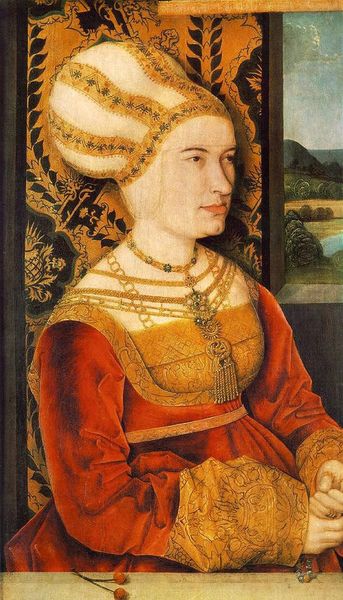
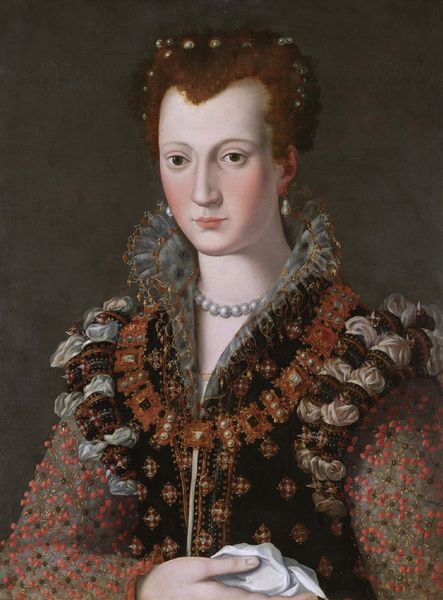
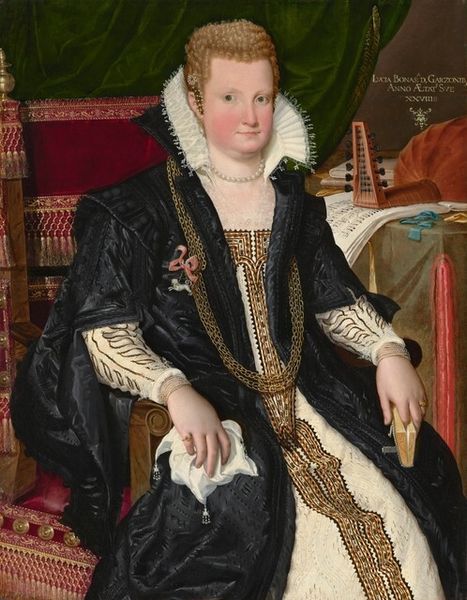
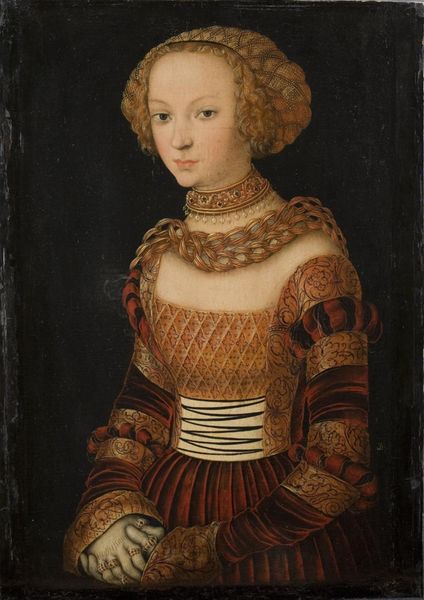
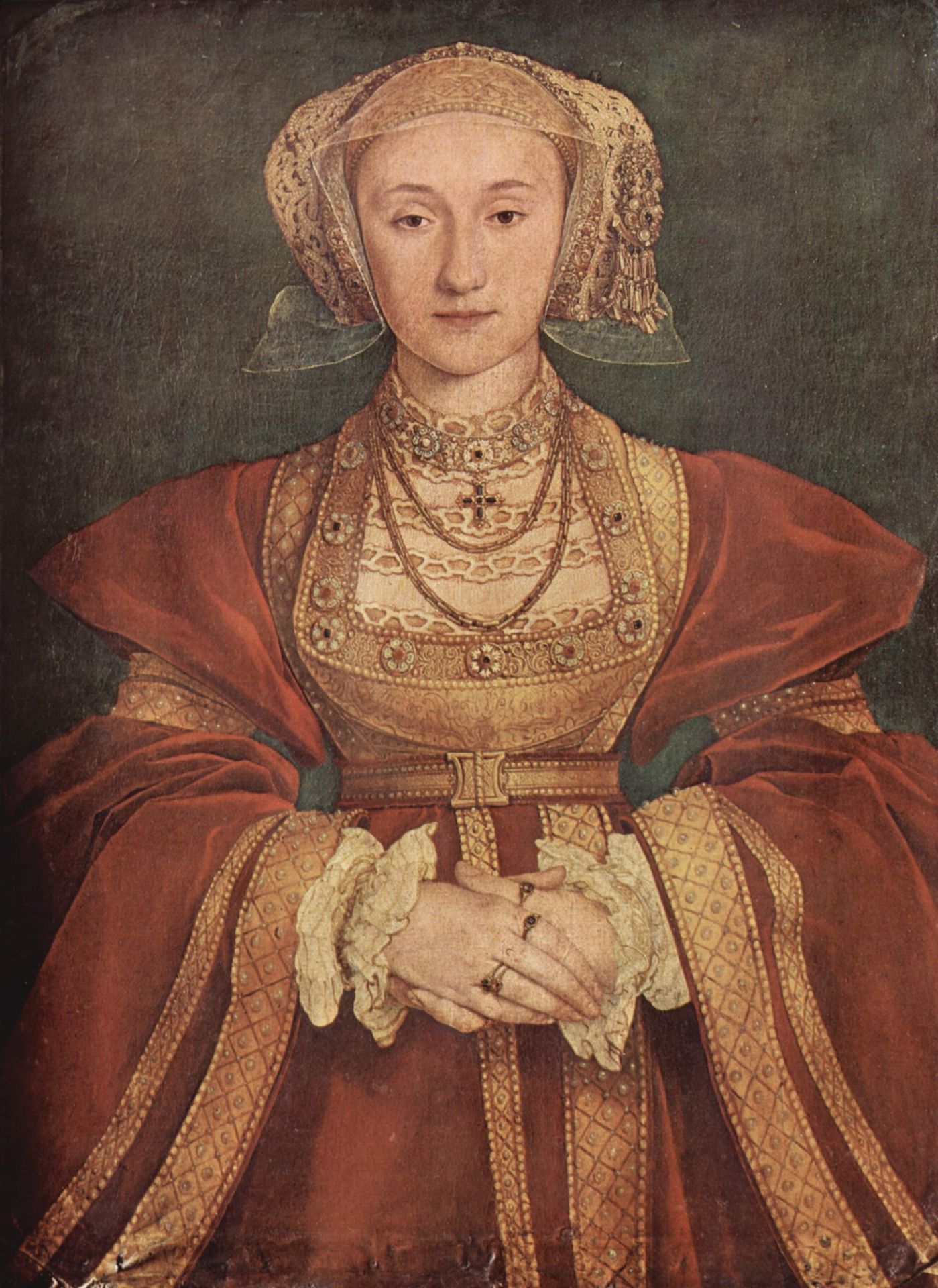
Hans Holbein the Younger painted this portrait of Anne of Cleves in the 16th century. As an artist working for the English court, Holbein was not only a painter but also a political player, influencing Henry VIII's marital decisions. Anne’s representation here is more than just a likeness; it's a carefully constructed image of royalty. Her elaborate attire and jewelry signify her status, while her serene expression conveys composure and dignity. What does it mean for a woman to be painted in this way, to be seen as a symbol of political alliance rather than an individual? How much of Anne’s true self is present, and how much is performance? Ultimately, this portrait invites us to reflect on the complexities of identity, power, and representation. It speaks to the ways in which women, particularly those in positions of power, have historically been subject to the male gaze, their images shaped by the desires and agendas of others.
Portrait of Anne of Cleves 1539


Artwork details
- Medium
- oil-paint
- Dimensions
- 48 x 65 cm
- Location
- Louvre, Paris, France
- Copyright
- Public domain
Tags
portrait
oil-paint
11_renaissance
oil painting
northern-renaissance
realism
Comments
No comments
About this artwork
Hans Holbein the Younger painted this portrait of Anne of Cleves in the 16th century. As an artist working for the English court, Holbein was not only a painter but also a political player, influencing Henry VIII's marital decisions. Anne’s representation here is more than just a likeness; it's a carefully constructed image of royalty. Her elaborate attire and jewelry signify her status, while her serene expression conveys composure and dignity. What does it mean for a woman to be painted in this way, to be seen as a symbol of political alliance rather than an individual? How much of Anne’s true self is present, and how much is performance? Ultimately, this portrait invites us to reflect on the complexities of identity, power, and representation. It speaks to the ways in which women, particularly those in positions of power, have historically been subject to the male gaze, their images shaped by the desires and agendas of others.
Comments
No comments