after 1653
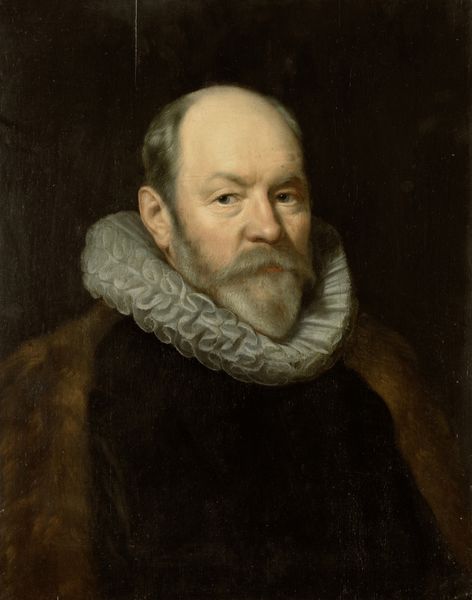
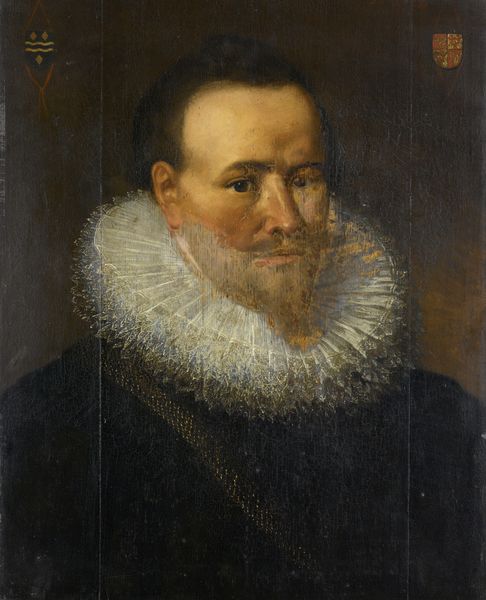
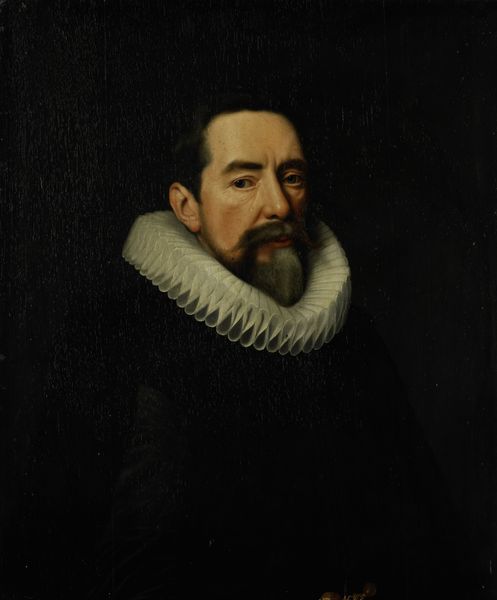
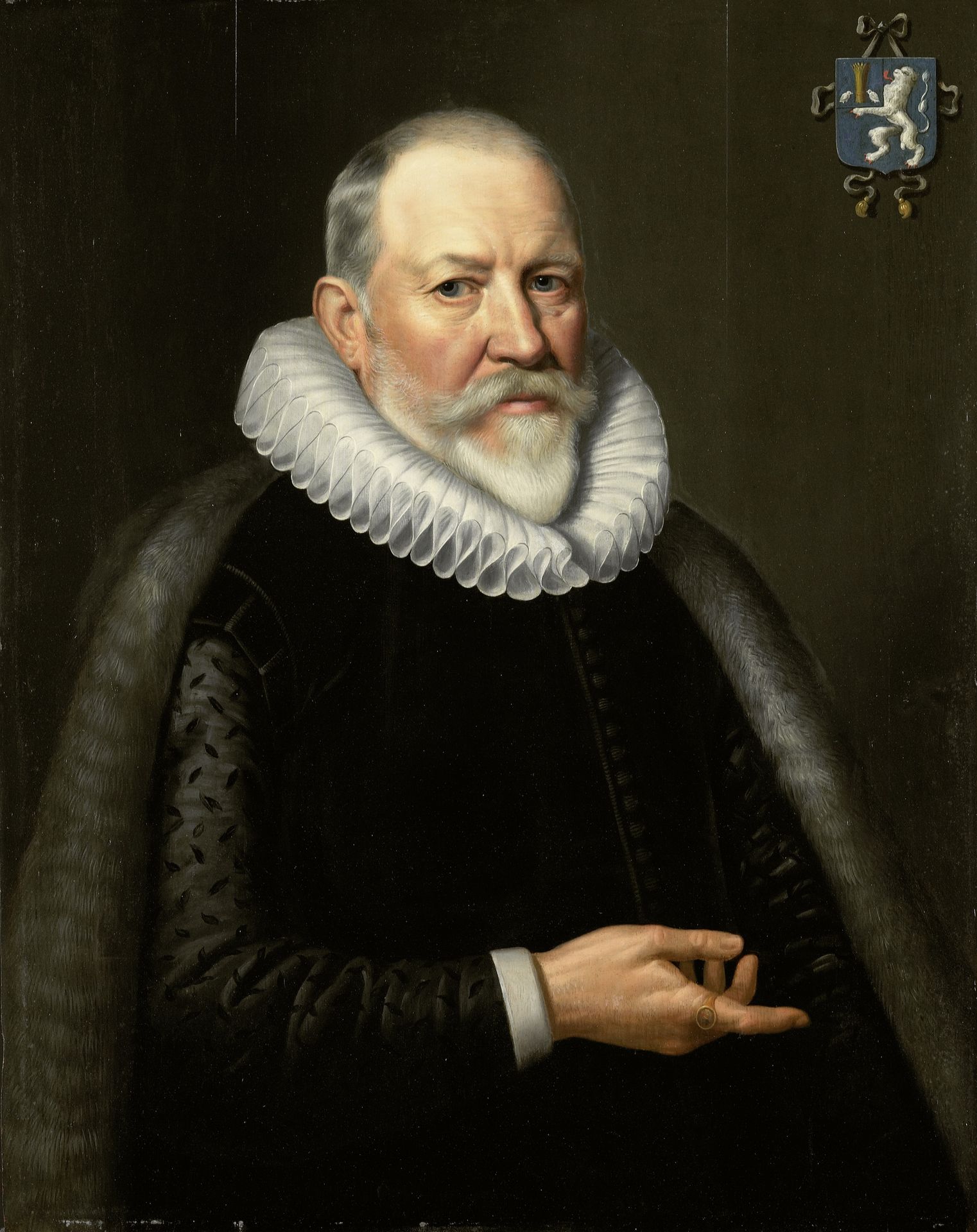
Portrait of Maerten Ruychaver (1545-1626)

Michiel Jansz. van Mierevelt
1567 - 1641Location
RijksmuseumListen to curator's interpretation
Curatorial notes
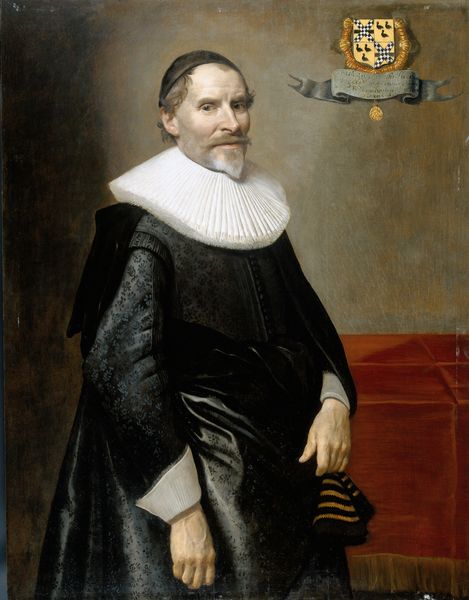
Michiel Jansz. van Mierevelt painted this portrait of Maerten Ruychaver, a prominent figure of his time, sometime between 1600 and 1641. Mierevelt was known for his ability to capture the likeness and status of his subjects. Ruychaver's identity is communicated through his expensive garments and the coat of arms in the upper right. The crisp, white ruff symbolizes his wealth and status in Dutch society. As you look, consider the role of costume in signaling identity and belonging during the Dutch Golden Age. This was a time when the newly independent Dutch Republic was establishing itself as a major economic and cultural power. The portrait invites contemplation on the themes of identity, power, and representation. Mierevelt’s skilled handling of light and texture brings Ruychaver to life, while also reminding us of the carefully constructed nature of social roles. How do these historical representations of identity and status reflect or diverge from contemporary notions?