About this artwork
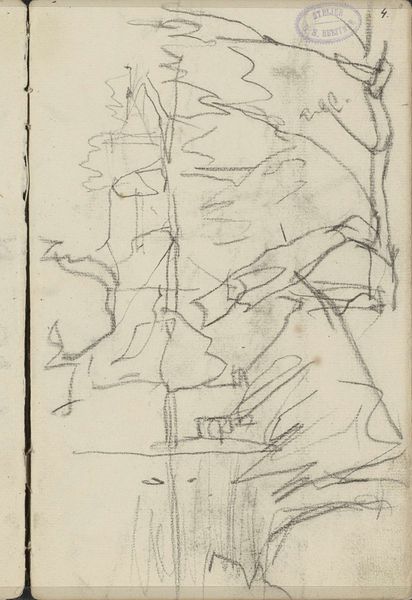
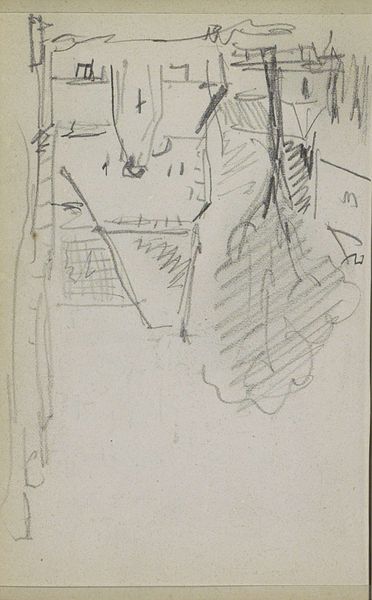
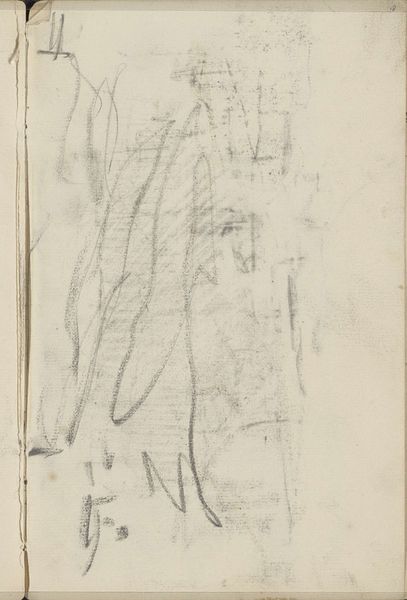
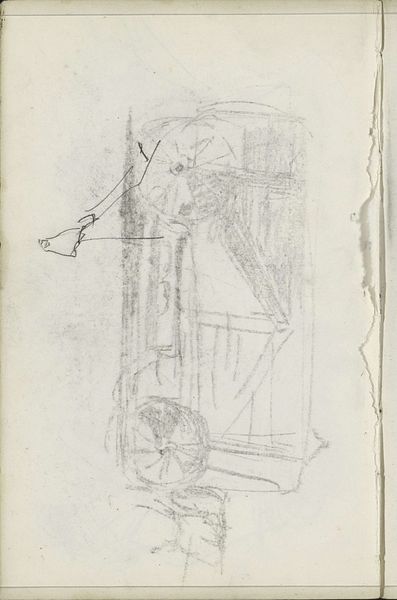
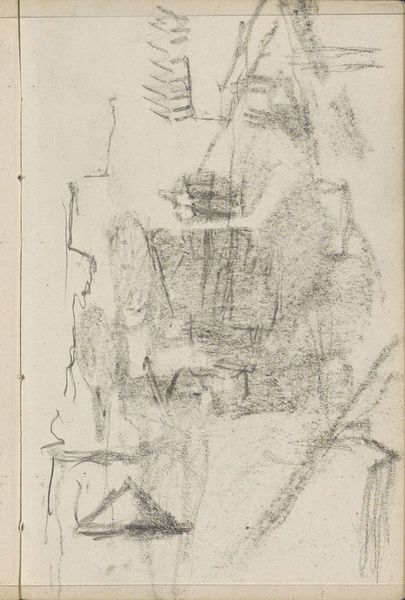
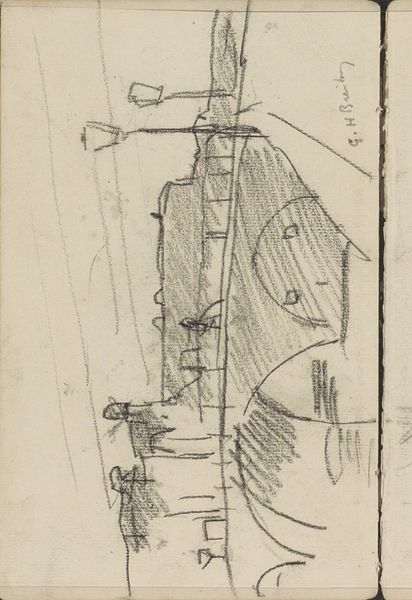
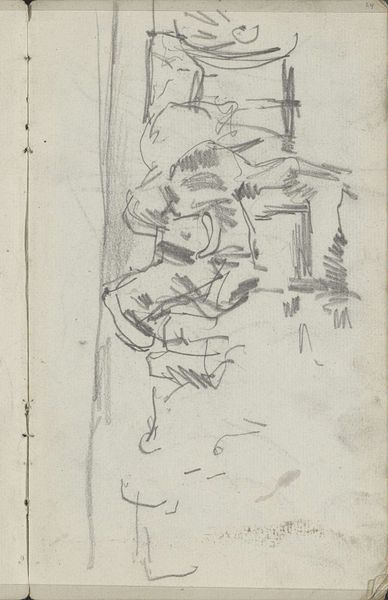
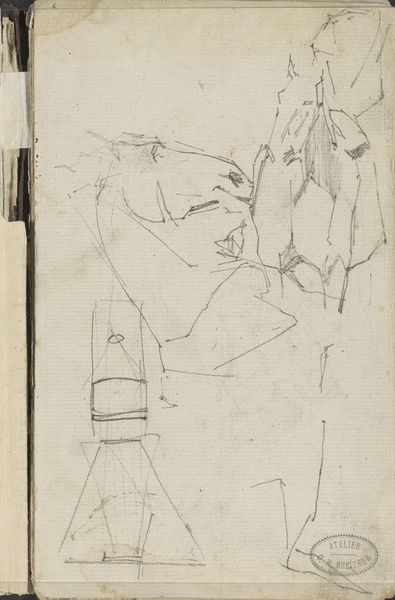
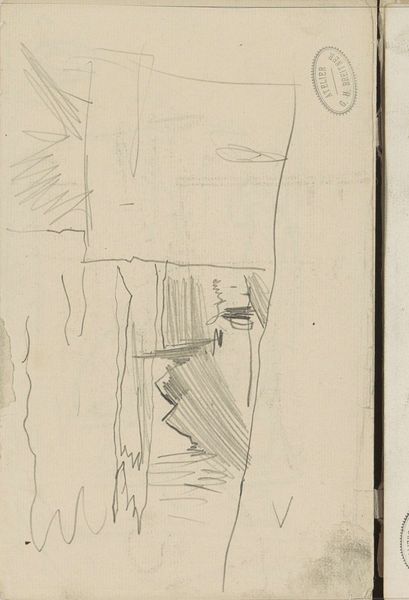
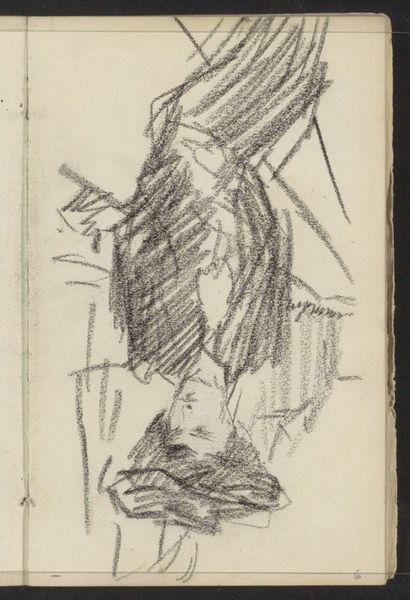
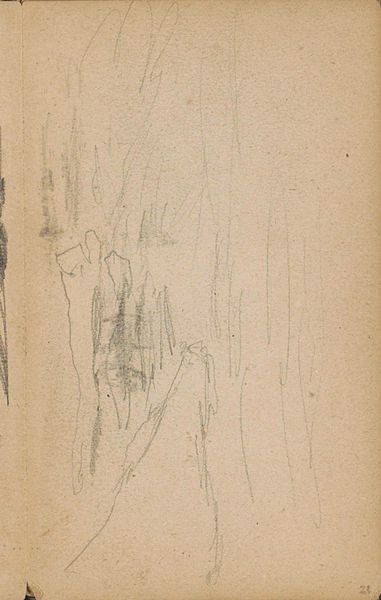
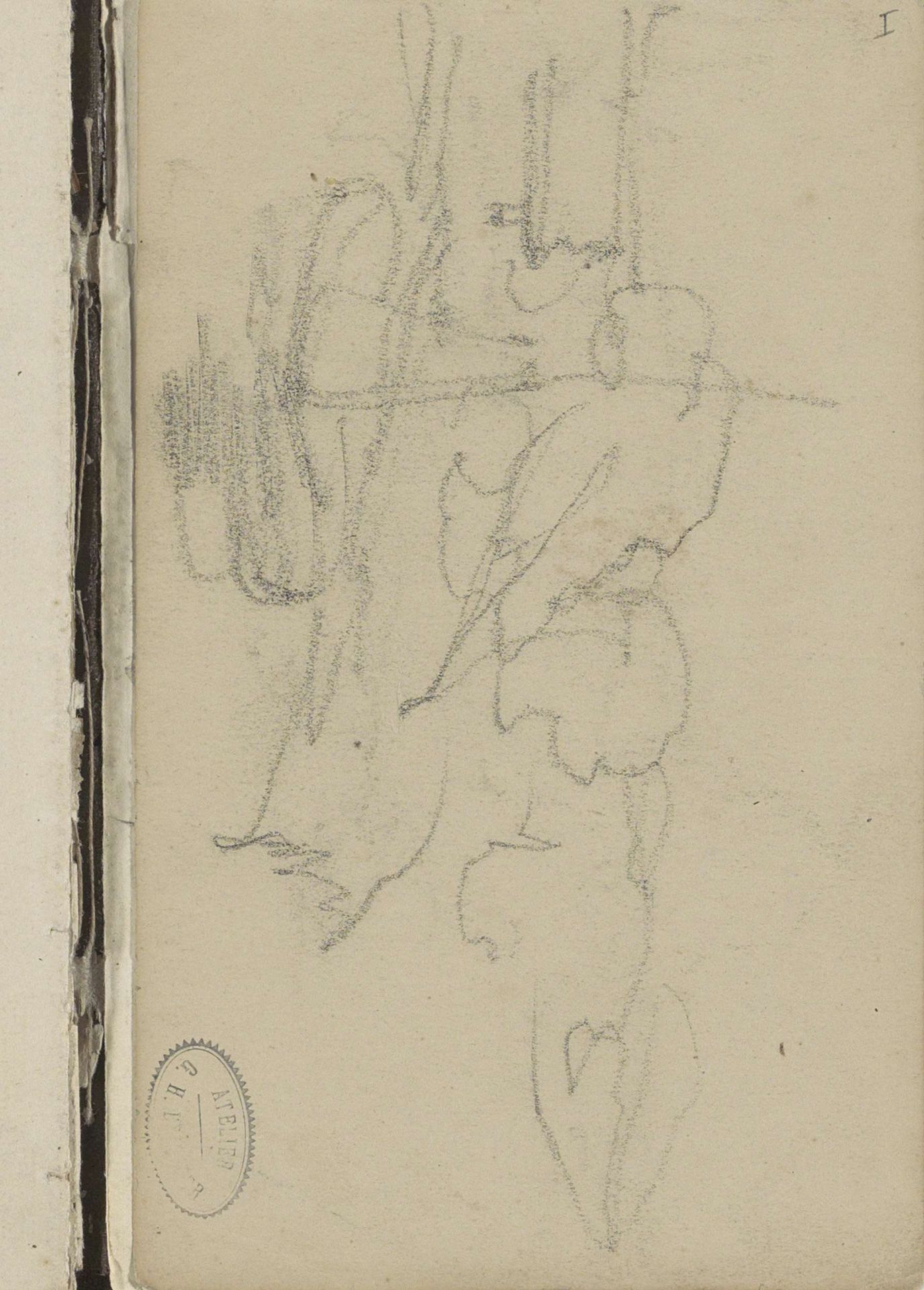
George Hendrik Breitner created this sketch titled 'Landschap met een boot in het water' at an unspecified date. The composition, rendered in delicate pencil lines on paper, presents a landscape with a boat in the water. The sketch emphasizes line and form over detail, creating an ethereal, almost dreamlike quality. The lines are not definitive but suggest shapes, allowing viewers to piece together the image, engaging with the creative process. The sparseness of the lines draws attention to the basic structure of the scene. Breitner challenges our perception by not providing a fully realized picture, prompting us to actively participate in the act of seeing and interpreting the landscape. This technique destabilizes the traditional role of the artist as the sole creator of meaning and underscores the importance of the observer in completing the artwork. The interplay of suggestion and interpretation functions as a philosophical statement on the nature of perception.
Landschap met een boot in het water 1880 - 1882

George Hendrik Breitner
1857 - 1923Location
RijksmuseumArtwork details
- Medium
- drawing, paper, pencil
- Location
- Rijksmuseum
- Copyright
- Rijks Museum: Open Domain
Tags
drawing
impressionism
pencil sketch
landscape
paper
pencil
sketchbook drawing
Comments
No comments
About this artwork
George Hendrik Breitner created this sketch titled 'Landschap met een boot in het water' at an unspecified date. The composition, rendered in delicate pencil lines on paper, presents a landscape with a boat in the water. The sketch emphasizes line and form over detail, creating an ethereal, almost dreamlike quality. The lines are not definitive but suggest shapes, allowing viewers to piece together the image, engaging with the creative process. The sparseness of the lines draws attention to the basic structure of the scene. Breitner challenges our perception by not providing a fully realized picture, prompting us to actively participate in the act of seeing and interpreting the landscape. This technique destabilizes the traditional role of the artist as the sole creator of meaning and underscores the importance of the observer in completing the artwork. The interplay of suggestion and interpretation functions as a philosophical statement on the nature of perception.
Comments
No comments