About this artwork
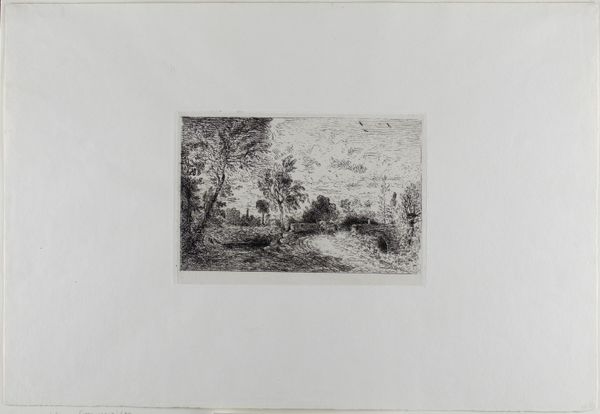
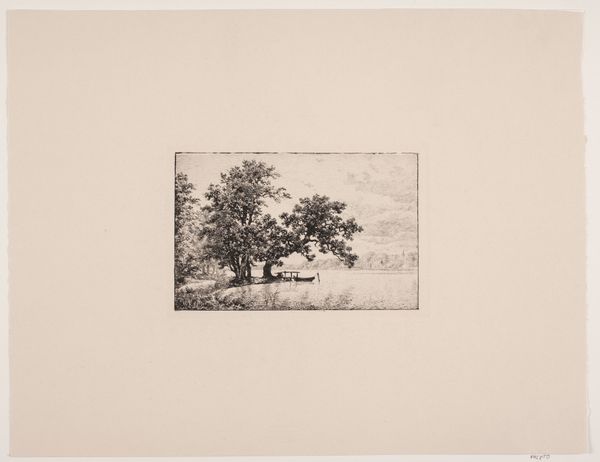
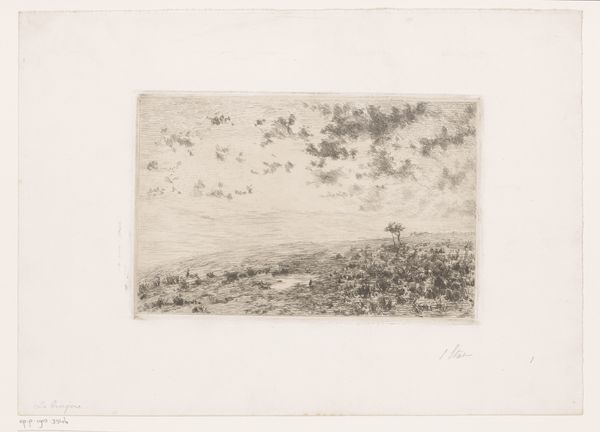
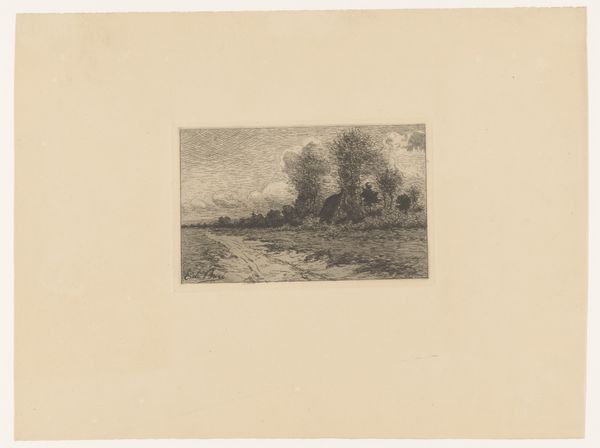
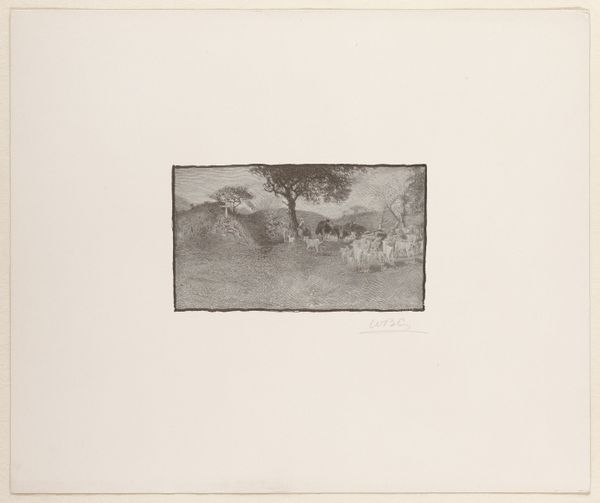
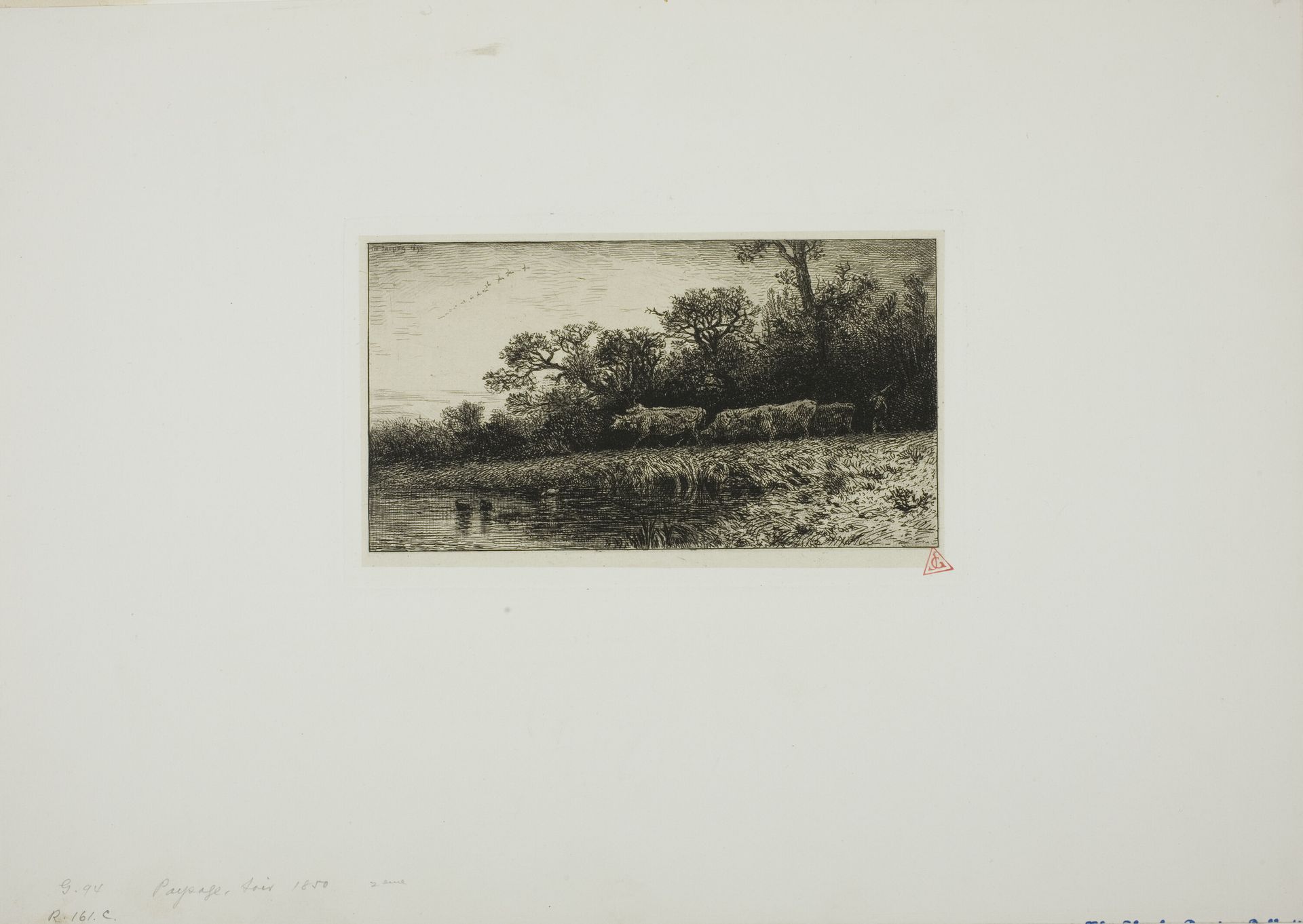
Charles Jacque created this delicate etching, "Evening Landscape," using needle and plate to describe a tranquil waterside scene. Jacque, a French painter and printmaker, was part of the Barbizon school, a group of artists dedicated to depicting the French countryside and peasant life. The image is composed of cattle, a figure, and fowl in the foreground by the water, with a dense grouping of trees in the midground. Jacque’s art can be understood within the context of France's rapidly changing society during the 19th century. As industrialization increased, there was a growing interest in rural life, particularly within artistic circles. His choice to focus on farm animals highlights the connection to the land and a way of life that was increasingly under threat. Jacque’s art evokes a sense of longing for a simpler, agrarian past, a sentiment that resonated deeply with an audience grappling with the complexities of modernization.
Evening Landscape
1850


Artwork details
- Medium
- drawing, print, etching, paper
- Dimensions
- 100 × 183 mm (image); 109 × 189 mm (chine); 119 × 200 mm (plate); 301 × 425 mm (sheet)
- Location
- The Art Institute of Chicago
- Copyright
- Public Domain
Tags
Comments
Share your thoughts
About this artwork
Charles Jacque created this delicate etching, "Evening Landscape," using needle and plate to describe a tranquil waterside scene. Jacque, a French painter and printmaker, was part of the Barbizon school, a group of artists dedicated to depicting the French countryside and peasant life. The image is composed of cattle, a figure, and fowl in the foreground by the water, with a dense grouping of trees in the midground. Jacque’s art can be understood within the context of France's rapidly changing society during the 19th century. As industrialization increased, there was a growing interest in rural life, particularly within artistic circles. His choice to focus on farm animals highlights the connection to the land and a way of life that was increasingly under threat. Jacque’s art evokes a sense of longing for a simpler, agrarian past, a sentiment that resonated deeply with an audience grappling with the complexities of modernization.
Comments
Share your thoughts