About this artwork
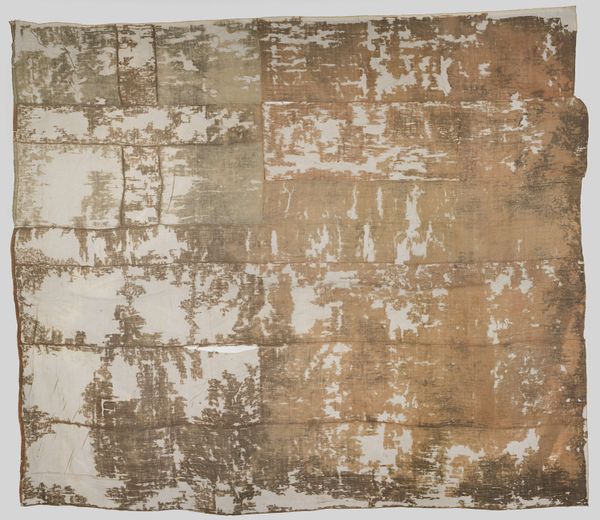
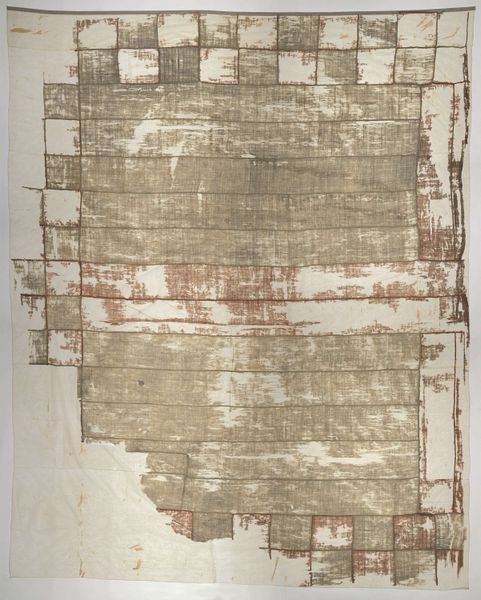
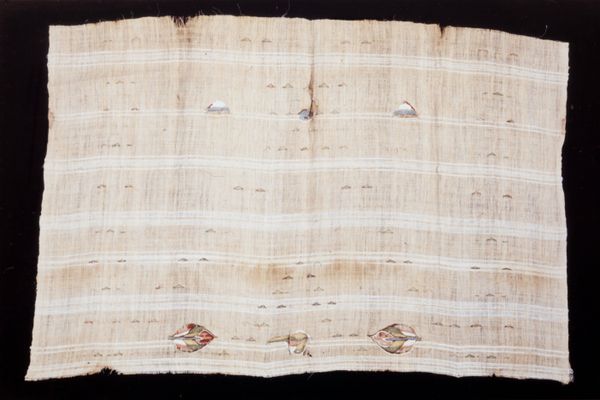
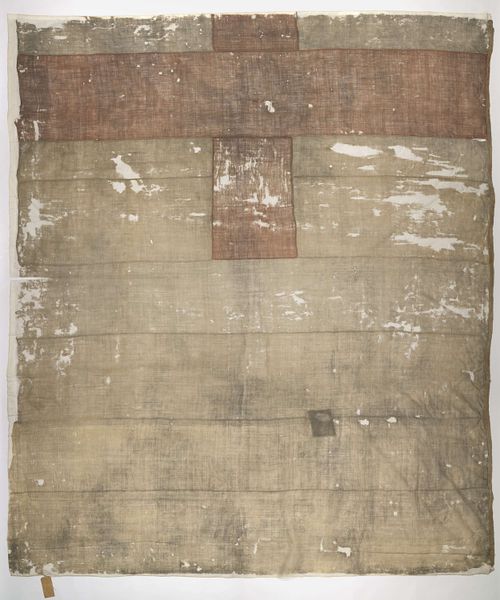
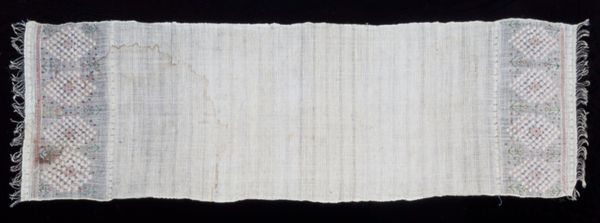
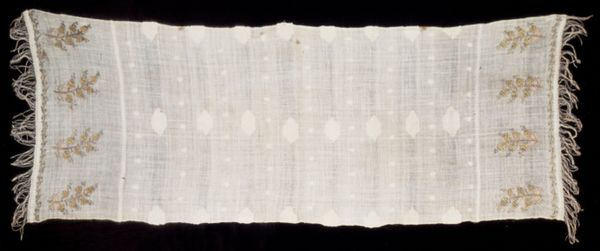
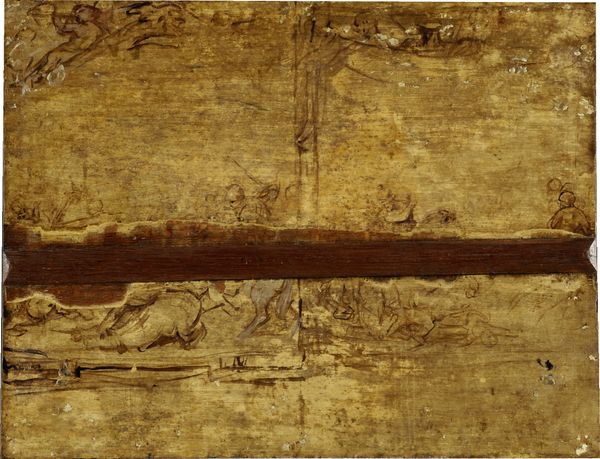
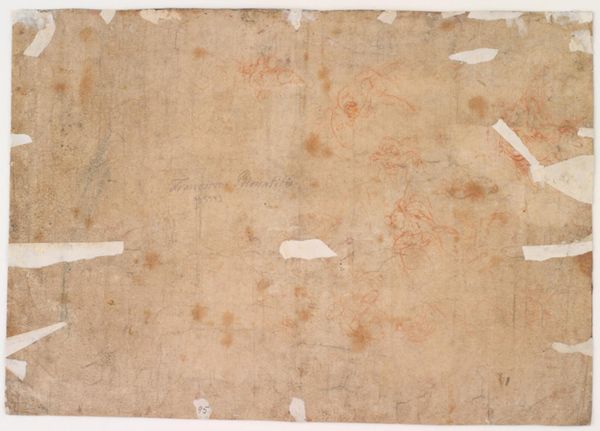
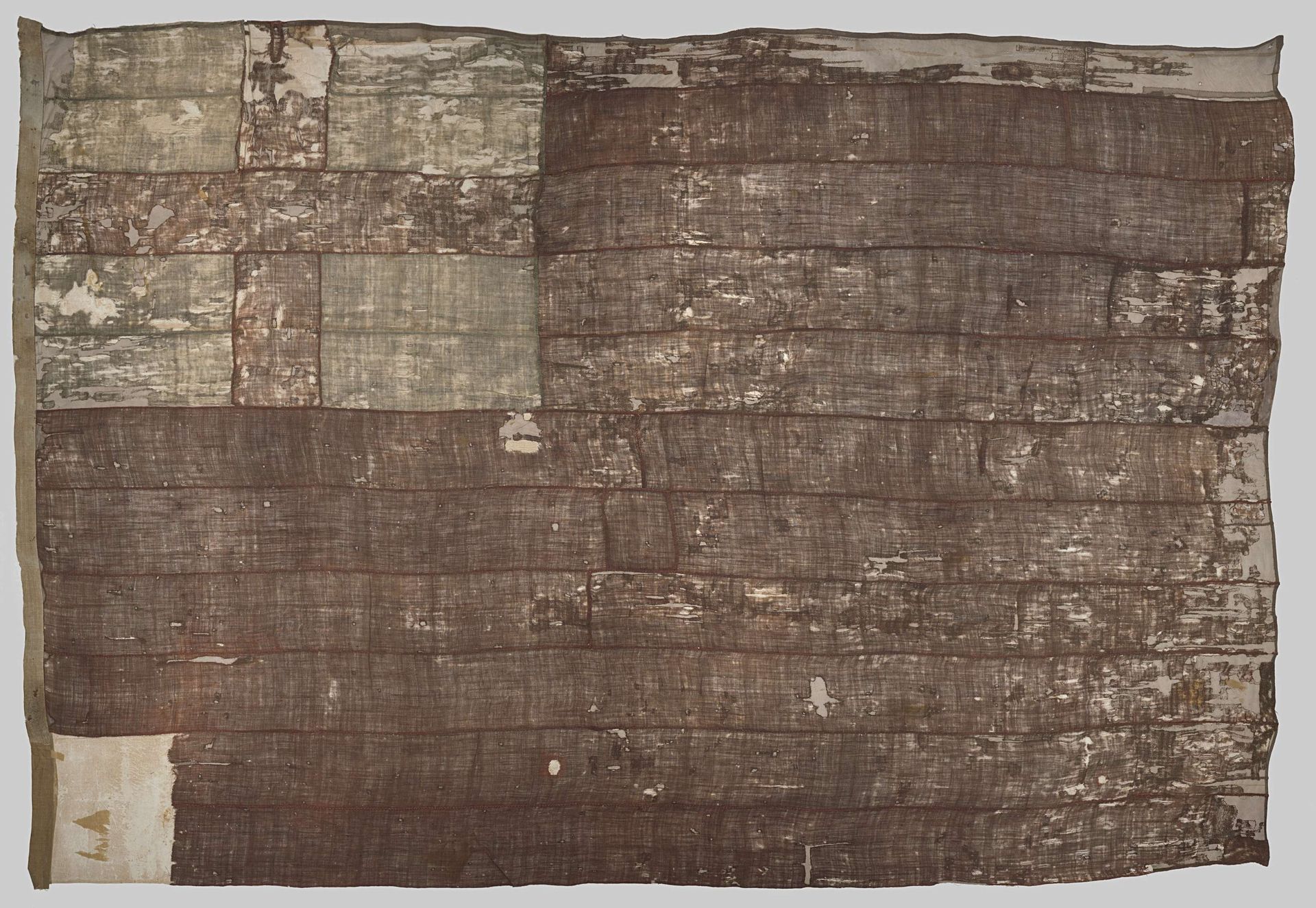
This "Fragment of a Ship Flag" was created by an anonymous artist, and its date of origin remains unknown. Imagine this flag in its original context: a symbol of power, trade, and perhaps even conquest, billowing from the mast of a ship. What nation did it represent? What were its voyages? The answers remain elusive, but we can analyze its visual elements and cultural references to understand its significance. Flags are powerful emblems, designed to project authority and rally allegiance. This fragment, with its faded colors and worn texture, speaks to the passage of time and the fragility of empires. By studying maritime history and naval flags, we can learn more about this artifact's origins and the social conditions that shaped its creation. Art history relies on interdisciplinary research to interpret works like this flag. By piecing together fragments of the past, we gain insight into the complex interplay of politics, economics, and culture that defines our world.

Artwork details
- Medium
- mixed-media, textile, impasto, pendant
- Dimensions
- height 292 cm, width 432 cm
- Copyright
- Rijks Museum: Open Domain
Tags
Comments
Share your thoughts
About this artwork
This "Fragment of a Ship Flag" was created by an anonymous artist, and its date of origin remains unknown. Imagine this flag in its original context: a symbol of power, trade, and perhaps even conquest, billowing from the mast of a ship. What nation did it represent? What were its voyages? The answers remain elusive, but we can analyze its visual elements and cultural references to understand its significance. Flags are powerful emblems, designed to project authority and rally allegiance. This fragment, with its faded colors and worn texture, speaks to the passage of time and the fragility of empires. By studying maritime history and naval flags, we can learn more about this artifact's origins and the social conditions that shaped its creation. Art history relies on interdisciplinary research to interpret works like this flag. By piecing together fragments of the past, we gain insight into the complex interplay of politics, economics, and culture that defines our world.
Comments
Share your thoughts