About this artwork
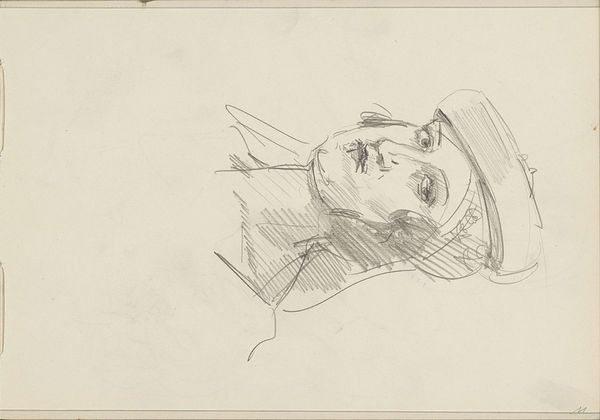
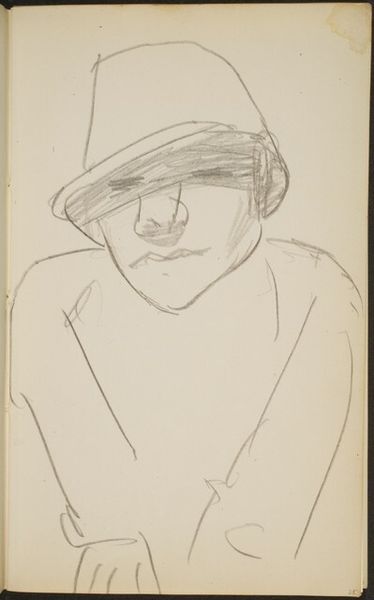
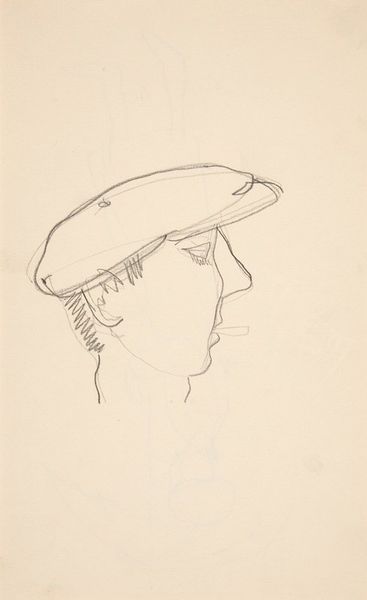
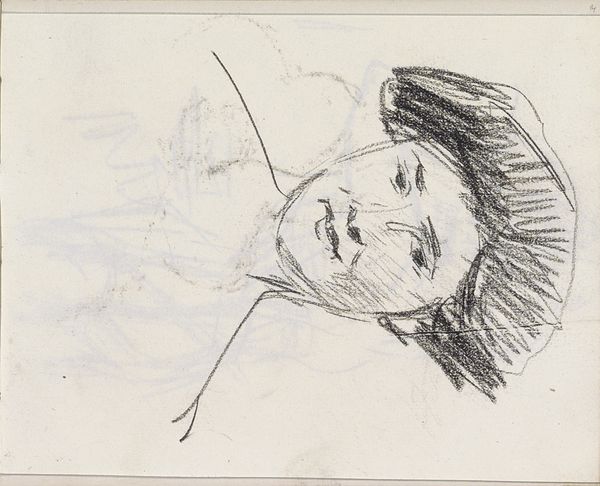
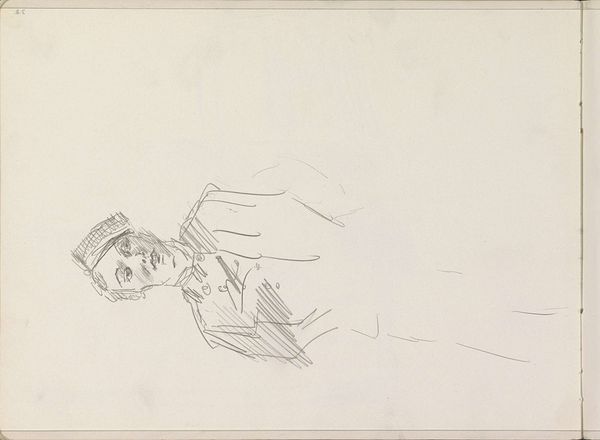
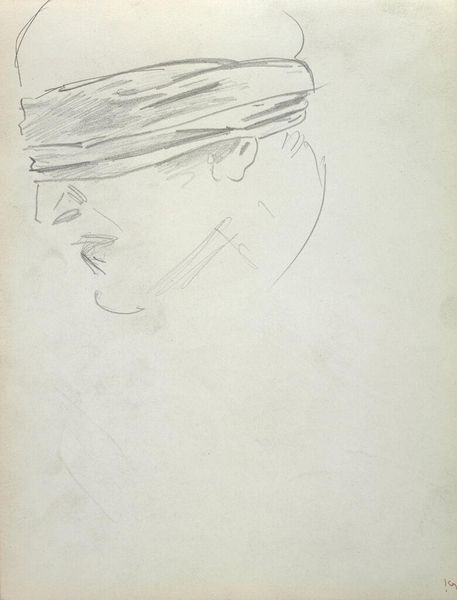
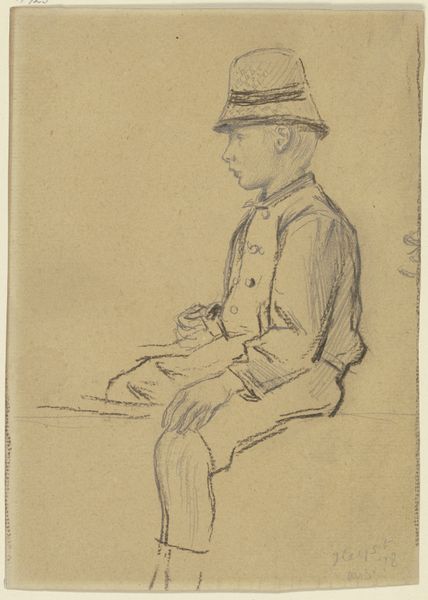
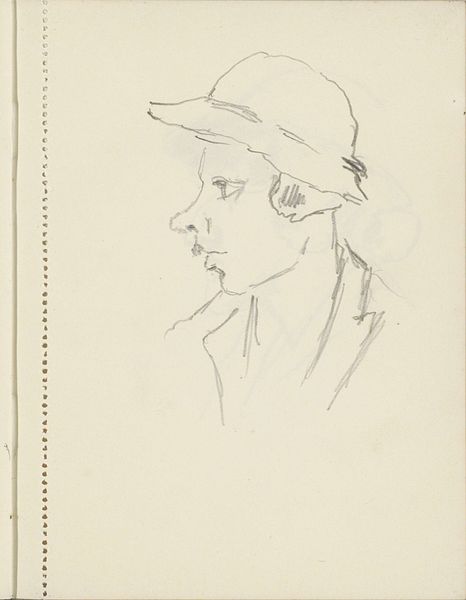
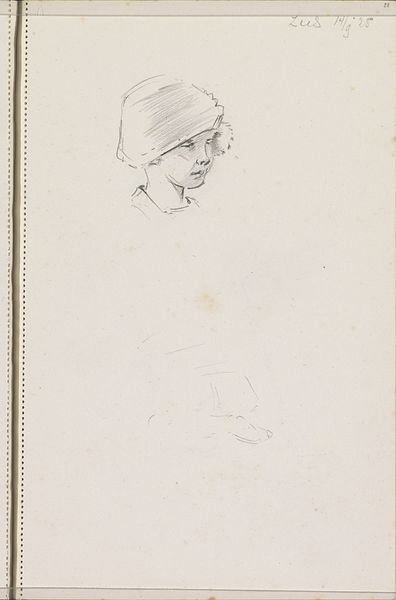
Editor: This is "Jongen met een platte hoed," or "Boy with a Flat Hat," a pencil sketch made sometime between 1865 and 1913, currently held at the Rijksmuseum. It looks like a quick study, something from a sketchbook, perhaps. What do you see in this seemingly simple portrait? Curator: I see a fleeting moment captured. The boy’s hat immediately strikes me. What does the hat signify? In this period, hats often denoted status and profession. Is it a marker of boyhood, of belonging? Notice, too, the incomplete lines – are they accidental, or do they invite us to fill in the gaps, to participate in the act of creation, and perhaps in constructing the boy's very identity? Editor: That's interesting! I hadn't considered the hat as a signifier of status. Curator: Consider the use of line. Thin, almost tentative. Pencil is a medium of immediacy. The emotional register, I would say, speaks of a passing fancy. Now, why do you think the artist chose this medium and level of finish for this particular subject? Was it an intimate moment, too private to develop? Editor: It definitely feels more personal than a formal portrait. Perhaps the artist wanted to remember the boy as they were in that specific moment, but didn’t intend for it to become a finished piece. Curator: Precisely! These are potent choices rooted in symbolism, in the cultural weight of capturing someone’s likeness. Editor: I never thought a simple sketch could hold so much meaning. Curator: The beauty often lies in the suggestive, in the potential for stories untold.

Artwork details
- Location
- Rijksmuseum
- Copyright
- Rijks Museum: Open Domain
Tags
amateur sketch
light pencil work
thin stroke sketch
pencil sketch
incomplete sketchy
personal sketchbook
idea generation sketch
sketchwork
sketchbook drawing
initial sketch
Comments
No comments
About this artwork
Editor: This is "Jongen met een platte hoed," or "Boy with a Flat Hat," a pencil sketch made sometime between 1865 and 1913, currently held at the Rijksmuseum. It looks like a quick study, something from a sketchbook, perhaps. What do you see in this seemingly simple portrait? Curator: I see a fleeting moment captured. The boy’s hat immediately strikes me. What does the hat signify? In this period, hats often denoted status and profession. Is it a marker of boyhood, of belonging? Notice, too, the incomplete lines – are they accidental, or do they invite us to fill in the gaps, to participate in the act of creation, and perhaps in constructing the boy's very identity? Editor: That's interesting! I hadn't considered the hat as a signifier of status. Curator: Consider the use of line. Thin, almost tentative. Pencil is a medium of immediacy. The emotional register, I would say, speaks of a passing fancy. Now, why do you think the artist chose this medium and level of finish for this particular subject? Was it an intimate moment, too private to develop? Editor: It definitely feels more personal than a formal portrait. Perhaps the artist wanted to remember the boy as they were in that specific moment, but didn’t intend for it to become a finished piece. Curator: Precisely! These are potent choices rooted in symbolism, in the cultural weight of capturing someone’s likeness. Editor: I never thought a simple sketch could hold so much meaning. Curator: The beauty often lies in the suggestive, in the potential for stories untold.
Comments
No comments