About this artwork
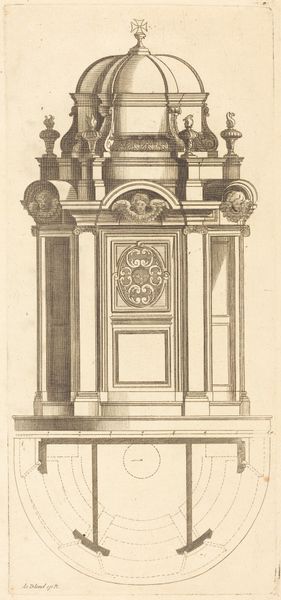
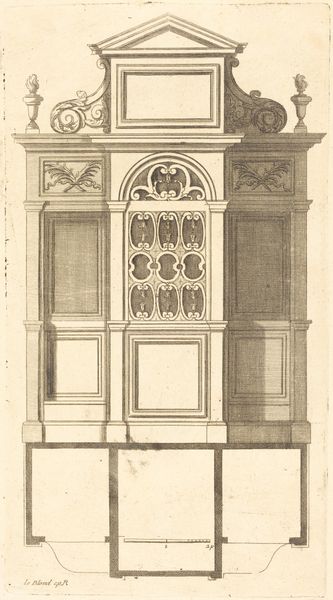
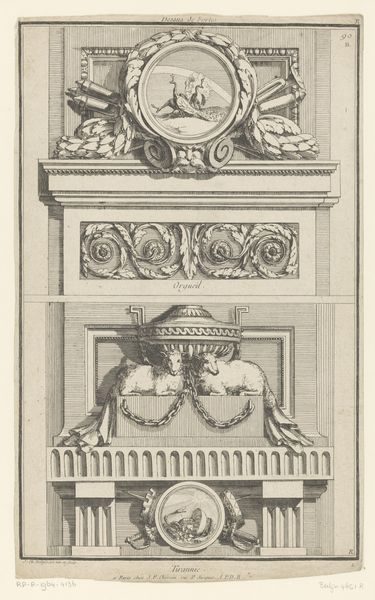
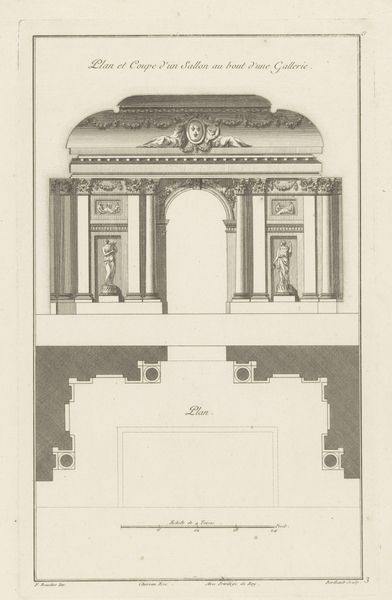
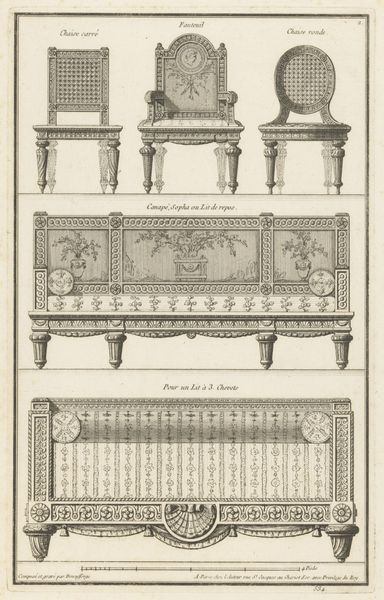
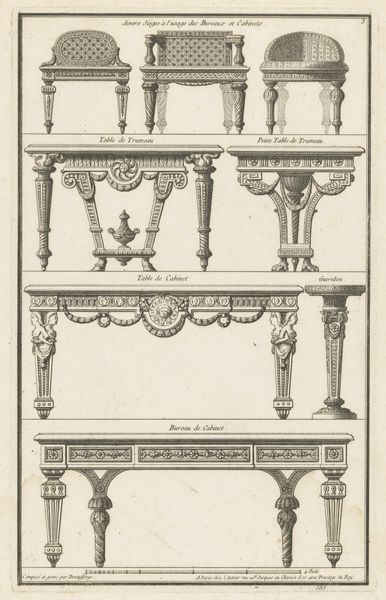
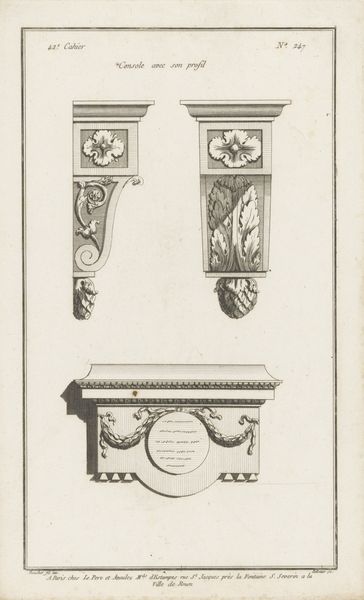
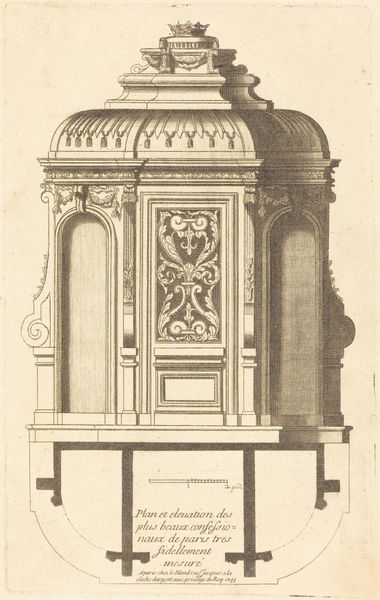
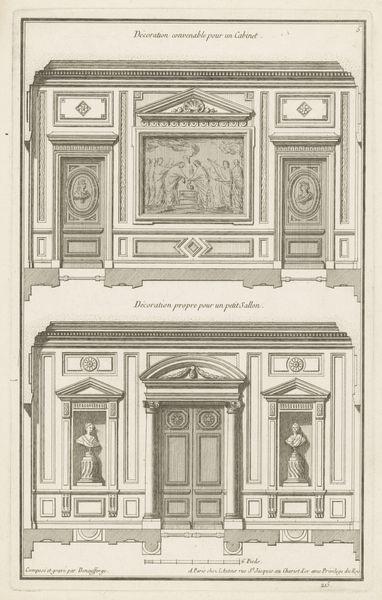
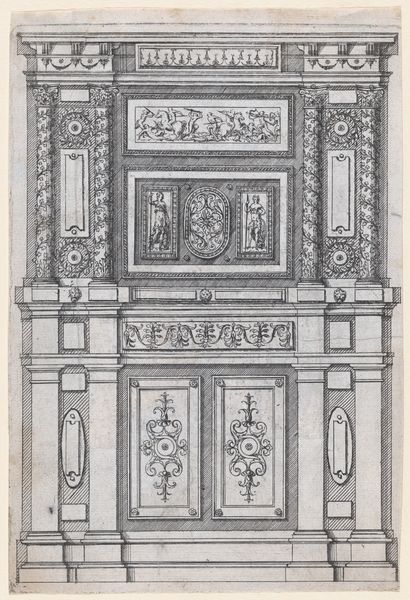
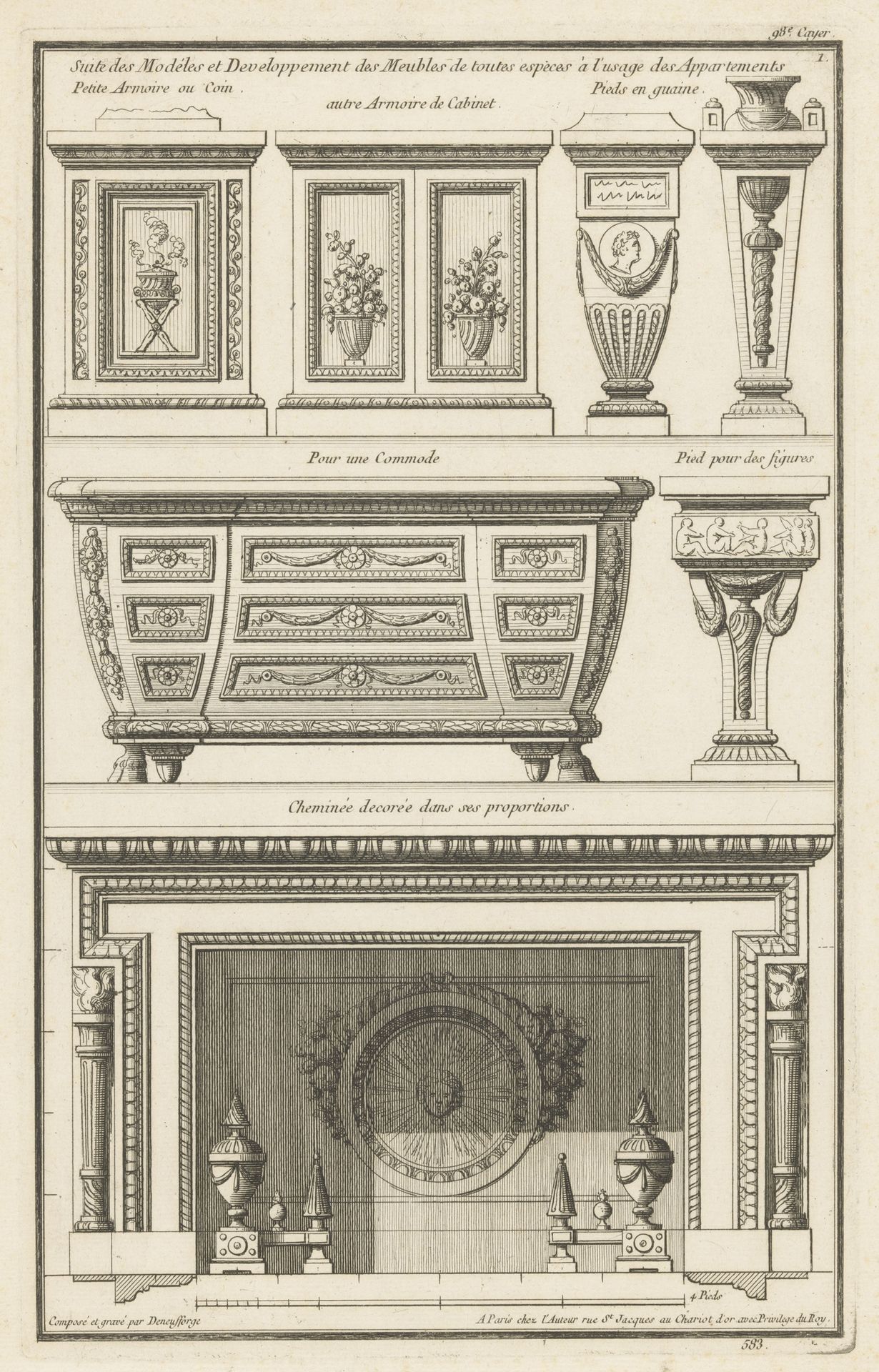
This print showing furniture, pedestals, a commode, and a fireplace was made by Jean François de Neufforge, likely in France, sometime in the 18th century. Neufforge's image encapsulates the Rococo style that dominated the decorative arts in Europe. The emphasis on ornamentation, asymmetry, and naturalistic motifs reflects the values of the aristocracy. The rise of the ‘salon’ created a demand for elegant furnishings that would serve as a backdrop for social gatherings and intellectual exchange. As historians, we can look at how the art academies promoted certain styles. The engraver played a crucial role in disseminating designs. Printed pattern books allowed artisans to replicate the latest fashions for wealthy clients across Europe. By studying sources such as inventories, trade records, and architectural treatises, we can better understand the social and economic conditions that shaped the production and consumption of art in this era. The images acted as a symbol of status and power.
Kasten, voetstukken, commode en haard
1767

Jean François de Neufforge
1714 - 1791Location
RijksmuseumArtwork details
- Medium
- drawing, print, metal, paper, engraving
- Dimensions
- height 364 mm, width 229 mm
- Location
- Rijksmuseum
- Copyright
- Rijks Museum: Open Domain
Tags
Comments
Share your thoughts
About this artwork
This print showing furniture, pedestals, a commode, and a fireplace was made by Jean François de Neufforge, likely in France, sometime in the 18th century. Neufforge's image encapsulates the Rococo style that dominated the decorative arts in Europe. The emphasis on ornamentation, asymmetry, and naturalistic motifs reflects the values of the aristocracy. The rise of the ‘salon’ created a demand for elegant furnishings that would serve as a backdrop for social gatherings and intellectual exchange. As historians, we can look at how the art academies promoted certain styles. The engraver played a crucial role in disseminating designs. Printed pattern books allowed artisans to replicate the latest fashions for wealthy clients across Europe. By studying sources such as inventories, trade records, and architectural treatises, we can better understand the social and economic conditions that shaped the production and consumption of art in this era. The images acted as a symbol of status and power.
Comments
Share your thoughts